Creating a consistent Pilates practice doesn’t have to feel overwhelming. In fact, one of the most effective ways to build strength, improve flexibility, and develop body awareness is by following a weekly program with day-by-day challenges. These structured routines give your workouts purpose, progression, and personality—so you’re never stuck wondering what to do next.
Whether you’re new to Pilates or looking to deepen your existing practice, themed weekly schedules offer the balance of structure and flexibility. The result? A more engaged body, a clearer mind, and a habit that feels rewarding—not like a chore.
Why Weekly Programs Work
 Let’s face it—motivation ebbs and flows. But structure? That sticks. Weekly Pilates challenges give you a roadmap, helping you:
-
Stay consistent without burnout
-
Progress steadily toward your goals
-
Balance strength, mobility, and recovery
-
Avoid overtraining by varying muscle focus
-
Feel accomplished with each day’s completion
Plus, they remove decision fatigue. Instead of scrolling through random workouts, you know exactly what you’re doing each day. This builds momentum—and momentum builds habits.
Looking for specific goals like flexibility, strength, or posture improvement? Browse our Pilates by Goal section to choose a challenge that suits your focus.
Anatomy of a Smart Weekly Pilates Program
Not all schedules are created equal. A well-designed week will include:
-
Full-body activation days
-
Targeted sessions (like core or glutes)
-
Mobility and recovery practices
-
Intentional rest
-
Progressive challenges as the week continues
The aim is to work the body as a whole while avoiding excessive repetition. You don’t need hour-long sessions each day—short, focused workouts can deliver powerful results when paired correctly.
Here’s an example of a 7-day Pilates challenge that balances the whole picture.
Sample 7-Day Pilates Challenge
Day 1: Full-Body Flow Kickoff (25–30 mins)
A dynamic session to awaken all major muscle groups, activate the deep core, and prepare the body for the week ahead.
-
Focus: Stability + Awareness
-
Movements: Planks, bridges, roll-ups, side kicks
Day 2: Core + Upper Body Sculpt (20–25 mins)
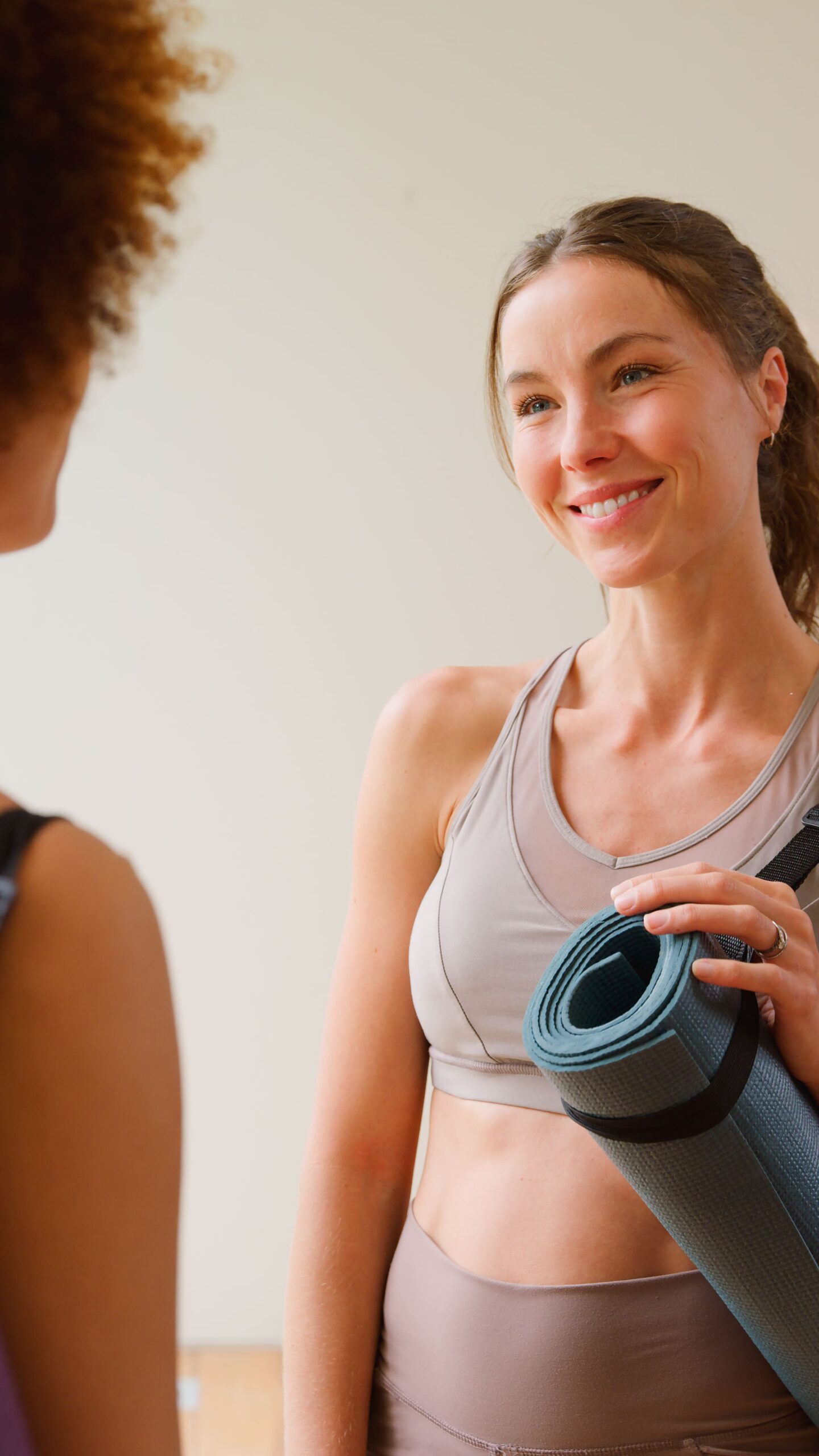 Strengthen the arms, shoulders, and core through controlled sequences that build endurance and posture.
-
Focus: Arm strength, obliques, TVA
-
Movements: Forearm plank holds, Pilates push-ups, seated twists
Day 3: Glutes & Lower Body Burn (25–30 mins)
Tone the hips, glutes, and thighs with mat-based and standing Pilates.
-
Focus: Posterior chain strength
-
Movements: Side-lying leg series, shoulder bridges, standing lunges with pulses
Day 4: Active Recovery & Mobility (15–20 mins)
Gentle stretching and spinal articulation to restore flexibility and improve circulation.
-
Focus: Breath, lengthening, joint care
-
Movements: Cat-cow, mermaid stretch, roll-downs, seated twist
Day 5: Deep Core Control (20–30 mins)
Target your stabilizing muscles with exercises that require maximum control and minimal momentum.
-
Focus: Pelvic stability + breath-to-core coordination
-
Movements: Dead bug variations, teaser preps, plank hovers
Day 6: Pilates Fusion Challenge (30–35 mins)
Combine Pilates with elements of yoga or barre for a creative, energizing blend.
-
Focus: Endurance, full-body strength
-
Movements: Warrior sequences, pulses, dynamic flows
-
Want more creative hybrid classes? (Explore our Pilates Fusion Workouts for more cross-training inspiration.)
Day 7: Rest or Guided Meditation & Breathwork (10–15 mins)
Rest is as essential as movement. Choose a quiet practice like breath-led meditation or fascia release to reset.
-
Focus: Recovery + nervous system balance
How to Customize Your Weekly Schedule
Not everyone has the same time or goals. Here’s how to personalize your program:
-
Short on time? Choose 15–20 minute options with high focus.
-
New to intermediate moves? Modify to suit your comfort level. Explore Beginner Pilates Videos before scaling up.
-
Want faster results? Add resistance bands or light weights 2–3 days per week.
-
Need more recovery? Swap in mobility flows or foam rolling mid-week.
Most importantly, give yourself permission to adjust. The goal is progress, not perfection. Check out this ready-to-go schedule: 4-Week Pilates Training Plan
Building Habits with Day-by-Day Challenges
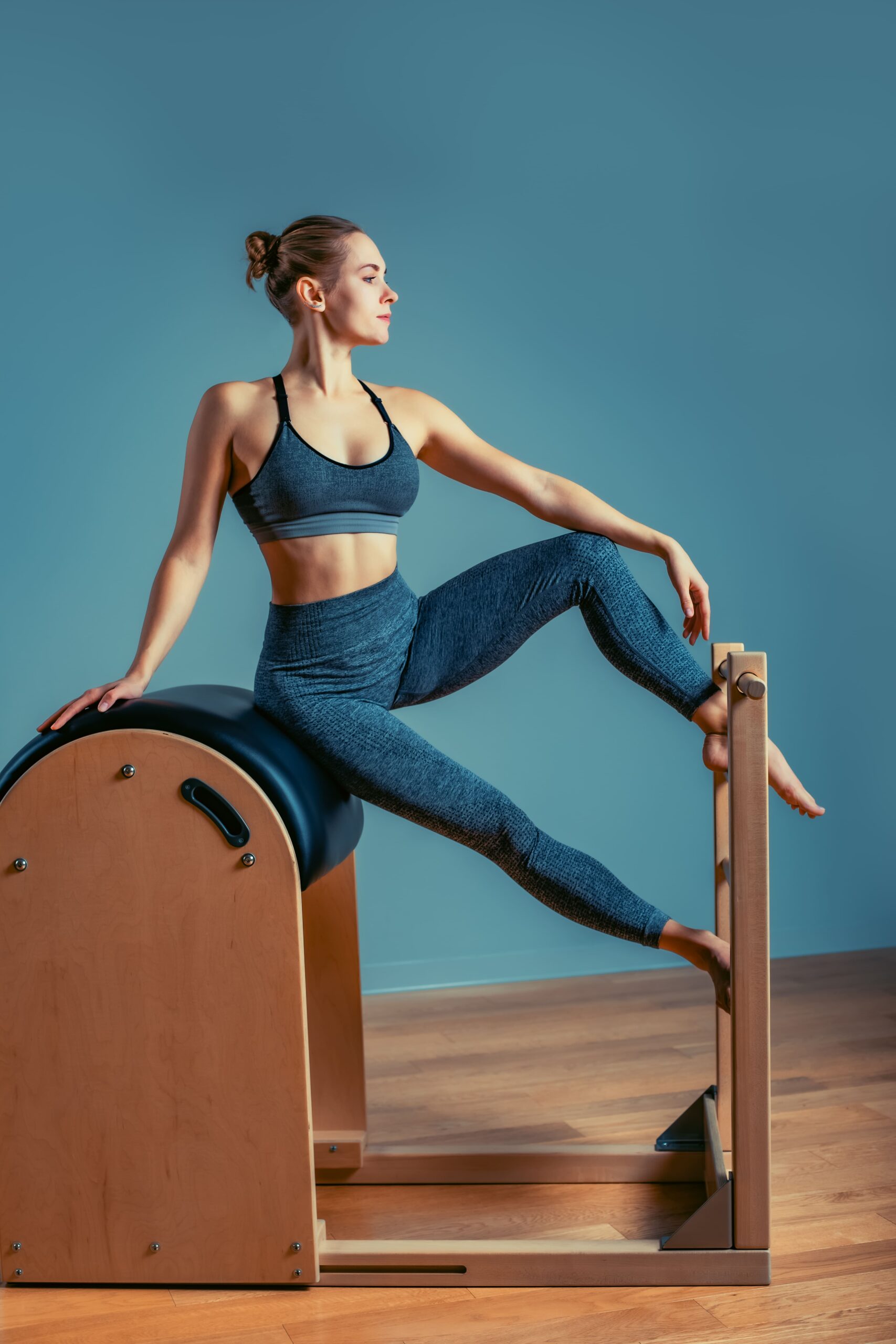 Day-by-day challenges work best when they’re framed around achievable, trackable steps. Here’s how to keep it going:
1. Create a Visible Calendar
Mark off each day’s session—on paper or an app. Visual progress is powerful motivation.
2. Pick a Time That Sticks
Morning, lunch break, post-dinner—choose a time that fits your life. Consistency trumps duration.
3. Set a Weekly Intention
Write one sentence about what you want to feel by week’s end: Stronger? More relaxed? Less pain?
4. Join a Community or Accountability Group
Even virtual accountability adds motivation. Share progress, cheer others on, and stay inspired.
5. Celebrate Weekly Wins
Finished all 7 days? Great. Completed 4 out of 7? Still a win. Acknowledge the effort.
Are Challenges Better Than Regular Workouts?
Challenges and drop-in sessions both have their place. But challenges tend to:
-
Build better momentum
-
Offer variety without confusion
-
Introduce progressive overload
-
Foster a sense of completion
If your workout motivation tends to fizzle, a structured challenge can reignite it.
FAQs
What’s the best length for a weekly Pilates program?
Start with 7-day or 14-day programs. These are long enough to see and feel a difference, but short enough to stay achievable. Once you’re consistent, 30-day challenges offer a deeper transformation.
Can I do Pilates challenges every month?
Yes! Rotate focus areas—core, glutes, flexibility, etc.—to prevent boredom and overuse. Just allow for rest weeks every 6–8 weeks to restore the nervous system.
What if I miss a day?
No big deal. Just pick up where you left off or do a double session the next day if your body feels up for it. Challenges are guides, not rigid rules.
Is it okay to repeat the same challenge?
Absolutely. Repeating a program can actually deepen your technique and control. You may notice subtle improvements in form, breath connection, and stamina.
Can I combine this with other workouts?
Yes—Pilates blends beautifully with strength training, running, or yoga. Just avoid stacking high-intensity workouts every day. Balance is key.
Following a Weekly Program with Day-by-Day Challenges takes the guesswork out of your Pilates practice. It empowers you with structure while giving you space to listen to your body. Whether your goal is strength, mobility, or simply to feel better in your skin, a weekly challenge offers a sustainable, satisfying path forward.
All it takes is one day. Then another. Before you know it, you’ve built a habit that supports you—in movement, in energy, in life.