Starting your day with movement is one of the most powerful habits you can build. And when that movement includes core activation, mindful breathing, and intentional flow, you’re not just waking up your body—you’re setting the tone for your entire day. The Express Abs, Wake-Up Flow is the ultimate way to energize your morning, center your mind, and start strong, even when you’re short on time.
This workout isn’t about pushing to extremes. It’s about gently waking the body, connecting breath to movement, and activating the muscles that support your posture and movement throughout the day. Whether you’re new to Pilates or just looking for a quick routine to jumpstart your morning, this flow delivers a fresh, revitalizing approach to movement.
Why Mornings Matter: The Science Behind Morning Movement
 There’s a growing body of research supporting the benefits of morning exercise, particularly routines that incorporate stretching, breathwork, and core activation. When you move in the morning, you:
-
Boost circulation and oxygen delivery to the brain
-
Awaken your central nervous system
-
Improve mood via endorphin release
-
Increase focus and productivity throughout the day
By layering in Pilates-based core work, you also reinforce postural alignment, which helps protect your spine and keeps you upright and supported during long hours of sitting or standing.
The Core of It All: Why Abs Deserve the Spotlight
The term “abs” often gets reduced to aesthetics, but in reality, your abdominal muscles play a key role in everything from breathing to balance. The core includes:
-
Rectus abdominis: The “six-pack” muscle, responsible for flexing the spine.
-
Transverse abdominis: The deepest layer, acting like a corset for your organs.
-
Internal and external obliques: Helping you twist, rotate, and stabilize.
-
Pelvic floor and diaphragm: Often overlooked, but vital for core strength and breath control.
An express abs session isn’t about crunches and burnouts. It’s about intentional engagement, activating from the inside out, and building strength that supports your entire body.
What Is the Express Abs, Wake-Up Flow?
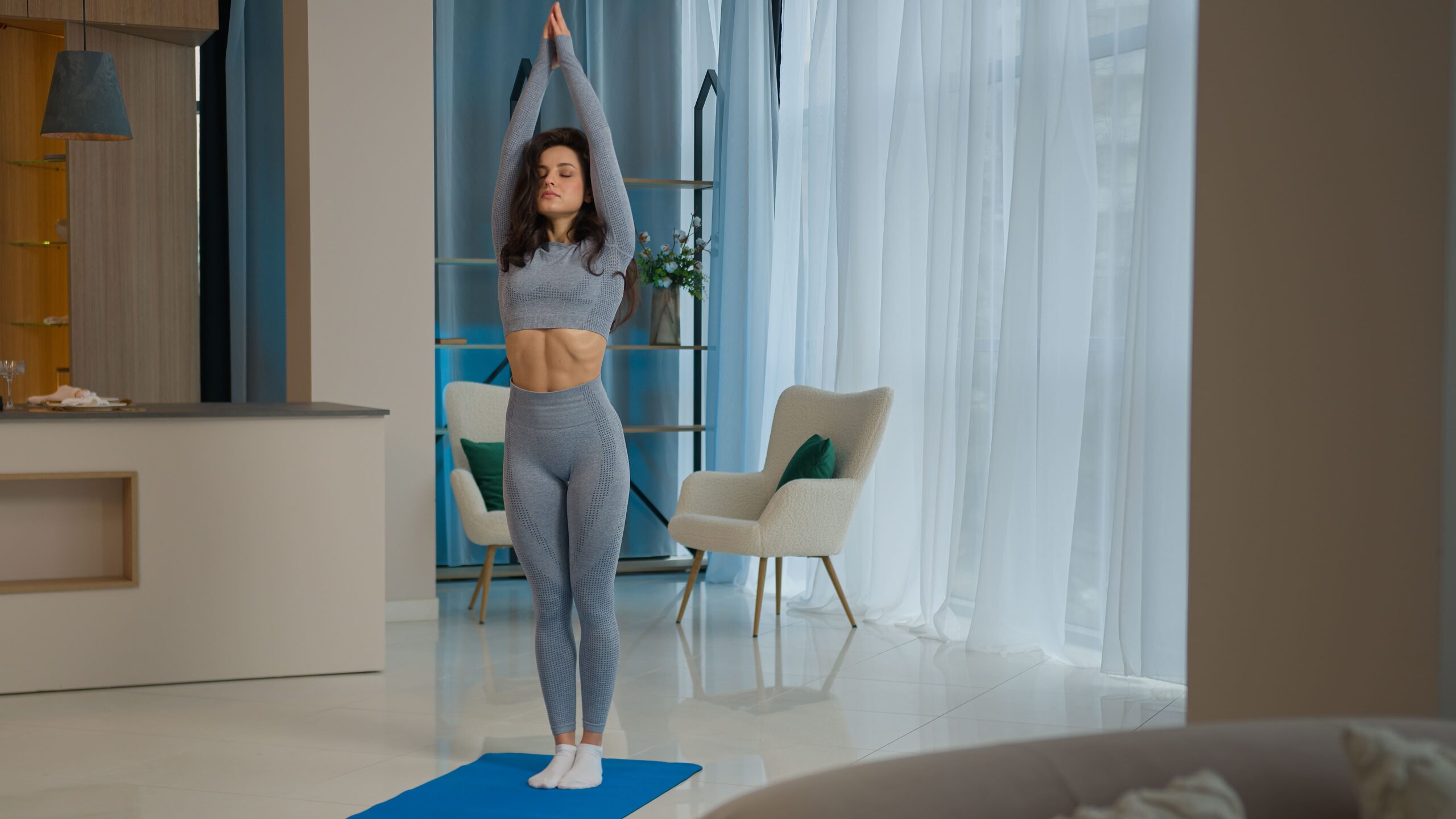 This flow is a 10–15 minute mat-based routine, designed for mornings when you want to move but don’t have time for a full class. It focuses on:
-
Gentle spinal articulation
-
Deep core engagement
-
Dynamic stretching
-
Breath-centered movement
You’ll begin lying down, easing into mobility, and gradually transition into a standing posture. The sequence is structured to energize rather than exhaust. You’ll finish feeling taller, stronger, and more present in your body.
Looking for more short and efficient flows like this one? Explore more routines in our curated section of Pilates by Duration. Also make sure to watch this video: 5 min Express Abs Burn
Step-by-Step Breakdown of the Flow
Here’s a general outline of what this morning session looks like. Feel free to adapt based on your body’s needs.
1. Supine Breath & Pelvic Tilt Warm-Up (2 mins)
Start by lying on your back with knees bent and feet hip-width apart. Inhale deeply into the ribs, exhale slowly, engaging the pelvic floor and pulling the navel toward the spine. Add gentle pelvic tilts to warm the lumbar spine.
2. Dead Bug Variations (2 mins)
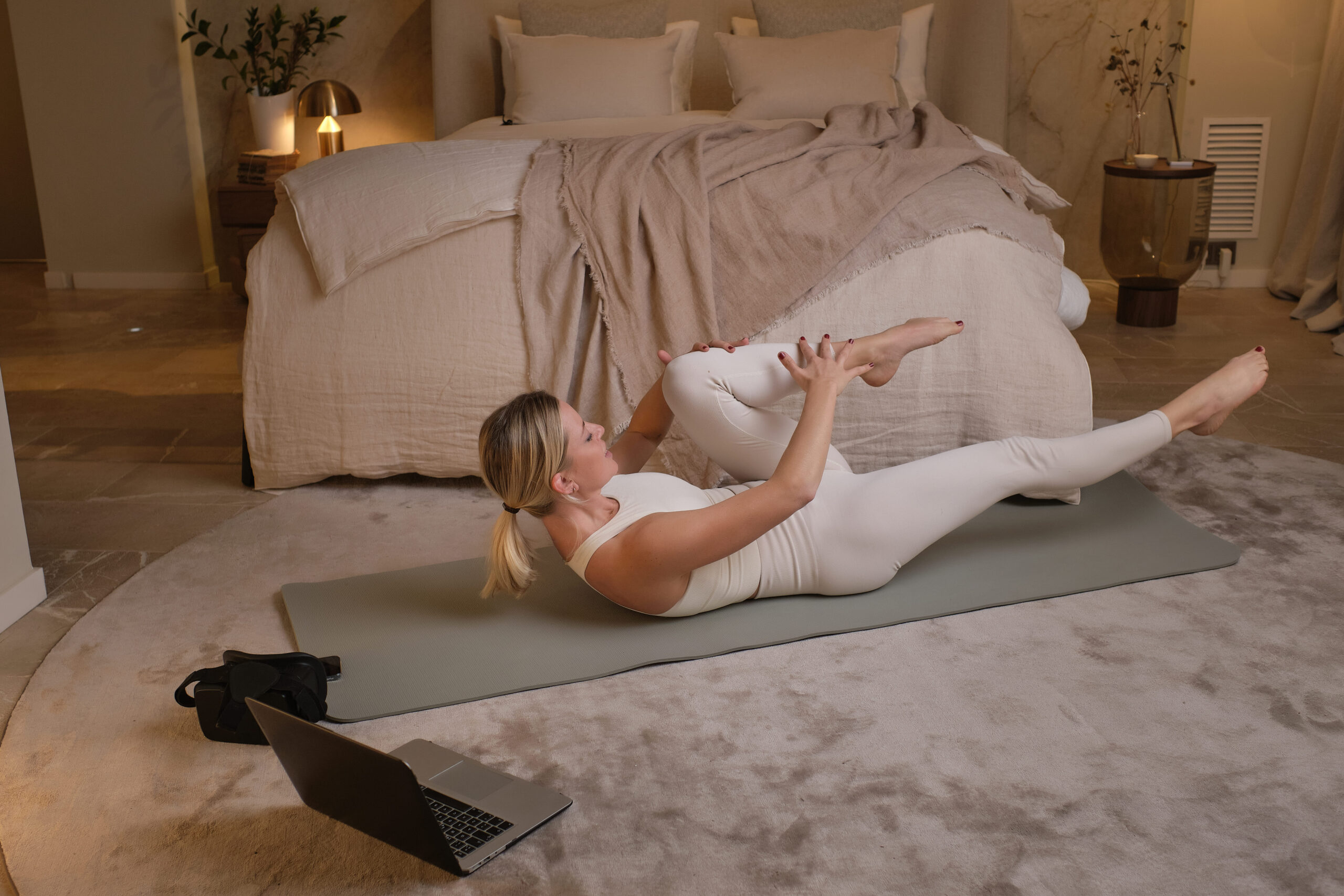
Lift your legs to tabletop, arms reaching to the ceiling. Alternate lowering opposite arm and leg, keeping your core engaged and spine stable. Focus on precision, not speed.
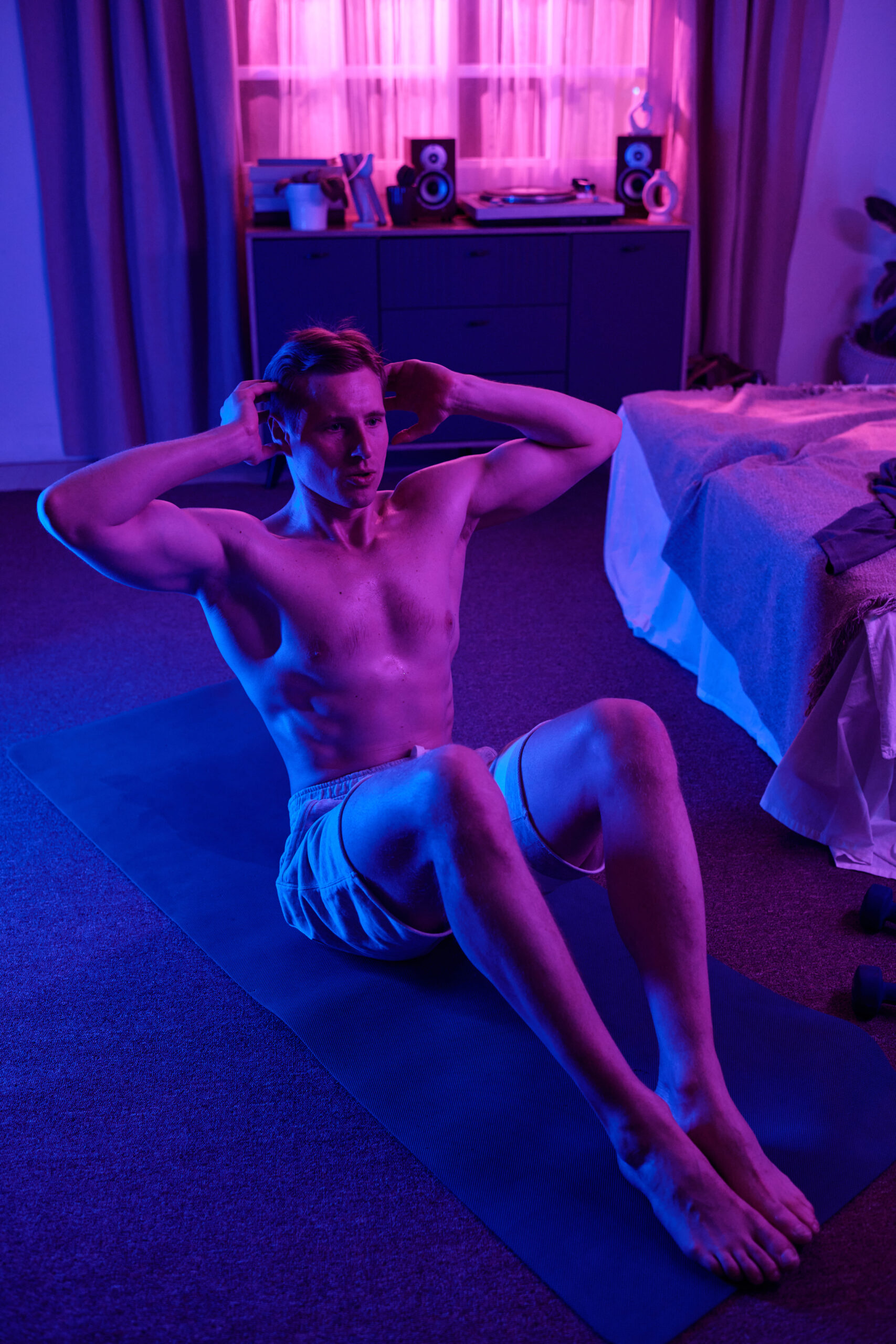 3. Toe Taps with Oblique Reach (2 mins)
Keep your legs in tabletop. As you tap one toe to the mat, reach across the body with the opposite arm to engage the obliques. Control the movement with your breath.
4. Roll-Up to Seated Spine Stretch (2 mins)
Transition into full roll-ups. Inhale to prepare, exhale to slowly roll up one vertebra at a time. At the top, reach forward into a seated spine stretch before rolling back down.
5. Kneeling Cat-Cow & Thread the Needle (2 mins)
Move into a tabletop position. Flow through Cat-Cow to warm up the spine, then add Thread the Needle for a gentle thoracic rotation.
6. Plank Hover Hold or Modified Forearm Plank (1 min)
Engage the full core by hovering in a forearm plank. Keep the pelvis level and shoulder blades broad. For beginners, try a knee-down variation.
7. Standing Roll-Up & Shoulder Roll Cool Down (1–2 mins)
Slowly roll up to stand, one vertebra at a time. Finish with a few deep breaths and shoulder rolls, grounding yourself before starting the day.
Tips for Getting the Most Out of Your Flow
-
Do it before coffee: Hydrate first, then move before consuming caffeine.
-
Create a consistent space: Roll out your mat in the same place daily to build habit cues.
-
Use soft lighting and calming music to transition gently from sleep to wakefulness.
-
Adjust the sequence as needed—some days you might only do the first half.
-
Pair with a journal prompt or intention to engage the mind.
How to Incorporate Express Flows into Your Routine
The beauty of a short, energizing sequence is that it can fit in anywhere. Here are a few ways to use it:
-
Daily Morning Habit: Make it a ritual—no phone until after your flow.
-
Afternoon Reset: If mornings aren’t ideal, use it to break up your workday.
-
Travel-Friendly Workout: No equipment needed. Just a mat or towel.
-
Complement a Strength Day: Use it as a warm-up before heavier lifting.
-
Gentle Recovery Movement: Perfect for active rest days.
You might also explore Mat Pilates Videos for more no-equipment flows you can build into your day.
Ideal for All Levels
One of the great things about the Express Abs, Wake-Up Flow is its adaptability. Beginners can keep movements smaller and slower, while more experienced practitioners can deepen each motion. It’s a great complement to a broader Pilates practice and serves as a gateway for those just starting out.
If you’re new to this type of movement, check out our collection of Beginner Pilates Videos to build confidence and proper technique before diving deeper.
Related Practices to Explore
Pilates is a multifaceted practice, and this flow is just one thread in the fabric. If you enjoy this morning movement, you might love:
-
Pilates Fusion Workouts that blend Pilates with yoga, barre, or cardio
-
Pilates for Special Populations if you’re recovering from injury or have specific health needs
-
Pilates by Goal categories like flexibility, core, or mobility work
These related approaches offer variety while supporting your individual wellness goals.
FAQs
What time should I do the Express Abs, Wake-Up Flow?
Ideally within 30 minutes of waking up. Your body will be most receptive to gentle mobility and breathwork during this window. However, it can also be used mid-morning or after a nap to refresh your body.
Do I need equipment?
No. This flow is designed for mat practice, making it perfect for home, travel, or tight spaces. Just use a yoga or Pilates mat for comfort.
Can I do this flow every day?
Yes! Because it’s gentle and focused on mobility and engagement rather than exhaustion, it can safely be practiced daily. Just listen to your body and modify as needed.
Will this help with back pain?
Absolutely. By engaging the deep core muscles and improving spinal alignment, this flow can help reduce or prevent lower back discomfort. If you have chronic pain, consult a healthcare provider before starting.
What if I’m not a morning person?
No problem. You can do this flow at any point in the day. It’s called a “wake-up flow” because of the energizing nature, but the benefits remain no matter when you practice.
Next time you’re short on time but crave that fresh-body feeling, roll out your mat, take a breath, and try the Express Abs, Wake-Up Flow. You’ll be amazed how just a few minutes of intentional movement can transform your entire day.