Spine alignment and gentle extensions form a quiet but powerful cornerstone of Pilates practice. They are not flashy concepts, yet they shape how the body moves, rests, and responds to both exercise and daily life. When the spine is aligned well and supported through controlled extension, movement feels lighter, breathing becomes easier, and strain is reduced across the body. Gentle extensions, in particular, offer a counterbalance to the flexion-heavy patterns many people live in, especially those shaped by long hours of sitting.
In Pilates, spine alignment is not about holding a rigid posture. It is about finding balance, adaptability, and support through movement. Gentle extensions help restore natural spinal curves, encourage healthy mobility, and build confidence in moving the spine safely. Together, these ideas teach that the spine is not fragile, but resilient when guided with awareness and intention.
Understanding Natural Spine Alignment
 The spine is designed with natural curves that allow it to absorb force and support movement efficiently. These curves include a gentle inward curve at the neck, an outward curve at the upper back, and another inward curve at the lower back. Proper alignment does not mean flattening or exaggerating these curves, but allowing them to exist in harmony.
In Pilates, alignment is often described as a relationship rather than a position. The head balances over the shoulders, the rib cage rests over the pelvis, and the pelvis supports the spine without tipping excessively forward or back. This dynamic balance allows the muscles surrounding the spine to work without unnecessary tension.
When alignment is compromised, certain muscles may overwork while others weaken. Over time, this imbalance can limit movement options and contribute to discomfort. Gentle, intentional work focused on alignment helps restore balance and awareness.
Why Spine Alignment Matters in Pilates
Spine alignment affects every exercise in Pilates, whether the movement appears focused on the legs, arms, or core. When the spine is aligned, force transfers smoothly through the body. When it is not, energy leaks occur, often showing up as tension or instability.
Good alignment supports efficient breathing. When the rib cage is stacked comfortably over the pelvis, the diaphragm can move freely, allowing deeper, more relaxed breaths. This breath support enhances core engagement and endurance throughout a session.
Alignment also plays a key role in injury prevention. By distributing load evenly across joints and muscles, the body avoids overloading any single area. Pilates uses alignment cues not to restrict movement, but to create a safe starting point from which movement can unfold.
The Role of Gentle Extensions
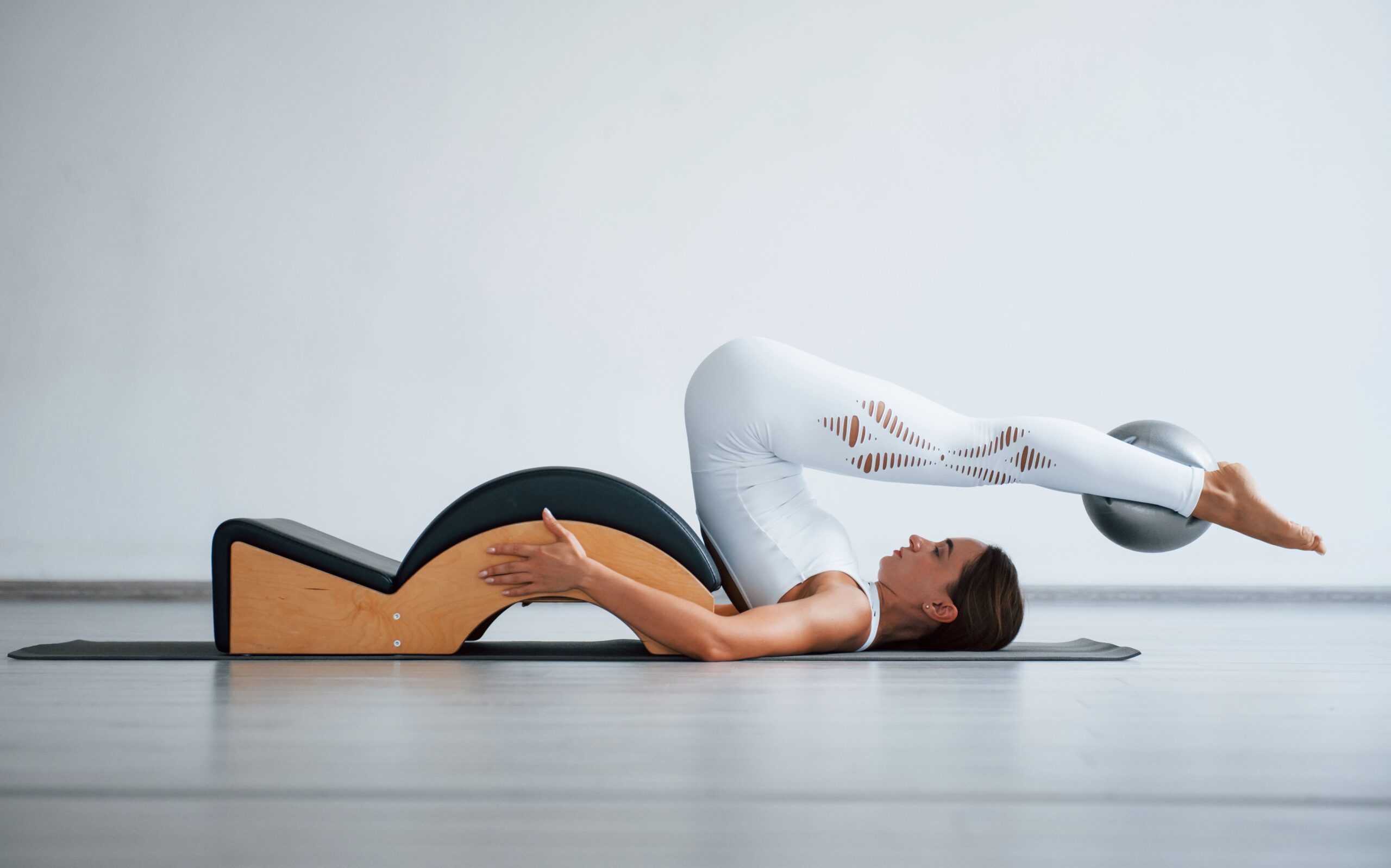
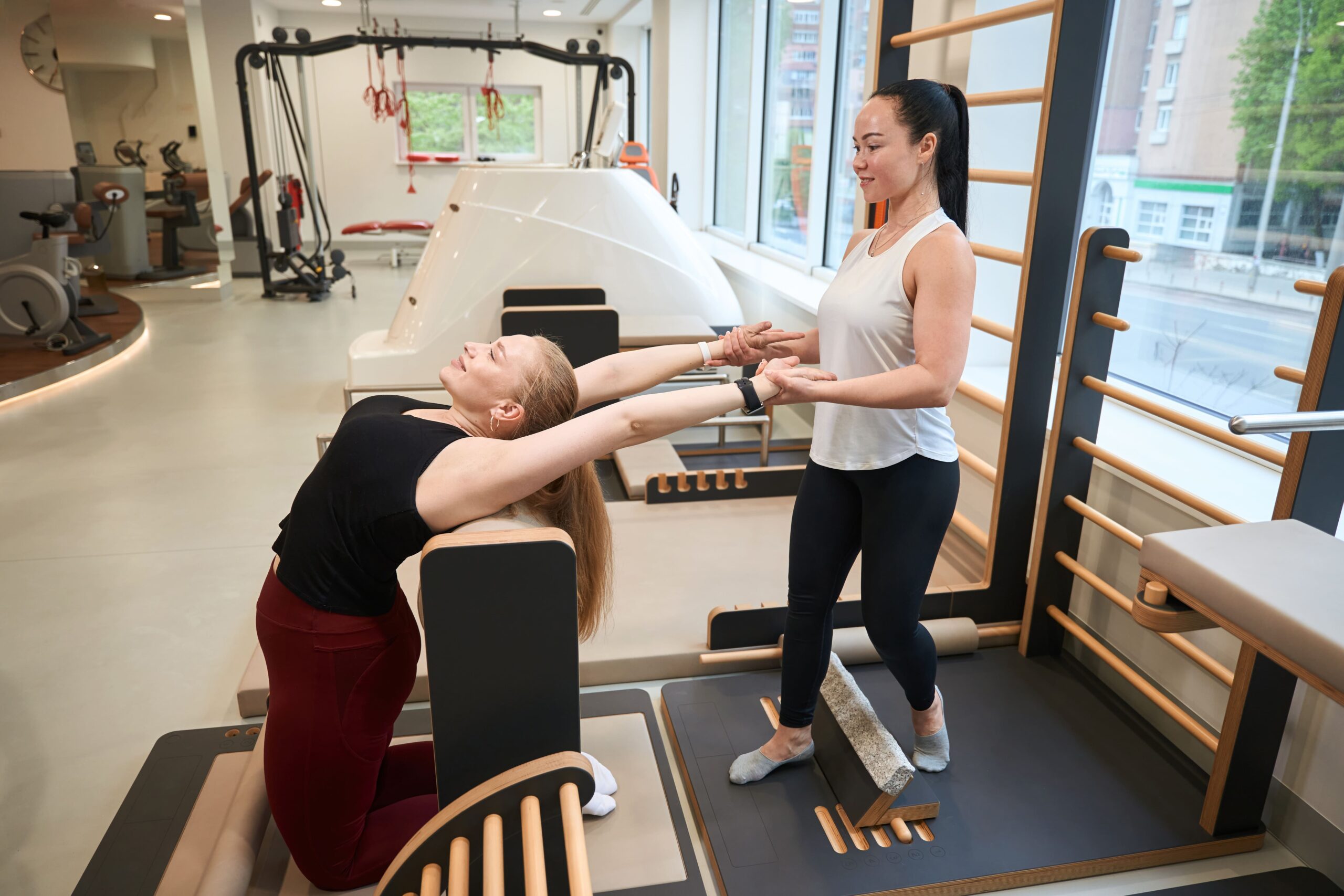 Gentle extensions are movements that lengthen the spine and encourage it to move into its natural backward curve. Unlike aggressive backbends, these extensions prioritize control, support, and comfort. They are often introduced early in Pilates sessions to awaken spinal muscles and counterbalance flexion.
Extension work helps re-educate muscles that support the spine, particularly those along the back body. It also opens the front of the body, including the chest and hip flexors, areas that commonly become tight with prolonged sitting.
Importantly, gentle extensions teach trust in spinal movement. Many people approach extension with caution or fear, especially if they have experienced back discomfort. Pilates frames extension as a gradual, supported experience rather than a forceful one.
Gentle Extensions Versus Deep Backbends
It is important to distinguish gentle extensions from deeper backbends. Gentle extensions are small, controlled movements that stay within a comfortable range. They focus on length and articulation rather than depth.
Deep backbends, while valuable in certain practices, require a higher degree of strength, mobility, and preparation. Gentle extensions serve as a foundation, building awareness and support before any larger movement is attempted.
In Pilates, quality always outweighs quantity. A small extension performed with alignment and breath can be far more beneficial than a large movement done without control.
How Gentle Extensions Support the Spine
Gentle extensions nourish the spine by encouraging movement through each segment. This segmentation improves circulation and helps maintain the health of spinal discs and surrounding tissues.
These movements also strengthen the muscles that support upright posture. When practiced consistently, gentle extensions can reduce the sense of collapse or rounding that often appears in the upper back and shoulders.
From a neurological perspective, extension work improves proprioception, the body’s sense of where it is in space. This heightened awareness supports better coordination and balance across all movement.
Common Gentle Extension Movements in Pilates
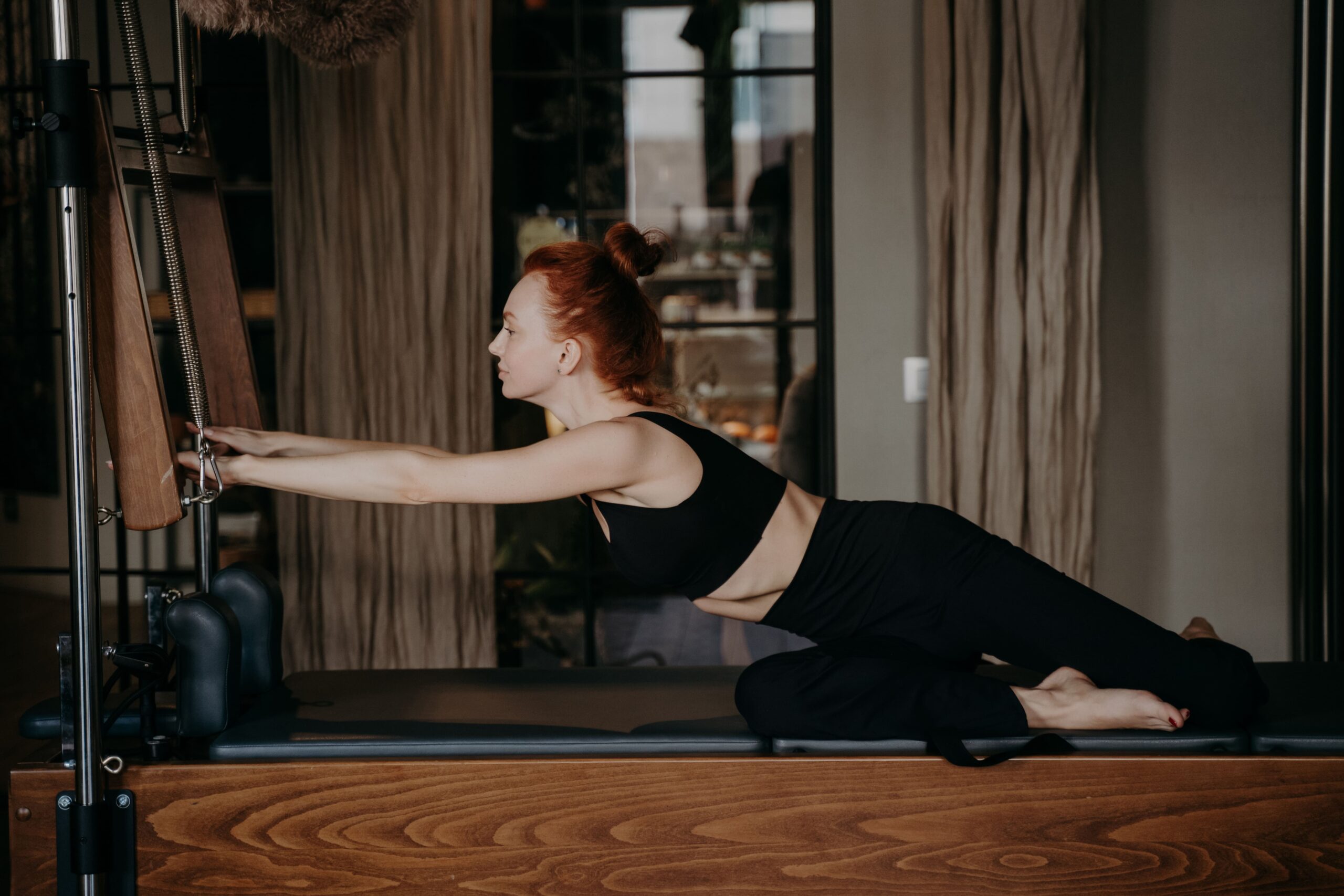
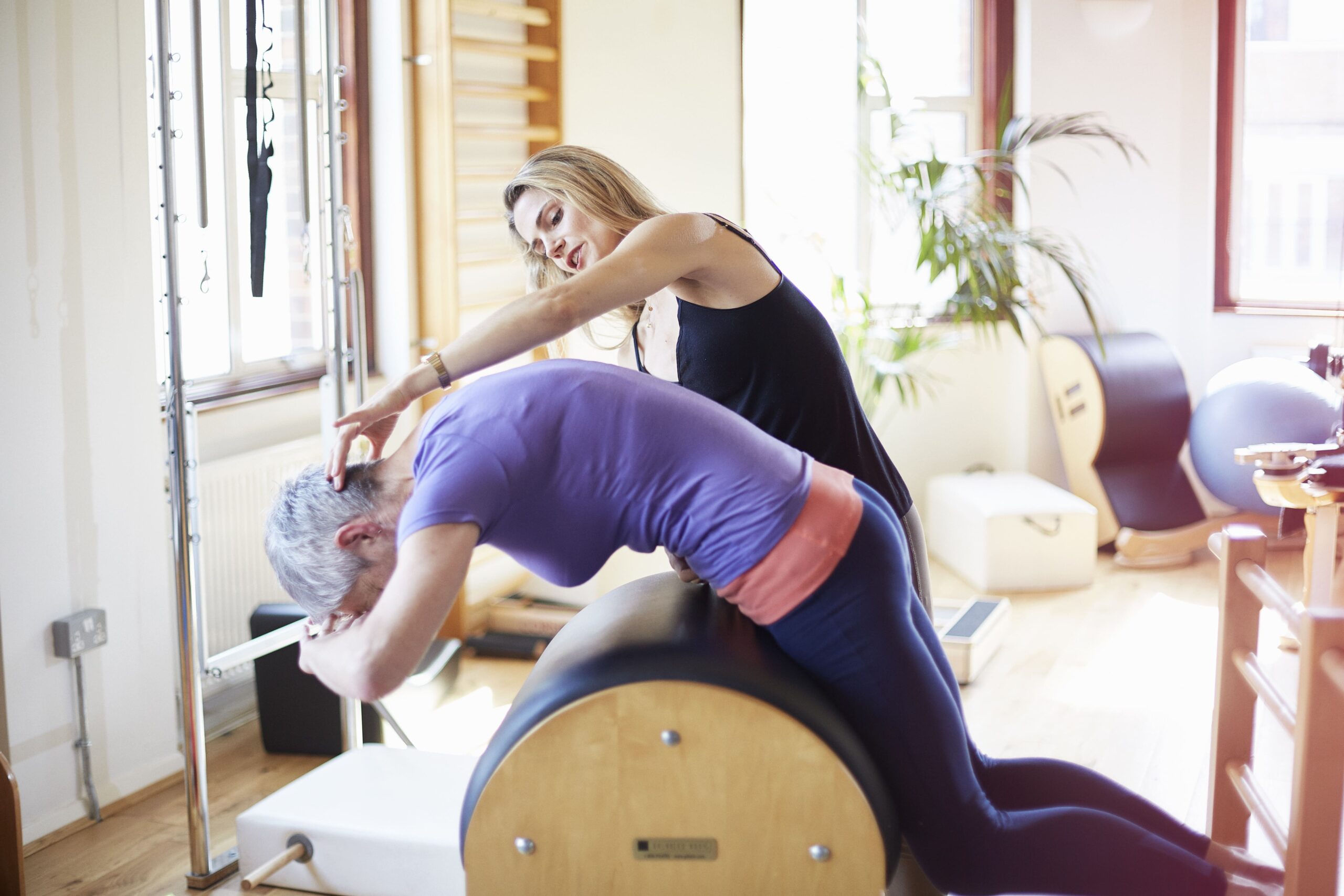
Gentle extensions appear in many Pilates exercises, both on the mat and on equipment. Prone positions, where the body lies face down and lifts slightly against gravity, are commonly used. These exercises emphasize length through the spine rather than height.
Seated or kneeling extensions are another common approach. These positions allow gravity to assist alignment while reducing load on the lower back. Standing extensions, when done with support and control, integrate spinal alignment into upright posture.
Across all variations, the focus remains on initiating movement from the spine rather than pushing from the arms or compressing the lower back.
Breath and Alignment in Extension Work
Breath plays a central role in gentle extensions. Inhaling often supports extension by expanding the chest and encouraging length through the spine. The breath creates space rather than force.
Exhalation helps maintain control and prevents overextension. This balance between inhale and exhale allows the movement to feel fluid and supported.
When breath and movement are synchronized, extensions feel easier and more natural. The spine responds to the rhythm of the breath, reinforcing the connection between respiratory and postural muscles.
Common Misconceptions About Extension
One common misconception is that extension is unsafe for the back. In reality, the spine is meant to move in all directions, including extension. Problems often arise not from extension itself, but from lack of control, preparation, or awareness.
Another misunderstanding is that extension should create compression or discomfort. Gentle extensions should feel spacious and energizing, not painful. Discomfort is a signal to reduce range, slow down, or adjust alignment.
Some people also believe extension is only for advanced practitioners. In truth, gentle extensions are accessible to most bodies when properly guided and modified.
Modifying Gentle Extensions for Different Needs
Not all spines move the same way, and Pilates respects individual differences. Modifications allow gentle extensions to be adapted for varying mobility levels, body shapes, and experiences.
Using props such as folded towels or cushions can provide support and feedback. Reducing range of motion or performing extensions in supported positions can make the work more comfortable.
For those practicing at home, following a beginner-friendly session that emphasizes spinal alignment and small extension movements can be especially helpful. These routines often demonstrate how to approach extension with care and confidence.
Integrating Spine Alignment Into Daily Life
 The benefits of spine alignment and gentle extensions extend well beyond Pilates sessions. Awareness gained on the mat often carries into daily posture and movement habits.
Simple actions such as standing up from a chair, reaching overhead, or walking can feel different when alignment is present. The body moves with less effort and greater ease.
Taking brief moments during the day to lengthen the spine, open the chest, or gently extend backward can counteract prolonged sitting and support overall comfort.
Building a Balanced Practice
While gentle extensions are valuable, balance is essential. Pilates emphasizes movement in all directions, including flexion, rotation, and lateral flexion. Extensions work best when integrated into a varied practice.
Alternating between different spinal movements keeps the body adaptable and resilient. Gentle extensions often feel especially satisfying after flexion-heavy sequences, restoring length and openness.
A well-rounded practice supports long-term spinal health rather than short-term goals.
Progression Over Time
As awareness and strength improve, gentle extensions may naturally deepen. This progression should be gradual and guided by sensation rather than ambition.
Progress is often measured not by how far the spine moves, but by how supported and coordinated the movement feels. Increased ease, smoother transitions, and improved posture are meaningful signs of development.
Returning to foundational extension work periodically helps refine alignment and maintain healthy movement patterns.
The Mind-Body Connection
Gentle extensions often have a subtle emotional effect. Opening the front of the body and lifting the chest can create a sense of confidence and openness. This connection between posture and mood is well recognized in movement practices.
Pilates encourages noticing these sensations without judgment. The goal is not to chase a feeling, but to observe how movement influences both body and mind.
This awareness deepens the practice and reinforces Pilates as more than just physical exercise.
FAQs
Are gentle extensions safe for people with back discomfort?
In many cases, yes, when performed carefully and within a comfortable range. Gentle extensions should never cause pain and are best approached with guidance and modifications as needed.
How often should extension work be included in Pilates?
Gentle extensions can be included in most sessions, especially as a counterbalance to flexion and sitting-heavy lifestyles. Frequency should match individual comfort and needs.
What should gentle extension feel like?
It should feel spacious and supported, not compressed or strained. The movement should be guided by length and breath rather than force.
Can gentle extensions improve posture?
Yes. By strengthening the back body and opening the chest, gentle extensions support more upright, balanced posture over time.
Is extension only done lying face down?
No. Gentle extensions can be performed in prone, seated, kneeling, and standing positions. Variety helps integrate spinal alignment into different movement contexts.