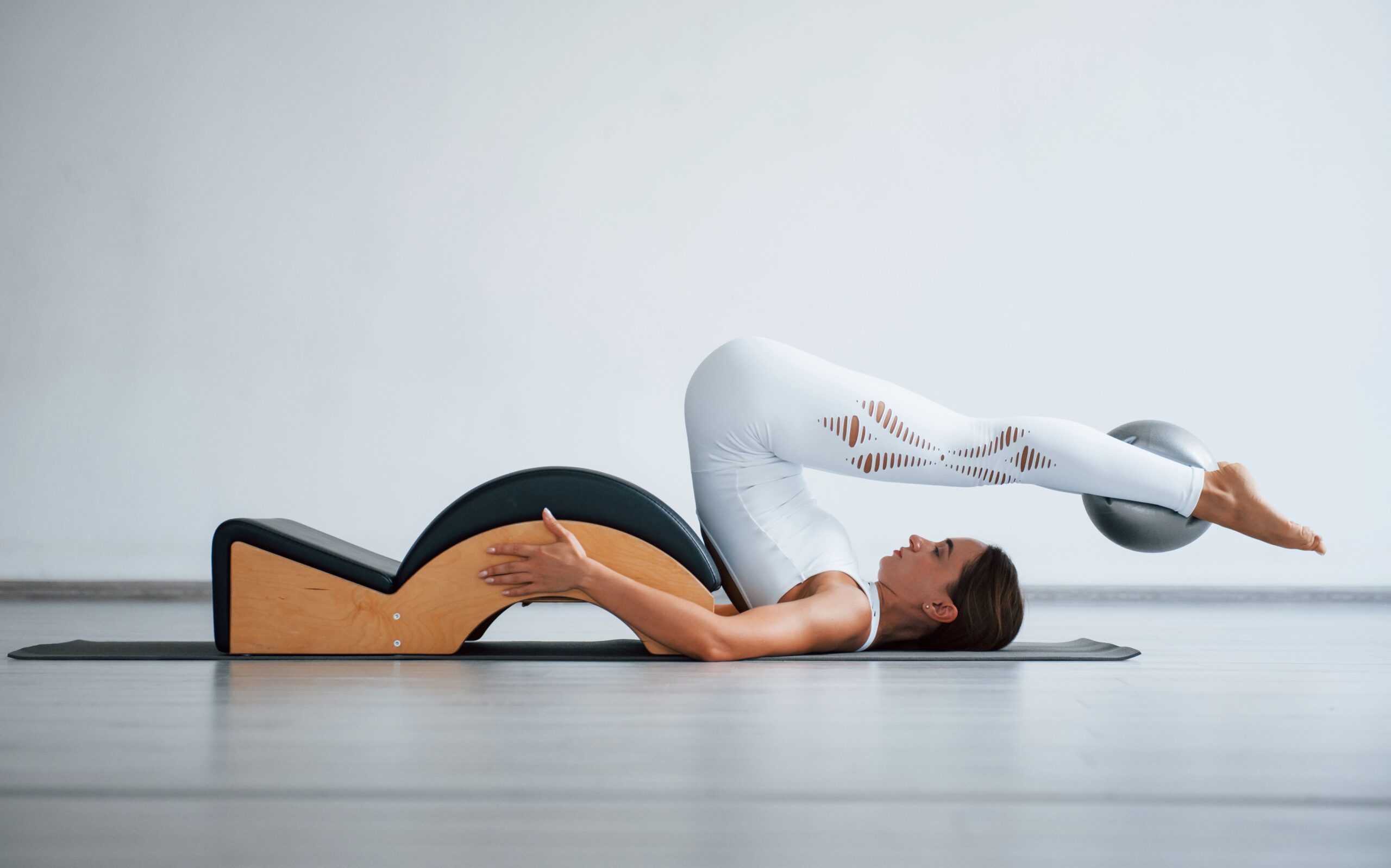
When it comes to building true strength, balance, and control, everything starts from the center—your core. But not just the surface-level “six-pack” abs. We’re talking about the deep core muscles, the ones that stabilize your spine, support your organs, and power nearly every movement you make. That’s where Deep Core Focus, Sculpting Sequences come in.
These Pilates-inspired routines don’t just tone your midsection—they sculpt it from the inside out. You’ll engage muscles you might not have known existed, fire up your breath-to-core connection, and walk away feeling taller, more supported, and stronger at your center.
This isn’t a crunch-based, rep-heavy workout. It’s intentional, breath-led, and grounded in control. These sequences are ideal for anyone looking to improve posture, reduce back pain, and cultivate the kind of strength that radiates outward through the entire body.
Understanding the Deep Core: What It Actually Is
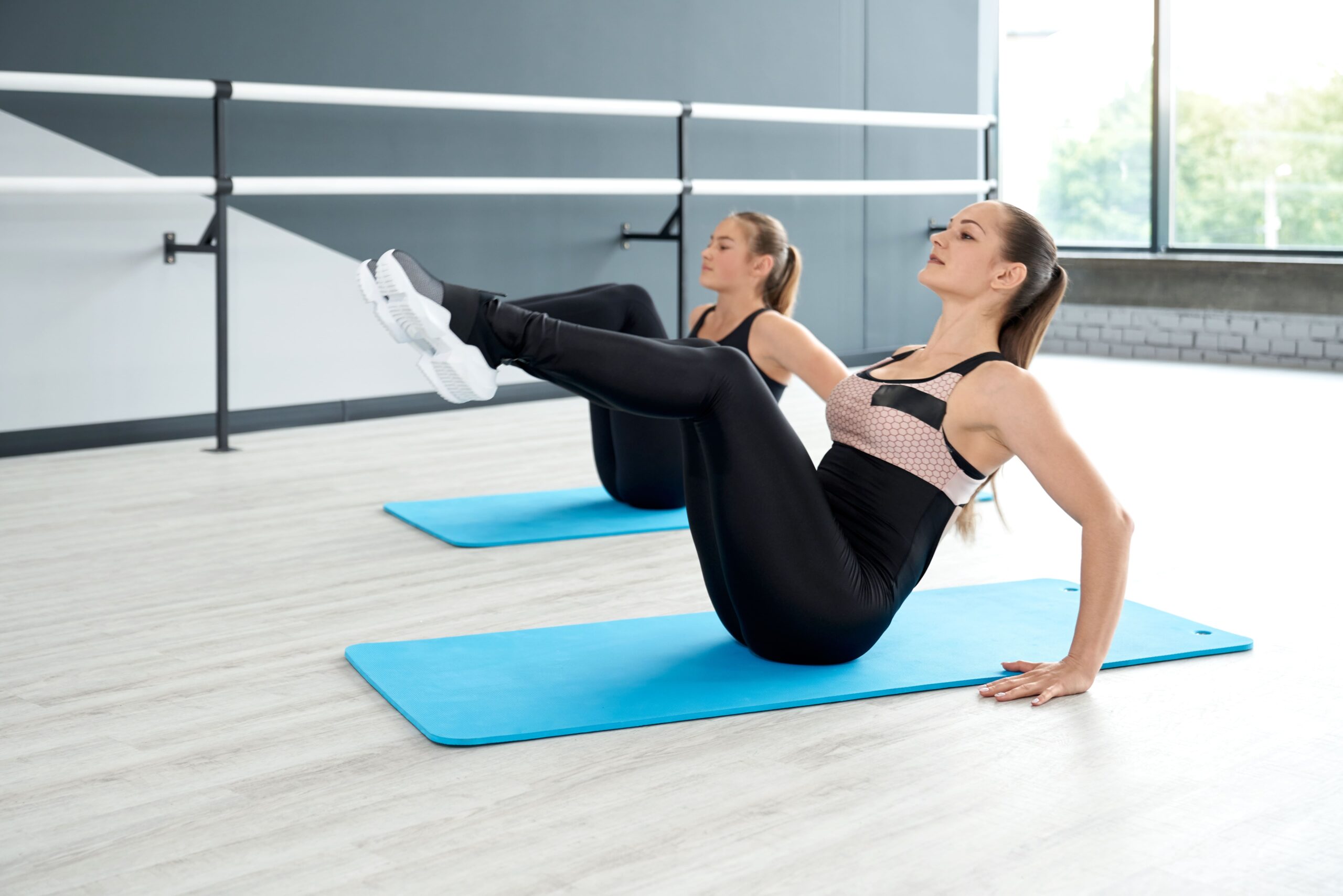 Most people think of the core as just the abs. But the true deep core is a team of muscles working together, including:
-
Transverse Abdominis (TVA): The deepest abdominal muscle, acting like a corset.
-
Pelvic Floor: A sling of muscles at the base of the pelvis, crucial for control and stability.
-
Multifidus: Deep spinal muscles that stabilize individual vertebrae.
-
Diaphragm: Your primary breathing muscle, essential for pressure control.
-
Obliques (internal and external): Twisting, rotating, and bracing the trunk.
These muscles support nearly every movement—from lifting a bag of groceries to running a sprint. But they’re often under-activated, especially in our sit-heavy modern lives.
The good news? You can wake them up. And once you do, your entire body works better.
Why Deep Core Focus Matters More Than Crunches
Traditional ab workouts often target the rectus abdominis, the superficial “six-pack” muscle. While it’s fine to train that muscle, it doesn’t offer the same support or functionality as deep core training.
Here’s what deep core work can help you achieve:
-
Improved posture and spinal alignment
-
Lower risk of injury in daily life and exercise
-
Flatter appearance of the belly, thanks to TVA engagement
-
More efficient, diaphragmatic breathing
-
Increased balance and body control
When you sculpt from the inside out, the surface muscles naturally follow suit—toned, functional, and supported.
Want more Pilates that targets your midsection without strain? Check out our Mat Pilates Videos, designed for all levels.
Key Principles in Deep Core Sculpting Sequences
Effective core training in Pilates isn’t about how much you do, but how you do it. These principles guide every sequence:
-
Breath before movement: Exhale to engage the core before initiating action.
-
Pelvic stability: Minimize wobble to isolate the right muscles.
-
Slow, deliberate motion: Quality over quantity.
-
Neutral spine awareness: Avoid excessive tucking or arching.
-
Mind-body connection: Focus is everything.
By applying these consistently, you transform simple exercises into deep, sculpting challenges. Make sure to check out: 40 Min Full Body Pilates Sculpt
Deep Core Pilates Sculpting Sequence (20–30 Minutes)
Here’s a powerful routine to target your deep core, no equipment required.
1. Supine 90-90 Breathing & TVA Activation (3 mins)
Lie on your back, knees at 90 degrees above hips. Inhale into your ribs, then exhale slowly, drawing the navel toward the spine and lifting the pelvic floor. Repeat slowly, focusing on breath control.
2. Heel Slides (2–3 mins)
 Keep knees bent. Inhale, then exhale and slide one heel out while keeping the pelvis still. Alternate sides, keeping TVA engaged the entire time.
3. Dead Bug with Arm/Leg Reach (3–4 mins)
Lift arms and legs to 90°. Exhale to lower opposite arm and leg, keeping the spine neutral. Move slowly, keeping the core tight.
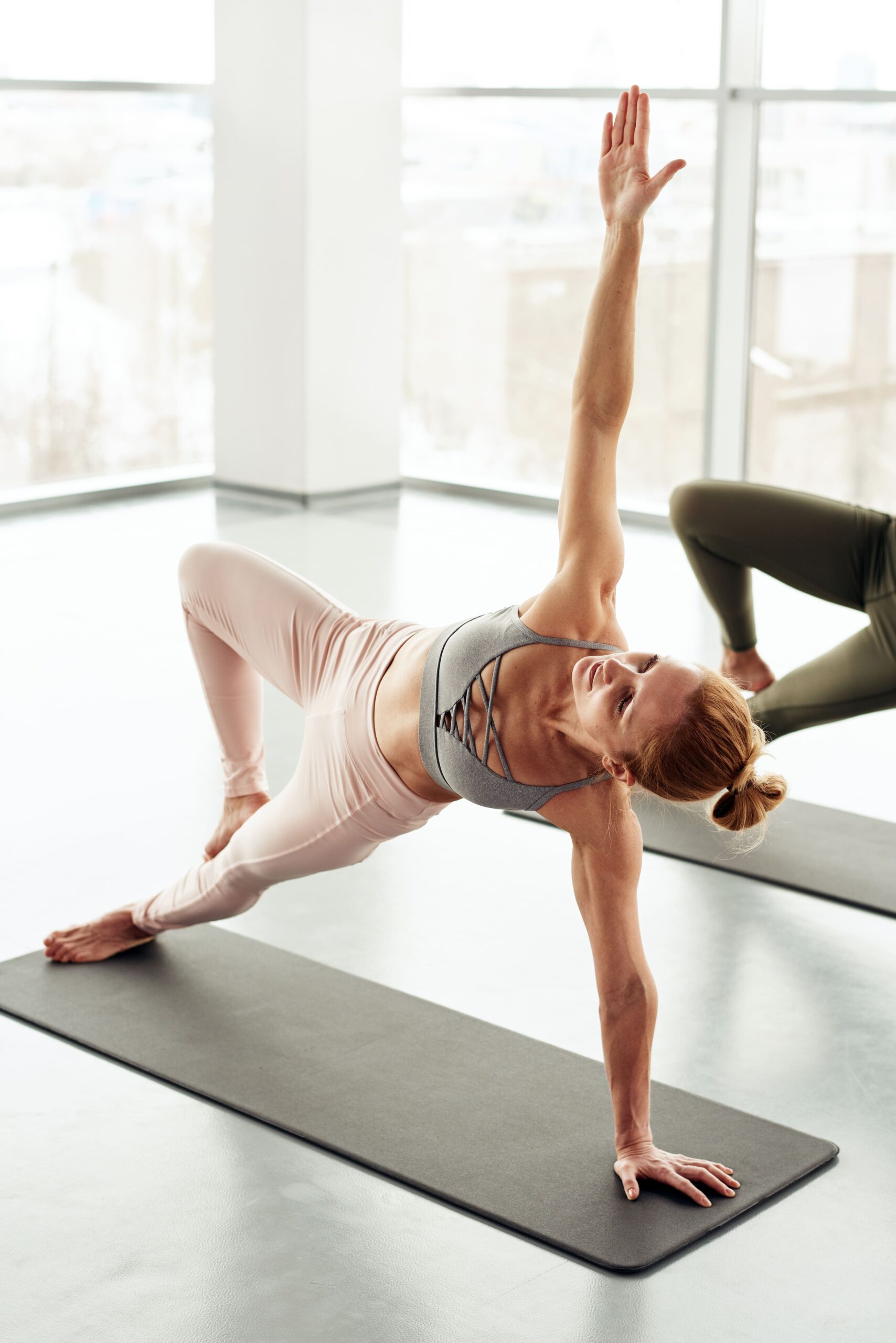
4. Modified Side Plank with Thread the Needle (3 mins)
From a knee-supported side plank, rotate under the torso with your top arm, then open back up. Strengthens the obliques and shoulder stabilizers.
5. Bridge March (3 mins)
In a glute bridge, lift one leg at a time without letting the hips shift. Challenges both glutes and deep stabilizers.
6. Toe Taps with Crunch Hold (3 mins)
With knees in tabletop and head lifted, tap toes gently to the mat, keeping rib-to-hip connection and low back grounded.
7. Forearm Plank with Leg Reach (2–3 mins)
Hold a forearm plank. Slowly reach one leg back at a time, keeping hips stable. Focus on control, not height.
8. Spinal Articulation Cooldown (3–5 mins)
Finish with gentle roll-ups and cat-cow stretches to realign and release the spine.
This sequence is easily scalable. Beginners can keep knees down or work smaller ranges. Advanced movers can add light ankle weights or a Pilates ball between the thighs for more challenge.
Common Mistakes to Avoid in Core Work
Even experienced movers fall into these traps:
-
Holding the breath: This creates tension, not strength.
-
Tucking the pelvis too much: Leads to poor spinal mechanics.
-
Rushing the moves: Momentum takes over, core gets lazy.
-
Forgetting the pelvic floor: This is a vital part of deep core strength, especially for women postpartum or anyone with back issues.
Focus on less but better. Just a few reps done with intention can outperform dozens done without focus.
Curious how this applies to specific groups? See our Pilates for Special Populations guide to learn how deep core work benefits postpartum recovery, athletes, and those with chronic pain.
Who Should Prioritize Deep Core Training?
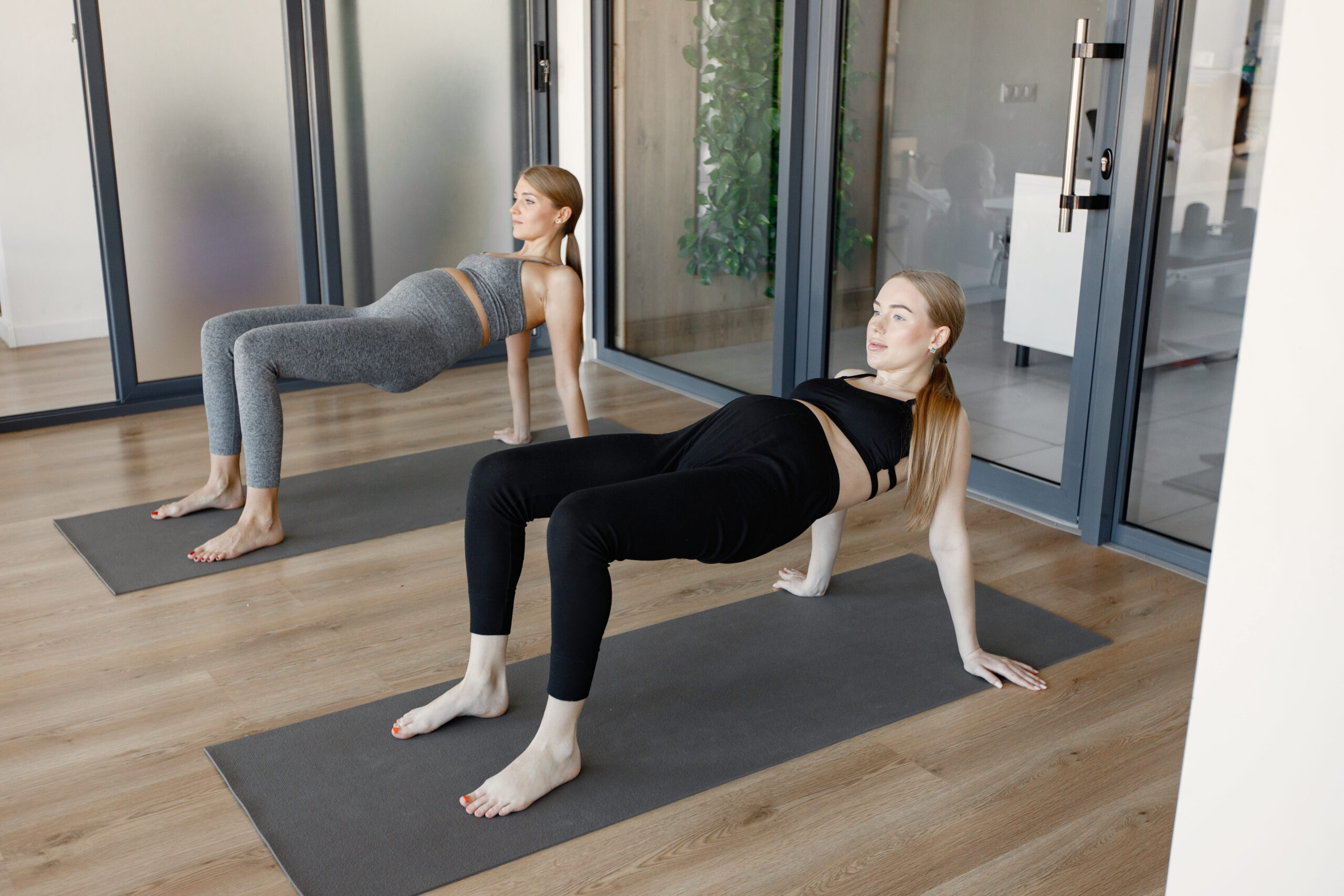 The answer? Almost everyone. But especially:
-
Postpartum individuals: To rebuild abdominal and pelvic floor function
-
Desk workers: To reverse the effects of slouching and sedentary habits
-
Athletes: For better power transfer and movement control
-
Older adults: To improve balance, prevent falls, and maintain core strength
-
Anyone with back pain: As part of a supportive routine to improve alignment
When the deep core is strong, the rest of the body has a solid foundation.
FAQs
How often should I train deep core muscles?
Aim for 3–4 times per week. Because these muscles support posture and movement, they benefit from consistent, lower-impact activation rather than intense overload.
Is it okay to train core every day?
Yes, especially if you vary the intensity and include restorative sequences. Deep core training is more about activation and endurance than strain.
Can deep core exercises help flatten my stomach?
Yes. Activating the transverse abdominis (TVA) pulls the belly inward, supporting a flatter appearance. It also helps posture, which further improves how your body looks and feels.
How long before I see results?
Most people feel the difference within 2 weeks of consistent practice—improved posture, less back tension, and more core control. Visible results follow with consistency and proper form.
What’s the difference between deep core and “regular” core workouts?
Deep core work emphasizes breath, stabilization, and internal activation, while many mainstream workouts focus on outer muscles and dynamic movement. Both are useful, but deep core creates the foundation.
When your core is strong from the inside out, everything gets easier—movement, posture, breath, and even confidence. These sculpting sequences don’t just build strength; they build connection. So slow down, breathe deep, and build a body that supports you in every way.