When people think of “core,” they often picture six-pack abs or crunch-heavy workouts. But true core stabilityruns much deeper. It’s what keeps you upright, balanced, and injury-free in both movement and stillness. And few tools are as effective for building deep, functional core control as the Pilates Reformer.
In this guide, we explore how Reformer Pilates videos can help you develop lasting core strength, what exercises target this area most effectively, and how to structure a smart, progression-based routine that supports your posture, performance, and daily life.
What Is Core Stability?
 Core stability is more than just strength — it’s your body’s ability to maintain alignment and control through dynamic or static movement.
Core stability involves:
- Deep abdominal muscles (transverse abdominis, obliques)
- Spinal stabilizers (multifidus, erector spinae)
- Pelvic floor muscles
- Glutes and hip stabilizers
- Diaphragm and breath coordination
When these muscles work in sync, they support the spine, absorb force, and maintain posture.
Why the Reformer Is Ideal for Core Stability
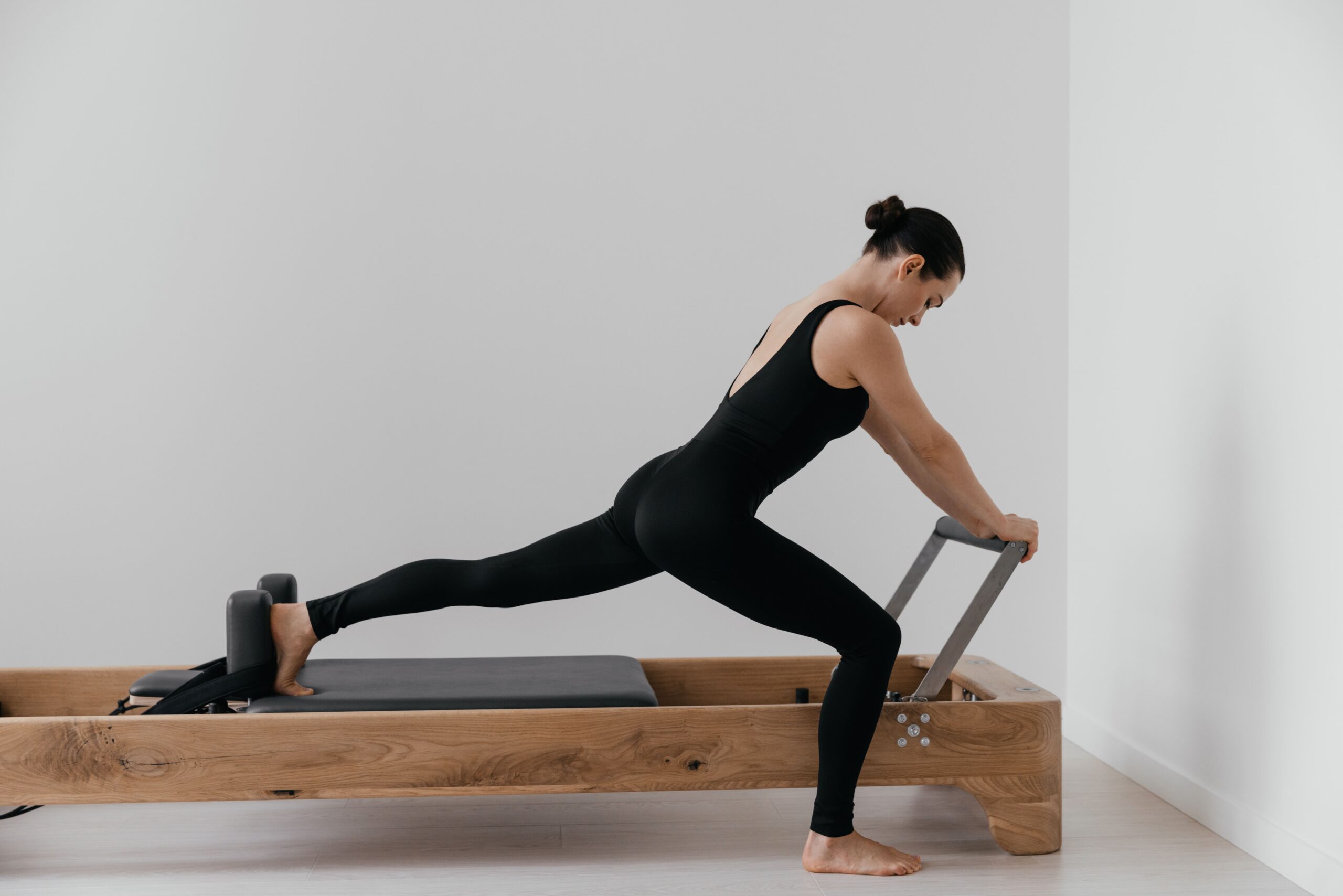
The Reformer is one of the most effective tools for training the core because of its:
🔹 Moving Carriage
Requires constant stabilization from the abdominals and back.
🔹 Adjustable Resistance
Springs create feedback and challenge in every phase of motion.
🔹 Strap Systems
Using feet or hands in straps targets the core through controlled range of motion.
🔹 Instability
Standing, kneeling, and side-lying positions challenge balance and spinal control.
How Core-Focused Reformer Videos Are Structured
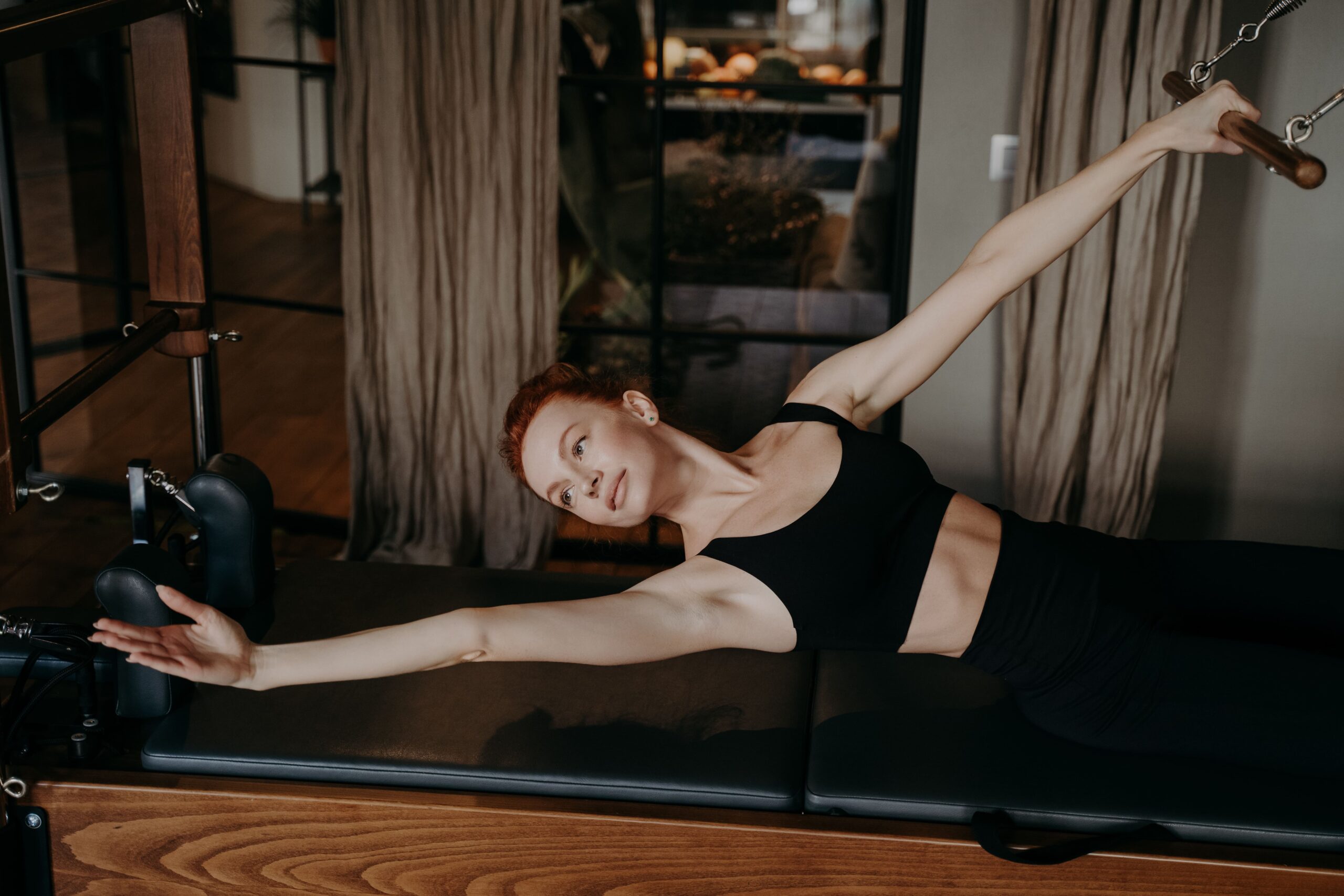 Core-based Reformer classes are available in durations from 15 to 45 minutes and usually include:
✅ Warm-up with breath and spinal mobility
✅ Deep abdominal activation (often with straps or planks)
✅ Dynamic movement with controlled resistance
✅ Functional core integration (twists, oblique work)
✅ Cooldown to release hip flexors and lower back
These videos are excellent as standalone sessions or to pair with strength and flexibility routines.
Key Reformer Exercises That Build Core Stability
🧱 Knee Stretch Series
Focus: Deep abdominals, spinal control
- Kneeling with hands on footbar
- Carriage moves back and forth using lower abs
💡 A classic Reformer burner that wakes up the entire core.
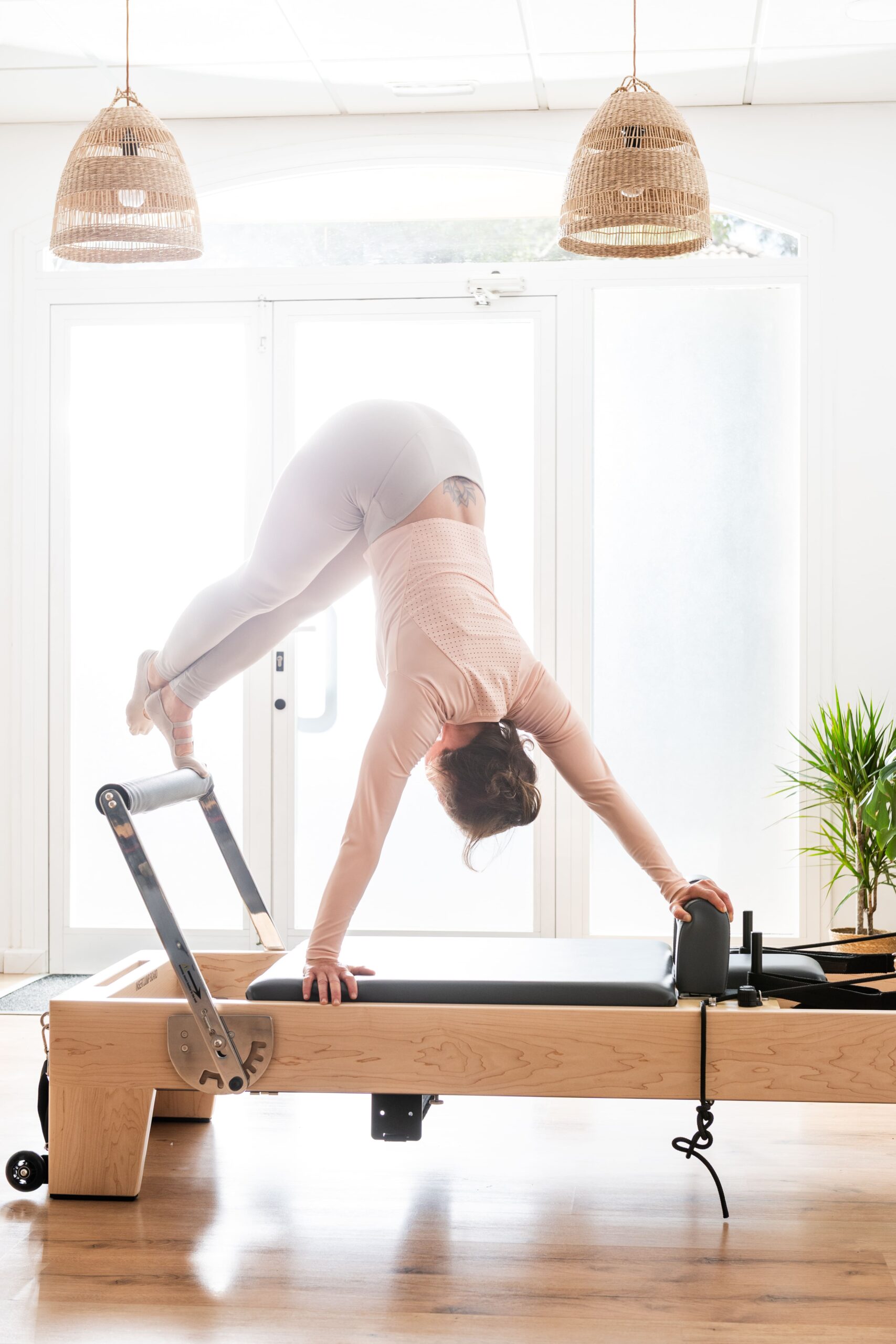 🪢 Plank to Pike on the Carriage
Focus: Core strength, shoulder stability, flexibility
- Plank position with feet on carriage
- Exhale to lift hips into pike, inhale to return to plank
💡 Requires precise breath control and scapular engagement.
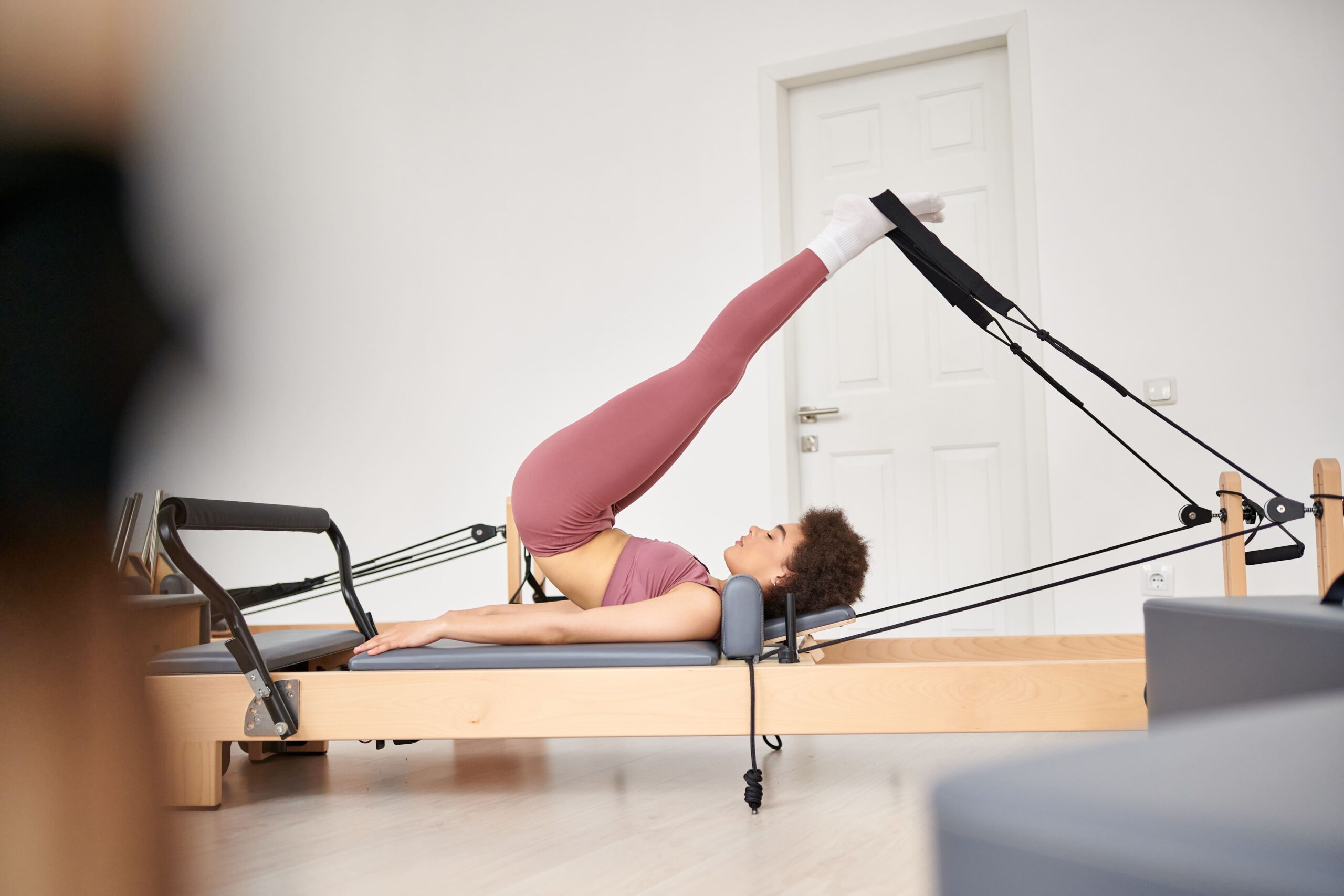
🧘 Feet in Straps – Short Spine Stretch
Focus: Deep core, spine articulation
- Lying down, feet in straps
- Roll up through the spine and down with control
🧍 Reverse Abs (Leg Pull-In)
Focus: Lower abdominals
- Feet on footbar or platform, lying on back
- Exhale to draw knees in, keeping spine neutral
🌀 Oblique Twists (Hands in Straps or Kneeling)
Focus: Rotational core strength
- Use long box or kneeling platform
- Pull straps or twist torso in resistance-based movement
🪶 Dead Bug (with Straps or Box Support)
Focus: Core + limb coordination
- Arms and legs move in opposition while core stays engaged
- Can be done supine or supported by long box
Sample Reformer Core Routine (30 Minutes)
| Time | Exercise |
| 0–5 min | Breathing + Pelvic Tilt |
| 5–10 min | Knee Stretch Series |
| 10–15 min | Plank to Pike Flow |
| 15–20 min | Short Spine Stretch (Feet in Straps) |
| 20–25 min | Oblique Twists + Box Work |
| 25–30 min | Supine Dead Bug + Cooldown |
💡 Repeat 2–3 times per week for noticeable gains in control and posture.
Benefits of Core-Centered Reformer Work
- Improved posture and spinal alignment
- Reduced back pain and injury risk
- Stronger, leaner midsection
- Enhanced athletic performance
- Better breath and movement coordination
- Increased control in every Reformer sequence
Tips for Deepening Core Activation on the Reformer
🔸 Use Exhalation for Effort
 Breathing out on exertion helps engage transverse abdominis.
🔸 Maintain Neutral Spine When Possible
Avoid over-tucking or arching — aim for natural curves and control.
🔸 Adjust Springs Intelligently
Sometimes less resistance creates more core challenge.
🔸 Move Slowly and With Control
Momentum cheats the core. Emphasize precision and feel each phase.
🔸 Keep Shoulders and Neck Relaxed
Avoid gripping in the upper body — this often signals compensation.
More Reformer Pilates Videos
➡️ Home Reformer Workouts
➡️ Reformer for Beginners
➡️ Everything you Need to Know
FAQs: Reformer for Core Stability
- Will these routines help flatten my stomach?
They’ll strengthen and stabilize your core muscles — which improves tone and posture. Pair with healthy habits for visible changes.
- Do I need to use light or heavy springs for core work?
Both can work, but lighter springs often increase the challenge by requiring more stability.
- Can core work on the Reformer help with back pain?
Yes, when done properly. Many users find relief from chronic back pain due to improved alignment and muscle balance.
- How often should I do core-specific Reformer sessions?
2–3 times weekly is ideal. Core is engaged in almost every Pilates movement, so daily activation is possible through varied routines.
- Should I feel sore after a core Reformer workout?
You may — especially in deep abdominals or obliques — but sharp pain is a sign to stop or modify.
True core strength isn’t about looking fit — it’s about moving well. With Reformer Pilates videos focused on core stability, you’ll retrain your deepest muscles to support every action, from bending and twisting to lifting and breathing.
The Reformer is your best ally in this process — it demands engagement, teaches control, and offers endless variations to challenge you over time. Start where you are, move with intention, and watch your entire practice — and life — feel more centered and supported.