Owning a Reformer machine at home opens the door to one of the most powerful, versatile, and low-impact forms of exercise available. Whether you’re avoiding crowded studios, saving time, or simply craving more flexibility, home Reformer workouts allow you to experience the full-body benefits of Pilates — without leaving your living room.
In this guide, you’ll learn how to set up your space, choose the right Reformer, follow structured video sessions, and get the most out of every at-home workout.
Why Do Reformer Pilates at Home?
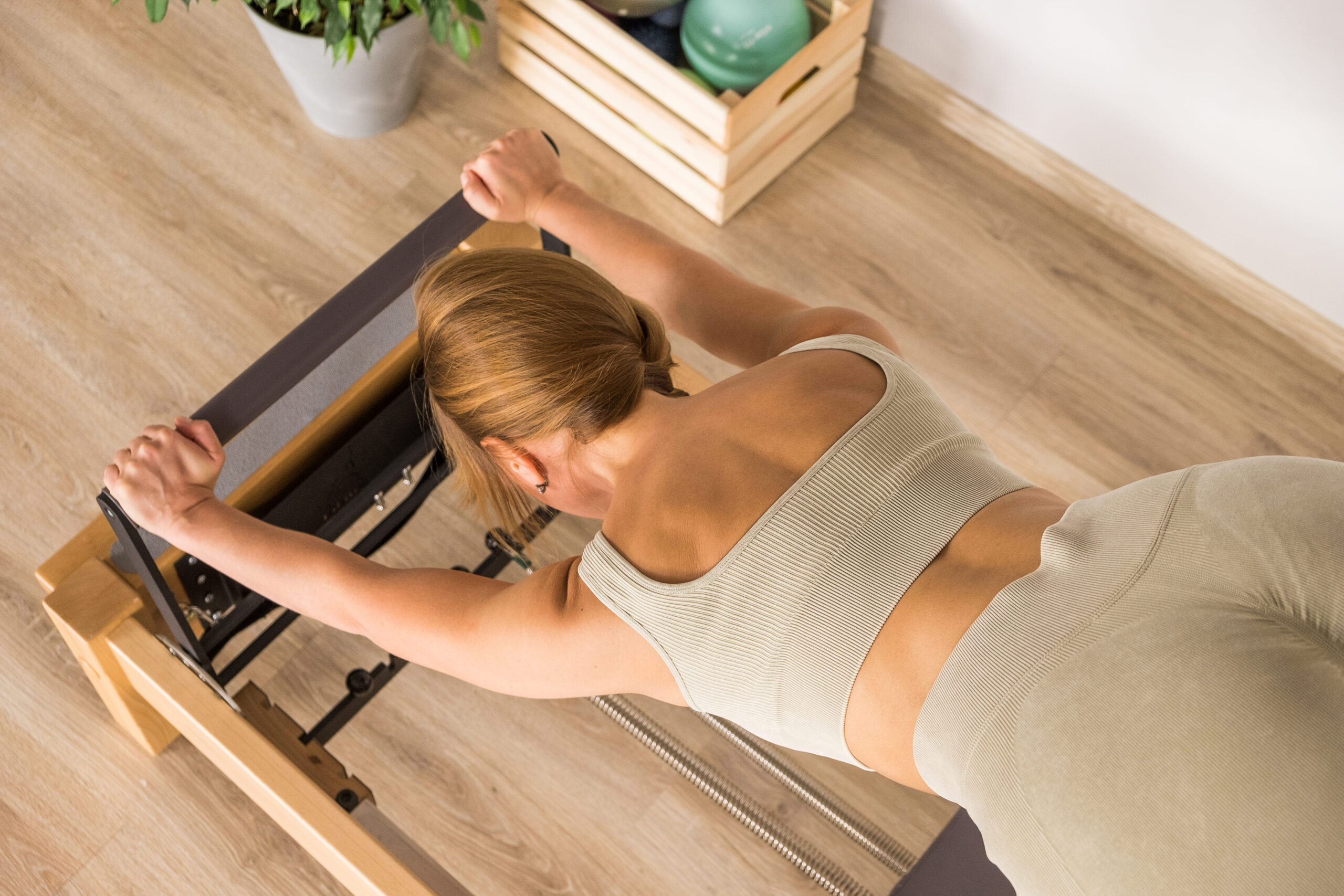 With today’s technology and growing access to expert-led videos, practicing Reformer Pilates at home is more convenient than ever.
Top Benefits:
- Save time (no commute to a studio)
- Practice at your pace (pause, rewind, modify as needed)
- More privacy (ideal for beginners or post-injury clients)
- Daily consistency (you can fit in shorter, more frequent sessions)
- One-time equipment investment instead of class fees
Choosing the Right Home Reformer
Your Reformer doesn’t have to be commercial-grade, but quality matters — especially for safety and durability.
Key Features to Look For:
- Adjustable springs with varied resistance levels
- Smooth carriage glide and secure track system
- Padded shoulder rests and footbar
- Sturdy frame (aluminum or hardwood recommended)
- Size appropriate for your space
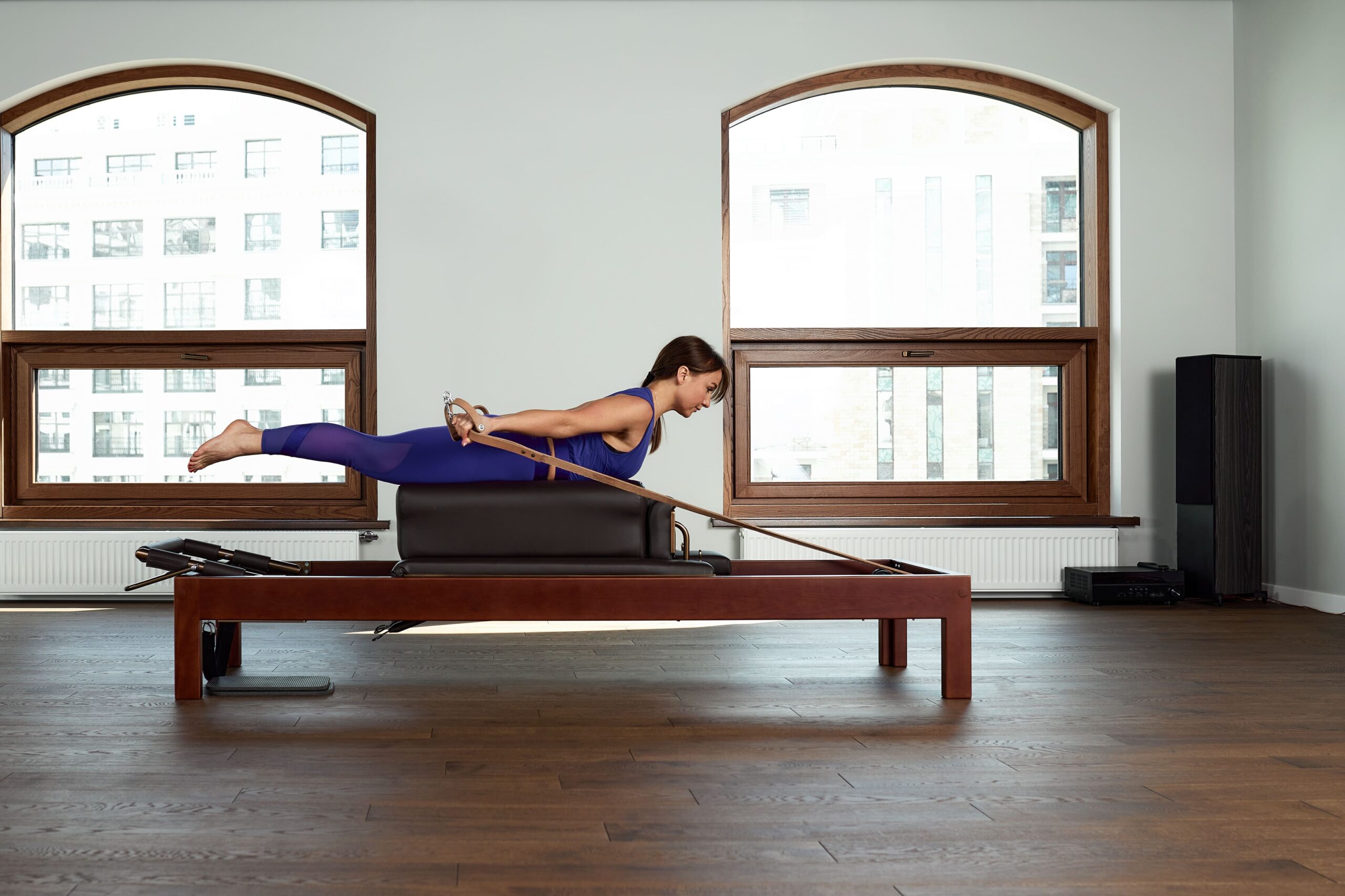 Optional: Jumpboard, box, tower, or rebounder
Recommended Brands:
- Balanced Body
- Merrithew (STOTT)
- AeroPilates (budget-friendly)
- Peak Pilates
Setting Up Your Home Pilates Studio
You don’t need a huge space — just a clear, safe area around your machine.
At-Home Setup Tips:
- Choose a room with natural light or calming atmosphere
- Ensure 3–4 feet of space on either end of the Reformer
- Place your streaming device at eye level
- Keep a mat nearby for off-machine stretching or warmups
- Use a basket or shelf for accessories (box, straps, pillow, towel)
💡 Optional: Add a mirror for visual feedback on alignment.
What to Expect in Home Reformer Video Workouts
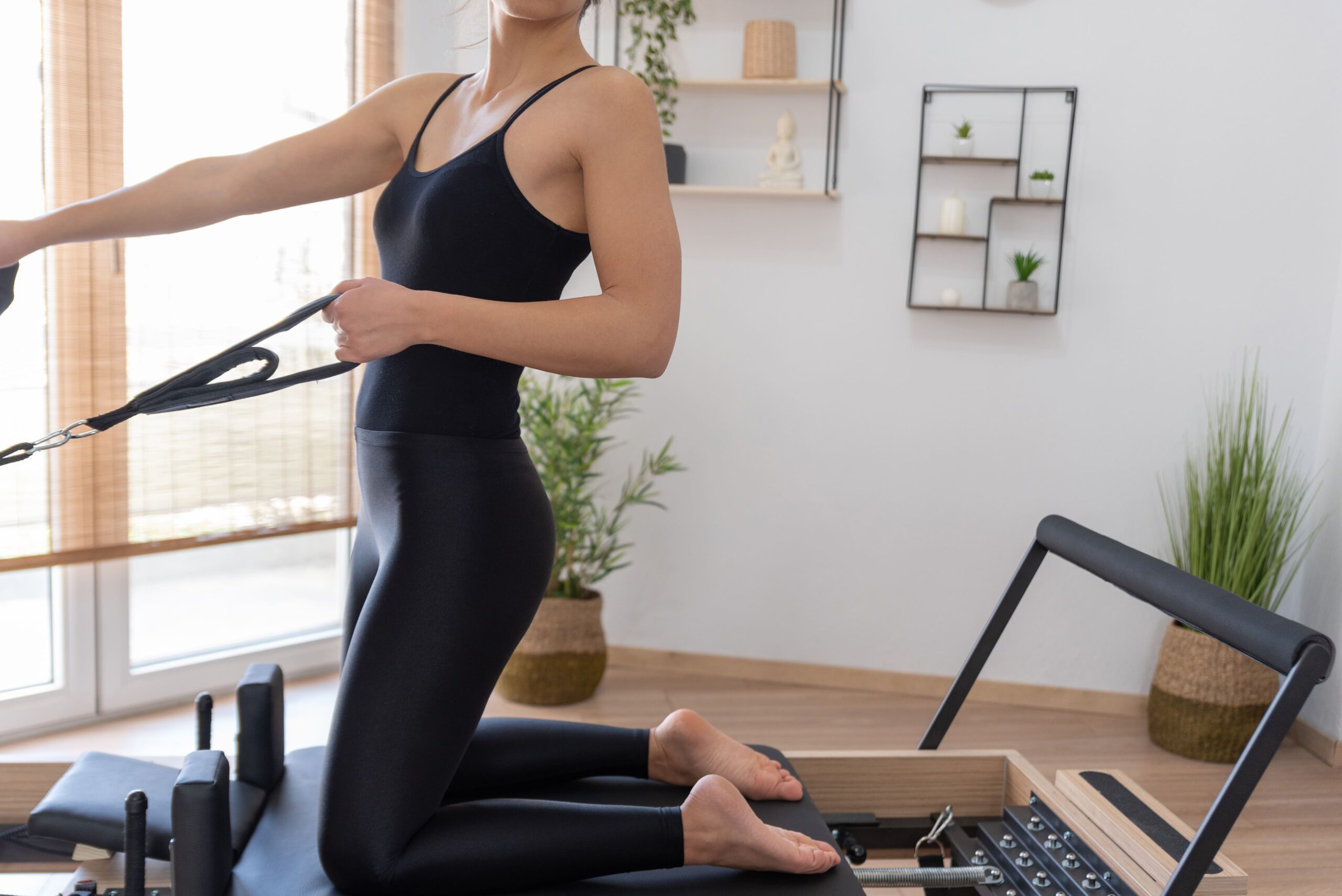 Online classes vary by platform and instructor, but most follow this basic format:
✅ Warm-Up
- Breathwork, pelvic tilt, footwork on the bar
✅ Main Sequence
- Strap work, box exercises, planks, or standing moves
✅ Targeted Focus
- Core, posture, legs, or full-body flow
✅ Cooldown
- Spinal twists, hamstring stretches, hip openers
You’ll find options for all levels, time commitments, and goals — from gentle flows to athletic cardio-reformer workouts.
Structuring Your Weekly Home Routine
Use time-based planning to build consistency and variety into your home workouts.
Sample Weekly Schedule:
| Day | Workout Focus | Duration |
| Monday | Core Stability | 20 min |
| Tuesday | Full Body + Flexibility | 30 min |
| Wednesday | Rest or Gentle Stretch | 10–15 min |
| Thursday | Glutes + Legs | 25 min |
| Friday | Posture & Back Strength | 30 min |
| Saturday | Jumpboard Cardio Reformer | 40 min |
| Sunday | Long Flow & Recovery | 45 min |
💡 Mix instructor styles for fresh perspectives and cueing techniques.
Best Practices for Effective Home Reformer Training
🔸 Follow a Reputable Instructor
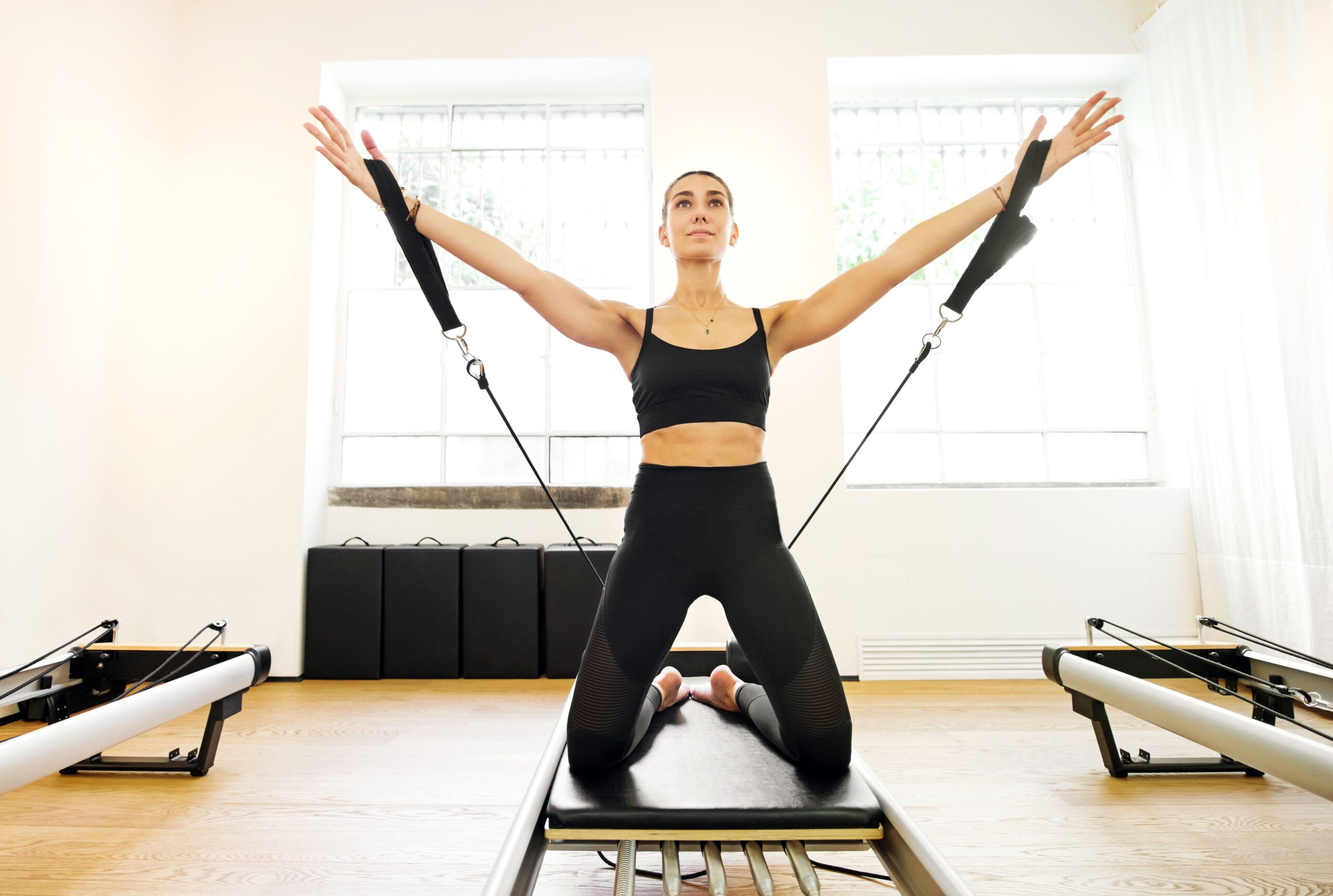 Look for certifications (STOTT, BASI, Balanced Body) and professional teaching experience.
🔸 Prioritize Form Over Fancy Moves
Keep transitions smooth, focus on spinal alignment, and don’t sacrifice control for speed.
🔸 Adjust Spring Settings With Confidence
Lighter springs = more challenge for your core. Heavier springs = more muscle strength. Find what works for each movement.
🔸 Track Your Sessions
Use a journal or app to log your progress, spring settings, and personal notes.
🔸 Warm Up and Cool Down
Skipping either can lead to stiffness or injury, especially during more intense sequences.
Common Mistakes in Home Reformer Workouts
❌ Skipping Setup
A few minutes of prepping your space and machine can prevent distractions or unsafe movement.
❌ Using the Same Video Every Time
Your body adapts — rotate routines and challenge new movement patterns.
❌ Ignoring Transitions
Quick, sloppy transitions can strain the joints. Move with intention, not speed.
❌ Overestimating Your Level
When in doubt, choose the easier option — and master it before progressing.
More Reformer Pilates Videos
➡️ Reformer for Beginners
➡️ Intermediate Reformer Workouts
➡️ More Home Reformer Workouts
FAQs: Home Reformer Workouts
- Can I get the same results at home as in a studio?
Yes — consistency, form, and intelligent video instruction are what matter most. Many home users see betterresults due to daily flexibility.
- How much space do I need for a home Reformer?
A minimum of 7′ x 3′ is ideal, with room around the sides and ends. Folding Reformers are great for small spaces.
- How do I stay motivated without an in-person class?
Follow video programs with progressive goals, join online communities, and schedule sessions in your calendar like appointments.
- Is it safe to learn Reformer Pilates on my own?
Yes — if you start with beginner-level videos, pay attention to form, and don’t push through pain or instability.
- What kind of videos should I start with?
Look for “Home Reformer for Beginners,” “Setup Tutorials,” and short core-focused sessions to build confidence.
Practicing Reformer Pilates at home gives you the freedom to train smarter, move better, and feel stronger — all on your schedule. With the right equipment, video guidance, and structure, your home can become the most empowering Pilates studio you’ve ever trained in.
It’s not about having the perfect setup — it’s about building a practice that fits your life, your goals, and your pace. Roll out the carriage, press play, and let your Reformer do what it does best: support your evolution from the inside out.