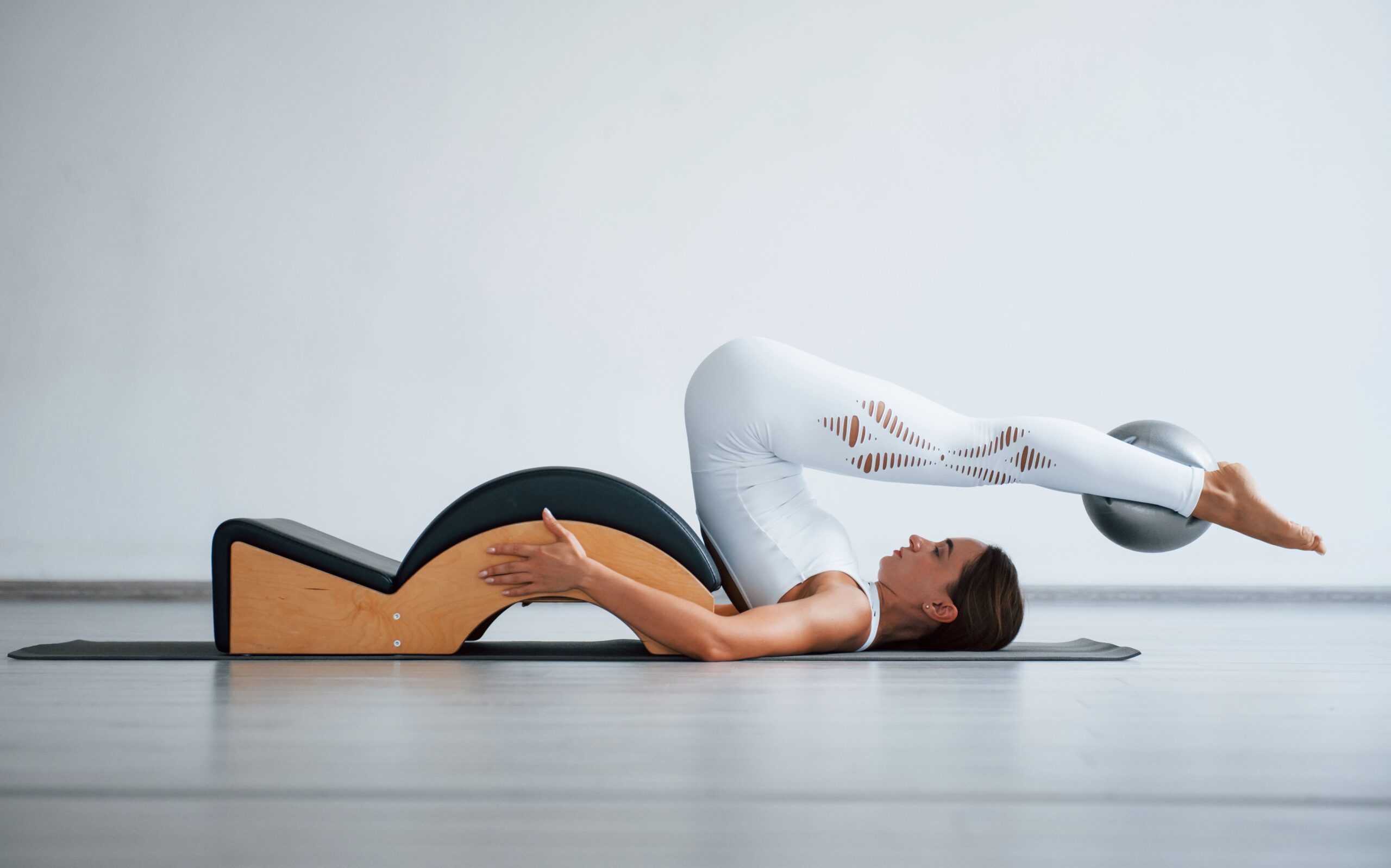
Powerhouse activation is one of the most defining ideas in Pilates, yet it is often misunderstood or oversimplified. Far from being just a cue to “tighten your abs,” the powerhouse refers to a deep, coordinated system of muscles that supports movement, posture, and control. When activated correctly, it acts as the body’s internal support structure, allowing movement to happen efficiently and safely. This is why powerhouse activation is so closely linked to injury prevention, both within Pilates practice and in everyday life.
Injury prevention is not about avoiding movement; it is about moving well. Pilates approaches this by teaching the body how to organize itself from the center outward. When the powerhouse is active, the spine is supported, joints are protected, and forces are distributed evenly. Over time, this reduces strain, improves resilience, and builds confidence in movement.
What Is the Powerhouse in Pilates?
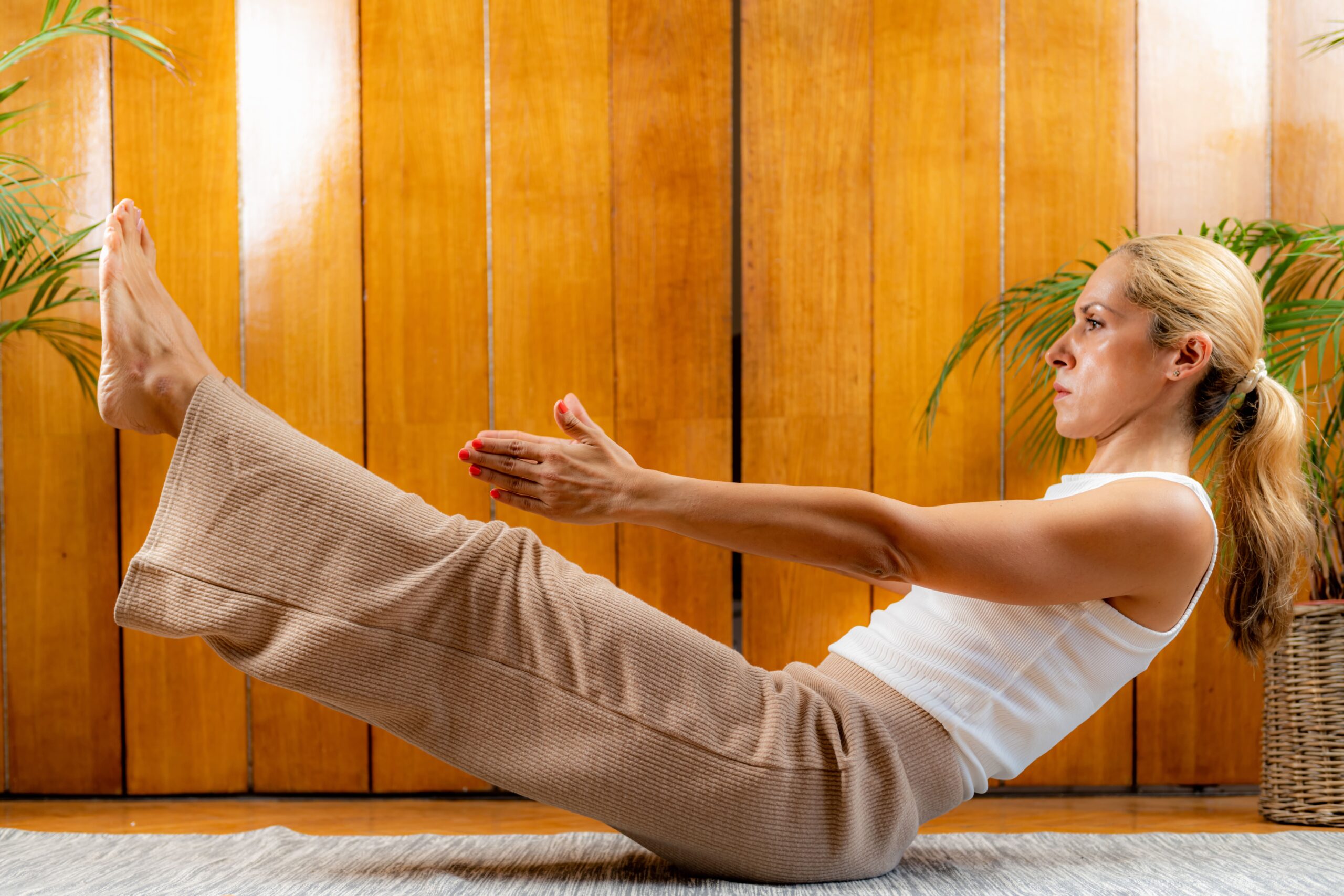 The powerhouse is a term used in Pilates to describe the center of the body, including the deep abdominal muscles, pelvic floor, diaphragm, and muscles that support the spine and hips. Rather than working in isolation, these muscles function as a unit to stabilize and support movement.
Unlike surface-level muscle tension, true powerhouse activation feels subtle yet strong. It is less about gripping and more about gentle, sustained engagement that adapts as the body moves. This internal support allows the limbs to move freely without compromising alignment or control.
Understanding the powerhouse shifts the focus from external appearance to internal function. It emphasizes how movement feels and functions rather than how it looks. Read more: Building Core Strength: Why Your Powerhouse Matters
Why Powerhouse Activation Matters
Every movement places some level of demand on the body. Without proper support, that demand often ends up in vulnerable areas such as the lower back, knees, or shoulders. Powerhouse activation helps redirect load to stronger, more capable structures.
When the center is engaged, the spine is better supported during bending, twisting, lifting, and reaching. This reduces excessive compression or shearing forces that can contribute to discomfort or injury over time.
Powerhouse activation also improves efficiency. Movements require less effort when the body is organized well, which helps prevent fatigue-related breakdown in form.
The Connection Between the Powerhouse and Injury Prevention
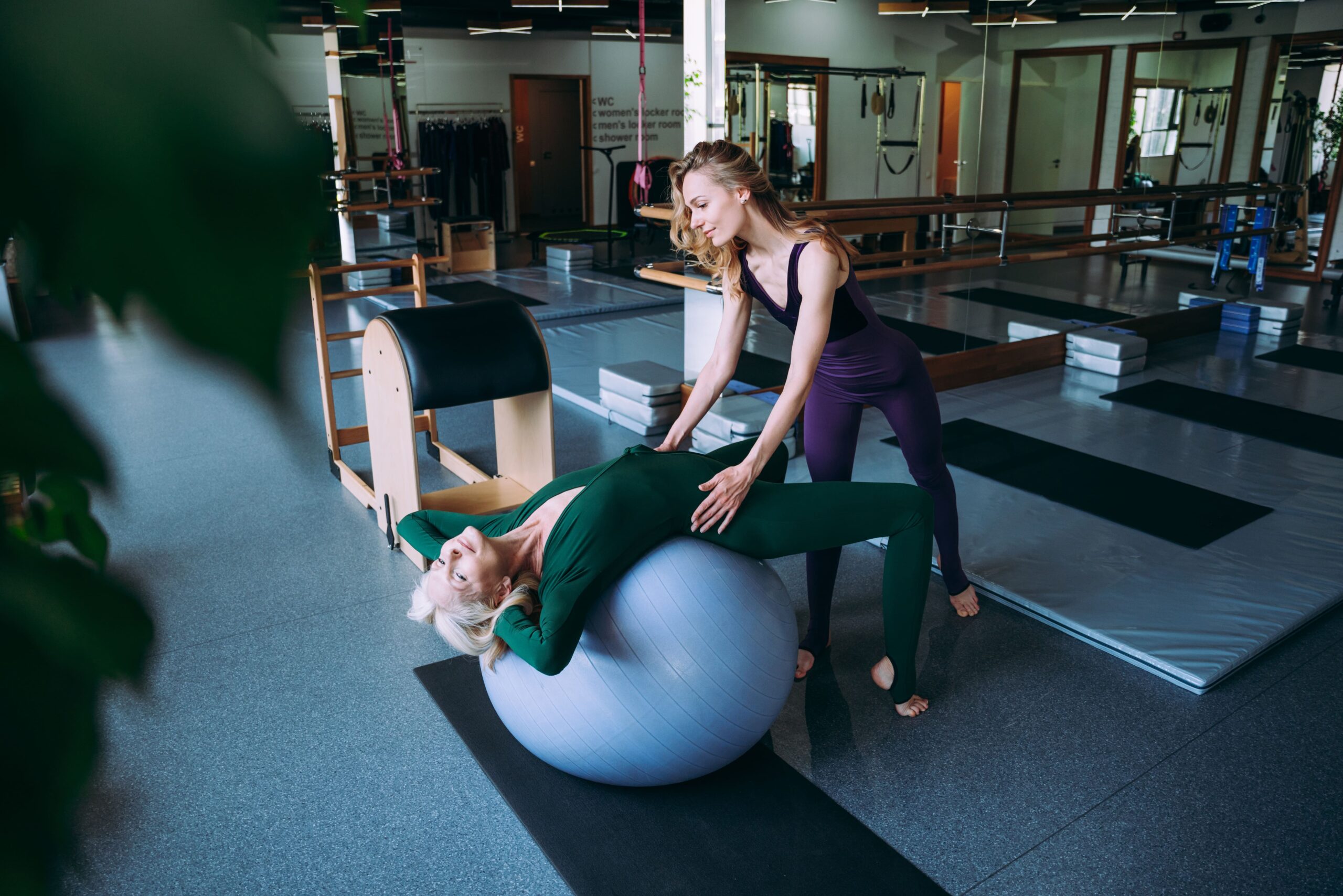 Injury prevention in Pilates is proactive rather than reactive. Instead of waiting for pain to appear, the practice focuses on building support and awareness that reduce risk in the first place.
A well-activated powerhouse stabilizes the pelvis and spine, creating a strong base for movement. This stability allows joints to move through their intended ranges without compensation.
For example, when lifting the arms, an engaged powerhouse helps prevent excessive arching in the lower back. When stepping or squatting, it supports balanced load through the hips and knees. These small adjustments add up, protecting the body over time.
Common Causes of Movement-Related Injuries
Many injuries are not caused by a single event, but by repeated patterns of poor movement. Lack of core support, uneven load distribution, and habitual tension all contribute.
When the powerhouse is inactive or inconsistently engaged, the body often relies on passive structures such as ligaments or joints for support. Over time, this can lead to irritation, inflammation, or strain.
Pilates addresses these issues by retraining how movement begins and flows, starting from the center rather than the extremities.
How to Recognize Effective Powerhouse Activation
Effective powerhouse activation does not feel like holding your breath or bracing rigidly. Instead, it feels supportive, responsive, and sustainable.
You may notice a sense of lift through the center, stability around the pelvis, and ease in the limbs. Breathing should remain steady, and tension in the neck or shoulders should be minimal.
If movement feels smoother and more controlled with less effort, it is often a sign that the powerhouse is doing its job.
Breath as a Tool for Activation
 Breath is inseparable from powerhouse activation. The diaphragm works in coordination with the abdominal and pelvic floor muscles, creating pressure management within the torso.
Exhalation often helps initiate activation by gently drawing the abdominal wall inward. Inhalation then expands the rib cage while maintaining support through the center.
This rhythmic relationship between breath and movement allows the powerhouse to respond dynamically rather than remaining static.
Powerhouse Activation in Daily Activities
The principles of powerhouse activation extend far beyond the Pilates mat. Everyday activities such as lifting groceries, standing up from a chair, or reaching overhead all benefit from central support.
When the powerhouse engages before and during these movements, the body handles load more efficiently. This reduces strain and increases confidence in daily tasks.
Over time, this awareness becomes habitual, turning injury prevention into a natural part of movement rather than a conscious effort.
Adapting Powerhouse Work for Different Bodies
Every body activates the powerhouse slightly differently based on structure, experience, and movement history. Pilates respects these differences and encourages exploration rather than rigid rules.
Some people may need to focus more on pelvic stability, while others benefit from improving rib cage alignment or breath control. Modifications and cues help tailor activation to individual needs.
This adaptability makes powerhouse work accessible to a wide range of people, including beginners, older adults, and those returning from injury.
Common Mistakes That Reduce Effectiveness
One common mistake is over-bracing, where muscles are held too tightly. This restricts movement and breath, often leading to fatigue or tension elsewhere.
Another issue is focusing only on surface muscles. True powerhouse activation involves deeper layers that support movement quietly and continuously.
Finally, neglecting alignment can undermine activation. If the rib cage, pelvis, and spine are poorly organized, even strong muscles may struggle to provide effective support.
Integrating Powerhouse Activation Into Practice
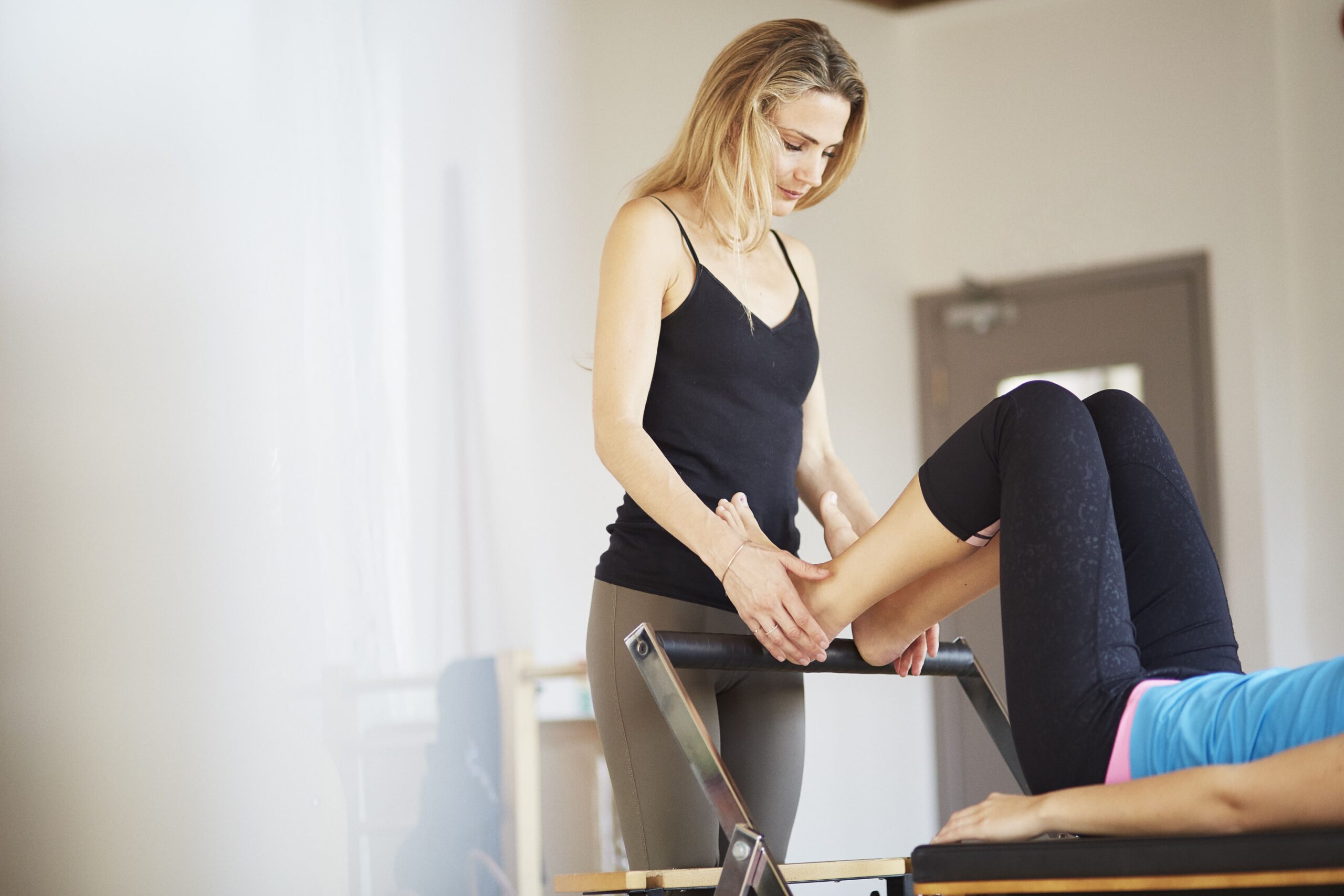 Powerhouse activation is not a separate step added onto movement; it is woven into every exercise. Pilates encourages activating the center before moving and maintaining that support throughout transitions.
This integration becomes clearer with guided practice. Many foundational sessions emphasize slow, deliberate movements that allow time to feel and refine activation. These sessions often highlight how small adjustments can make a significant difference in comfort and control.
As practice progresses, activation becomes more automatic, supporting both simple and complex movements.
Long-Term Benefits for Injury Prevention
Consistent powerhouse activation builds resilience. Muscles learn to respond appropriately to load, joints move more freely, and coordination improves.
Over time, this reduces the likelihood of overuse injuries and supports recovery from existing issues. Many people also report improved posture, balance, and overall movement confidence.
Rather than avoiding movement out of fear, the body feels capable and supported, which is one of the most powerful forms of injury prevention.
Building Trust in the Body
One often overlooked benefit of powerhouse activation is psychological. When movement feels supported and controlled, trust in the body grows.
This trust encourages exploration, consistency, and a more positive relationship with exercise. Pilates uses this approach to empower rather than restrict.
Powerhouse activation becomes not just a physical skill, but a foundation for confident, sustainable movement.
FAQs
Is powerhouse activation the same as tightening the abs?
No. Powerhouse activation involves deep, coordinated muscle engagement rather than surface-level tension or rigid tightening.
Can powerhouse activation help prevent back injuries?
Yes. By supporting the spine and improving load distribution, proper activation can reduce strain on the lower back.
Should the powerhouse be engaged all the time?
It should be responsive rather than constantly tense. The goal is adaptable support that adjusts to movement and effort.
How long does it take to learn proper activation?
Awareness often develops quickly, but refinement happens over time with consistent practice and guidance.
Can beginners focus on powerhouse activation safely?
Absolutely. Pilates introduces powerhouse concepts gradually, making them accessible and beneficial for beginners.