Reformer Pilates is often associated with sleek machines in beautiful studios—but what if you could take the power of the reformer with you, anywhere? With the rise of portable reformers, home-based Pilates training has become more accessible than ever. Whether you’re traveling, short on space, or simply want to train on your own terms, portable reformer routines offer all the core-strengthening, posture-enhancing benefits of a full-size reformer in a compact and convenient format.
In this guide, we’ll explore what portable reformers are, how they differ from studio equipment, how to build effective routines using them, and why they’re a smart choice for anyone wanting flexibility in their Pilates journey. We’ll also provide movement sequences, setup tips, and highlight how to use portable reformers for specific goals, from strength and flexibility to mobility and recovery.
What Is a Portable Reformer?
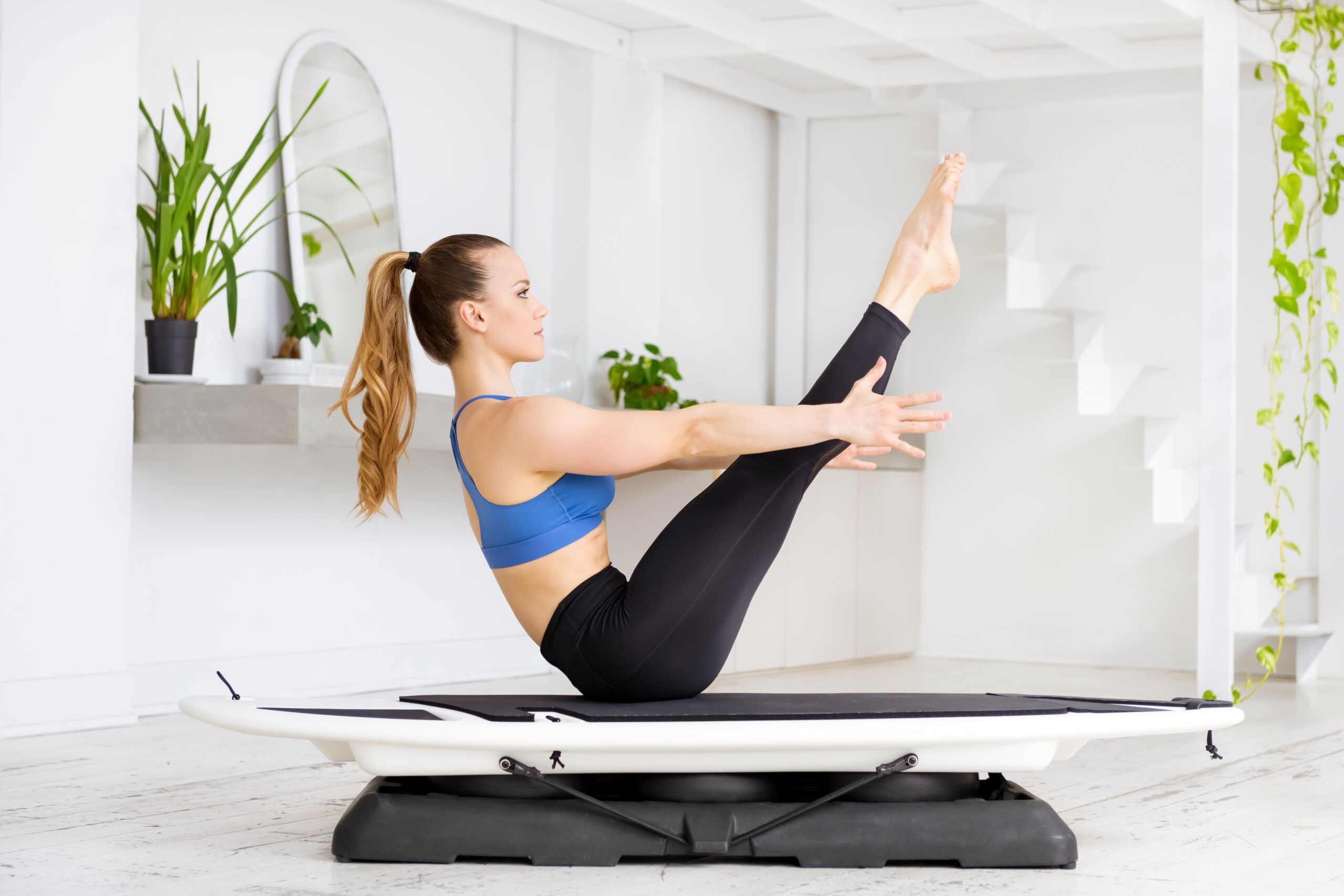 A portable reformer is a lightweight, foldable version of the traditional Pilates reformer. It may look different from the sturdy machines you find in professional studios, but it provides a surprisingly similar experience—just with some modifications.
Common Types:
-
Foldable Reformers: Compact, often with wheels and handles for transport
-
Platform-Based Systems: Resemble sliders with spring resistance cords
-
Resistance Bands + Rails Hybrid: Lightweight frames that mimic carriage movement
-
Travel Reformers: Smaller-scale machines made for limited spaces
Most portable reformers feature:
-
Adjustable spring or band resistance
-
A sliding carriage
-
Basic footbar or anchor system
-
Optional shoulder blocks and straps
They’re ideal for home use, outdoor workouts, or even taking to a park or Airbnb. Many of the Pilates Equipment Videos now available online cater specifically to users with portable reformers, helping them stay consistent no matter where they are.
Benefits of Using a Portable Reformer
-
Space-saving: Great for small apartments or shared living spaces
-
Travel-friendly: Light enough to transport in a car or check on flights
-
Budget-conscious: More affordable than commercial reformers
-
Beginner-accessible: Easier to use and less intimidating
-
Customizable: Suitable for both short and long workouts
A portable reformer is perfect for those committed to their Pilates practice but limited by space, schedule, or studio access.
What to Expect (and Adjust) When Using One
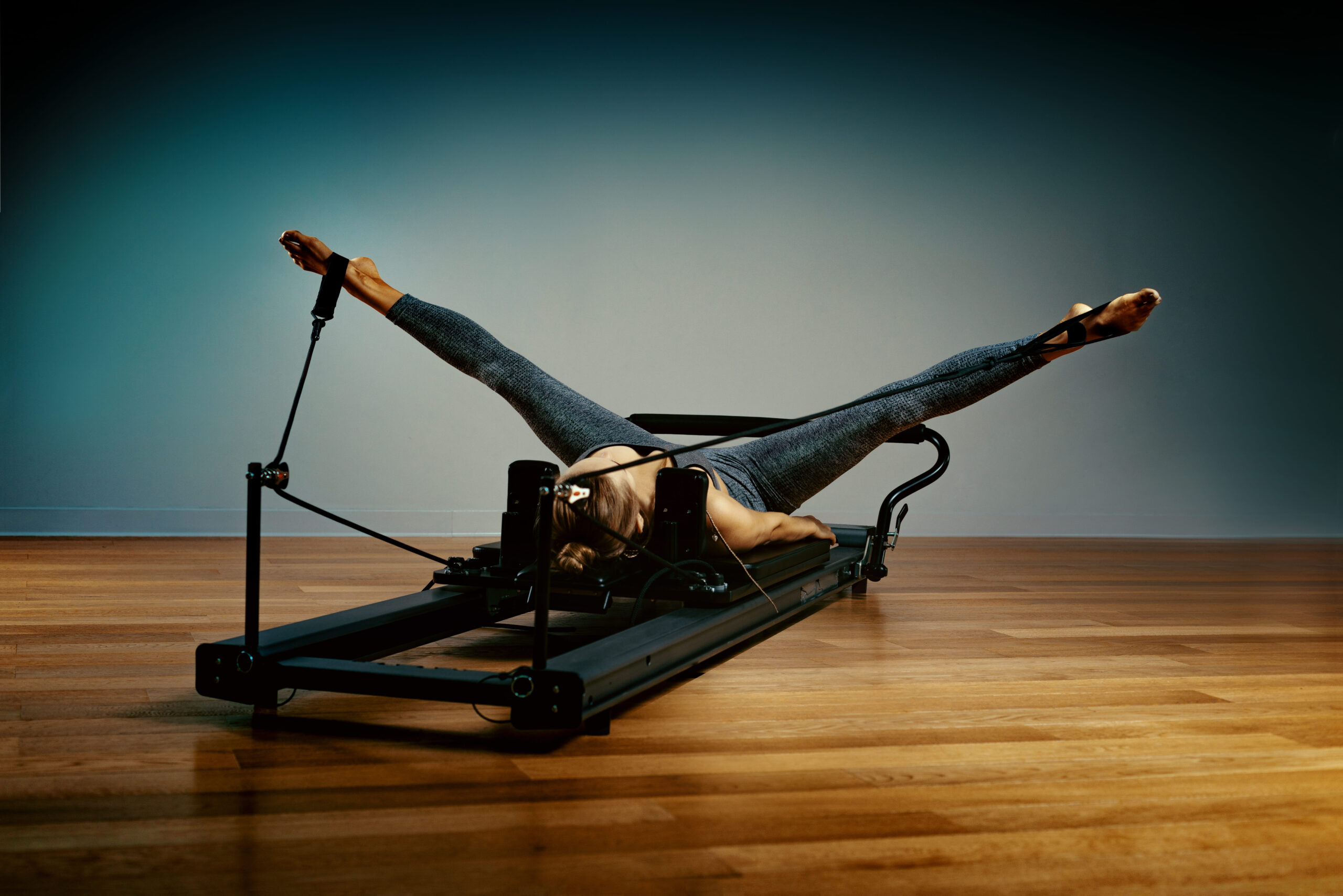 While the basics remain the same, you’ll need to adjust your expectations slightly when transitioning from a full-size reformer to a portable version.
Differences to Consider:
-
Lighter resistance: Often uses bands or cords instead of full-weight springs
-
Smaller range of motion: Less room on the carriage and platform
-
Modified footbar mechanics: May not be height-adjustable
-
Less stability: Requires more core activation and control
These changes can be beneficial, especially for targeting deep stabilizer muscles, which are often overlooked in traditional workouts.
Portable Reformer Routine Ideas
🔹 10-Minute Core + Mobility Flow (Beginner-Friendly)
-
Seated Roll Down – 1 min
-
Footwork (Toes + Heels on Footbar) – 2 min
-
Feet in Straps: Frog + Circles – 3 min
-
Spinal Articulation (Pelvic Tilt to Bridge) – 2 min
-
Hamstring Stretch with Strap Support – 2 min
Ideal for morning routines or a lunch break reset. Focus on breath, alignment, and smooth transitions.
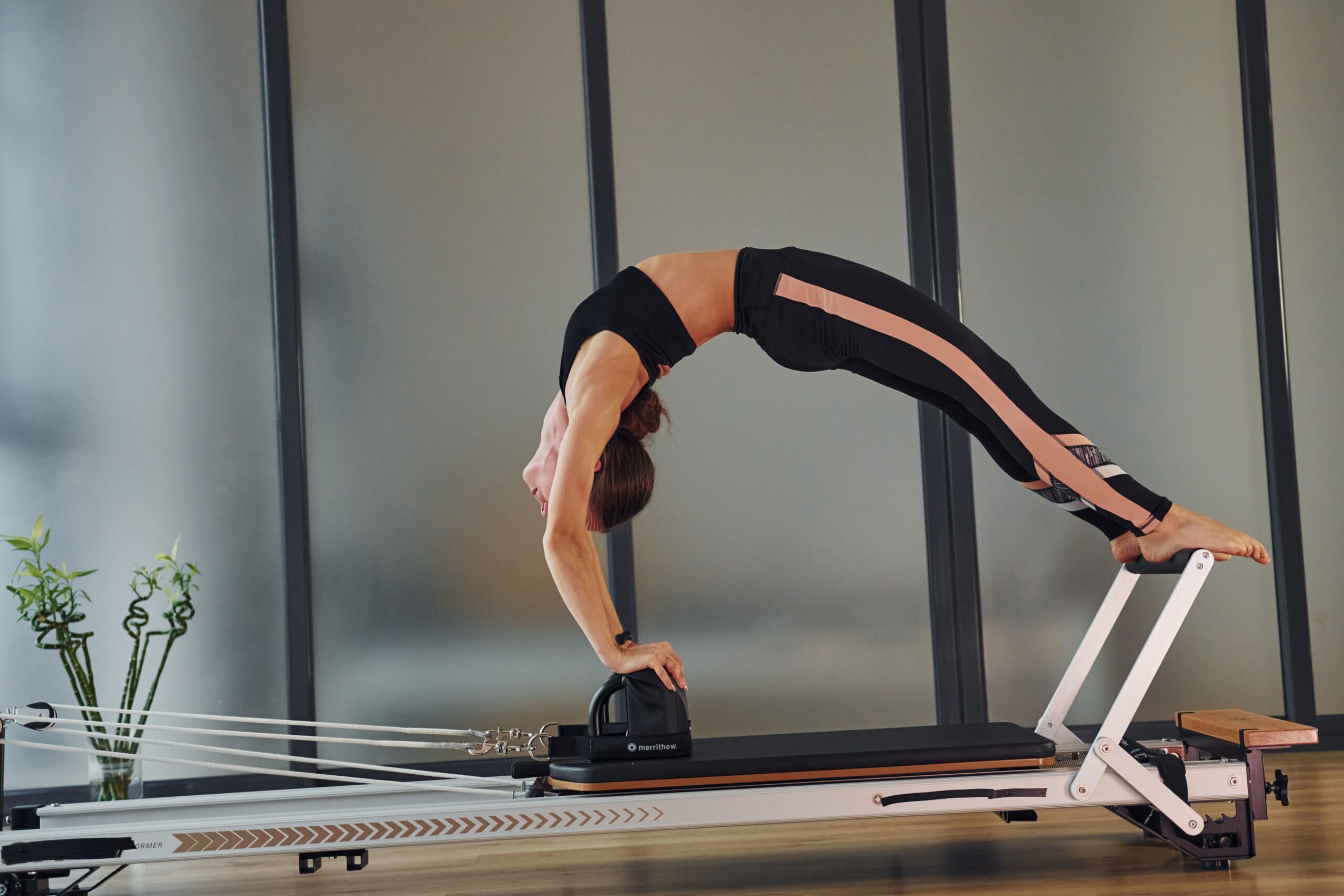 🔹 20-Minute Full Body Burner
-
Plank on Platform – 1 min
-
Arm Work with Straps (Chest Expansion + Rows) – 3 min
-
Standing Lunges on Carriage – 3 min per leg
-
Side-Lying Glute Series (Leg Press + Kickbacks) – 4 min
-
Abdominals in Straps (Short Spine or Tabletop Leg Work) – 4 min
-
Spinal Twist + Shoulder Opener – 2 min
-
Hamstring Stretch & Cool Down – 3 min
This routine simulates studio-level intensity using just a compact reformer. Great for evenings or home workouts when time is limited.
🔹 30-Minute Flow for Strength and Stability
-
Footwork Series (3 Variations) – 4 min
-
Bridging + Pelvic Tilt Sequences – 4 min
-
Feet in Straps Series (Frog, Circles, Short Spine) – 5 min
-
Kneeling Arms in Straps (Triceps + Shoulder Press) – 4 min
-
Side Plank with Strap Pulls – 3 min per side
-
Lunges on Platform (Front Foot on Carriage) – 3 min
-
Tree Stretch + Rotation – 4 min
-
Roll Down + Cool Down Stretch – 3 min
A fantastic option when you want a full-body experience, but can’t make it to a studio.
Tips for Success with Portable Reformers
-
Always check alignment: Without studio mirrors, use your phone camera or a mirror to self-correct form
-
Anchor securely: If using resistance bands, double-check that they’re attached properly before starting
-
Go slower: Smaller equipment means you’ll need to emphasize control over momentum
-
Breathe intentionally: The reduced stability of portable systems makes breath engagement even more critical
-
Use accessories: Add a small ball, ankle weights, or yoga block for variation
Who Should Use Portable Reformers?
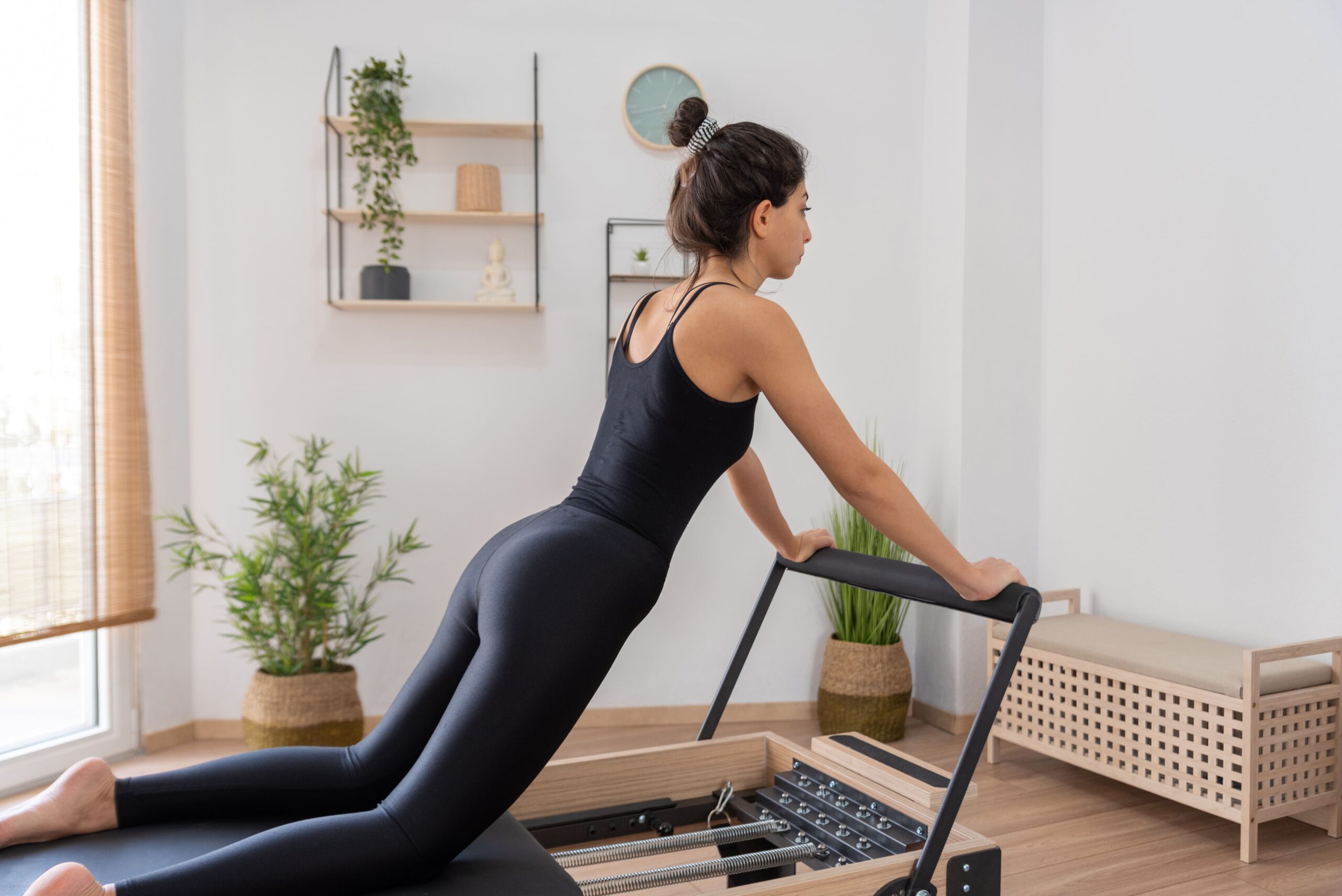 Portable reformers are suitable for:
-
Beginners seeking convenience and confidence before joining group classes
-
Frequent travelers who want to stay consistent
-
At-home exercisers with limited space
-
Pilates instructors filming or teaching remote sessions
-
Rehabilitation clients with reduced mobility or needing gentler equipment
Many Pilates for Special Populations routines—such as prenatal, postnatal, or older adult sessions—translate beautifully to portable reformer formats thanks to their simplicity and control. Check out a recommended video: 10 Min Full Body Reformer At Home
Recommended Movements to Prioritize
When programming your own portable reformer routines, emphasize:
-
Footwork: To warm up and ground the body
-
Feet in Straps: For deep core and hip mobility
-
Glutes & Side-Lying Sequences: Great for stability and leg strength
-
Upper Body Strap Work: Build strength with minimal load
-
Spinal Articulation: Maintain spine health and breath connection
These elements align perfectly with the goals of Pilates by Duration formats, allowing you to create a flow that fits into 10, 20, or 30-minute blocks based on your day.
FAQs
Are portable reformers as effective as studio reformers?
While they have some limitations, they are highly effective when used correctly. They require more balance and control, which can actually improve body awareness and deep muscle engagement.
Do I need springs or can resistance bands work too?
Both work. Bands are often used in portable models and offer variable tension. Just be sure they’re high quality and securely anchored.
How much space do I need to use a portable reformer?
Most require about 6–7 feet in length and 3 feet in width. They can fold up and slide under a bed or into a closet after use.
Can I do advanced exercises like Snake & Twist on a portable reformer?
Some movements may need modification due to the lighter weight and reduced stability. However, many advanced users find ways to adapt creatively using props and breath control.
Where can I find portable reformer classes?
Look for Pilates Equipment Videos on YouTube, specialized Pilates apps, or online instructors who offer specific programming for home equipment.
Whether you’re practicing in a small studio apartment, a hotel room, or your backyard patio, portable reformer routinesoffer the freedom to move, strengthen, and stretch—anywhere, anytime. By embracing these mobile tools, you can keep your Pilates practice consistent, creative, and deeply personal, no matter where life takes you.