Blending Pilates with High‑Intensity Interval Training (HIIT) creates an energizing fusion workout that chisels strength, improves cardiovascular fitness, and builds lean endurance — all while prioritizing quality movement and alignment. Pilates + HIIT fusion videos effectively bridge low‑impact control with high‑effort bursts, making them ideal for people who want both core integrity and metabolic challenge.
This page explains what Pilates + HIIT fusion is, why it works, how to follow guided videos safely, sample workout structures, and FAQs to help you integrate this style effectively.
🌀 What Is Pilates + HIIT Fusion?
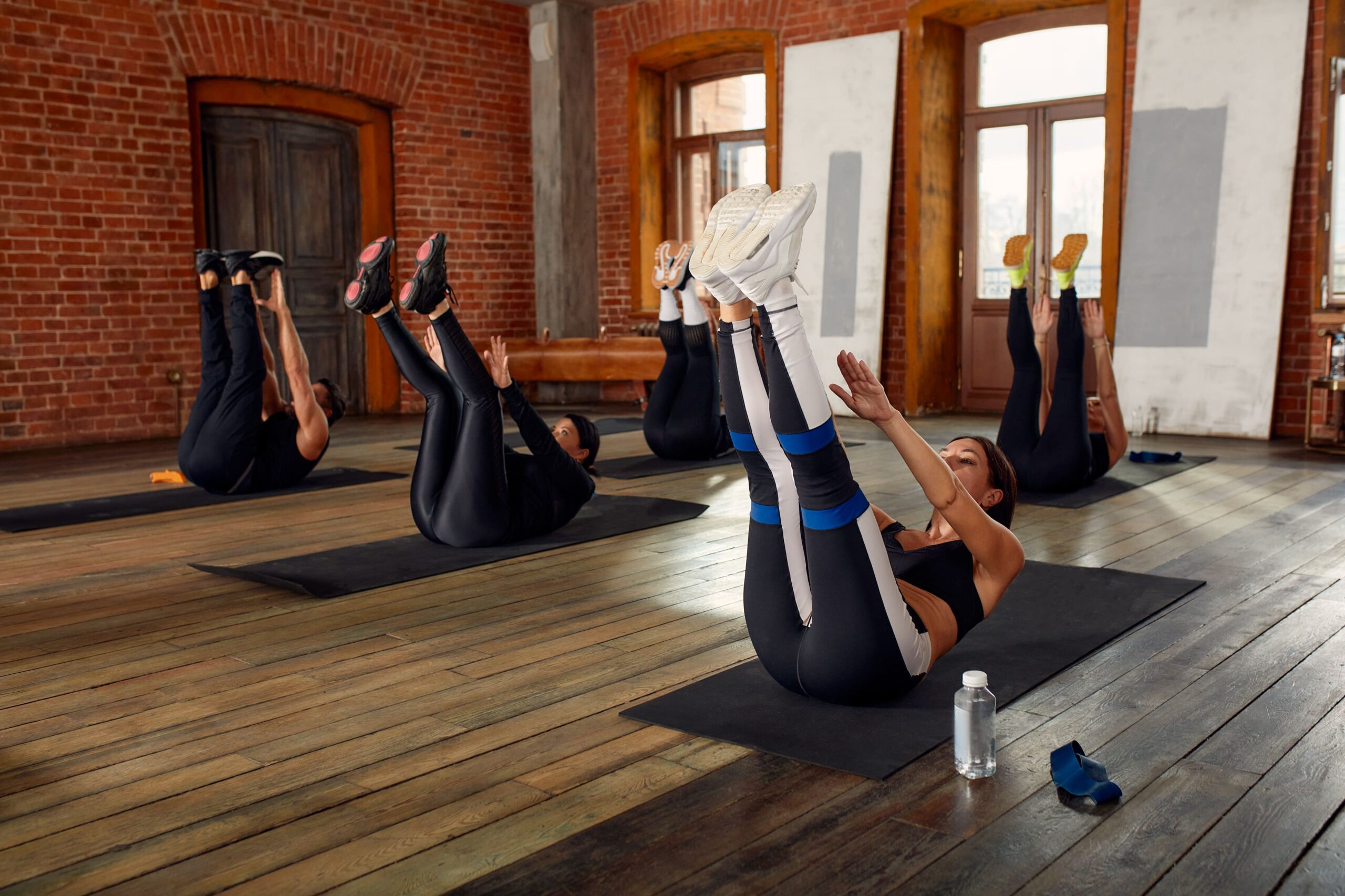 Pilates + HIIT fusion combines the deliberate, controlled movement of Pilates with the short, intense bursts of cardiovascular effort endemic to HIIT. Unlike traditional HIIT workouts that often emphasize speed and repetition without alignment focus, Pilates + HIIT fusion emphasizes:
- Controlled movement with core engagement
- Interval‑based bursts (work + rest cycles)
- Functional strength plus aerobic capacity
- Breath awareness synchronized with effort
In fusion videos, you’ll alternate between short, intense intervals (e.g., 30–60 seconds) and safer, alignment‑focused Pilates recovery movements — keeping both form and heart rate in mind.
💡 Why Pilates + HIIT Works So Well
✔ Burns More Calories, Faster
HIIT elevates your heart rate and metabolic demand — even after your workout ends — while Pilates brings structured movement quality.
✔ Builds Strength + Endurance
Pilates optimizes movement mechanics; HIIT challenges muscular and cardiovascular endurance.
✔ Preserves Muscle & Improves Definition
Pilates emphasizes core and stabilizer work which supports lean muscle creation without bulk.
✔ Time‑Efficient
You get strength, cardio, and core work in one session — perfect for busy schedules.
✔ Enhanced Movement Awareness
Pilates cues improve form during high‑intensity work — reducing injury risk.
🧠 What to Expect in Pilates + HIIT Fusion Videos
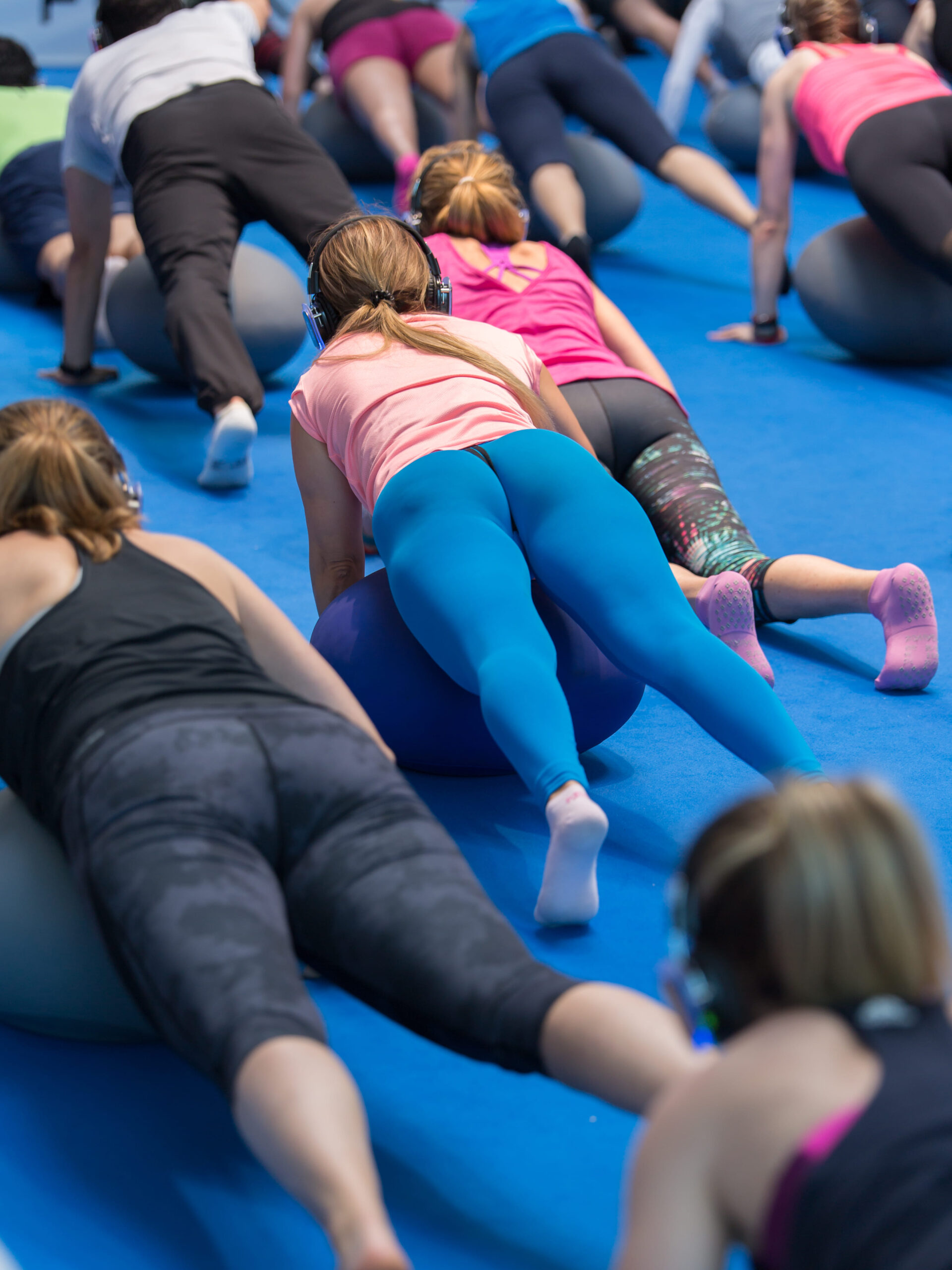 Fusion videos typically follow an interval structure:
- Warm‑Up (3–5 min)
• Joint mobility
• Breath prep
• Gentle Pilates movement - HIIT Intervals (8–15 min)
• 30–60 sec effort blocks
• 15–30 sec recovery
• Repeated sequences - Pilates Recovery Flow (5–10 min)
• Core stabilization
• Alignment resets
• Stretching or breath work - Cool‑Down (5 min)
• Gentle Pilates movements
• Deep breathing for recovery
Keep an eye out for videos labeled as “Pilates + HIIT,” “Cardio Pilates,” “Pilates Interval Training,” or “Strength + HIIT Pilates.”
📹 How to Use Guided Videos Safely
✔ Focus on Form Before Speed
Even during fast intervals, quality trumps quantity.
✔ Choose Reputable Instructors
Prefer teachers with Pilates certification, HIIT training experience, or both.
✔ Progress Gradually
If you’re new to HIIT, begin with shorter intervals (20–30 sec) before increasing.
✔ Warm Up & Cool Down
Never skip the warm‑up — dynamic mobility reduces strain. Finish with breath‑focused Pilates stretches.
✔ Modify When Needed
Most quality videos include easier options or regressions — use them!
🔥 Sample Pilates + HIIT Intervals
Here’s how the work–rest cycles might look in a fusion video:
| Interval Set | Work | Rest/Recovery |
| Block 1 | High‑Knee March + Core Pulse (45s) | Pilates breathing + slow roll (15s) |
| Block 2 | Jumping (low‑impact or fast taps) (40s) | Standing balance + Pilates reach (20s) |
| Block 3 | Pilates Plank Taps (45s) | Seated breath + pelvic tilt (15s) |
| Block 4 | Side‑to‑Side Lunges (45s) | Gentle spine rolls (15s) |
Adjust times depending on fitness level and video pacing.
🔁 Sample Pilates + HIIT Fusion Workouts
Below are two ready‑to‑follow templates you can use when choosing or organizing guided video sequences.
⭐ Beginner Pilates + HIIT Workout (20 Minutes)
| Time | Segment |
| 0–3 min | Warm‑Up: Breath, spine rolls, hip mobility |
| 3–7 min | HIIT Block 1: Marching in Place + Core Pulses |
| 7–9 min | Pilates Recovery: Seated pelvic tilt + breath |
| 9–13 min | HIIT Block 2: Side steps + low knee lifts |
| 13–15 min | Pilates Recovery: Cat‑Cow + gentle stretch |
| 15–18 min | HIIT Block 3: Plank shoulder taps (knees if needed) |
| 18–20 min | Cool‑Down: Child’s pose + breathing |
Focus: Introduce intensity while preserving alignment and core support.
💪 Intermediate/Advanced Pilates + HIIT (30–35 Minutes)
| Time | Segment |
| 0–5 min | Warm‑Up: Dynamic mobility & breath |
| 5–10 min | HIIT Block 1: Fast feet + Pilates punches |
| 10–12 min | Pilates Recovery: Romana’s Hundred (modified) |
| 12–17 min | HIIT Block 2: Side lunges + glute pulses |
| 17–19 min | Pilates Recovery: Bridge with breath |
| 19–24 min | HIIT Block 3: High knee intervals |
| 24–26 min | Pilates Recovery: Core stability flow |
| 26–30 min | HIIT Block 4 (shorter): Plank climbs |
| 30–35 min | Cool‑Down: Stretch + relaxation |
Focus: Blend moderate‑to‑high intervals with controlled Pilates recovery and strength maintenance.
🧠 Example Exercises & Cues
Blending Pilates precision with HIIT intensity requires mindful execution. Here are popular hybrid moves:
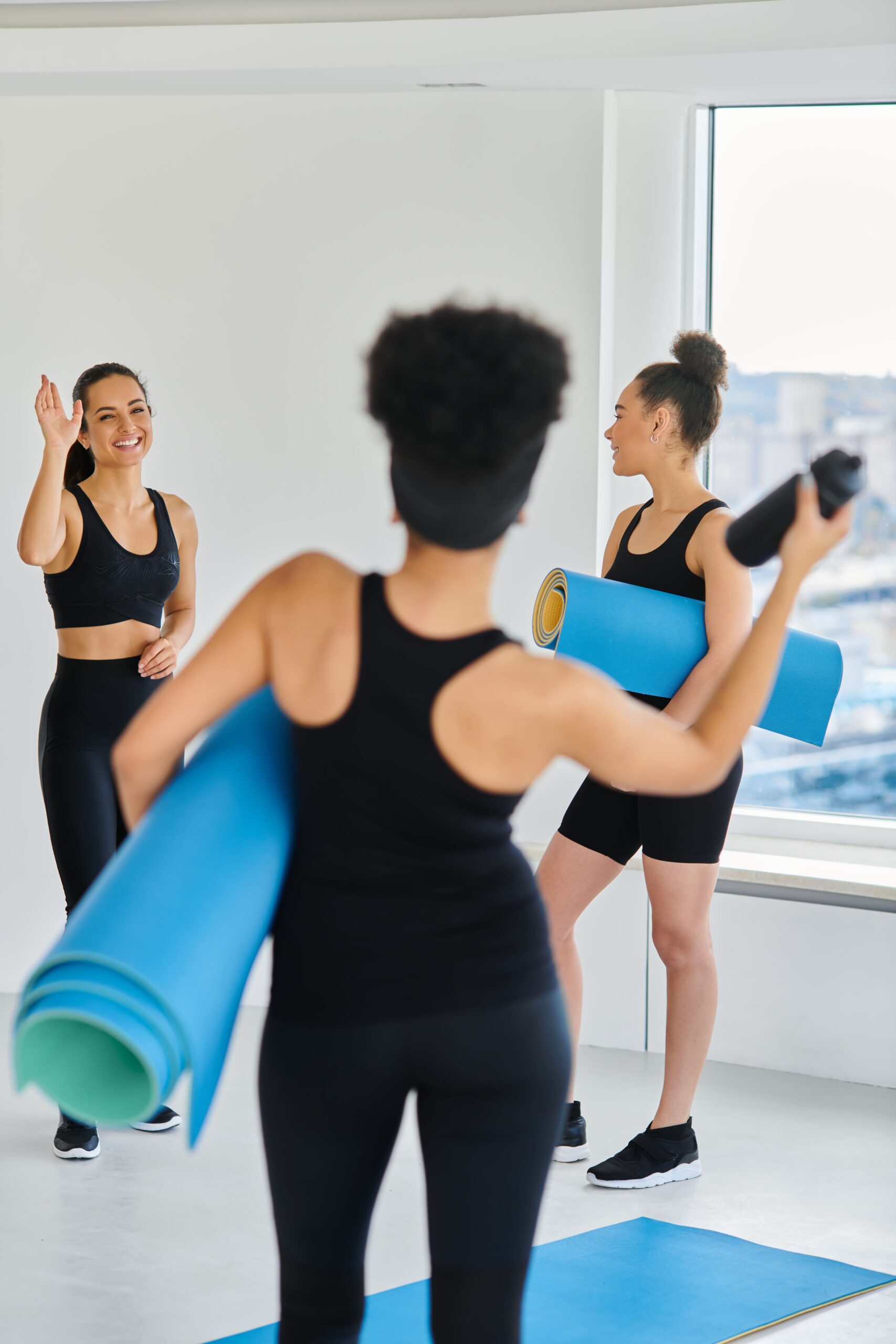 🔹 Pilates Plank with Shoulder Taps
How to do:
• Plank formation (hands under shoulders)
• Tap each shoulder in quick succession
Pilates Cue:
• Keep ribs down, core braced, hips level
HIIT Intensity: 30–45 seconds
🔹 Fast Feet + Pilates Punch
How to do:
• Rapid foot taps in place
• Add slow controlled arm reaches in Pilates style
Pilates Cue:
• Engage transverse abdominis
HIIT Intensity: 30 seconds
🔹 Side‑to‑Side Lunges with Core Pull‑In
How to do:
• Step laterally into a shallow lunge
• Exhale to come to center
Pilates Cue:
• Keep pelvic neutral, ribs down
🔹 Bridge + Rapid Leg Drive
How to do:
• Exhale to lift hips (Pilates alignment)
• Quick leg drive pulses at top
Pilates Cue:
• Activate glutes and avoid lumbar over‑extension
🧠 Progressions & Modifications
Pilates + HIIT fusion can be adjusted to suit different levels:
🔸 Beginner
- Shorter work intervals (20–30s)
- Longer recovery periods
- Reduce amplitude of movement
🔸 Intermediate
- Moderate work intervals (30–45s)
- Shorter recovery
- Add isometric holds in Pilates portion
🔸 Advanced
- Longer work periods (45–60s)
- Minimal recovery
- Add variations (jumps, pulses, multi‑plane movement)
🛠 Equipment That Enhances Pilates + HIIT
Although optional, props can elevate your fusion sessions:
🟡 Resistance Bands
Add tension to lunges, leg lifts, or arm sequences.
🟥 Light Weights (1–3 lbs)
For upper body work during HIIT bursts.
🟦 Pilates Ring
Adds core and inner thigh engagement during recovery phases.
🪑 Chair
Great for assisted balance in standing HIIT moves.
❌ Common Mistakes to Avoid
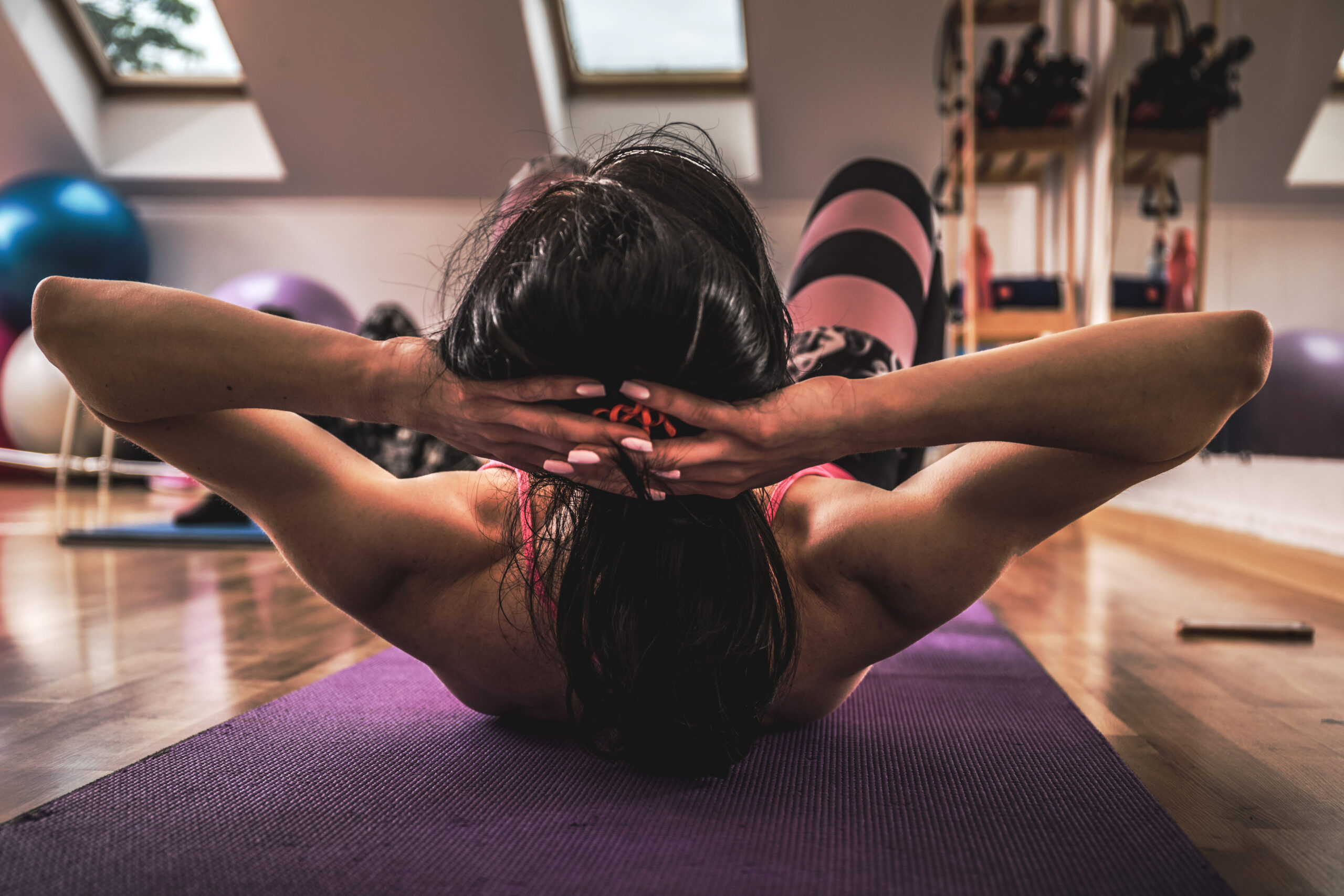 Dropping alignment during intensity
Keep ribs down and core braced even in intense intervals.- Neglecting breath
Use Pilates breath cues: exhale on effort. - Rushing transitions
Even speed work needs control — avoid sloppy movement. - Skipping warm‑up/cool‑down
This increases risk of strain or injury.
Other Fusion Workouts
➡️ Pilates and Dance
➡️ Pilates and Strength Training
➡️ 6 Best Exercises
❓ FAQs: Pilates + HIIT Fusion
- Is Pilates + HIIT safe for beginners?
Yes — choose beginner fusion videos and modify intervals (shorter work, longer rest).
- How often can I do HIIT Pilate fusion?
2–4 times per week is great. Balance with rest or low‑impact days.
- Will this help with fat loss?
Yes — the cardiovascular component boosts calorie burn; core Pilates builds muscle tone.
- Can I follow fusion videos at home?
Absolutely — most only require a mat or minimal equipment.
- Do I need prior Pilates or HIIT experience?
No — just start with beginner‑friendly, well‑cued videos.
Pilates and HIIT fusion workouts offer the best of both worlds: mindful control and muscular precision from Pilates, combined with the metabolic challenge of HIIT. Guided video formats help you stay safe and aligned while pushing your cardiovascular and muscular boundaries.
Start with shorter, beginner friendly sessions, build consistency, and then explore more advanced fusion videos as your form and confidence grow.