Small and large fitness balls — like the Pilates ball or stability ball — bring a fun but highly effective dimension to your Pilates practice. When paired with carefully designed Pilates ball videos, they help you develop balance, core strength, flexibility, coordination, and postural awareness in ways that are both accessible and challenging.
This guide covers:
- What Pilates ball work is and how it works
- Why using a ball enhances Pilates
- How to safely follow Pilates ball videos
- Sample workout templates
- Common exercises and progression cues
- FAQs and tips for choosing the right ball
Whether you’re a beginner or experienced mover, Pilates ball sequences offer variety, challenge, and a greater connection between breath, balance, and control.
🌀 What Is Pilates Ball Work?
 In Pilates, the term ball often refers to one of the following:
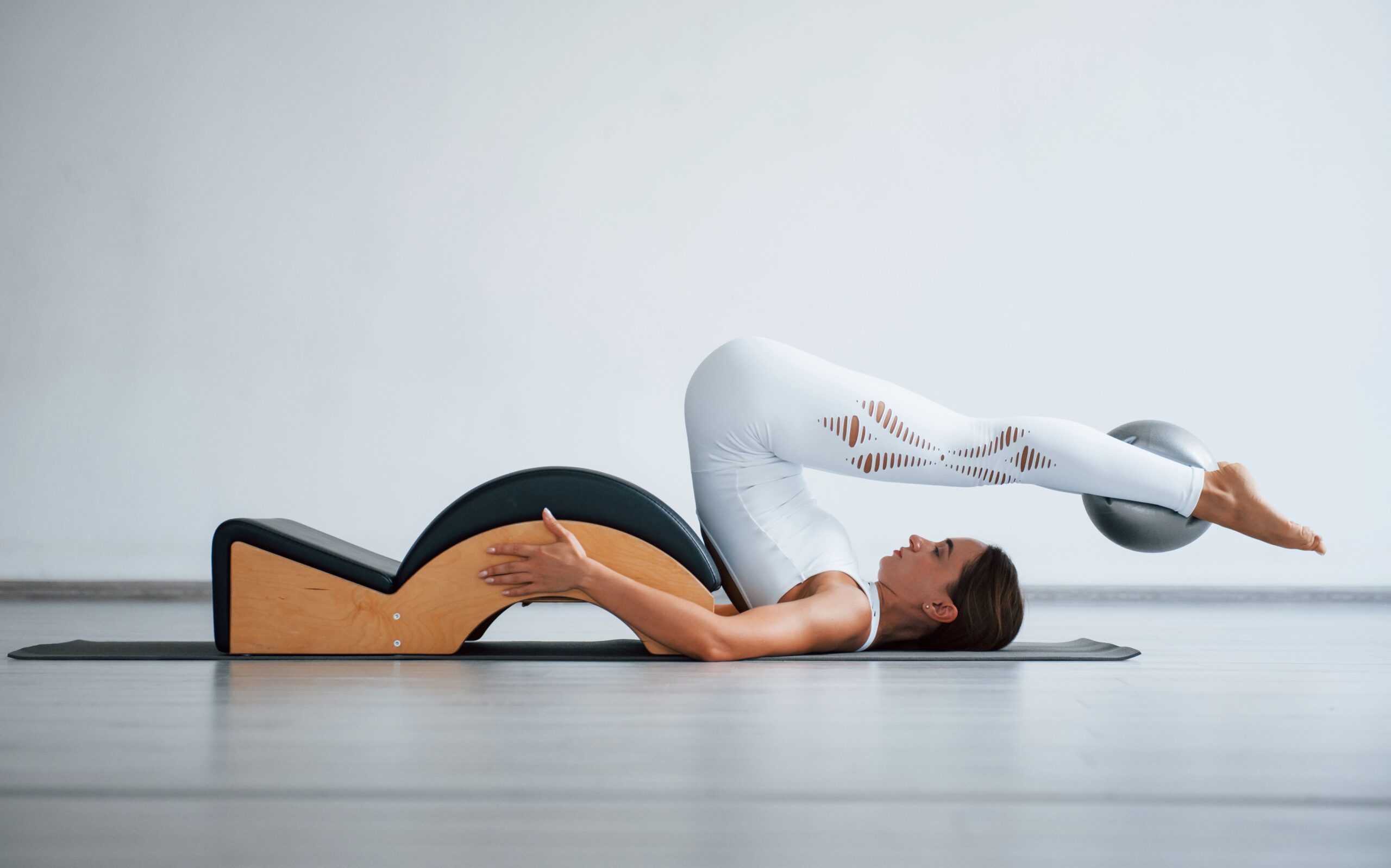
- Small Pilates ball (8–12 inch diameter): ideal for targeted muscle engagement and gentle resistance
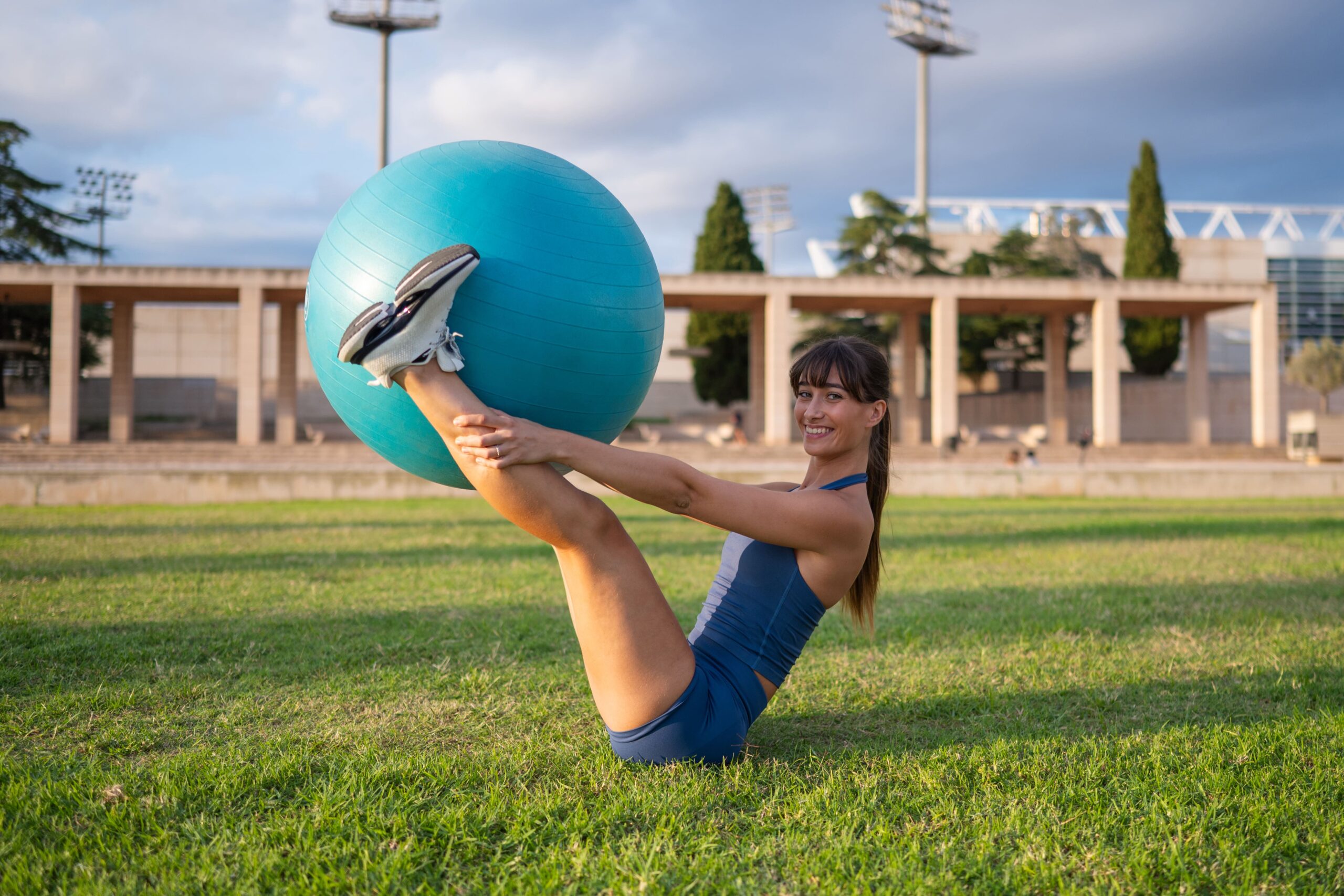
- Medium/large stability ball (e.g., 45–75 cm diameter): introduces dynamic balance and larger movement patterns
Pilates ball sequences are video‑guided workouts that use these props to enhance body awareness, stability, and strength — often integrating breathing and coordinated movement in ways that mat work alone cannot.
📌 How the Ball Enhances Your Pilates Practice
Pilates ball workouts add value in several unique ways:
🔹 Dynamic Stability Work
Balancing on or with the ball engages deep stabilizers, especially in the core and hips.
🔹 Improved Proprioception
The ball introduces small shifts that the nervous system must control — helping balance and coordination.
🔹 Gentle Assistance
Balls support postural alignment and can make certain movements more accessible, especially for beginners or those with limited mobility.
🔹 Deeper Muscle Engagement
Placement of the ball between or behind body parts (e.g., legs, spine) provides resistance or sensory feedback that improves muscle activation.
🔹 Mobility & Stretching
The curved surface supports gentle elongation, spinal articulation, and hip opening.
📍 Who Benefits from Pilates Ball Videos?
Pilates ball sequences are valuable for:
- Beginners – the ball supports alignment and introduces balance work
- Intermediate practitioners – adds resistance and challenge without heavy weights
- People seeking mobility + stability – especially in hips, spine, and shoulders
- Athletes – improves coordination and stabilizer engagement
- Anyone wanting variety or rehabilitation support (with clearance)
As always, if you have significant joint pain, recent surgery, vestibular concerns, or balance disorders, consult a clinician before beginning.
🎥 How to Use Pilates Ball Videos Safely
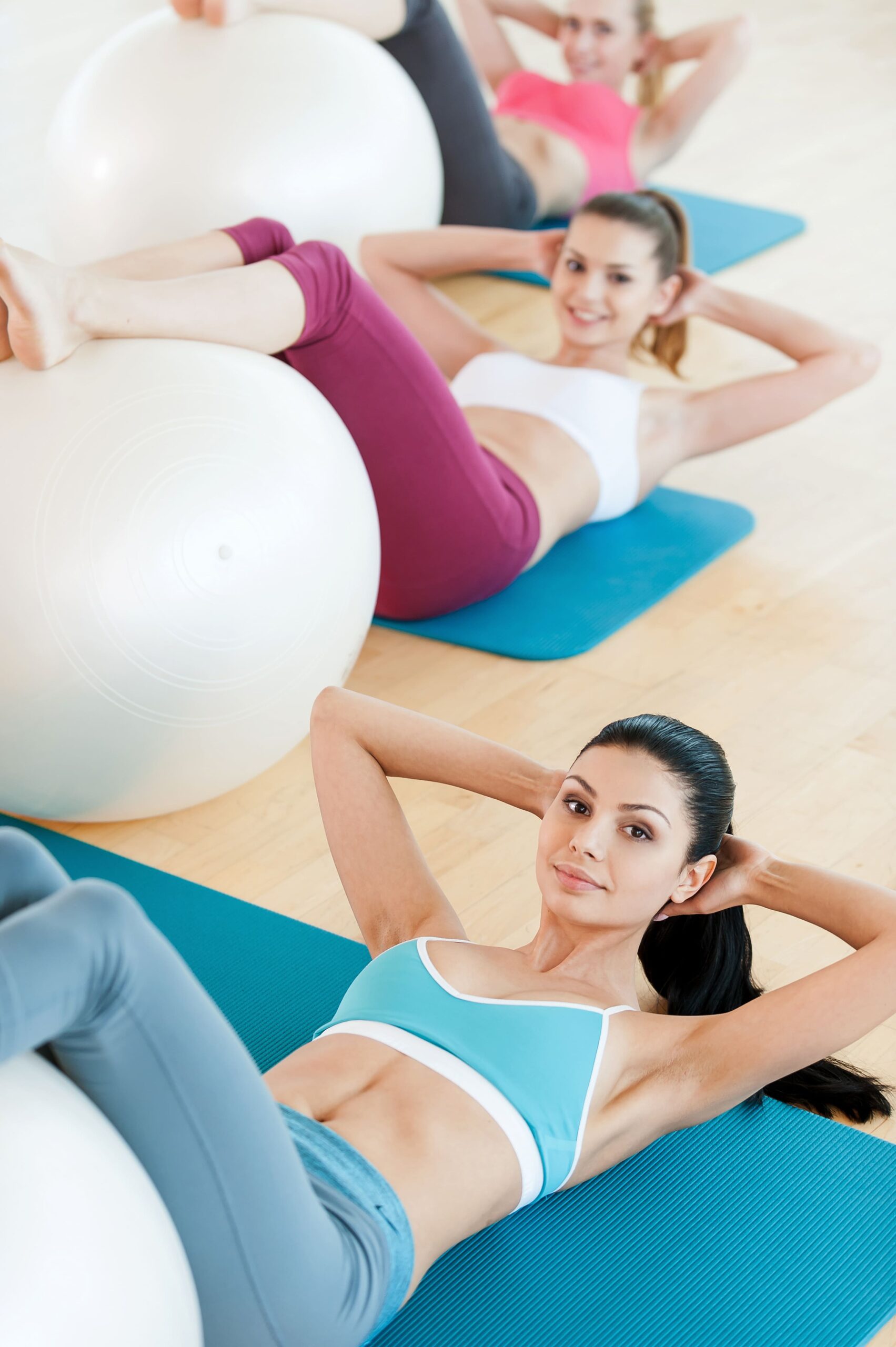 To make the most of guided Pilates ball sequences:
✔ Choose quality instruction
Look for certified Pilates instructors in videos — cueing breath, form, alignment, and modification options.
✔ Warm up first
Use gentle mobility before adding ball work — especially for balance drills.
✔ Focus on slow, controlled movement
The ball’s unstable surface magnifies momentum, so slow control is essential.
✔ Modify when needed
If a position feels unstable or painful, adjust posture, reduce range, or use a smaller ball.
✔ Prioritize breath
In Pilates, exhale on effort and inhale on release — alignment and breath are always connected.
🧠 What Pilates Ball Videos Typically Focus On
Pilates ball sequences can vary by goal and body area:
✨ Core & Balance
- Seated balance flows
- Bridge variations with ball support
- Ball between thighs during core lifts
✨ Lower Body Stability
- Side‑lying leg lifts with ball support
- Ball squeezes for adductors
- Hip extensions using the ball
✨ Upper Body & Posture
- Chest openers over the ball
- Shoulder mobility with ball pass
- Ball‑assisted planks
✨ Mobility & Stretch
- Spinal articulation over large ball
- Hip flexor and psoas release stretches
- Gentle thoracic extension and roll
Search terms that yield video content include:
- “Pilates ball stability workout”
- “Pilates ball core sequence”
- “Small ball Pilates beginners”
- “Stability ball Pilates for balance”
🏀 Choosing the Right Ball
Different balls create different effects:
| Ball Type | Best For |
| Small Pilates Ball (8‑12 in) | Inner thigh work, small muscle engagement, gentle support |
| Medium Stability Ball (45–55 cm) | Core engagement, hip opening, back mobility |
| Large Stability Ball (65–75 cm) | Dynamic balance challenges, full‑body flows |
| Inflatable Soft Ball | Beginner‑friendly stability and support |
Tip: Sit on the ball with feet flat and knees at 90° to find the right size for your height.
🔄 Sample Pilates Ball Workouts
Here are two structured ball‑based routines to help you follow videos or build your own sequence.
⭐ Beginner Pilates Ball Routine (20 Minutes)
| Time | Exercise |
| 0–3 min | Breathwork + gentle spine rolls |
| 3–7 min | Seated balance on ball (2–3 min) + Hip openers |
| 7–12 min | Bridge with ball between knees (10–12 reps) |
| 12–16 min | Side‑lying ball lifts (8–10/side) |
| 16–20 min | Chest opener over large ball + Cool‑down stretch |
Focus: Introduce balance and stability with muscle engagement and alignment.
💪 Intermediate Ball Flow (30 Minutes)
| Time | Exercise |
| 0–5 min | Warm‑up + dynamic mobility |
| 5–10 min | Seated ball core work (crunches with ball) |
| 10–15 min | Ball bridge with alternating leg lifts |
| 15–20 min | Plank variations with feet on ball |
| 20–25 min | Standing hip flexion with ball support |
| 25–30 min | Thoracic extension over ball + stretch |
Focus: Elevate challenge with dynamic balance and deeper core engagement.
📍 Common Pilates Ball Exercises Explained
Here are some foundational moves you’ll see in equipment videos:
🔹 Ball Bridge (with or without pulses)
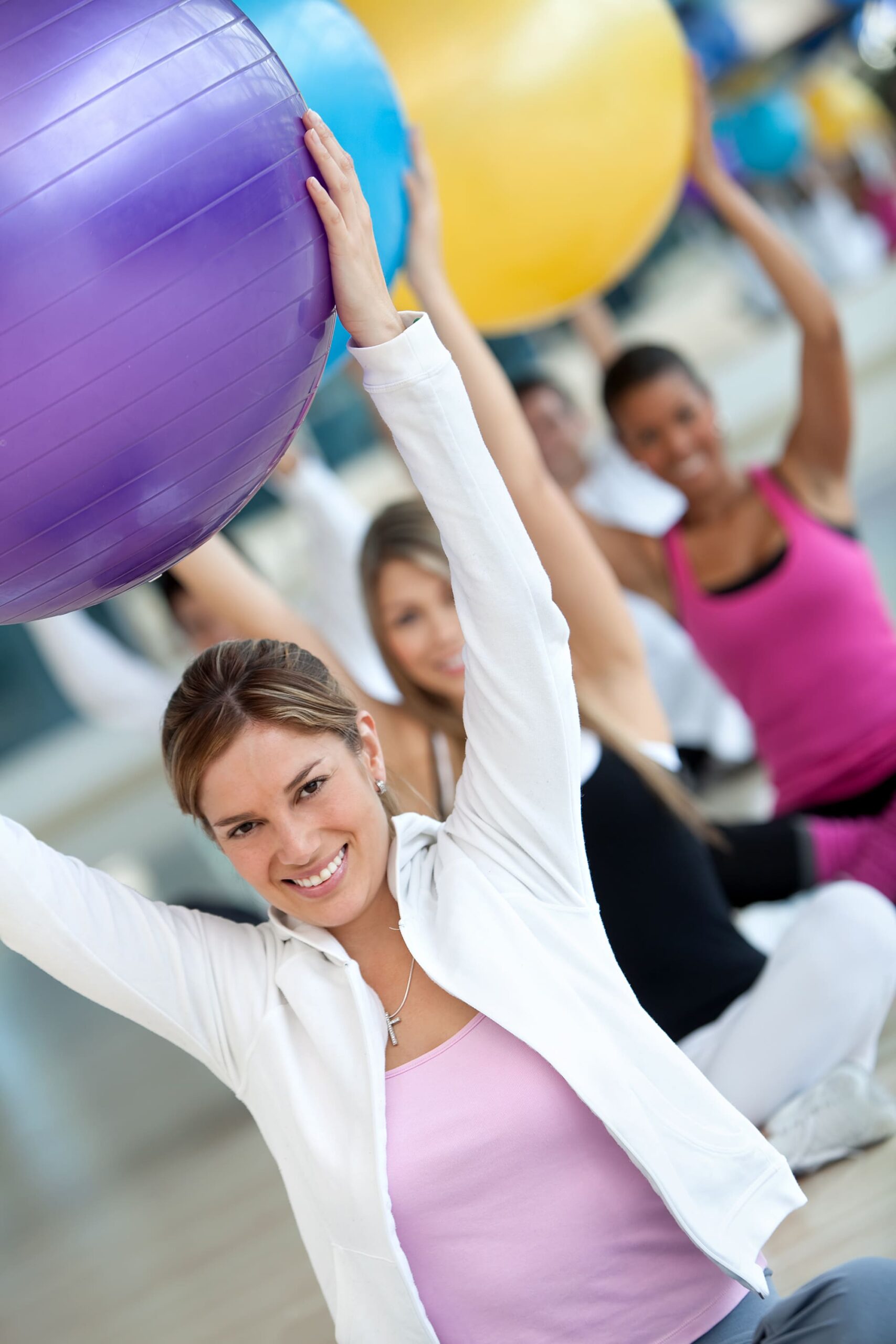 Benefits: Strengthens glutes, hamstrings, and core
How to do it:
- Lie on your back with ball between knees
- Feet hip‑width, exhale to lift hips
- Inhale to lower with control
🔹 Seated Balance & Roll (Dynamic Control)
Benefits: Improves balance and spinal control
How to do it:
- Sit tall on the ball
- Lift one foot at a time or rock gently forward/backward with control
🔹 Side‑Lying Ball Lifts
Benefits: Targets outer hips and stabilizers
How to do it:
- Lie on your side, upper leg on ball
- Lift and lower with control
🔹 Ball‑Assisted Plank
Benefits: Core stability with dynamic challenge
How to do it:
- Place feet or shins on ball
- Hold plank with neutral spine and breath control
🔹 Spinal Extension Over Ball
Benefits: Mobilizes thoracic spine and opens chest
How to do it:
- Sit on ball, walk feet forward
- Lean back over ball with support, inhale to open, exhale to return
🏁 Tips for Better Ball Pilates Practice
🔸 Breathe Through Movement
Consistent breath supports alignment and muscle engagement.
🔸 Embrace Slow Control
Movement speed doesn’t matter — precision does.
🔸 Use the Ball to Support, Not Hurt
If a move feels unstable or unsafe, adjust contact point or drop to a smaller ball.
🔸 Use Props Together
Combine ball sequences with mat work, bands, or foam roller flows.
🔸 Track Progress
Record duration, reps, band tension, and balance challenges — and revisit your routine periodically.
❌ Common Mistakes to Avoid
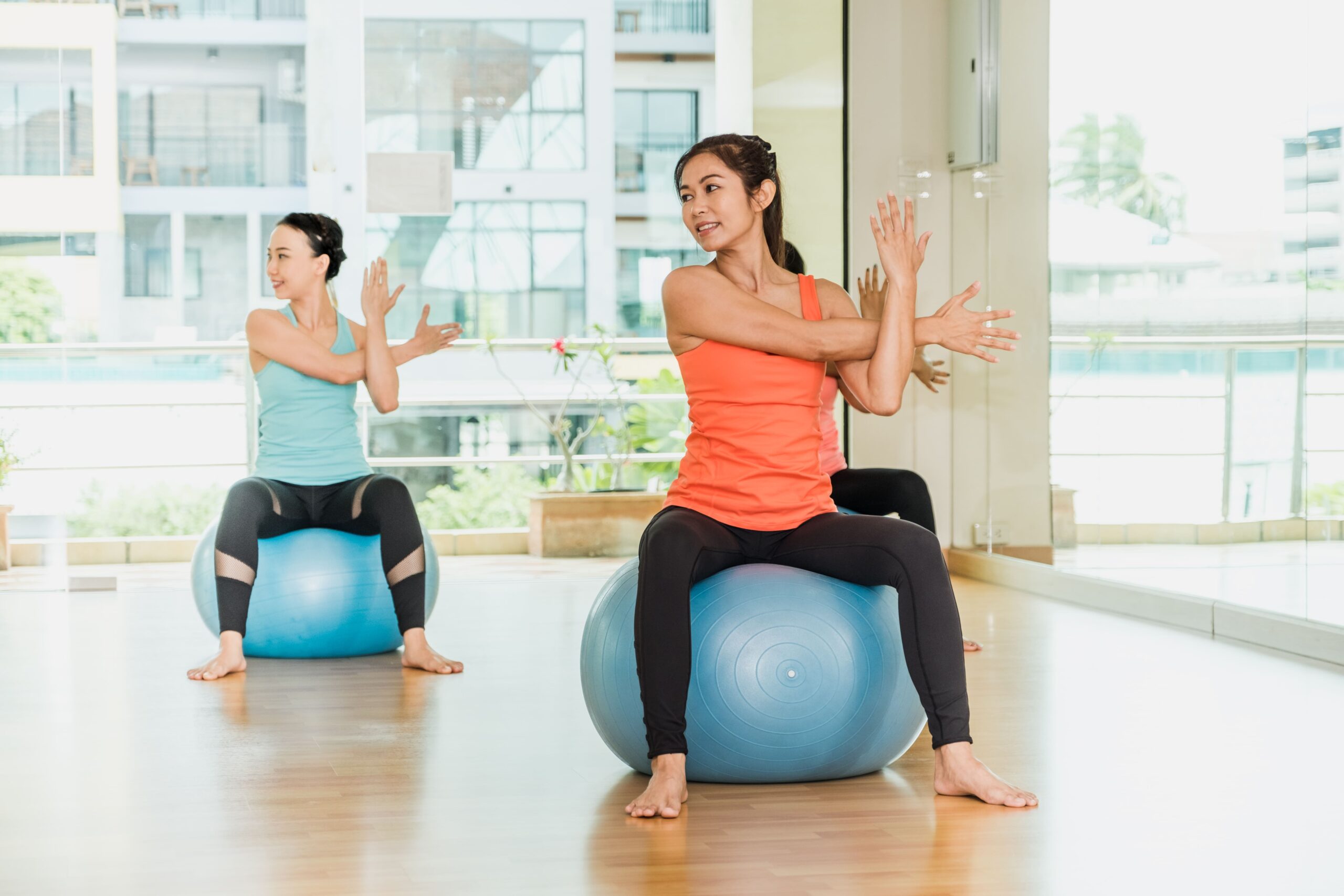 Rushing through movements — balance tools demand slower tempo
- Using a ball that’s too large or too soft — causes instability and loss of alignment
- Ignoring breath cues — breath is as important as movement quality
- Skipping beginners’ sequences — foundational stability matters most
Other Equipment Videos
➡️ Pilates Equipment Videos
➡️ Chair Pilates Workouts
➡️ Foam Roller Pilates
➡️ Watch Recommended Video
❓ FAQs: Pilates Ball Workouts
- Can Pilates ball videos improve balance?
Yes — balancing on the ball engages stabilizers and improves proprioception. - What if I don’t have a ball?
Start with similar seated or supported exercises on the mat — you can add the ball when ready. - How often should I do ball Pilates?
2–4 sessions per week can show improvements in strength and control when paired with other Pilates work. - Are ball workouts good for beginners?
Absolutely — start with seated balance and smaller ball support movements. - Do I need both small and large balls?
No — pick the size you use most and add others as your needs evolve.
Pilates ball sequences expand your ability to move with strength, balance, and control. Whether you follow guided videos or build your own flow, the ball invites you to explore dynamic core engagement, whole‑body stabilization, and greater mobility.
Add ball videos into your routine for growth — even a 10–15 minute focused sequence brings benefits in posture, balance, coordination, and confidence.