Aging doesn’t mean slowing down — it means moving smarter. And there’s perhaps no better method for aging well than Pilates. With its gentle yet highly effective approach to strength, flexibility, and control, Pilates for seniors is designed to help you stay active, mobile, and confident in your body, no matter your age.
This guide explores how Pilates supports older adults, which exercises are best, and how to follow safe, guided video workouts to build strength and vitality for years to come.
Why Pilates Works for Seniors
Unlike high-impact fitness routines, Pilates offers a low-impact, joint-friendly method that focuses on what matters most in your later years:
✅ Stability
 Reduces fall risk and improves balance.
✅ Flexibility
Keeps muscles and joints moving freely.
✅ Strength
Preserves muscle mass and supports bone health.
✅ Posture
Re-aligns the spine and reduces pain or stiffness.
✅ Confidence
Promotes independence in daily tasks.
Whether you’re 60, 70, or 80+, Pilates meets you exactly where you are — and gently helps you move better, breathe deeper, and feel stronger from the inside out.
Key Benefits of Pilates for Older Adults
- Improves balance to prevent falls
- Strengthens core and back muscles to reduce pain
- Supports bone density with light resistance training
- Increases circulation and joint lubrication
- Boosts coordination and mental focus
- Reduces stiffness and joint pain
💡 Pilates also reduces stress and promotes better sleep — both of which are vital for healthy aging.
Is Pilates Safe for Seniors?
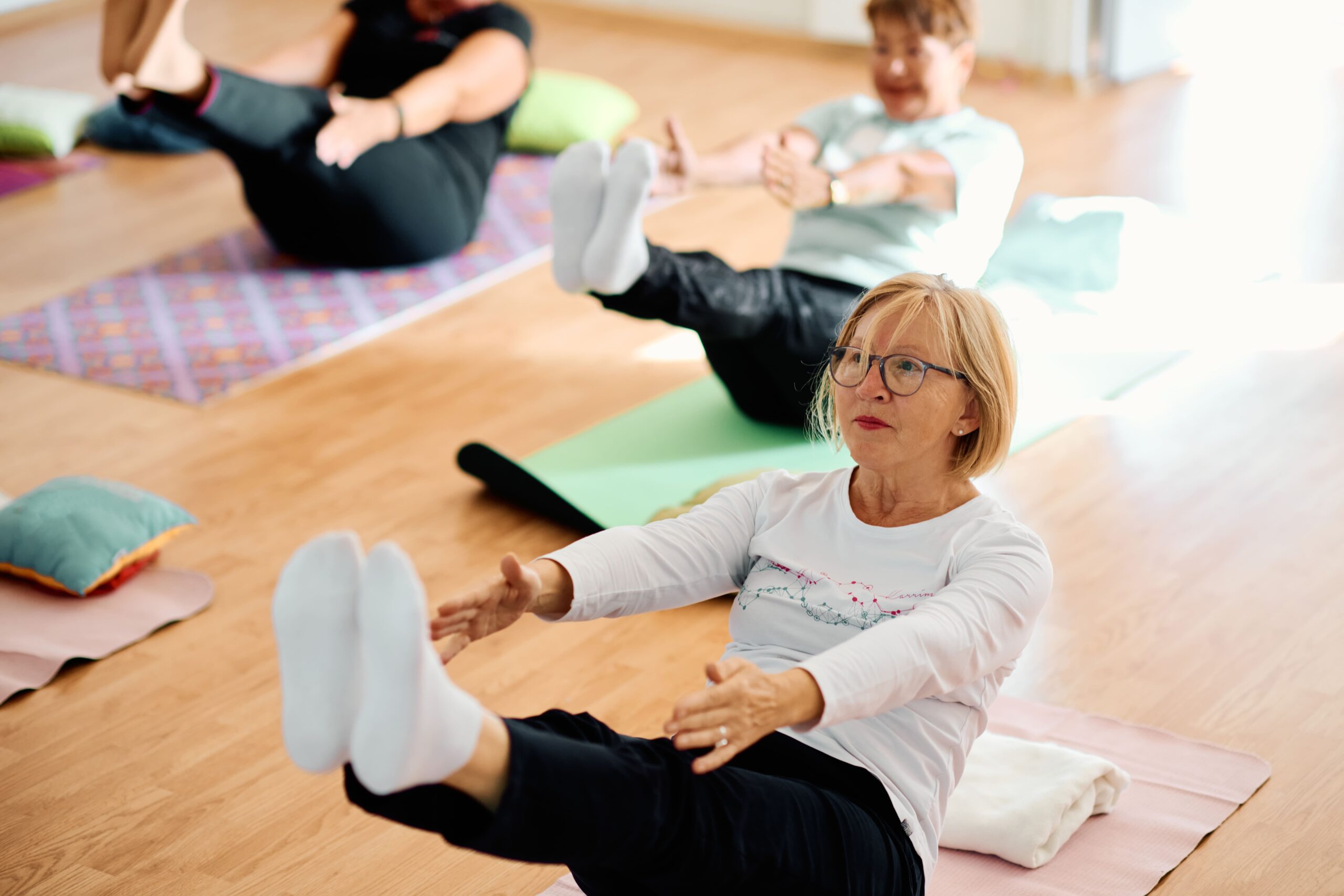 Yes — when taught correctly and modified for individual needs, Pilates is one of the safest forms of exercise for older adults. It’s often recommended by physical therapists and medical professionals for its controlled pace, low joint strain, and customizable movement options.
Especially ideal for:
- Osteoporosis or osteopenia
- Arthritis
- Limited mobility
- Postural issues
- Mild balance disorders
What to Expect in Pilates Videos for Seniors
Senior-friendly Pilates routines focus on gentle progression, alignment, and support. These workouts are often chair-based, mat-based, or use light props for safety.
Typical video structure:
- Seated or lying warm-up
- Core activation and breathwork
- Gentle mobility exercises
- Strengthening for hips, back, and arms
- Balance or standing support work
- Stretching and relaxation
Checkout a Recommended Video: Mat Pilates for Seniors 60+ | 25 Minute Gentle Pilates Workout and Stretch
Core Exercises in Senior Pilates Videos
🔹 Seated Pelvic Tilt
Focus: Spinal mobility, core engagement
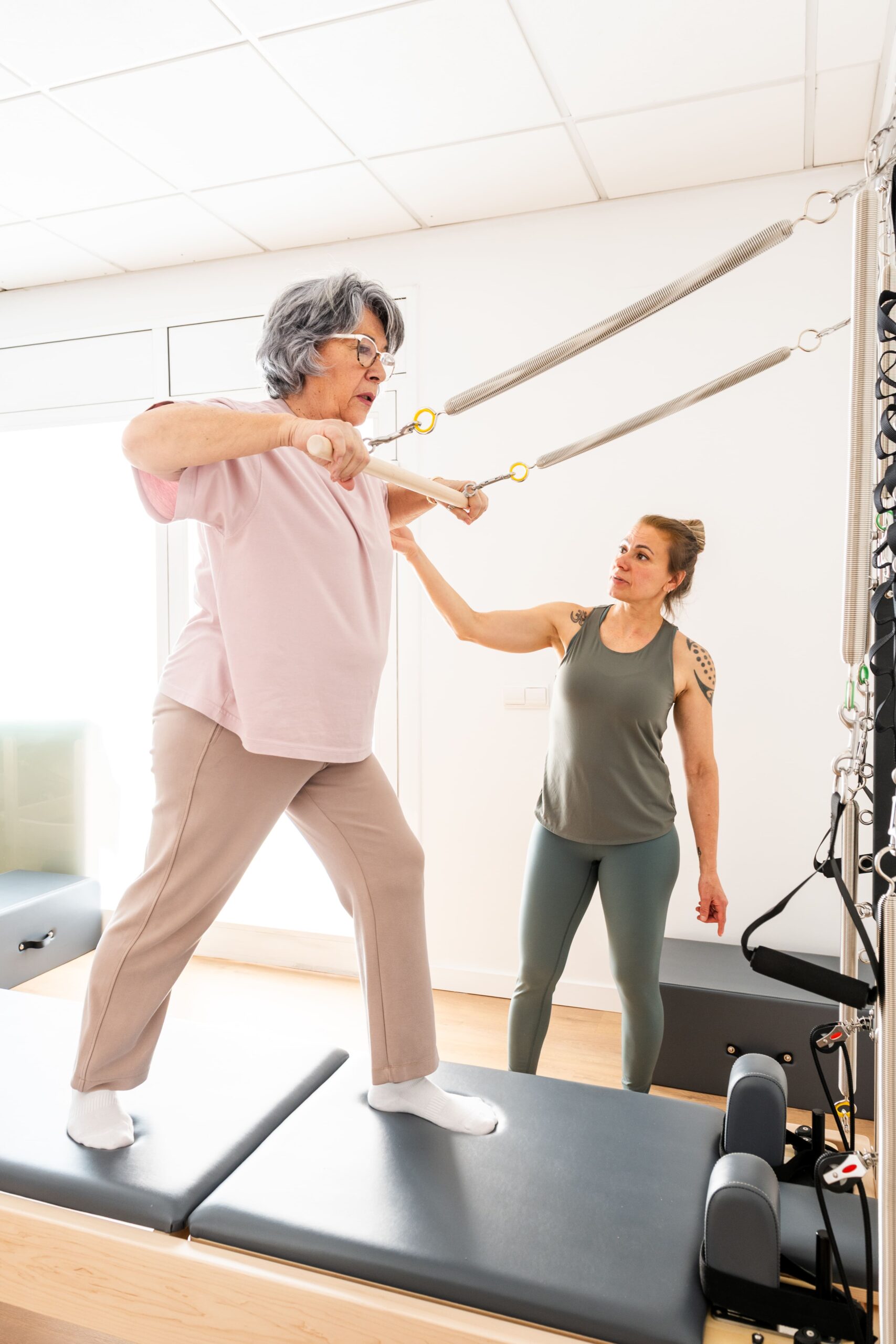 Sit upright on chair or mat
- Gently tilt pelvis forward and back
🔹 Wall Roll-Downs
Focus: Posture and back mobility
- Stand against wall, slowly roll down and up with breath
🔹 Standing Leg Lifts (with chair support)
Focus: Balance and hip strength
- Hold back of chair, lift one leg at a time slowly
🔹 Side-Lying Leg Circles
Focus: Hip joint mobility and glute strength
- Lie on side, make small circles with top leg
🔹 Arm Circles (seated or standing)
Focus: Shoulder mobility and posture
- Circle arms forward and back with slow breath
🔹 Heel Raises
Focus: Ankle stability and calf strength
- Lift heels off floor while standing or seated
Sample Senior Pilates Routine (25–30 Minutes)
| Time | Exercise |
| 0–5 min | Seated Breathwork + Pelvic Tilt |
| 5–10 min | Wall Roll-Downs + Arm Circles |
| 10–15 min | Standing Leg Lifts + Heel Raises |
| 15–20 min | Side-Lying Leg Circles + Core Work |
| 20–25 min | Gentle Stretching + Posture Reset |
| 25–30 min | Relaxation or Mindful Breathing |
💡 Most seniors benefit from doing this 3–5 times a week, or even daily with lighter intensity.
Props That Enhance Senior Pilates
- Chair or sturdy surface for support
- Resistance band for gentle strengthening
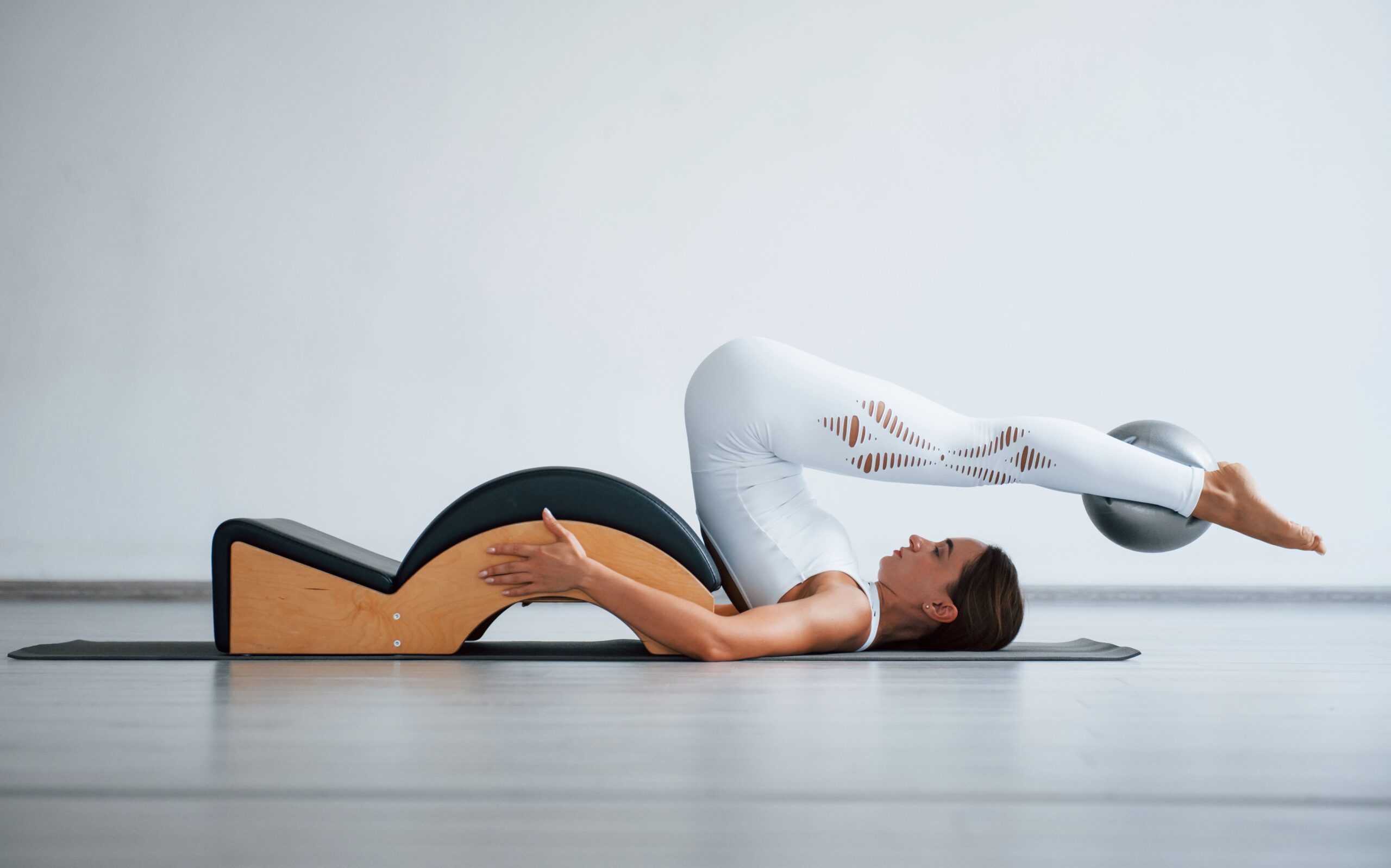
- Soft Pilates ball or cushion for back support
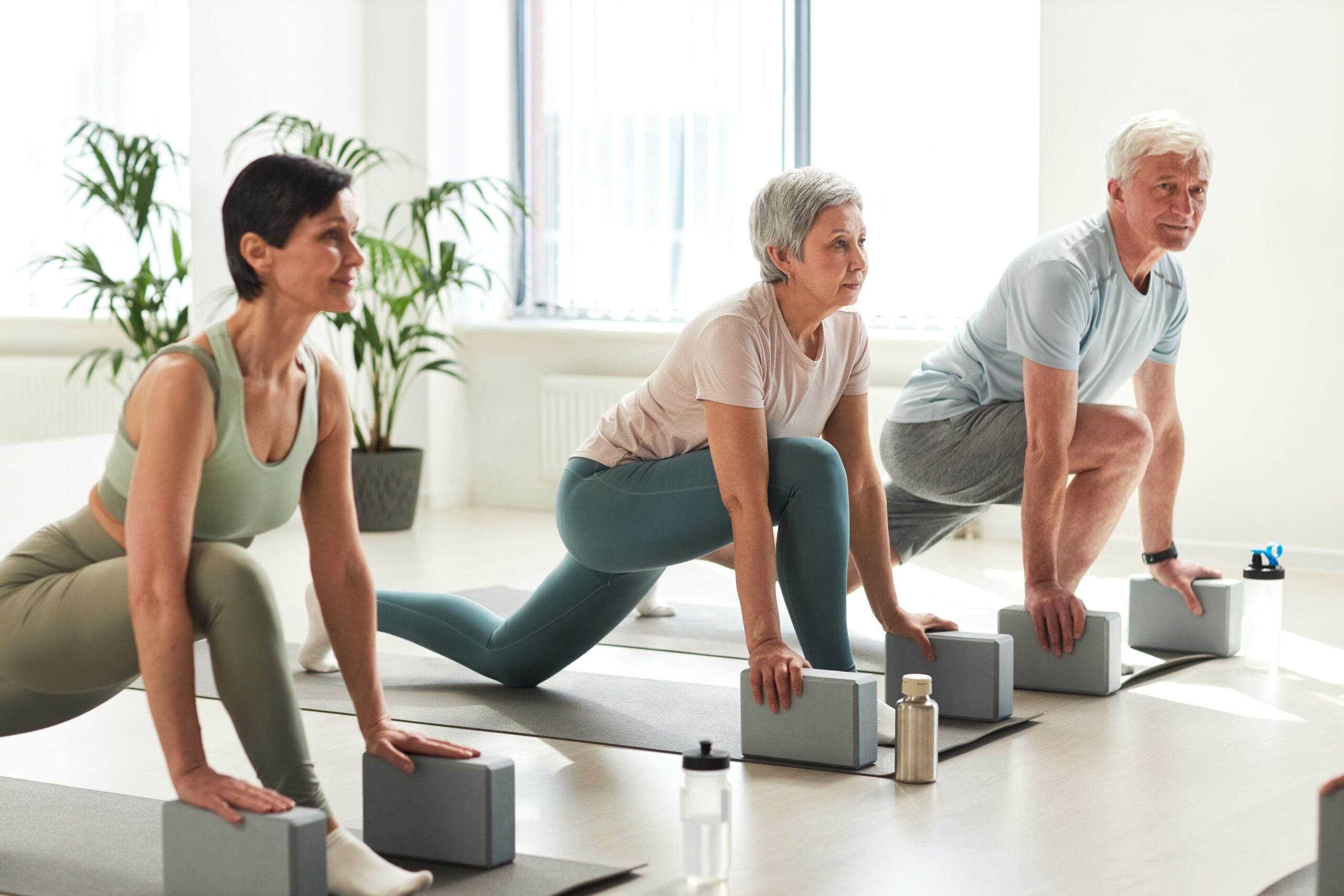
- Yoga blocks or folded towel for joint comfort
Tips for Practicing Pilates as an Older Adult
🔸 Modify Whenever Needed
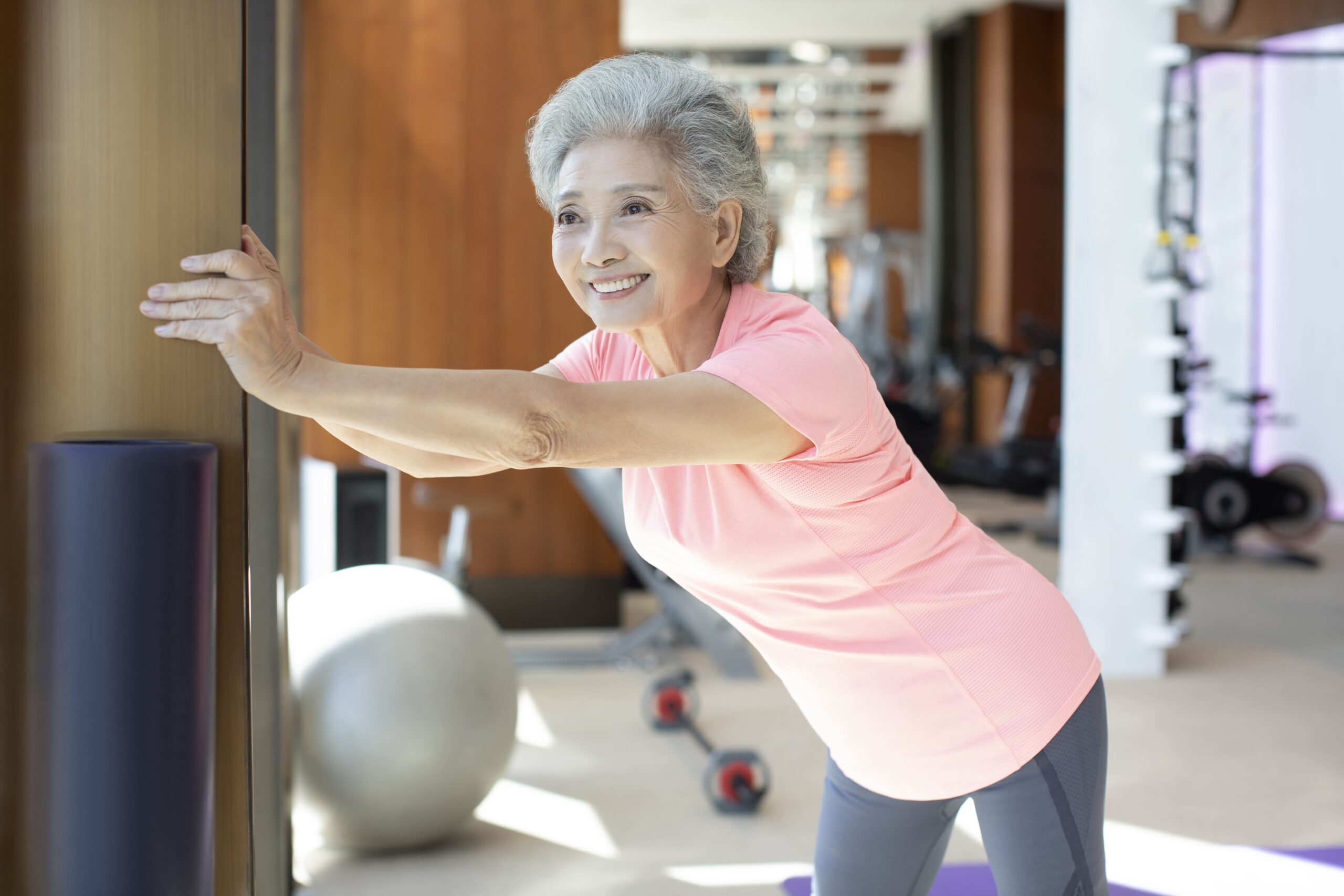 Skip anything that doesn’t feel comfortable — there’s always a version that works for you.
🔸 Use Support for Balance
A chair or wall can help you feel grounded and safe during standing exercises.
🔸 Move Slowly and Breathe Deeply
Breath improves circulation and calms the nervous system — don’t rush.
🔸 Prioritize Consistency
5–10 minutes daily is more valuable than one long session per week.
🔸 Listen to Your Body
Discomfort is normal, but sharp pain is not. Rest when needed.
More Pilates
➡️ Pilates by Goal
➡️ Pilates for Weight Loss
FAQs: Pilates for Seniors
- Is Pilates good for people in their 70s or 80s?
Absolutely. Pilates is one of the safest and most effective movement practices for older adults — even those in their 80s and beyond.
- Can I do Pilates if I have arthritis or joint pain?
Yes. The low-impact nature of Pilates reduces joint strain while strengthening muscles that protect the joints.
- Will Pilates help improve my balance?
Definitely. Many exercises specifically target balance and stability, helping reduce the risk of falls.
- Do I need equipment to start?
No. You can start with a chair, a mat, or even seated routines. Optional props can be added later.
- How soon will I notice a difference?
Many older adults feel improved mobility and posture within 2–3 weeks of regular practice.
Aging doesn’t have to mean giving up movement — it means moving with care, intention, and consistency. Pilates for seniors offers a graceful and effective way to stay mobile, build strength, and maintain independence through every chapter of life.
No matter your current ability, there’s a version of Pilates that can help you feel better, move better, and live more fully. Start where you are — seated, standing, or lying down — and build a practice that supports your body today and for the future.