Athletes spend countless hours training for speed, power, and endurance. But what often separates good performance from great performance is control, precision, and injury resilience — the exact qualities that Pilates builds from the ground up.
Whether you’re a runner, weightlifter, dancer, swimmer, or weekend warrior, Pilates for athletes is your secret weapon. It sharpens the connection between mind and muscle, strengthens the stabilizers that traditional training misses, and helps your body move more efficiently — on the field, in the gym, and everywhere in between.
Why Athletes Should Do Pilates
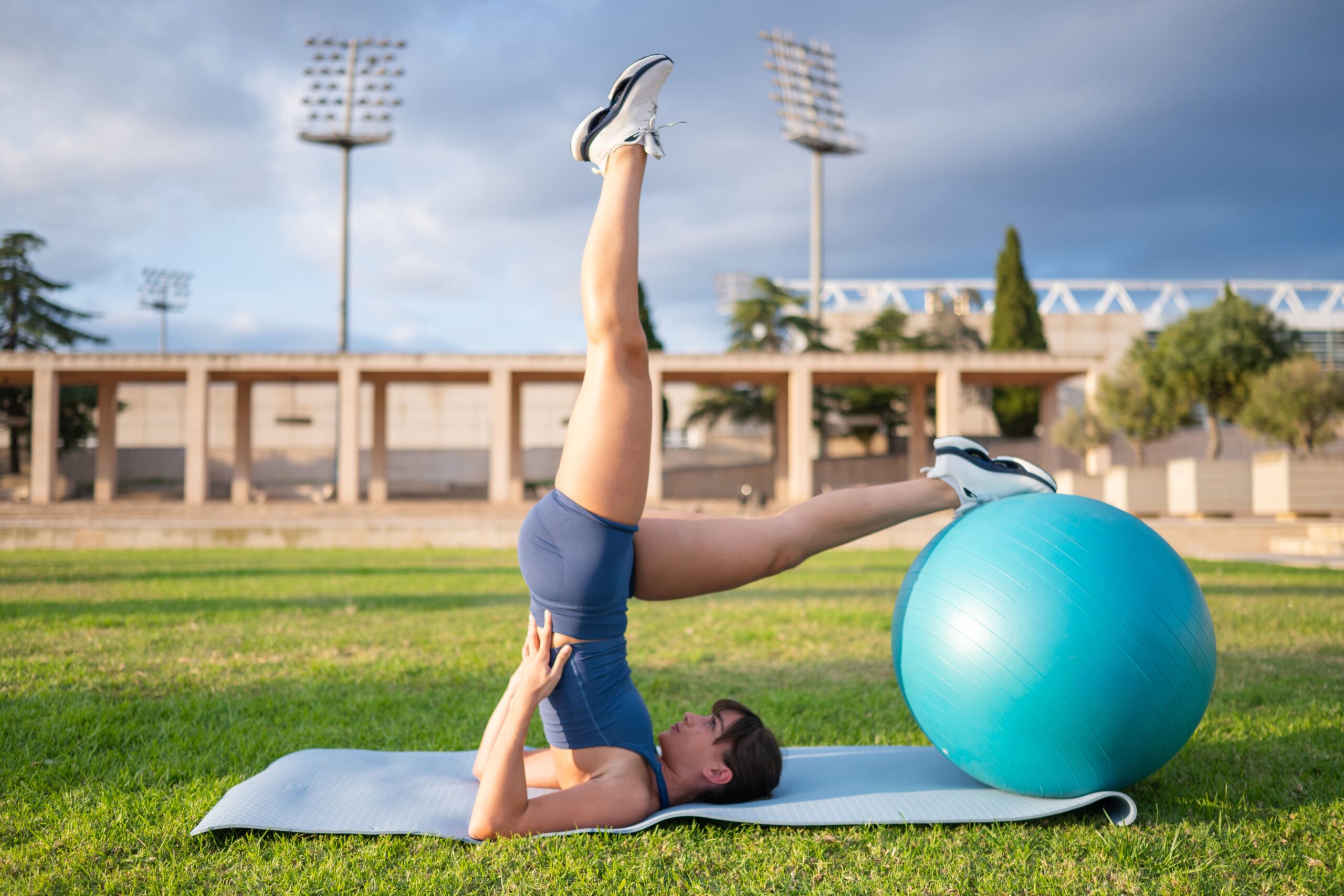 Athletes push their bodies hard. That’s why they need a training method that’s gentle on joints but hard on control and stability. Pilates fills the gaps that other forms of training leave behind.
Key Benefits:
- Improved core strength and spinal alignment
- Enhanced balance and proprioception
- Greater joint mobility and flexibility
- Corrected muscle imbalances and asymmetries
- Faster recovery and injury prevention
💡 Pilates doesn’t just add power — it builds smart, sustainable movement patterns that help you perform better and avoid burnout.
Common Athletic Challenges That Pilates Solves
| Challenge | How Pilates Helps |
| Muscle tightness | Increases dynamic flexibility and joint mobility |
| Core instability | Builds 3D strength around the torso |
| Repetitive strain injuries | Strengthens small stabilizer muscles |
| Asymmetrical movement | Balances dominant and non-dominant sides |
| Poor breathing mechanics | Teaches diaphragmatic breath for endurance |
Sports That Benefit Most from Pilates
While all athletes can benefit, Pilates is especially impactful in:
- Running (improved gait and shock absorption)
- Cycling (core + hip balance)
- Golf (rotation and spinal mobility)
- Tennis (power through torso)
- Swimming (shoulder control and breathwork)
- Soccer/Football (injury prevention and hip strength)
- Weightlifting (core control and mobility)
Core Pilates Principles That Enhance Athletic Performance
🔹 Centering
Every movement starts from the core, ensuring controlled, efficient power transfer.
🔹 Control
Movements are done deliberately, reducing injury risk and improving performance.
🔹 Breath
Controlled breathing supports endurance, focus, and power.
🔹 Precision
Refines movement patterns for maximum effectiveness and minimal waste.
🔹 Flow
Develops fluid transitions and coordination, valuable for sports requiring agility.
Best Pilates Exercises for Athletes
🔸 Plank-to-Pike (on Reformer or Mat)
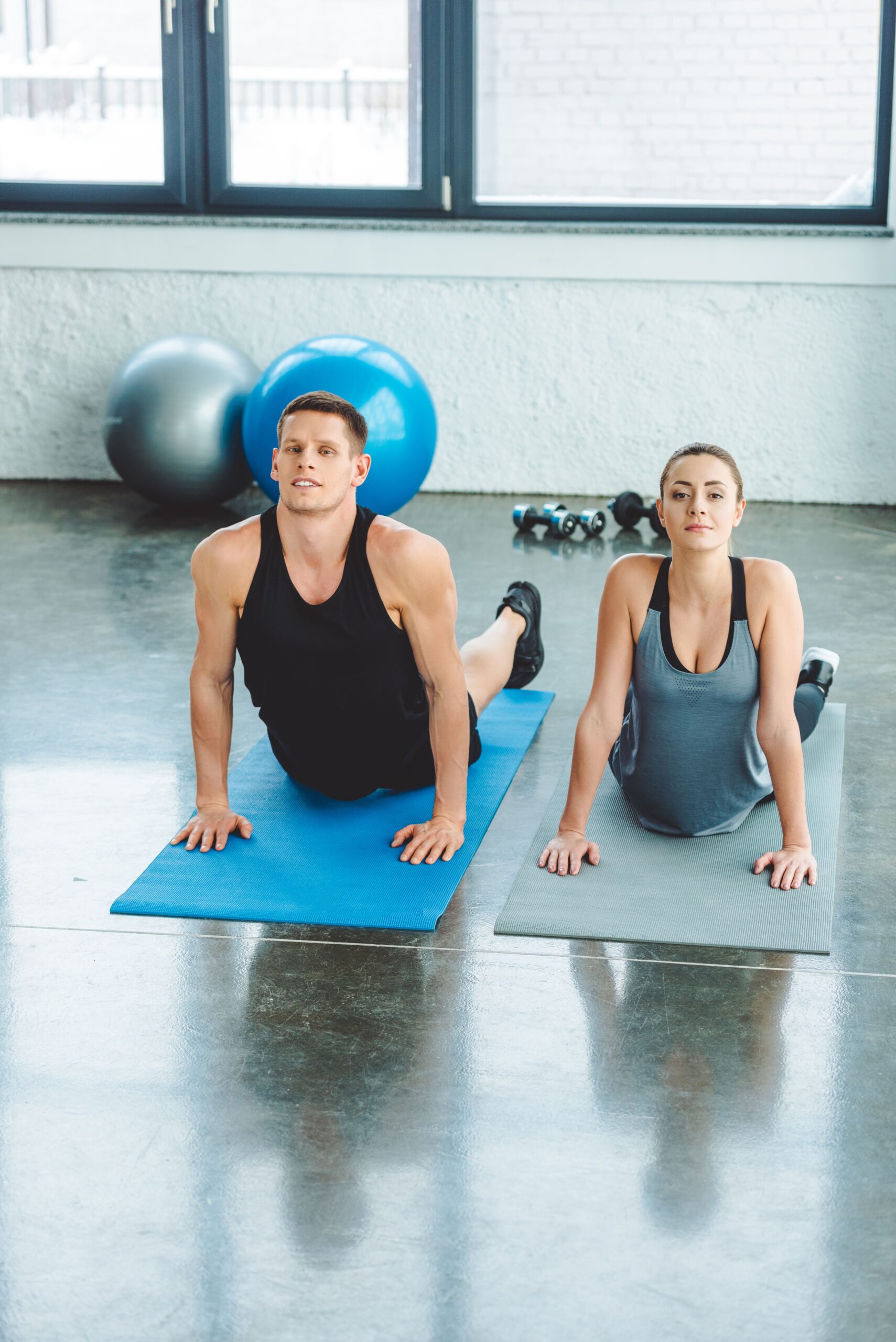 Focus: Core and shoulder strength, coordination
Great for upper body control, dynamic core work, and athletic agility.
🔸 Standing Splits
Focus: Hip mobility, balance
Supports hip health and leg strength — excellent for runners, dancers, and lifters.
🔸 Side Plank with Leg Lift
Focus: Obliques, glutes, lateral chain
Develops side body stability crucial for multi-directional sports.
🔸 Teaser with Twist
Focus: Rotational control, abdominal strength
Boosts core stability and controlled torso rotation — perfect for golf and tennis.
🔸 Feet in Straps (Leg Circles)
Focus: Hip joint articulation and core control
Improves range of motion and injury prevention for lower body athletes.
Sample Athletic Pilates Routine (35 Minutes)
| Time | Exercise |
| 0–5 min | Breathwork + Spinal Mobility |
| 5–10 min | Plank Variations + Core Warmup |
| 10–15 min | Standing Splits + Hip Activation |
| 15–25 min | Side Plank Series + Rotation Flows |
| 25–30 min | Feet in Straps + Leg Circles |
| 30–35 min | Active Recovery Stretch |
💡 Athletes can add this routine 2–3 times per week alongside sport-specific training.
When to Incorporate Pilates Into Your Training
- Pre-season: Build foundational strength and balance
- In-season: Maintain mobility and prevent overuse
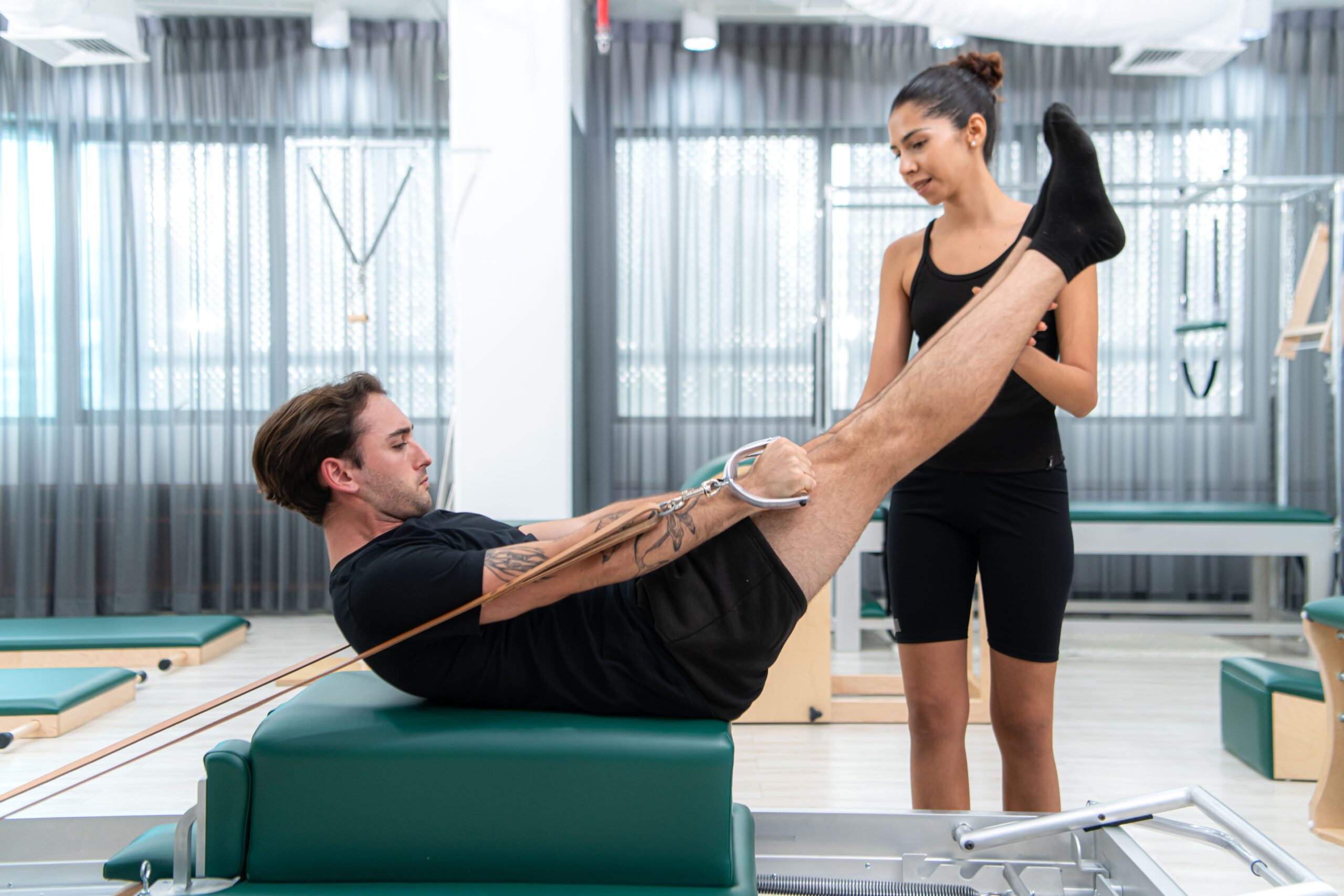 Post-season: Recover, release tension, rebuild alignment
- Off-days: Use Pilates for active recovery or light core work
Equipment Tips for Athletes Using Pilates
- Mat Pilates is excellent for core and flexibility
- Reformer Pilates adds resistance and functional movement
- Pilates Ring for targeted strength
- Resistance Bands for shoulder and hip stabilization
- Foam Roller for myofascial release and recovery
Tips for Athletes Starting Pilates
✅ Focus on control, not intensity
You’re already strong — Pilates challenges you in new ways.
✅ Check your ego
Simple-looking movements can be surprisingly hard. Prioritize form over range.
✅ Use it to balance, not replace
Let Pilates complement your current training, not compete with it.
✅ Work with instructors who understand sport
Choose guided videos from trainers with athletic experience or rehab knowledge.
✅ Don’t wait for injury
Use Pilates to prevent issues before they start — especially in high-demand sports.
More Pilates
➡️ Pilates by Goal
➡️ Pilates for Weight Loss
➡️ 25 Minute Athletic Reformer Workout
FAQs: Pilates for Athletes
- Is Pilates strength training?
Yes, especially for core and stabilizing muscles. It builds endurance, control, and neuromuscular coordination.
- Will Pilates make me more flexible?
Definitely. Pilates combines strength with dynamic stretching — improving flexibility without sacrificing stability.
- Is Pilates better than yoga for athletes?
They serve different purposes. Yoga emphasizes flexibility and mindfulness; Pilates emphasizes core strength, alignment, and functional control. Many athletes do both.
- Can Pilates improve my running/cycling/swimming?
Yes. By correcting posture and strengthening deep muscles, it improves efficiency and reduces energy leaks in repetitive movements.
- How soon will I see results?
Improved control and mobility can happen within 2–3 weeks. Many athletes report better performance and reduced discomfort quickly.
Athletes need more than power and endurance — they need control, coordination, and resilience. Pilates builds the small, often neglected elements of performance that make a massive difference over time.
From better posture to faster recovery and more precise movement, Pilates sharpens your body and mind for sport — not just today, but for years to come.
Train smart. Move with intention. Add Pilates to your program and give your body the edge it’s been missing.