You’ve got the workouts. You’ve got the motivation. But what’s missing? A clear, strategic plan that helps you show up day after day — even when life gets in the way.
That’s where time-based Pilates calendars come in. These flexible, personalized schedules organize your practice around the time you actually have. Whether it’s 10 minutes before work or 45 minutes on the weekend, these calendars help you build a consistent, well-rounded Pilates habit that sticks.
Forget the overwhelm of “what should I do today?” Instead, follow a pre-planned rhythm that matches your goals, lifestyle, and availability — no guesswork required.
What Is a Time-Based Pilates Calendar?
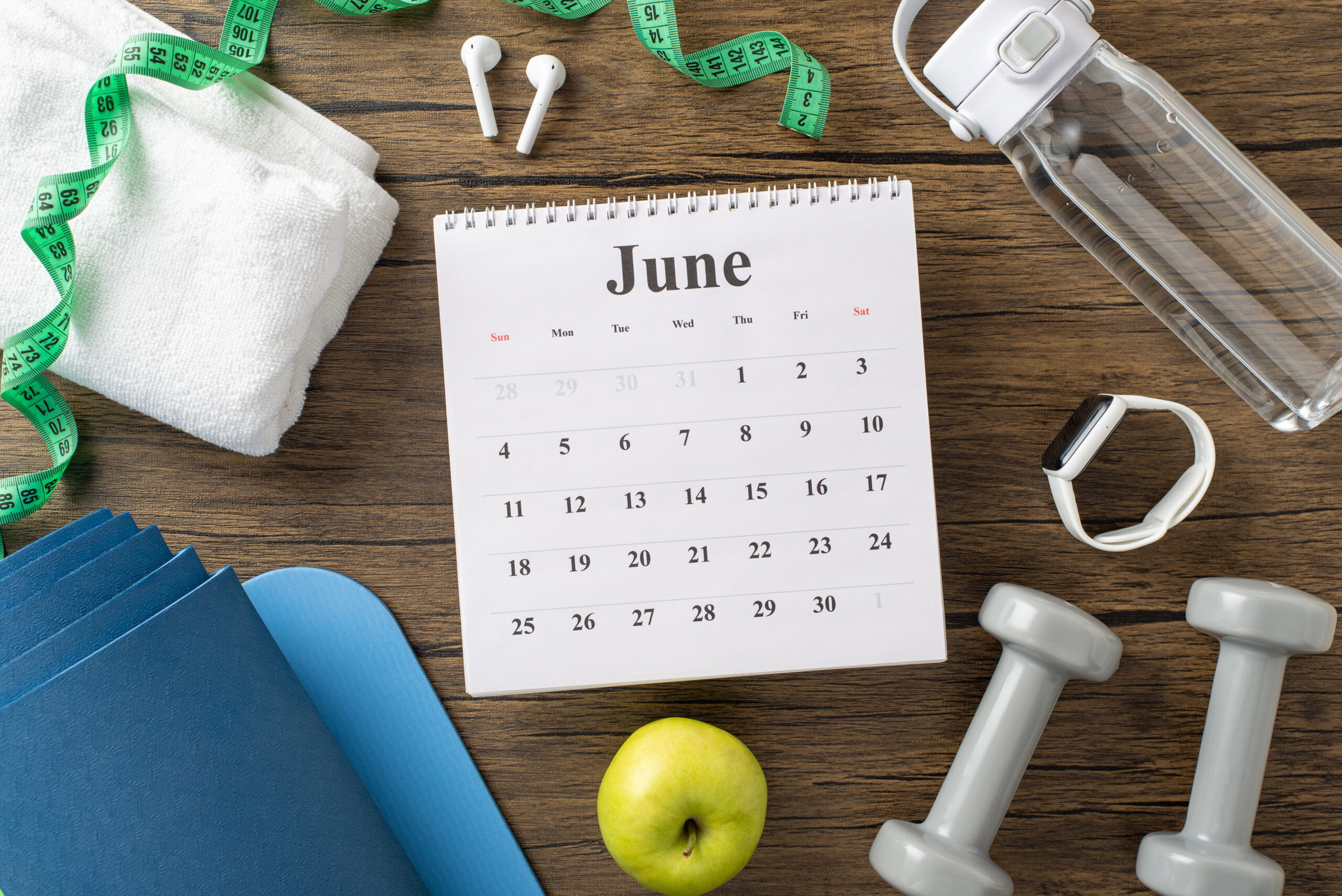 A time-based Pilates calendar is a pre-planned schedule that tells you:
- What type of workout to do
- How long it will take
- What body area or goal it supports
- How to vary intensity across the week
These calendars are typically structured by week or month and allow you to filter by:
- Time availability (e.g., 10, 20, or 30+ minutes)
- Fitness level
- Primary goal (core strength, flexibility, full-body tone)
- Rest/recovery needs
💡 The goal isn’t to do more. It’s to do what fits — and to do it consistently.
Why Use a Pilates Calendar?
✅ Builds Routine
You’re more likely to stay on track with a plan to follow.
✅ Prevents Burnout
Alternates intensity and focus to give your body time to recover and adapt.
✅ Supports Long-Term Goals
A good calendar builds week-by-week progress, not just random workouts.
✅ Removes Decision Fatigue
No more wasting time choosing from dozens of videos.
✅ Gives Visible Progress
Checking off each day builds confidence and motivation.
Sample Time-Based Weekly Calendars
🔹 Beginner Schedule (20 Minutes or Less)
| Day | Workout Focus | Time |
| Monday | Core Activation | 15 min |
| Tuesday | Glutes + Balance | 20 min |
| Wednesday | Recovery Stretch | 10 min |
| Thursday | Arms + Posture | 15 min |
| Friday | Full Body Flow | 20 min |
| Saturday | Breath + Mobility | 10 min |
| Sunday | Rest or Gentle Stretch | Optional |
🔹 Intermediate Calendar (20–30 Minutes)
| Day | Workout Focus | Time |
| Monday | Core Sculpt | 25 min |
| Tuesday | Glutes & Legs | 30 min |
| Wednesday | Active Stretch + Reset | 15 min |
| Thursday | Upper Body Strength | 25 min |
| Friday | Pilates Cardio Flow | 30 min |
| Saturday | Long Stretch + Core Reset | 20 min |
| Sunday | Full-Body Recovery Flow | 20 min |
🔹 4-Week Time-Based Challenge Example
 Week 1: Foundation Focus
- Daily 10–15 min core, posture, and alignment
Week 2: Build Strength
- Alternate 20–30 min strength + 10 min recovery
Week 3: Add Flow
- Combine movement patterns for longer 30–45 min routines
Week 4: Finish Strong
- Mix challenge flows, props, and longer cooldowns
How to Customize Your Own Calendar
Pick Your Weekly Availability
- 10 min/day? Perfect — stack goals across the week.
- 30–45 min, 3x/week? Schedule deeper, full-body days.
Choose a Primary Goal
- Core strength? Sprinkle short ab work 3–4 times weekly.
- Flexibility? Daily stretch routines, with 1–2 deeper mobility flows.
- Tone & balance? Alternate body regions with posture drills.
Rotate Focus Areas
| Day | Primary Focus |
| Mon + Thurs | Core + Posture |
| Tues + Fri | Glutes + Legs |
| Wed | Flexibility / Recovery |
| Sat | Total Body Flow |
| Sun | Optional / Stretch |
Add Rest Strategically
Active rest isn’t laziness — it’s how your body rebuilds. Short breathing flows or gentle mobility sessions keep your calendar consistent without overloading.
Digital vs. Printable Calendars
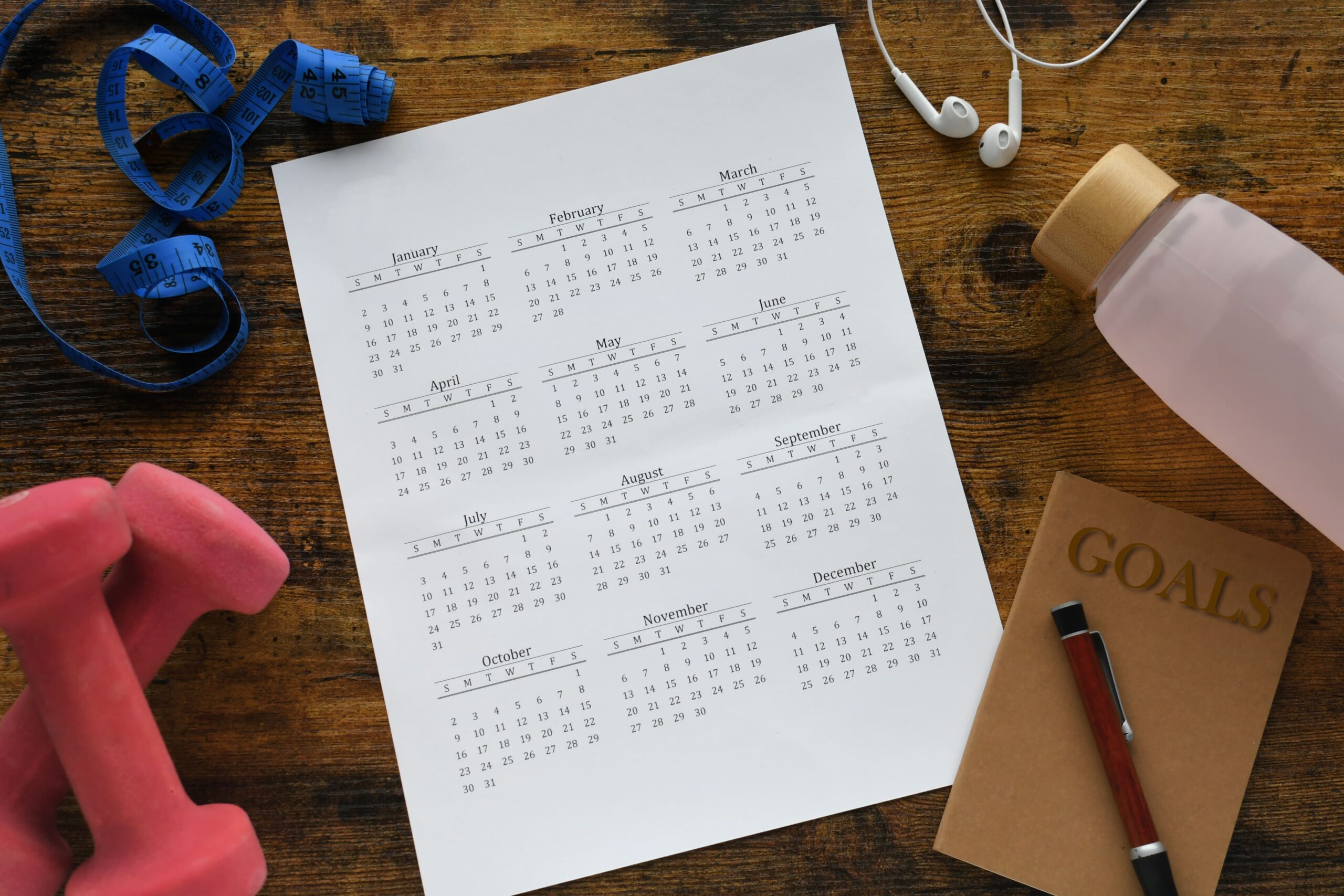 Both are effective — choose based on your style.
✅ Digital Calendars
- Use app-based reminders
- Auto-play workouts
- Good for travel or remote access
✅ Printable Calendars
- Hang on wall or fridge
- Easy to visualize week/month progress
- Satisfying to check off
Where to Find Time-Based Pilates Calendars
- Pilates Anytime – Filtered programs by time + level
- YouTube Series – Search “30 Days of Pilates 20 Minutes”
- Fitness Apps (Obé, FitOn, Peloton) – Offer calendar-based challenges
- Alo Moves / The Pilates Class – Curated daily plans with themed goals
- Create Your Own – Use a journal, spreadsheet, or printable planner
Tips for Sticking With Your Calendar
🔸 Schedule Workouts Like Appointments
Put it in your calendar. Set a phone alarm. Make it non-negotiable.
🔸 Keep Your Setup Ready
Mat, props, and water — all prepped and waiting.
🔸 Reward Completion
Track streaks. Treat yourself after 7 or 14 days with a new prop or playlist.
🔸 Adjust When Life Happens
Miss a day? Just keep going. Flexibility is part of the plan.
🔸 Use Habit Pairing
Do your workout after brushing teeth, before coffee, or post-lunch — anchor it to something familiar.
Time-Based Workouts
➡️ 20 Minute Workouts
➡️ 30+ Minute Workouts
➡️ Pilates by Duration
FAQs: Time-Based Pilates Calendars
- Can a 10-minute calendar really deliver results?
Yes — especially if sessions are consistent and targeted. Over time, those minutes build strength, flexibility, and discipline.
- Do I need different calendars for different goals?
Not always. A well-designed calendar can rotate between strength, flexibility, and recovery to support multiple goals.
- What if I skip a day?
No stress. Just pick up where you left off. Perfection isn’t the goal — consistency is.
- Can I build my own calendar using YouTube videos?
Absolutely. Save your favorites, organize by day or goal, and write them into a weekly schedule. (See Related Video: 30‑day plan with instructions)
- Should I stick to one calendar at a time?
Yes — mixing calendars can get overwhelming. Focus on one path, then switch it up when you’re ready for something new.
When it comes to fitness, the hardest part isn’t the workout — it’s showing up. That’s why time-based Pilates calendars are such a powerful tool. They take the guesswork out of planning and give you a path that fits your life, not the other way around.
No matter how busy you are, there’s a routine that matches your minutes — and a calendar that helps you follow through. Build it. Follow it. Adjust as needed. Then show up again tomorrow.
That’s how progress happens — one planned, purposeful session at a time.