In the world of modern fitness, 20 minutes can feel like a luxury — just enough time to build a sweat, calm the mind, and get your body moving without upending your schedule. For Pilates lovers, that sweet 20-minute mark often delivers the best of both worlds: enough time to feel challenged, but short enough to stay consistent.
Whether you’re new to Pilates or returning after a break, 20-minute Pilates workouts provide a powerful balance between structure and flexibility, giving you a strong foundation to build strength, tone up, and de-stress in under half an hour.
Why 20 Minutes Is So Effective for Pilates
 In a focused 20-minute session, you can:
- Warm up, activate, and strengthen key muscle groups
- Engage the core from multiple angles
- Stretch and mobilize stiff joints
- Incorporate full-body flow without fatigue
The format is ideal for busy people who want a full-body benefit without burnout — and it’s particularly great for building consistency, one efficient day at a time.
What Makes 20-Minute Sessions Different?
Compared to 10-minute workouts, 20-minute Pilates videos allow for:
- More complex sequencing
- Transitions between body regions (e.g., core + glutes)
- Use of props or tempo changes
- Longer breath cycles and better recovery
- Full mini-classes with warm-up and cool-down
💡 Think of it as the Pilates equivalent of a nutritious, satisfying meal — not a snack, not a feast.
Types of 20 Minute Pilates Workouts
These routines are incredibly versatile. Instructors often design them to target multiple goals within one class.
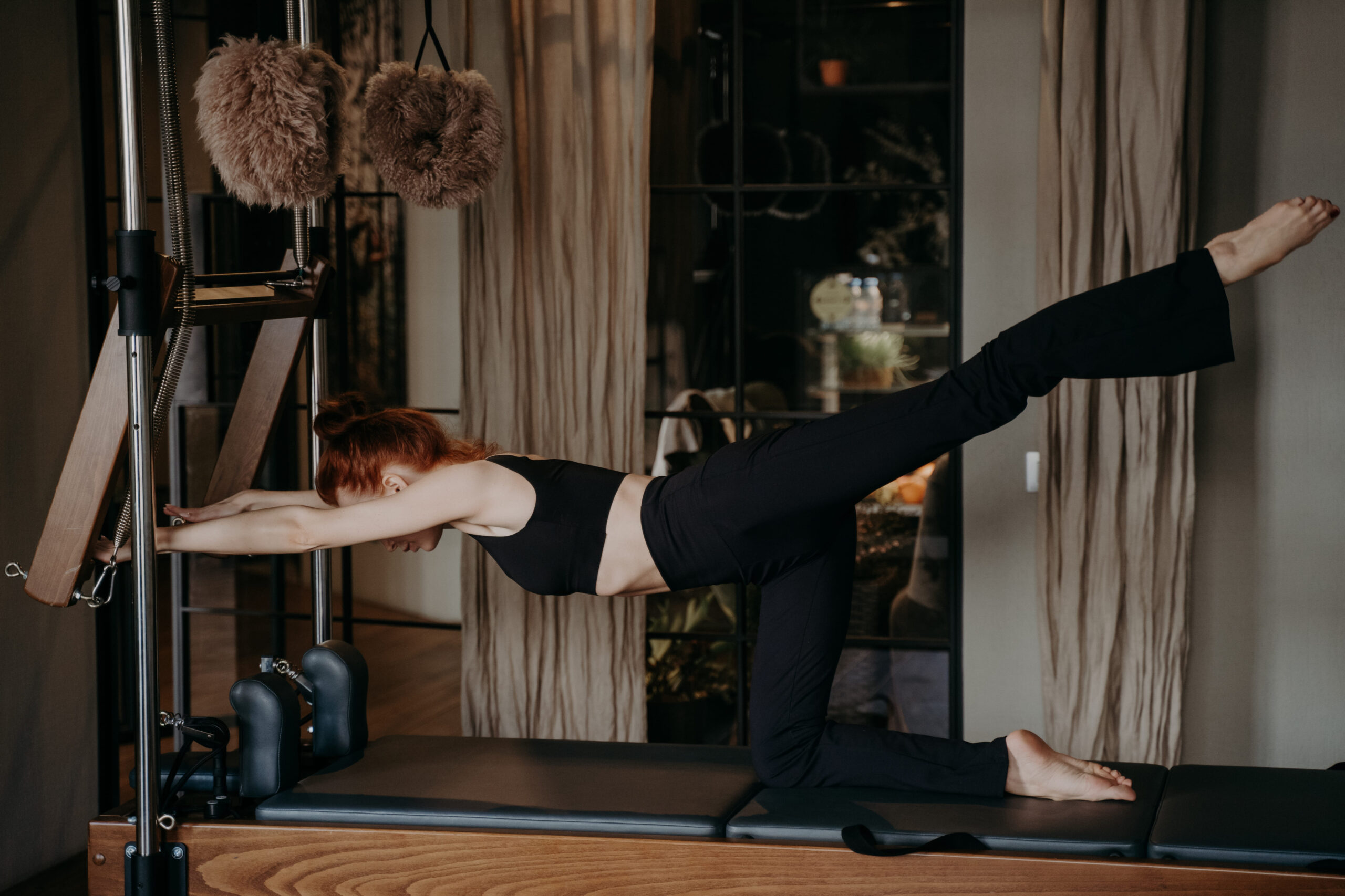 🔹 Full-Body Flow
Goal: Strengthen and lengthen from head to toe
- Includes spinal mobility, glute work, and ab control
- Often mat-based, sometimes with a light prop
🔹 Core + Glutes Combo
Goal: Build strength in the powerhouse zone
- Combines bridging, planks, leg lifts
- Intensity increases with time under tension
🔹 Power Pilates
Goal: Burn, sculpt, and elevate heart rate
- Faster tempo, minimal rest
- Uses light weights or resistance band for added challenge
🔹 Mindful Stretch and Strength
Goal: Combine flexibility and mobility with slow strength
- Targets hips, hamstrings, shoulders
- Often used for recovery or stress relief
🔹 Desk Reset / Midday Routine
Goal: Reverse the effects of sitting or screen time
- Focuses on upper back, hips, and breath
- A perfect midday mental reset
Sample Weekly Plan With 20-Minute Pilates Workouts
| Day | Focus |
| Monday | Core + Glutes |
| Tuesday | Full-Body Flow |
| Wednesday | Power Pilates (intense) |
| Thursday | Stretch + Recovery |
| Friday | Posture Reset Flow |
| Saturday | Lower Body Strength |
| Sunday | Optional Rest or Light Flow |
💡 This plan supports strength, flexibility, and sustainable weekly rhythm.
Best Props to Elevate a 20 Minute Session
- Pilates Ring (Magic Circle) – for inner thighs, arms, core
- Resistance Band – adds burn to leg and shoulder work
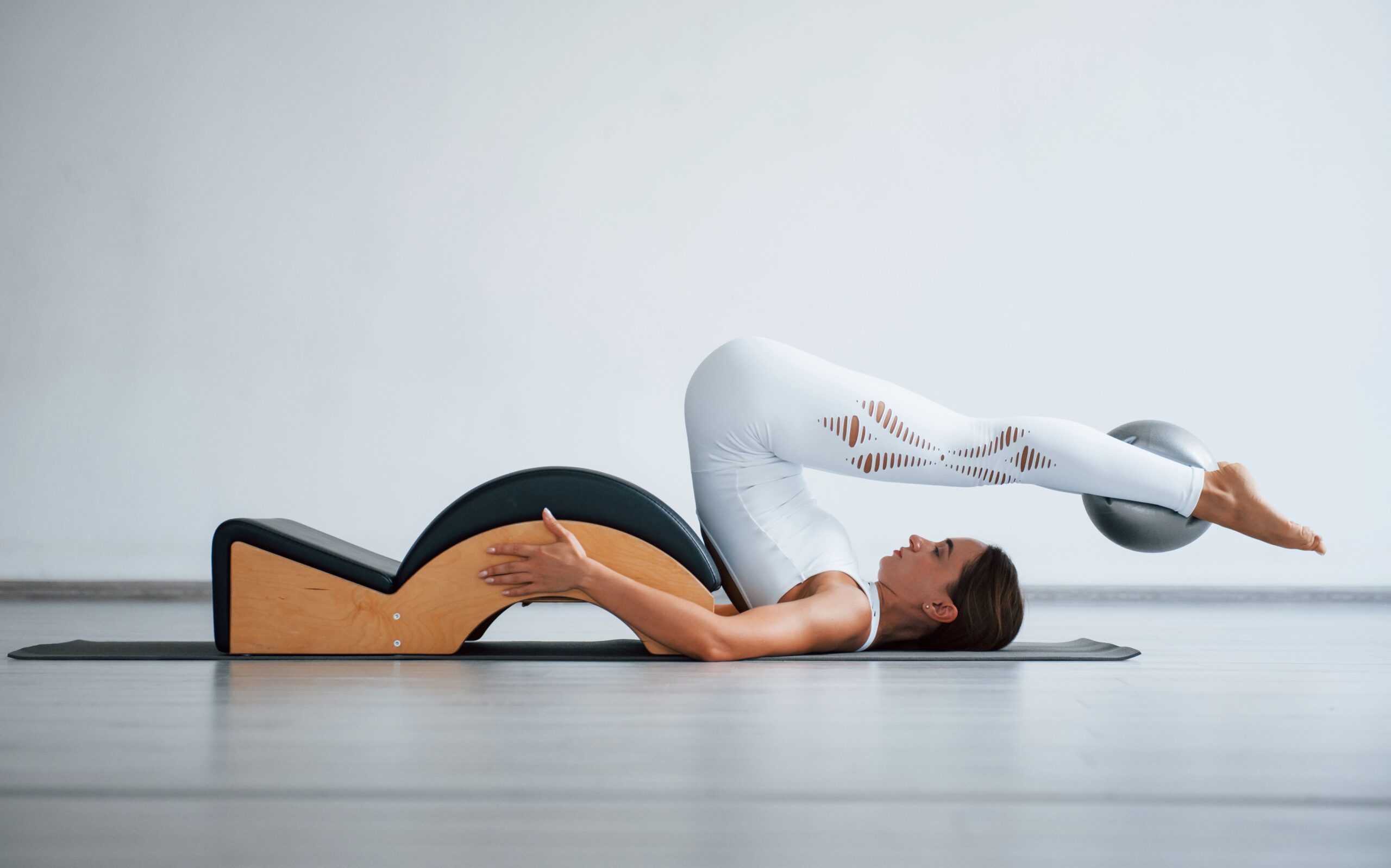
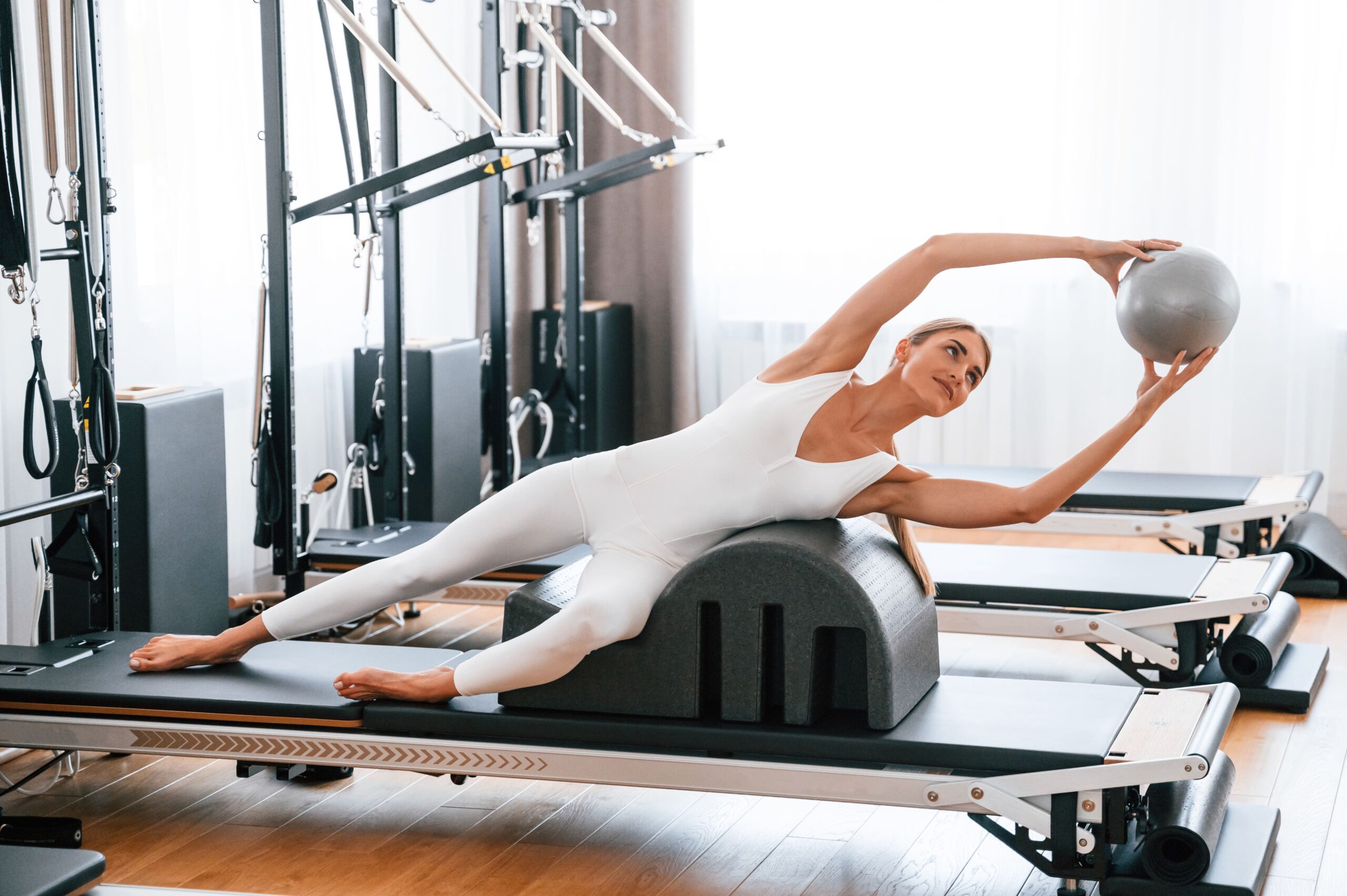
- Small Ball – activates deep core and improves balance
- Sliders – boost challenge in planks and glute bridges
💡 Props help you get more from less time — no need to go longer to go deeper.
Benefits of 20 Minute Workouts (Beyond the Physical)
✅ Mental clarity
A short session can refocus your mind and reduce decision fatigue.
✅ Consistency
Easy to stick with, even on low-energy or busy days.
✅ Adaptability
You can stack sessions, combine with other forms of training, or do it solo.
✅ Recovery support
Perfect for active rest days — moves lymph, increases circulation, prevents stiffness.
How to Make 20 Minutes Work for You
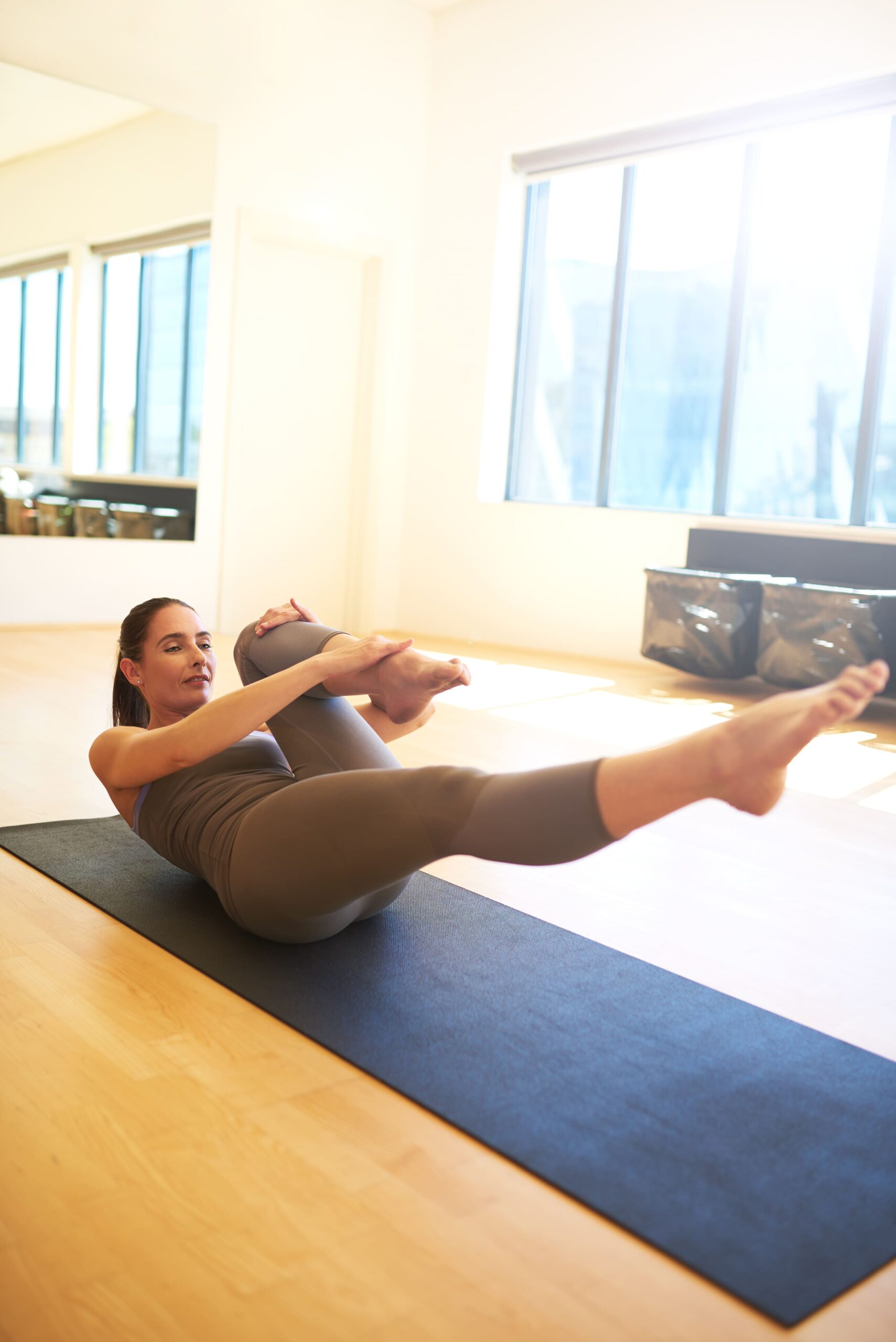 🔸 Schedule it like an appointment
Don’t treat it like a backup plan — it’s your core time.
🔸 Keep a playlist of go-to routines
Have a “Favorites” list so there’s no decision delay when you’re tight on time
🔸 Pair it with a goal
Today’s session: Core. Tomorrow’s: Posture. Keep things dynamic and purpose-driven.
🔸 Use breath to guide intensity
Inhale to lengthen, exhale to deepen the work. Breath control = energy management.
🔸 Track your wins
Write down what felt stronger, easier, or more connected after each session. This builds motivation.
Other Workouts
➡️ 30+ Minute Workouts
➡️ Pilates Workout Series
➡️ Pilates by Duration
➡️ Watch a Video from Move With Nicole
FAQs: 20 Minute Pilates Workouts
- Is 20 minutes of Pilates enough to build strength?
Yes — especially when sessions are focused and consistent. You’ll activate all major muscle groups and see toning and posture improvements.
- Do I need to warm up first?
Most 20-minute videos include a short warm-up. If not, spend 2–3 minutes doing basic breathwork and spinal mobility.
- Can I lose weight doing only 20-minute Pilates sessions?
Yes, particularly when combined with mindful nutrition and light cardio. Consistency is key.
- Should I use props for 20-minute routines?
Props are optional but enhance activation. Resistance bands and small balls are perfect for boosting results without adding time.
- What’s better — one 20-minute session or two 10-minute sessions?
Both work! Two 10-minute sessions can give variety, but a single 20-minute class offers flow and continuity.
20-minute Pilates workouts are a hidden gem in the fitness world — short enough to fit into any schedule, yet powerful enough to deliver lasting benefits. Whether you’re aiming for strength, flexibility, focus, or just a daily movement habit, this format gives you results without the stress of long sessions.
Your body doesn’t need more hours — it needs more intention. And 20 minutes of Pilates, done with focus and consistency, can reshape how you move, breathe, and feel — one flow at a time.