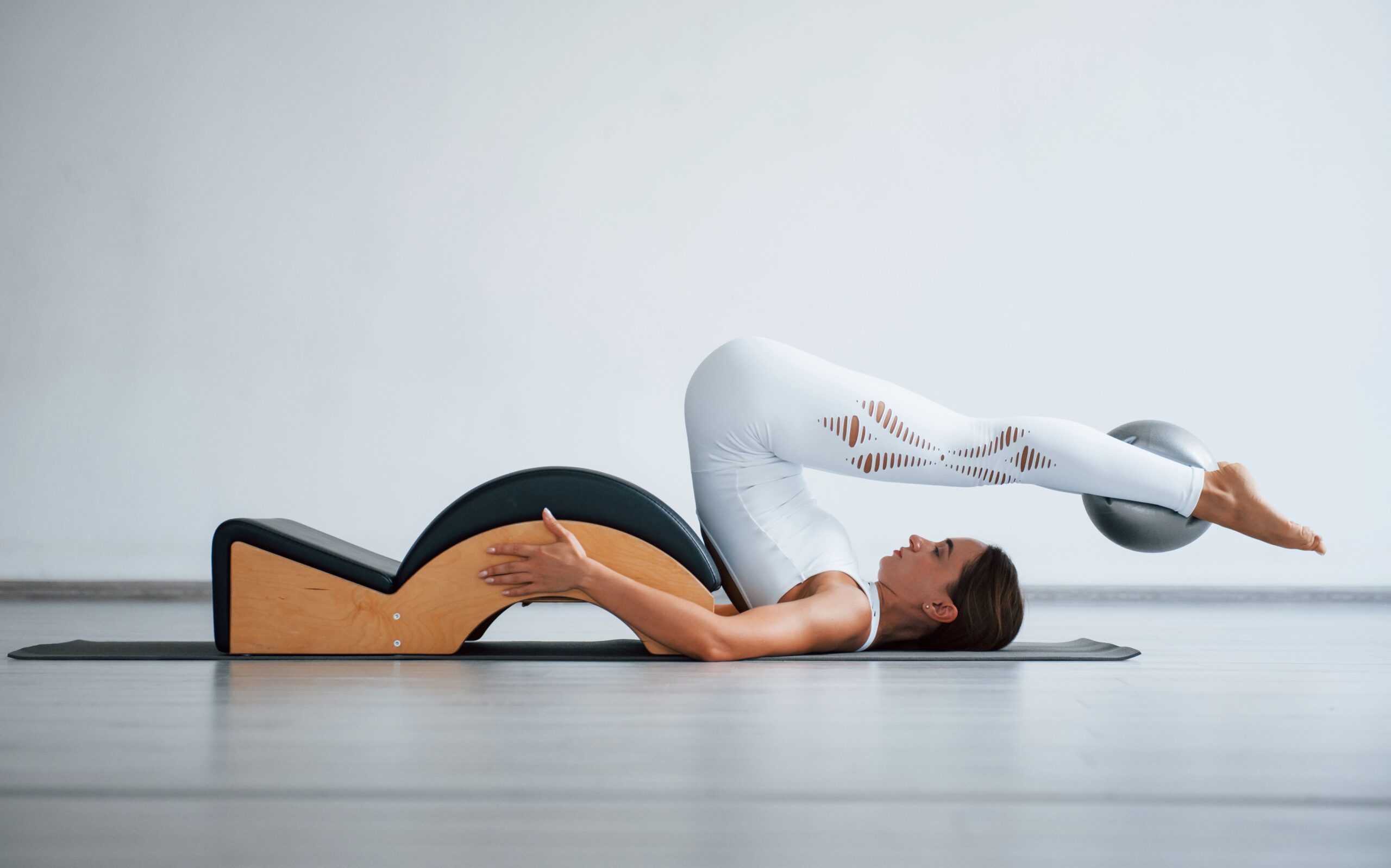
Low-impact, chair-based routines have become an increasingly popular way to move the body safely, comfortably, and effectively. These routines remove the intimidation factor often associated with floor work or high-intensity workouts and replace it with accessibility, stability, and confidence. Using a chair as the primary support, movements are adapted to reduce strain on joints while still offering meaningful strength, mobility, and coordination benefits.
Chair-based routines are not only for people recovering from injury or dealing with mobility limitations. They are valuable for beginners, older adults, office workers, and even experienced movers looking for a gentler yet focused session. When designed thoughtfully, these routines can be surprisingly challenging, engaging both body and mind without relying on impact or complex transitions.
What Defines Low-Impact, Chair-Based Movement
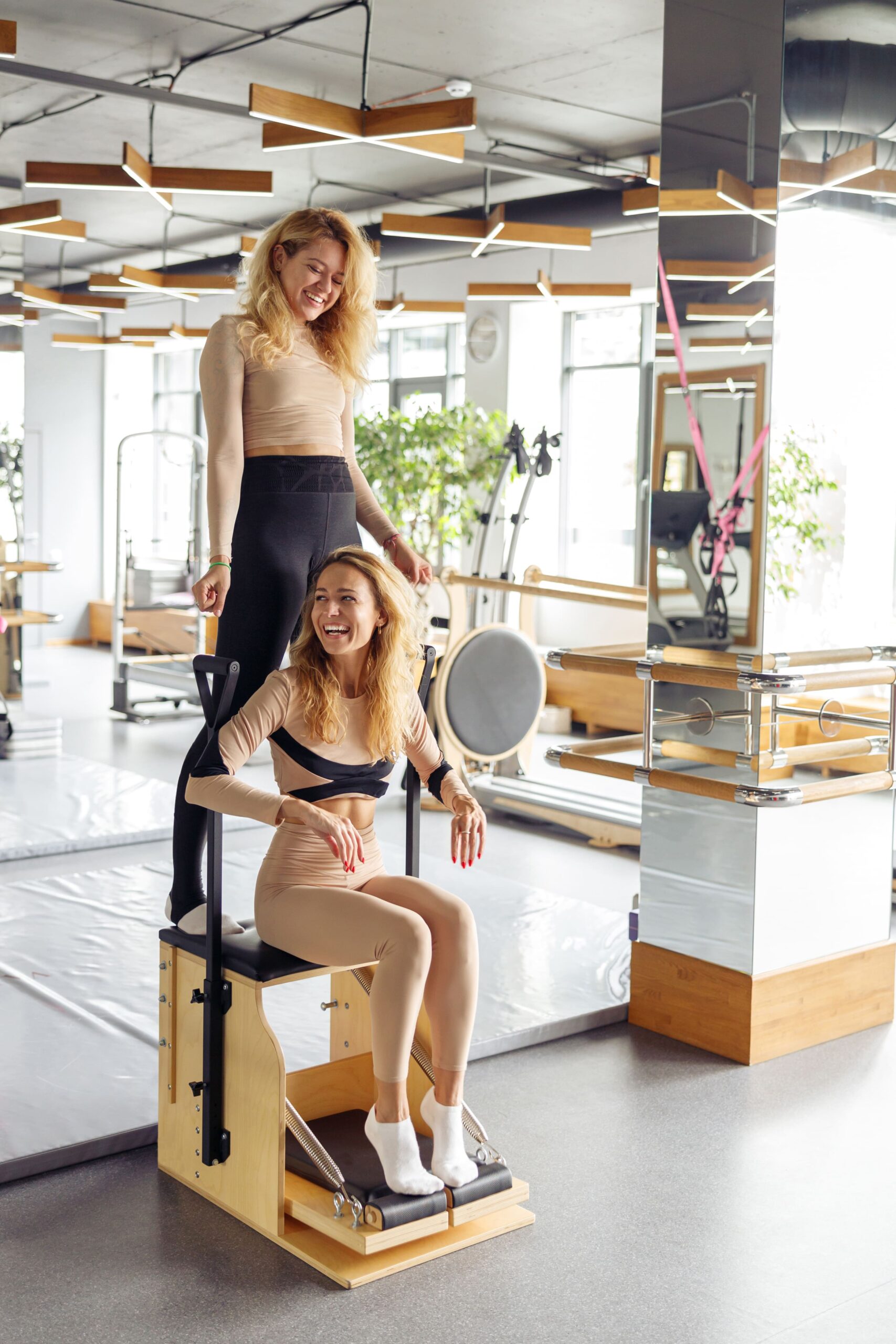 Low-impact movement refers to exercise that minimizes stress on the joints, particularly the knees, hips, and ankles. Chair-based routines take this one step further by providing a stable base that reduces the need for balance-intensive positions or weight-bearing through the lower body.
The chair acts as both a support and a prop. It can assist with seated exercises, standing balance work, and transitional movements. Unlike lying on the mat or moving quickly between levels, chair-based routines keep movements controlled and predictable.
This structure allows the focus to shift toward alignment, breath, muscle engagement, and coordination rather than managing impact or fear of instability. As a result, participants often feel more present and confident during their sessions.
Why Chair-Based Routines Are So Effective
The effectiveness of chair-based routines lies in their adaptability. Movements can be scaled easily by adjusting range of motion, speed, or resistance. This makes them suitable for group settings where participants may have varying abilities.
Chair-based routines also encourage better posture. Sitting or standing with the support of a chair allows practitioners to focus on spinal alignment without the distraction of balance challenges. Over time, this awareness carries into daily activities such as sitting at a desk or standing from a chair.
Another key benefit is consistency. Because chair-based routines feel approachable, people are more likely to practice them regularly. Consistent movement, even at lower intensity, often leads to better long-term outcomes than sporadic high-intensity workouts.
Who Benefits Most From Chair-Based Routines
Chair-based routines are especially beneficial for individuals with limited mobility, joint sensitivity, or balance concerns. Older adults often appreciate the added security a chair provides, allowing them to move with confidence rather than caution.
People recovering from injury or surgery may also find chair-based routines helpful as they reintroduce movement gradually. The chair offers support while rebuilding strength and coordination.
Office workers and those who sit for long periods can use chair-based routines to counteract stiffness and improve circulation. Even short sessions can help relieve tension in the hips, spine, and shoulders.
Strength Training Without Impact
One common misconception is that chair-based routines lack strength-building potential. In reality, they can be highly effective when designed with intention. Using body weight, controlled tempo, and sustained holds, muscles can be challenged without heavy loads or impact.
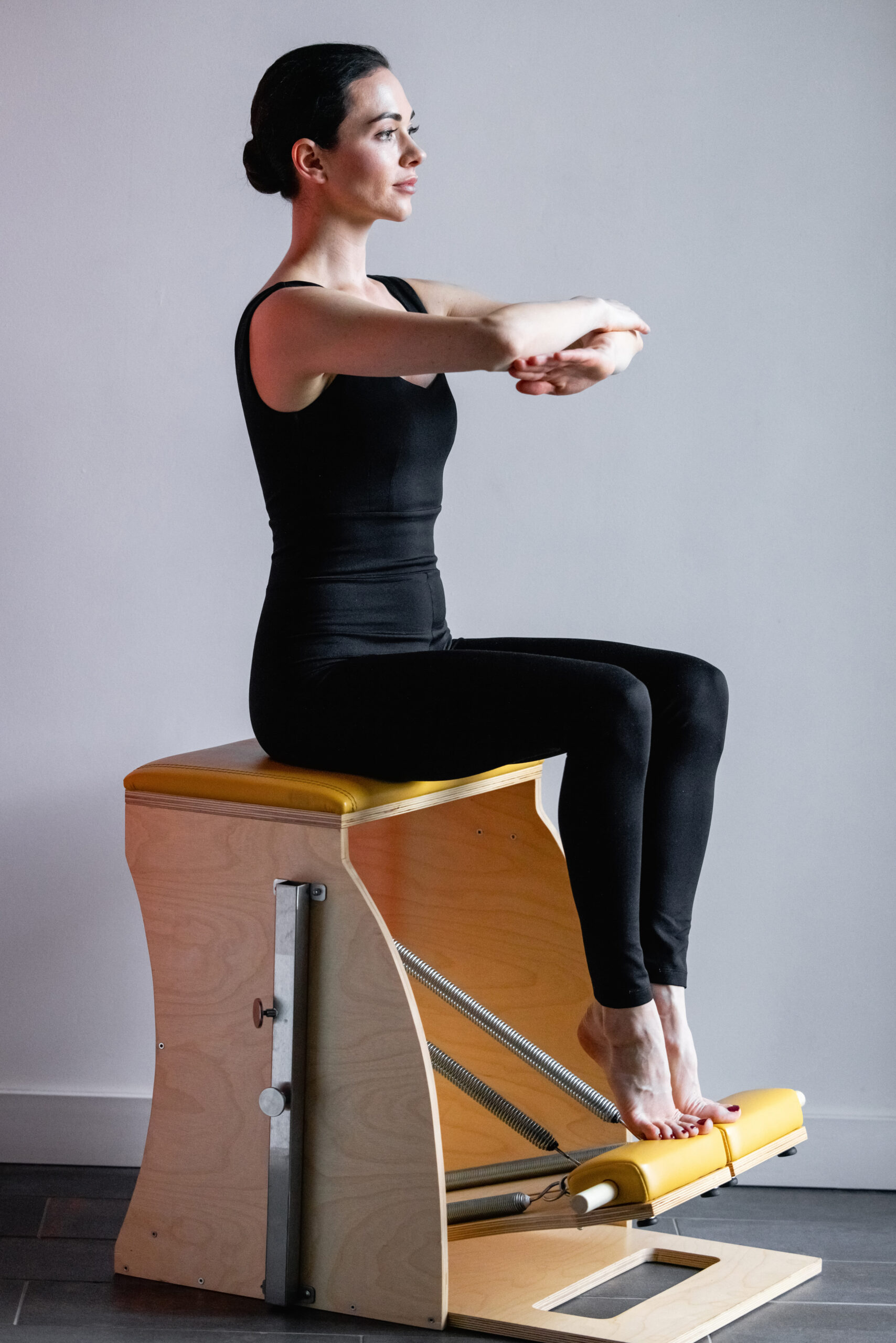
Seated leg lifts, arm presses, and supported squats engage major muscle groups while protecting the joints. The slower pace often used in chair-based routines increases time under tension, which supports strength development.
Core engagement is also central. Maintaining upright posture and controlling limb movements from a seated or supported standing position requires deep abdominal and postural muscle activation.
 Improving Mobility and Flexibility
Chair-based routines are excellent for improving mobility, particularly for the spine, hips, and shoulders. Seated rotations, side bends, and gentle forward folds allow the spine to move through different ranges safely.
For the hips, chair support makes it easier to explore flexion, extension, and rotation without excessive strain. Shoulder mobility improves through controlled arm movements that encourage range without forcing stretch.
These gentle mobility exercises can help reduce stiffness and improve comfort in everyday movements such as reaching, walking, or turning.
Balance and Coordination With Added Support
Balance training does not disappear in chair-based routines; it simply becomes safer and more approachable. The chair provides a reference point, allowing participants to test balance while knowing support is nearby.
Standing exercises that involve shifting weight, lifting one foot, or changing direction become less intimidating with a chair within reach. This confidence encourages better movement quality and reduces fear-based tension.
Coordination also improves as movements often combine upper and lower body actions with breath. These patterns stimulate the nervous system and enhance overall body awareness.
Breath and Mindfulness in Chair-Based Work
Breath plays a central role in low-impact routines. The slower pace and stable base make it easier to focus on breathing patterns and how they support movement.
Seated positions, in particular, allow for clearer awareness of the rib cage and diaphragm. Coordinated breathing helps regulate effort, reduce tension, and improve endurance.
This mindful quality often makes chair-based routines feel calming as well as energizing. Many people report leaving sessions feeling both relaxed and refreshed rather than depleted.
Adapting Chair-Based Routines for Home Practice
One of the biggest advantages of chair-based routines is how easy they are to practice at home. Most people already have a sturdy chair available, eliminating the need for special equipment.
When practicing at home, it is important to choose a chair without wheels and with a firm seat. Proper setup supports safety and allows full attention on movement quality.
At this stage, many people choose to follow a guided beginner-friendly session that combines seated strength, gentle standing work, and breath-focused movement, for example: Chair-Based Pilates Routines. These routines often demonstrate how to use the chair effectively while maintaining good alignment.
Chair-Based Routines as Part of a Balanced Program
While chair-based routines can stand alone, they also fit well into a broader movement program. They can be used on recovery days, as warm-ups, or as low-intensity sessions between more demanding workouts.
For individuals managing fatigue or chronic conditions, chair-based routines may form the core of their regular practice. The key is progression through awareness and control rather than intensity.
Combining chair-based work with walking, stretching, or other low-impact activities supports overall health and keeps movement enjoyable.
Common Misunderstandings About Chair-Based Exercise
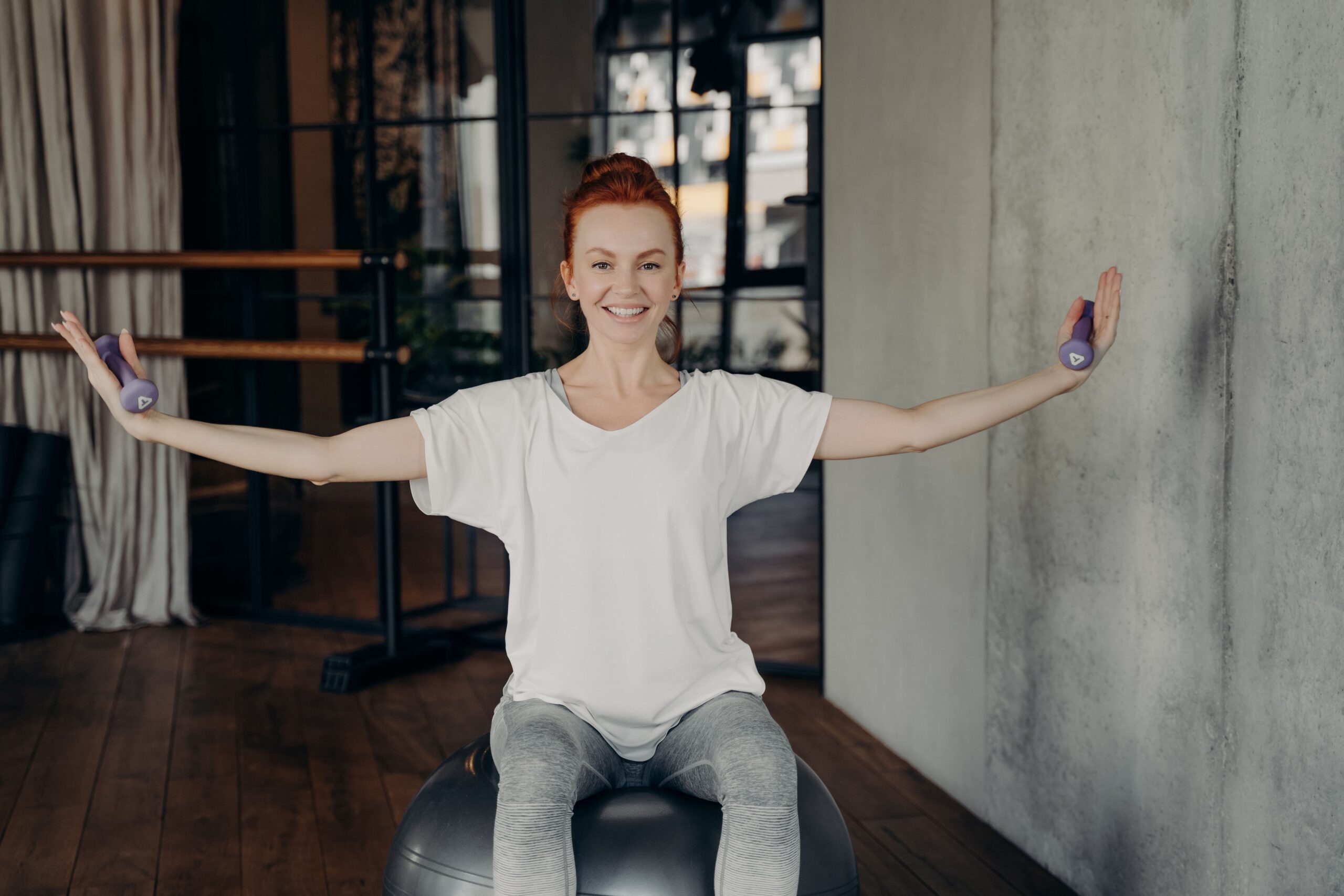 A frequent misunderstanding is that chair-based routines are only for those who cannot do other forms of exercise. In reality, many experienced practitioners use chair-based work to refine technique, recover, or focus on specific movement patterns.
Another misconception is that these routines are boring or repetitive. Creative sequencing, thoughtful cueing, and purposeful transitions can make chair-based sessions engaging and varied.
Some also assume that chair-based routines do not offer cardiovascular benefits. While they are low impact, continuous movement and large muscle engagement can still elevate heart rate gently and sustainably.
Progression and Long-Term Benefits
Progression in chair-based routines often appears subtly. Movements feel smoother, posture improves, and endurance increases. Over time, participants may notice improved confidence when transitioning to standing or walking activities.
Long-term benefits include better joint health, improved circulation, increased strength, and enhanced body awareness. These changes support independence and quality of life.
Because chair-based routines emphasize safety and control, they encourage long-term participation rather than short bursts of effort followed by burnout.
Creating a Positive Relationship With Movement
One of the most meaningful aspects of low-impact, chair-based routines is how they shape mindset. By removing fear and discomfort, they allow people to reconnect with movement in a positive way.
This sense of ease builds trust in the body. Movement becomes something supportive rather than punishing, which can be especially important for those returning to exercise after a long break.
Over time, this positive relationship often leads to greater consistency and willingness to explore new forms of movement. Check out more posts: 20 Best Chair Exercises
FAQs
Are chair-based routines effective for building strength?
Yes. When performed with control and proper engagement, chair-based routines can build strength, particularly in the legs, arms, core, and postural muscles.
Do I need special equipment for chair-based workouts?
No. A sturdy chair without wheels is usually sufficient. Some routines may add light weights or bands, but they are optional.
Can chair-based routines help with balance?
Yes. The chair provides support while still allowing balance challenges in a safe, controlled way.
How often can chair-based routines be practiced?
They can be practiced several times per week or even daily, depending on intensity and individual recovery needs.
Are chair-based routines suitable for beginners?
Absolutely. Their low-impact nature and built-in support make them an excellent starting point for beginners or those returning to exercise.