Pilates is a system rooted in precision and alignment—but it also carries an elegance that comes alive in flow sequences. When combined with floor work, these sequences offer a powerful yet low-impact approach to building whole-body strength, mobility, and coordination. No machines, no standing choreography—just you, the mat, and your breath.
Whether you’re aiming to improve flexibility, target deep stabilizing muscles, or refine your movement transitions, flow-based floor work is one of the most accessible and effective formats for Pilates practice. In this guide, we’ll break down what makes these sequences so impactful, how to build them, and what to focus on for maximum benefit.
What Are Flow Sequences in Pilates?
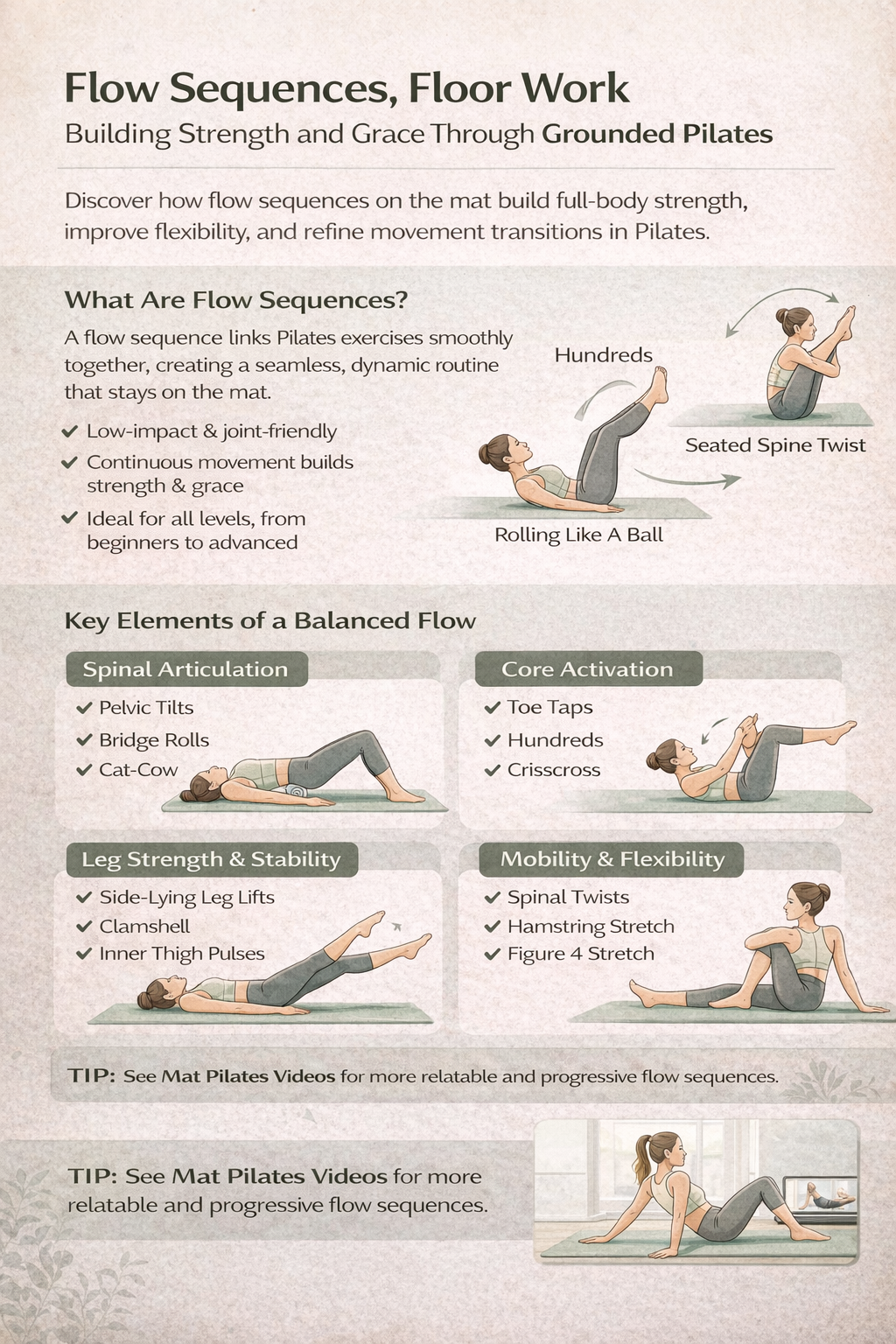 Flow sequences are structured combinations of Pilates exercises linked together with minimal pause, designed to promote continuous movement. This doesn’t mean fast or frantic—it means smooth transitions, consistent breathwork, and a mindful pace.
When applied to floor work, these flows stay entirely grounded—usually lying down, side-lying, seated, or in kneeling positions. It’s ideal for:
-
Beginners learning foundational patterns
-
Individuals recovering from injury
-
Anyone seeking a focused, alignment-rich practice
-
Practitioners looking to explore Pilates by Duration flows that are gentle yet effective
Benefits of Floor-Based Flow Sequences
While standing Pilates and equipment-based reformer classes have their place, staying grounded offers unique advantages:
-
Core activation without momentum
-
Joint-friendly movement with less impact
-
Full access to spinal articulation without balance distractions
-
Safer for wrists, knees, and lower back
-
Emphasis on control and quality of motion
These sequences are especially great for those exploring Beginner Pilates Videos or looking to deepen their mat-based practice without external resistance.
Key Components of a Grounded Flow
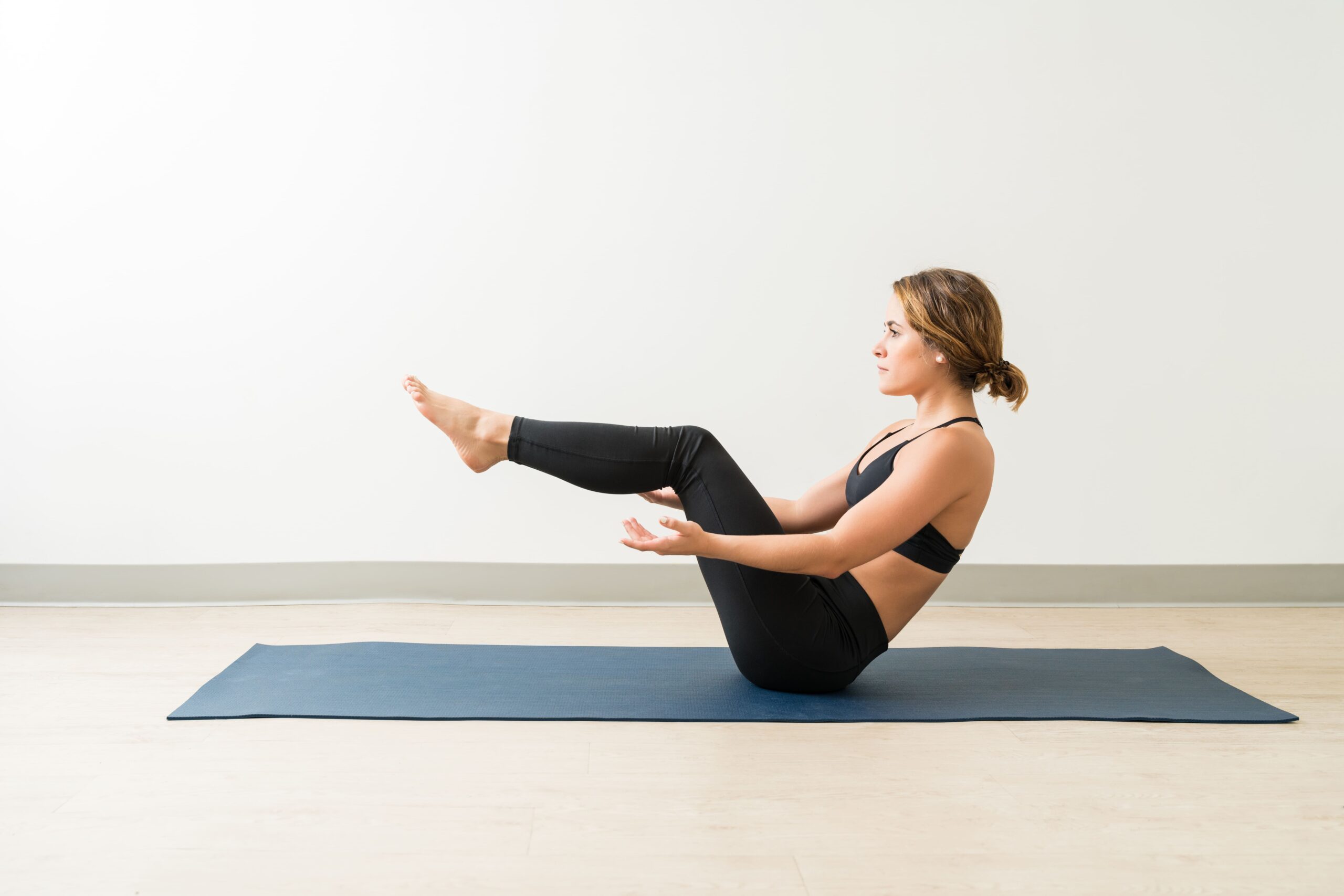
To create a balanced, flowing routine that stays on the mat, you’ll want to incorporate a combination of movement categories that work synergistically. Here’s a simple breakdown:
 🔹 1. Spinal Articulation
Great for warming up the spine and establishing breath-body connection.
-
Pelvic Tilts
-
Bridge Rolls
-
Cat-Cow (on all fours)
-
Seated Roll Downs
🔹 2. Abdominal Activation
Floor work is ideal for isolating the core while keeping the spine supported.
-
Toe Taps
-
Hundreds
-
Double Leg Stretch
-
Crisscross
-
Dead Bug (with controlled breath)
🔹 3. Side-Lying or Supine Leg Series
Targets outer thighs, glutes, and hip stability.
-
Side-Lying Leg Lifts
-
Clamshells
-
Inner Thigh Pulses
-
Leg Circles (on back or side)
🔹 4. Back Extension
Balance the flexion-based core work with back-body strength.
-
Swimming
-
Dart
-
Cobra or Swan
-
Prone Arm & Leg Reaches
🔹 5. Mobility & Flexibility
Encourage full-body integration and release.
-
Spinal Twists
-
Figure 4 Stretch
-
Hamstring Stretch (lying down)
-
Child’s Pose
-
Mermaid Stretch (seated side bend)
These flows are often featured in Pilates for Special Populations, as the gentle pacing and supportive positions are safe and effective across age groups and ability levels.
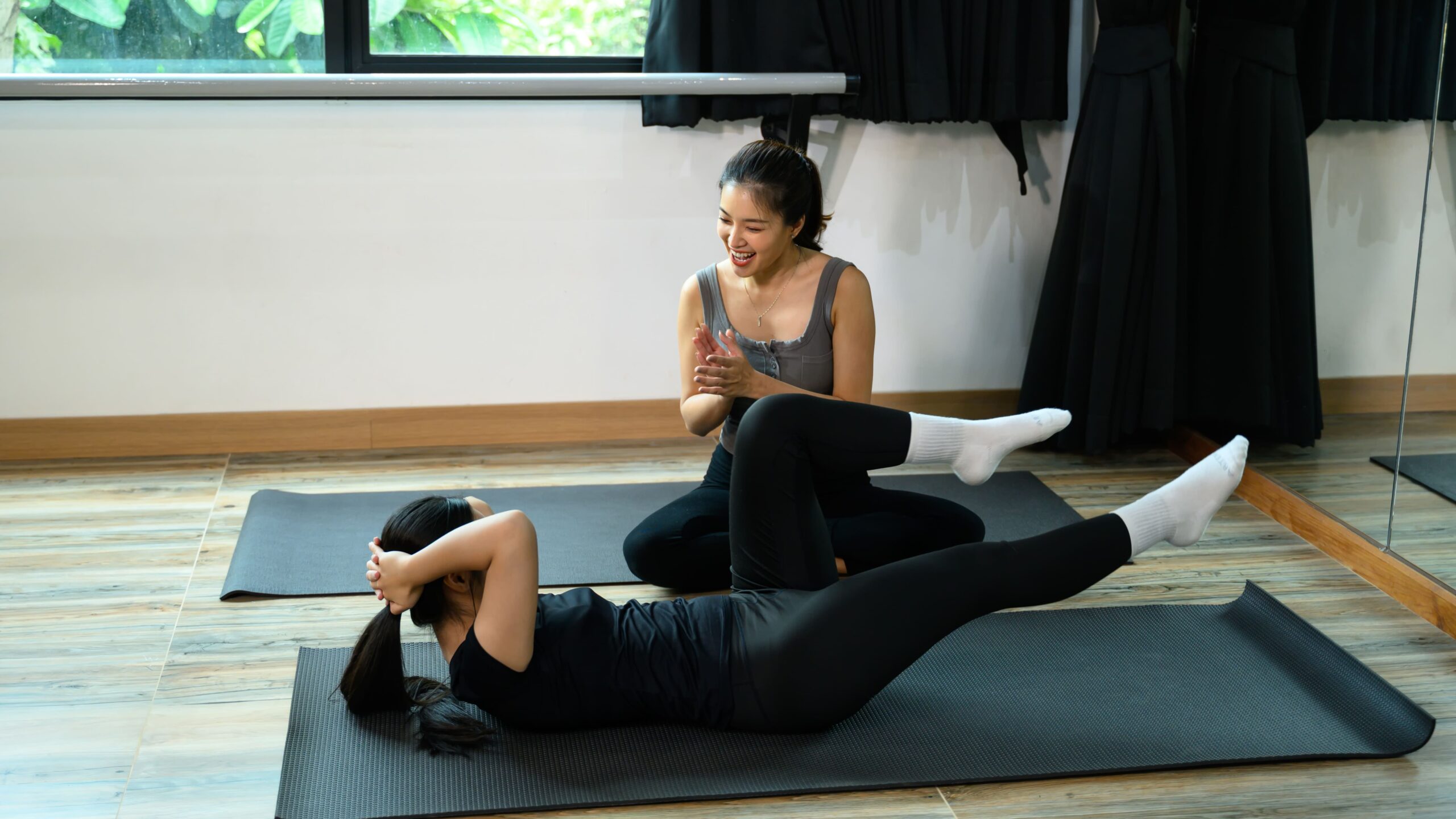
Sample Floor-Based Flow Sequence (20–25 min)
This well-rounded routine keeps you on the mat from start to finish, creating a smooth, connected practice:
-
 Breathwork + Pelvic Tilts (2 mins)
 -
Bridge with Arm Reach Flow (3 mins)
-
Toe Taps + Dead Bug Alternation (4 mins)
-
Hundreds (1 min)
-
Side-Lying Leg Lifts & Circles (Right/Left) (6 mins total)
-
Prone Swimming + Child’s Pose (3 mins)
-
Seated Spine Twist + Forward Fold (3 mins)
-
Figure 4 Stretch + Supine Twist (3 mins)
This kind of flow builds heat, encourages graceful transitions, and leaves your body feeling strong and centered.
The Role of Breath in Flow Sequences
Breath is the glue that holds Pilates flows together. During floor-based sequences, breath:
-
Helps you maintain rhythm and pacing
-
Enhances muscle activation (especially deep core)
-
Supports spinal articulation
-
Grounds your nervous system
General rule:
-
Inhale to prepare or expand
-
Exhale during effort or contraction
Breathing also prevents common pitfalls like breath holding or over-arching the spine during exercises (especially when legs are lifted). Practicing lateral ribcage breathing allows you to maintain abdominal engagement without sacrificing oxygen flow.
([This is a great spot to reference the Overarching, Breath Holding article]) (image)
How to Elevate Your Flow Practice
You don’t need to reinvent the wheel to keep your mat flows effective. Here are a few tips for advancing your floor work:
-
Add time-based intervals (e.g., 45 seconds per exercise)
-
Experiment with tempo—slower reps for control, pulses for intensity
-
Try mini-sequences: combine 2–3 movements back-to-back (e.g., side kicks + circles + clamshell)
-
Use breath timing to pace transitions instead of counting reps
-
Emphasize transitions: don’t rush between moves—flowing between them is part of the challenge
Many Pilates Fusion Workouts take this approach, blending classical mat work with mobility drills and yoga-inspired transitions for a deeper, flowing experience. We also recommend watching this video: Pilates Flow Sequences
When to Practice Floor-Based Flows
These routines are versatile and can fit anywhere in your schedule. You might choose them when:
-
You’re short on time and want a 20-minute full-body boost
-
You need a gentler session for recovery or low energy days
-
You’re traveling and want a hotel-room-friendly practice
-
You’re building up to more advanced Pilates and need to refine form
They also pair beautifully with Reformer Pilates Videos, allowing you to alternate between equipment days and grounded recovery sessions.
FAQs
Can I do flow-based floor Pilates daily?
Absolutely. Since these sequences are low-impact and modifiable, they’re safe to do daily, even in shorter 10–15 minute blocks.
Is this style good for beginners?
Yes. Grounded flow sequences are ideal for beginners because they prioritize alignment, breath, and control over speed or intensity.
Do I need props for this kind of workout?
No. These flows are specifically designed to be performed without props, making them perfect for bodyweight-only practice.
How do I know if I’m doing the transitions correctly?
Focus on smooth, controlled movement and use your breath as a guide. If a transition feels jerky or rushed, slow it down and reduce your range of motion.
What’s the difference between mat Pilates and floor work?
They’re closely related. All floor work is mat Pilates, but not all mat Pilates is limited to the floor. Floor-based flows are specifically sequences that keep you grounded from start to finish.
Flow sequences done on the floor offer more than just exercise—they’re an experience of mindfulness in motion. With no machines, no distractions, and no need for perfection, you can explore your body’s natural rhythm, refine your technique, and build lasting strength from the ground up.