When people think of Pilates, they often imagine smooth, controlled movements that tone the body and build core strength. But at the heart of every effective Pilates session lies something often underestimated — breath. Breathing in Pilates isn’t just about oxygen intake; it’s a foundational principle that ties mind to movement, enhances control, and elevates physical awareness.
In this article, we’ll explore how breathing is used in Pilates, the different techniques, their benefits, and how integrating breath with movement can transform your practice.
Why Breathing Matters in Pilates
 Joseph Pilates, the founder of the method originally called Contrology, emphasized that “breathing is the first act of life and the last. Our very life depends on it.” For him, correct breathing was vital — not only to oxygenate the body but also to cleanse it and focus the mind.
In Pilates, breathing helps to:
- Support movement by activating the deep abdominal muscles
- Improve focus and mental clarity
- Enhance spinal mobility and posture
- Regulate energy during demanding exercises
- Create a fluid rhythm throughout the workout
Many people breathe inefficiently — shallow, chest-based breathing that’s disconnected from movement. Pilates retrains you to breathe deeply and with intent, especially in coordination with core engagement.
Core Concepts of Pilates Breathing
There are a few core ideas to grasp when it comes to Pilates-style breathing:
- Lateral (Posterior-Lateral) Breathing
Unlike yoga, which often encourages abdominal or diaphragmatic breathing, Pilates uses lateral breathing. This technique encourages the expansion of the ribcage sideways and toward the back, rather than letting the belly rise and fall.
Why it’s important: Lateral breathing allows you to keep the core muscles — especially the transverse abdominis — engaged while still taking in full breaths. This is crucial for stability and spine support during movement.
- Inhale to Prepare, Exhale to Engage
A common cue in Pilates classes is: Inhale to prepare, exhale to move. Exhaling during exertion (like during a crunch or roll-up) supports muscular engagement and prevents holding your breath — which can build tension and reduce effectiveness.
- Breath Initiates Movement
In more advanced practice, breath doesn’t just accompany movement — it initiates it. For example, a strong exhale may help activate the pelvic floor and deep abdominals, setting the stage for a more controlled movement.
How to Practice Pilates Breathing
Step 1: Find Your Breath
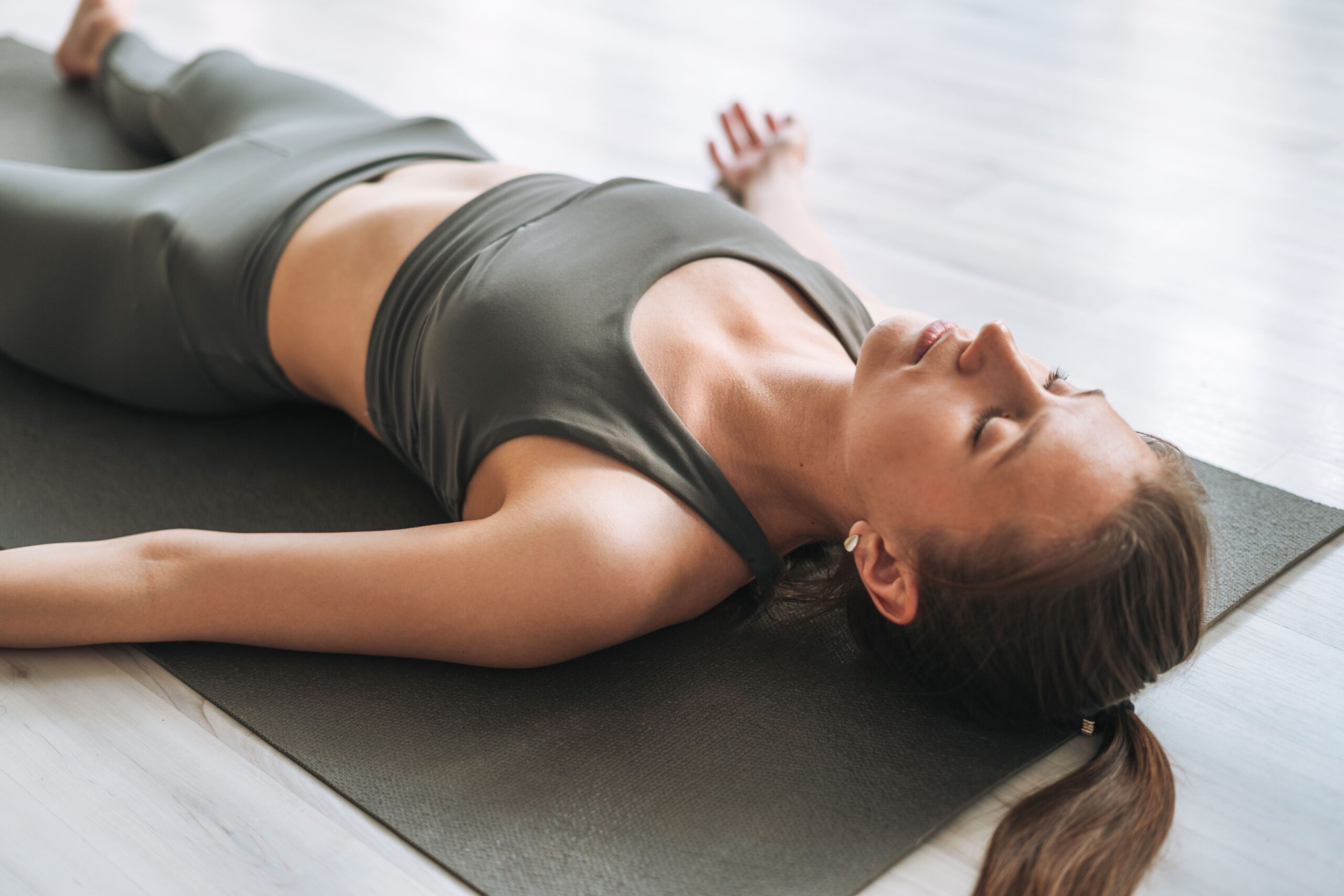
Lie down on your back with your knees bent and feet flat. Place your hands on the sides of your ribcage.
- Inhale through the nose, feeling the ribs expand outward and into your hands.
- Exhale through pursed lips, feeling the ribs draw in and down, and your abdominal muscles gently engage.
Avoid letting the chest rise dramatically or the belly puff out. The breath should feel expansive in the ribs, but the core remains subtly engaged.
Step 2: Layer in Movement
Start with simple movements like:
- Pelvic tilts: Exhale as you tilt the pelvis and engage the core.
- Leg lifts: Exhale to lift one leg to tabletop, inhale to hold, exhale to lower.
Always focus on breath before speed. It’s better to move slowly and breathe correctly than to rush through reps disconnected from your breath.
Common Breathing Patterns in Pilates Exercises
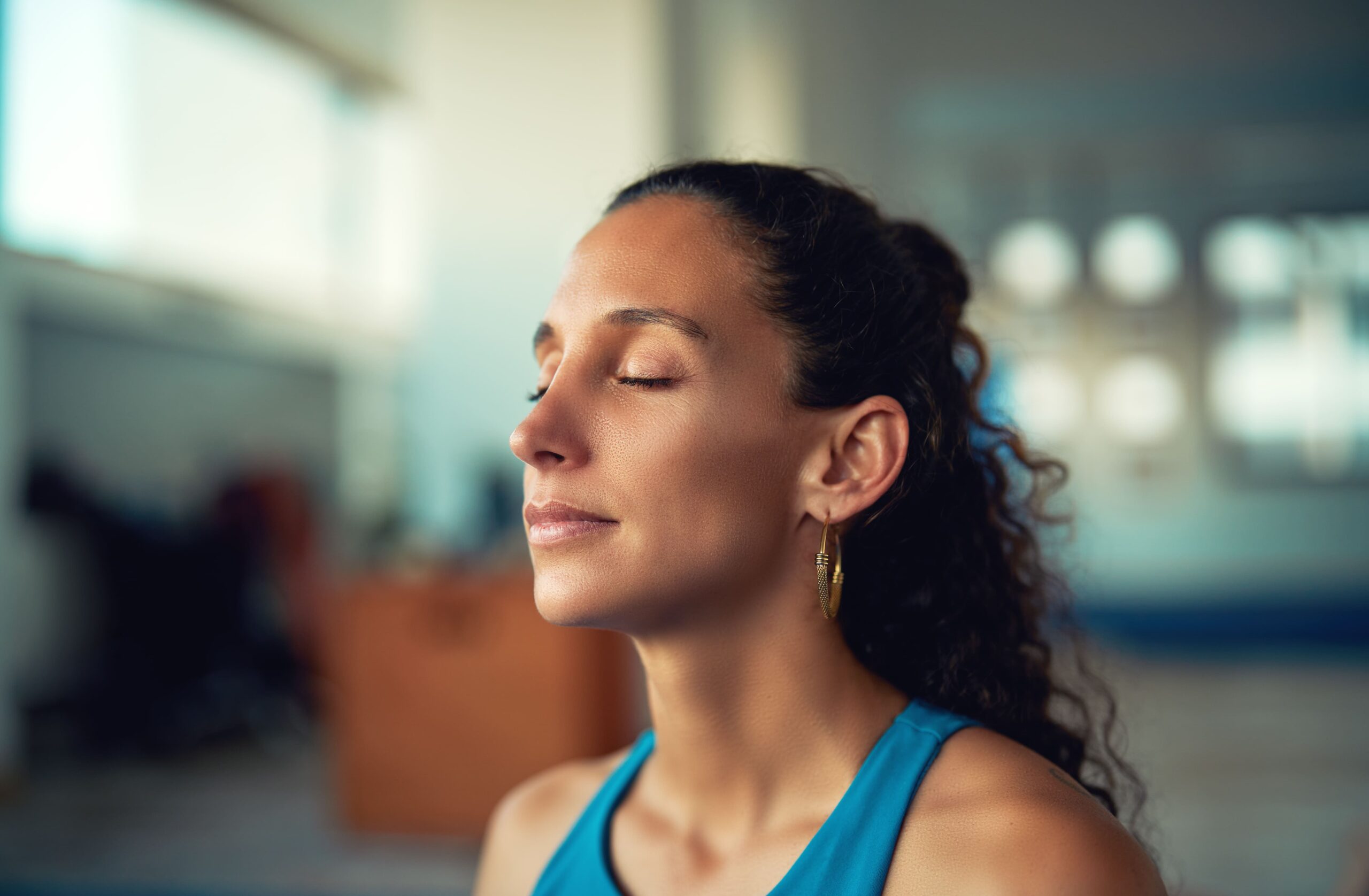 Each Pilates move may use slightly different breathing cues, depending on its intention. Here’s how breath typically coordinates with popular exercises:
✔ The Hundred
- Inhale for 5 counts, exhale for 5 counts — repeat 10 times (100 breaths).
- This builds breath control and endurance while maintaining core engagement.
✔ Roll-Up
- Inhale to prepare.
- Exhale as you roll up segment by segment.
- Inhale at the top, and exhale as you roll down.
✔ Spine Twist
- Inhale to sit tall.
- Exhale to rotate the spine.
- Inhale to return to center.
Each breath supports the spine and engages the obliques — breath becomes a tool to deepen the twist.
Benefits of Correct Pilates Breathing
Incorporating proper breathing techniques offers a wide range of benefits beyond the mat:
- Better Core Activation
Breath naturally activates the deep abdominal and pelvic floor muscles, leading to better control and strength.
- Improved Circulation
Deep, rhythmic breathing improves oxygen flow, which fuels your muscles and helps flush out toxins.
- Enhanced Focus
Because breath requires attention, it brings the mind into the body — a form of moving meditation.
- Reduced Stress and Tension
Intentional breathing helps calm the nervous system, making Pilates both energizing and relaxing.
- Spinal Mobility and Posture
With every breath, the ribs and spine are mobilized, which gradually enhances posture and reduces stiffness.
Breathing Mistakes to Avoid
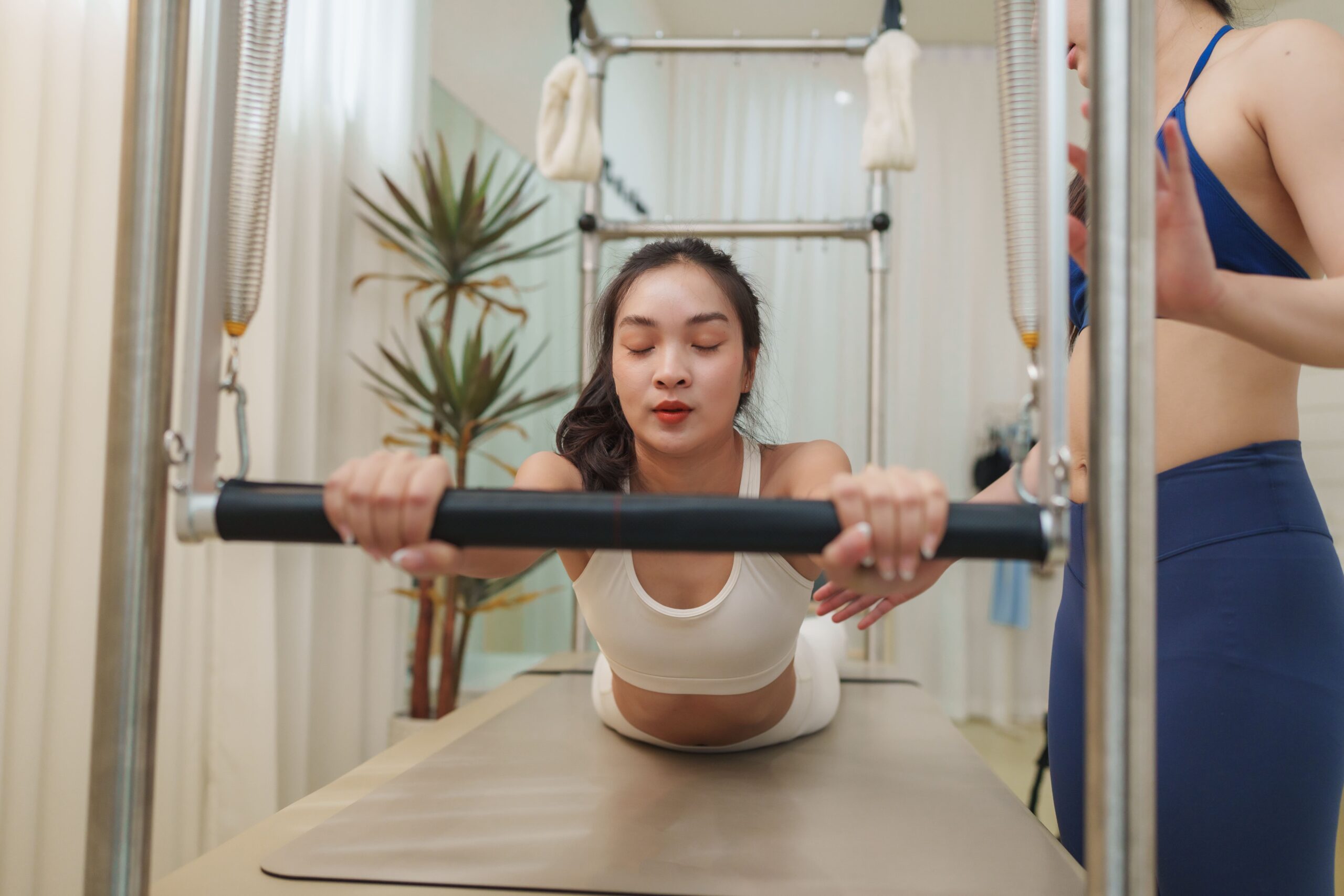 Even experienced Pilates practitioners can fall into unhelpful patterns. Watch out for:
- Breath holding during exertion — it limits movement and increases tension.
- Chest-only breathing — which doesn’t activate the diaphragm or core.
- Shallow breathing — reducing oxygen intake and disconnecting you from your movement.
The key is awareness. Even if you forget the “right” breath pattern, simply staying conscious of your breath is already a powerful step.
Integrating Breath Beyond the Mat
Once you learn to breathe well in Pilates, you’ll notice its ripple effects in other areas:
- In yoga, breath supports flow and flexibility.
- In strength training, exhaling during exertion helps with power and stability.
- In daily life, calming breaths can reset your nervous system in stressful moments.
Pilates breathing, in its simplicity, becomes a life tool — not just a workout technique.
Breath is the invisible thread weaving through every Pilates movement. It may seem subtle, even secondary, at first — but over time, it reveals itself as the power source behind control, precision, and flow. Whether you’re new to Pilates or a seasoned mover, revisiting your breath can bring newfound depth to your practice.
So next time you’re on the mat, take a moment to notice: are you breathing with your body or against it?
Let the breath guide you — movement will follow. Watch more here: How to Breathe in Pilates
Frequently Asked Questions
- What is lateral breathing in Pilates?
Lateral breathing focuses on expanding the ribcage sideways and toward the back, allowing core muscles to stay engaged while still taking in deep breaths.
- Why is exhaling during exertion important in Pilates?
Exhaling helps activate the core and stabilize the body, especially during challenging movements. It also prevents breath-holding, which can cause tension.
- How do I know if I’m breathing correctly during Pilates?
You should feel your ribs expand sideways, not your belly. The movement should feel fluid and supported, with no tension in the neck or shoulders.
- Can Pilates breathing techniques help with stress?
Absolutely. Deep, mindful breathing calms the nervous system and can reduce anxiety, both on and off the mat.
- Is it okay if I forget the breathing pattern during a class?
Yes. Awareness is more important than perfection. Just try to return to your breath when you can — with time, it becomes second nature.