If you’ve recently stepped into the world of Pilates, you’ve probably heard terms like “the Hundred” or “Roll-Up” tossed around with little context. This guide breaks down the essential movements in beginner Pilates, providing clear instruction, purpose, and form tips for each.
Whether you’re following along with videos or crafting your own routine, understanding the structure and goals of these movements will transform your practice.
 Why Learn Pilates Movements Properly?
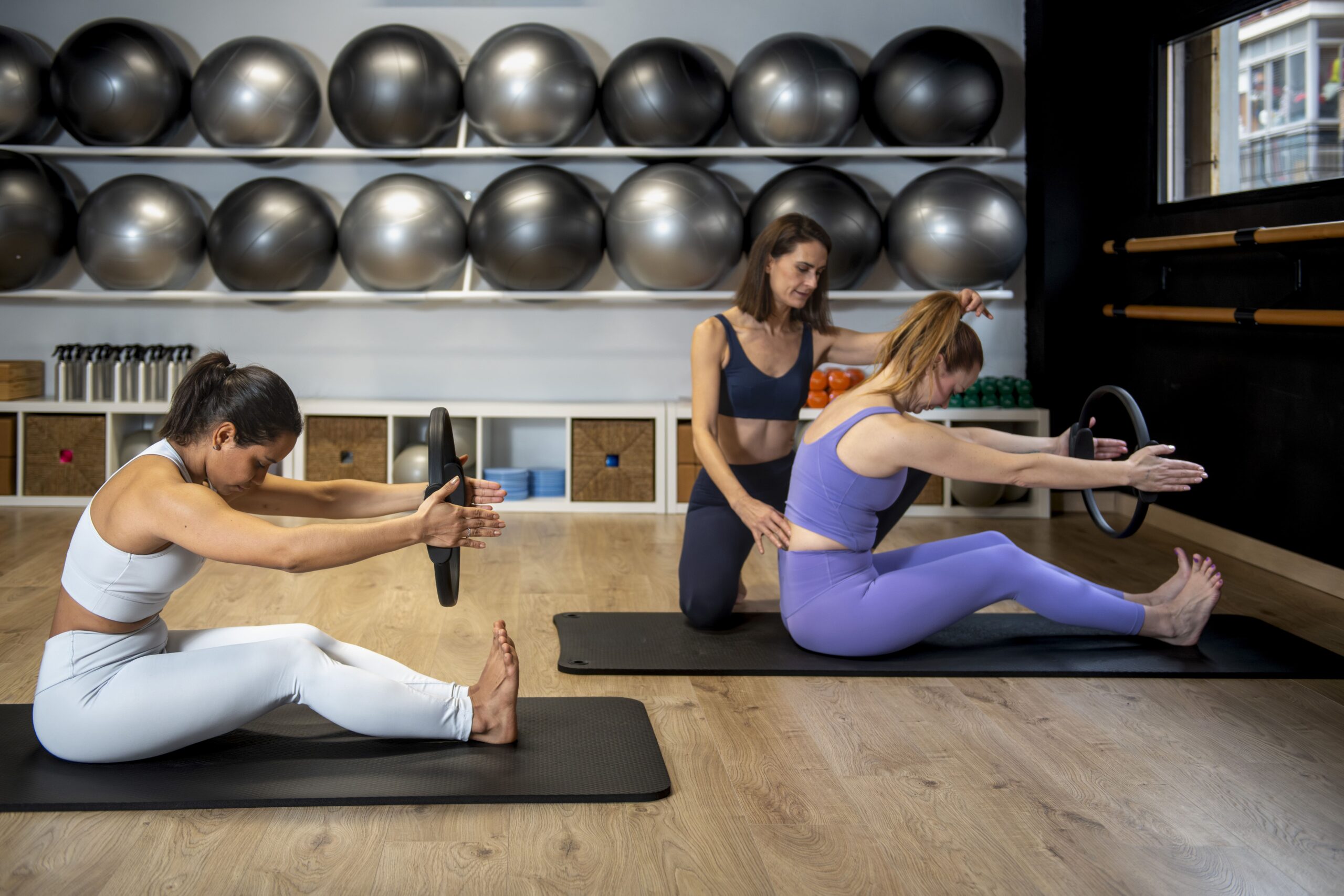
Pilates isn’t about doing more — it’s about doing better. Each movement is rooted in control, breath, and alignment. Mastering these motions early:
- Reduces the risk of injury
- Helps build muscle memory
- Ensures you’re activating the right muscles
- Makes advanced routines easier down the line
The Core Principles Behind Every Movement
Before diving into specific exercises, it’s important to understand the principles that govern all Pilates movements:
- Concentration
Total focus is needed to engage the correct muscles and avoid momentum-driven motion.
- Control
Movements are never rushed or sloppy — precision is key.
- Centering
The “powerhouse” (your core) is the foundation of every move.
- Flow
Transitions between exercises should feel natural and smooth.
- Precision
Each limb has a purpose, and even small misalignments can affect the movement.
- Breath
Inhale to prepare, exhale to move — breath supports your core and enhances control.
Key Beginner Pilates Movements (And How to Do Them Right)
Let’s explore the foundational movements that form the basis of most beginner routines (See more: Mat Exercises). Each one is beginner-friendly but incredibly powerful when done correctly.
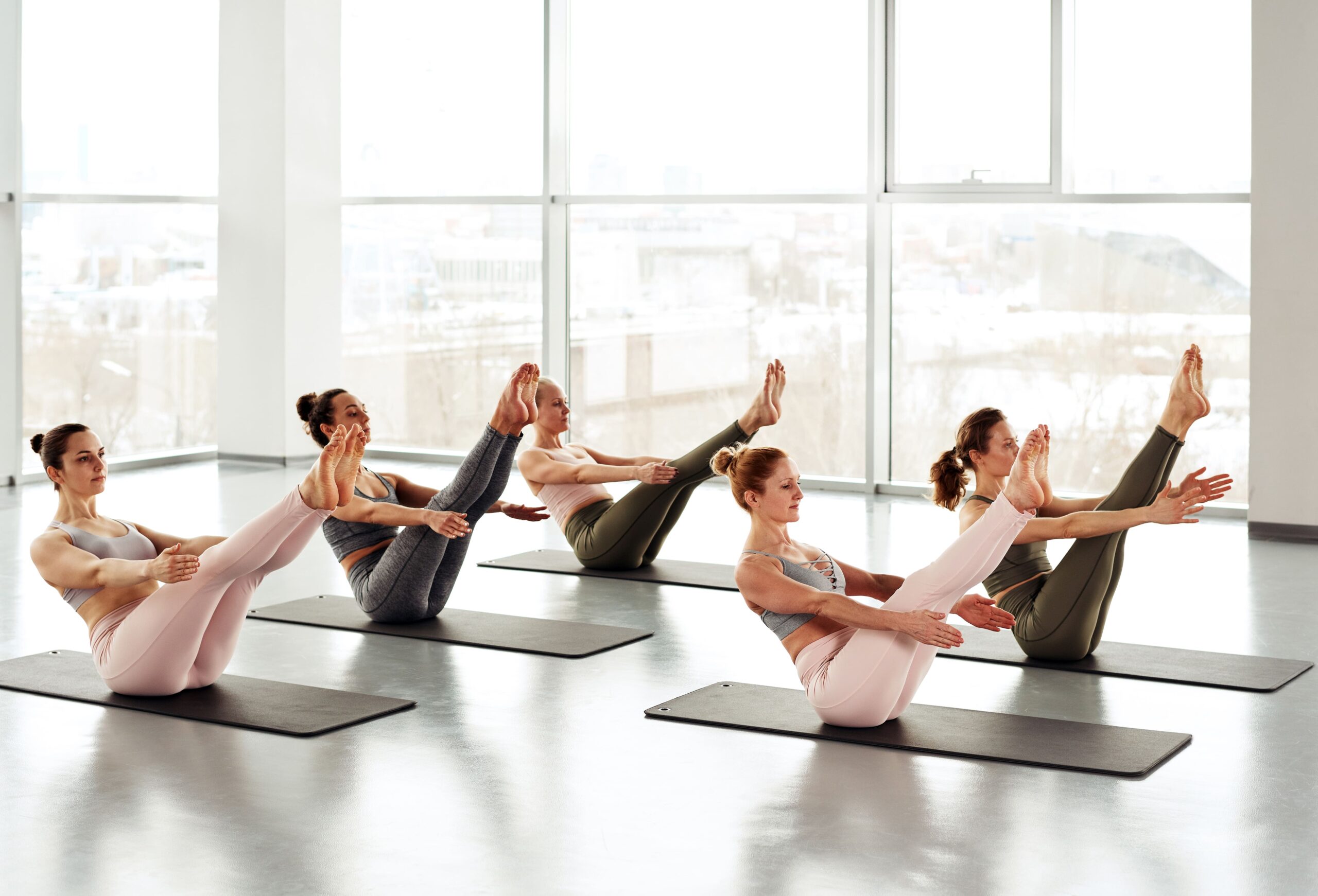 💯 The Hundred
Purpose: Warm-up, core engagement, circulation
How to Do It:
- Lie on your back, knees bent in tabletop or legs extended at 45°.
- Lift head, neck, and shoulders off the mat.
- Extend arms alongside your body, a few inches off the mat.
- Pump arms up and down as you inhale for 5 counts and exhale for 5 counts.
- Complete 100 pumps.
Tip: Keep your abs pulled in — avoid straining your neck by lowering your head if needed.
🔄 Leg Circles
Purpose: Hip mobility, core stability
How to Do It:
- Lie on your back, arms at your sides.
- Extend one leg toward the ceiling, other leg bent or flat on the mat.
- Circle the extended leg clockwise five times, then counter-clockwise.
- Switch legs.
Tip: Only make circles as big as you can without rocking your pelvis.
🧱 Pelvic Curl (Bridge)
Purpose: Spinal articulation, glute strength
How to Do It:
- Lie with knees bent and feet hip-width apart.
- Inhale to prepare.
- Exhale, tuck the pelvis and slowly lift the spine off the mat one vertebra at a time.
- Inhale at the top.
- Exhale, roll down with control.
Tip: Keep your ribs tucked in and avoid arching your back.
📜 Roll-Up
Purpose: Spinal flexibility, abdominal strength
How to Do It:
- Lie on your back, legs extended, arms reaching overhead.
- Inhale to prepare.
- Exhale, lift arms, head, and shoulders, then peel up to sit.
- Inhale at the top.
- Exhale, slowly roll back down.
Tip: Use a towel under your back if rolling up is difficult at first.
🌊 Spine Stretch Forward
Purpose: Spinal decompression, posture improvement
How to Do It:
- Sit with legs extended, feet flexed, arms shoulder-width in front.
- Inhale tall through your spine.
- Exhale, scoop the abs and reach forward as if rounding over a beach ball.
- Inhale to return to seated.
Tip: Keep shoulders relaxed and focus on lengthening the spine, not just reaching far.
⏳ Single-Leg Stretch
Purpose: Core activation, coordination
How to Do It:
- Lie on your back with both knees in tabletop.
- Curl head, neck, and shoulders up.
- Extend one leg while holding the opposite knee toward your chest.
- Switch legs in a smooth, scissoring motion.
Tip: Avoid pulling on your neck — keep it relaxed or supported.
🔁 Saw
Purpose: Rotational mobility, obliques
How to Do It:
- Sit tall, legs extended wide, arms out to the sides.
- Inhale, twist toward one leg.
- Exhale, reach opposite hand toward the outside of your foot, pulsing three times.
- Return to center and repeat on the other side.
Tip: Keep hips grounded as you twist.
Modifications and Props for Beginners
Not every body moves the same way — and that’s okay. Here are ways to adapt the movements above:
- Tight Hamstrings? Sit on a folded towel or yoga block to lift the hips.
- Neck Tension? Use a small pillow or towel under the head during curl-ups.
- Limited Flexibility? Bend your knees slightly during seated forward folds.
Creating a Beginner Flow
Once you’re familiar with these movements, you can build your own short flow:
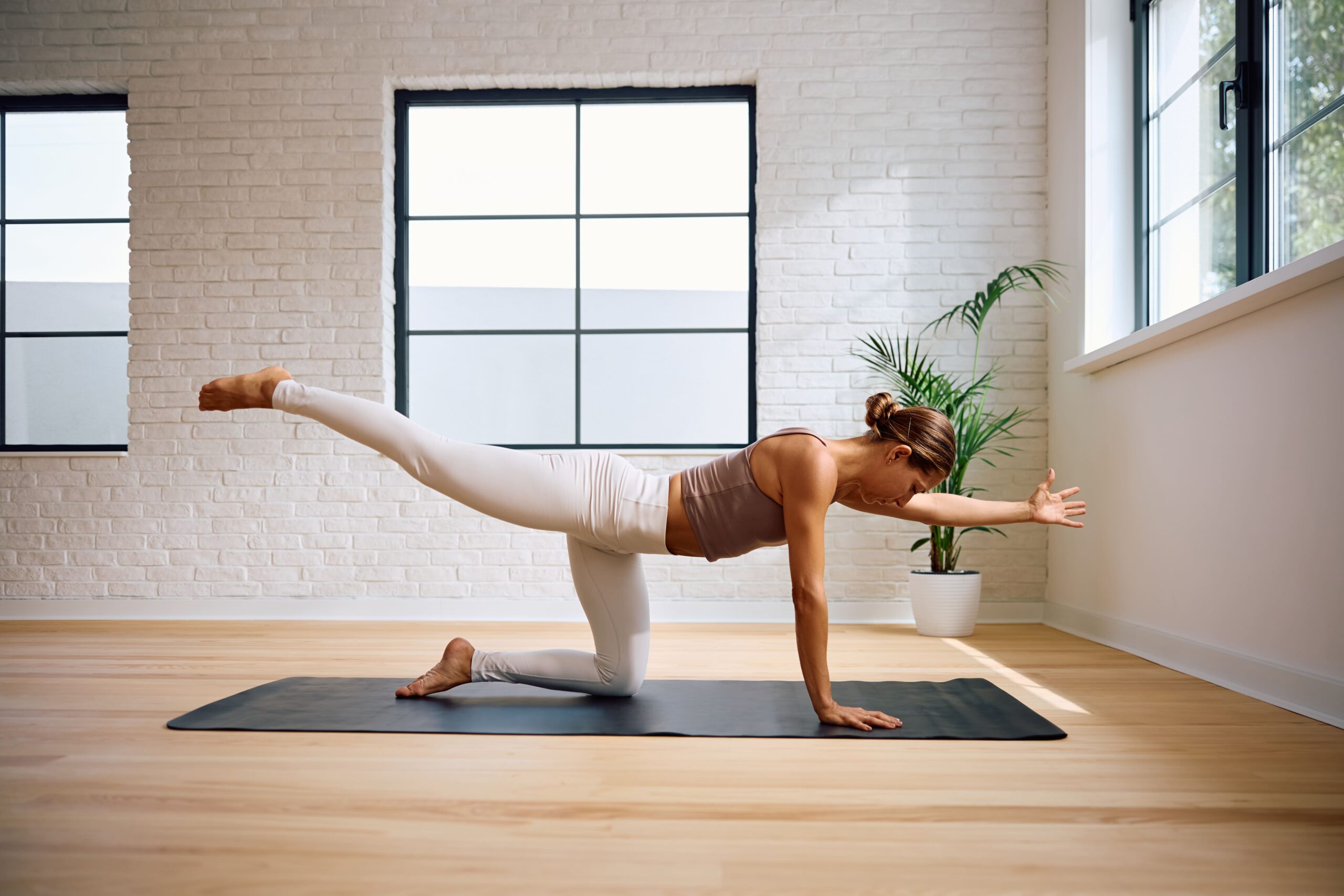 Sample Beginner Sequence (15 Minutes)
- Breathing (2 min)
- Pelvic Curl (1 min)
- Leg Circles (2 min)
- Single-Leg Stretch (2 min)
- Spine Stretch Forward (2 min)
- Roll-Up (3 min)
- Saw (3 min)
Repeat up to 2 times, depending on your energy level and goals.
Related Information
Benefits You’ll Start to Notice
- Improved balance and control
- Stronger connection between breath and movement
- Reduced lower back discomfort
- More flexibility in the hips and spine
Even just 10–15 minutes a day of these foundational movements can create long-lasting change in your body.
FAQs: Intro to Pilates Movements
- How many movements should I start with as a beginner?
Start with 4–5 movements per session. Repetition and mastery matter more than variety early on.
- Can I do these movements daily?
Yes, these foundational exercises are gentle enough for daily use. Just listen to your body.
- How do I know if I’m doing them correctly?
Pay attention to instructor cues, watch yourself in a mirror, or film yourself occasionally for feedback.
- Why does my neck hurt during some movements?
You’re likely overusing your neck muscles instead of engaging your core. Support your head or modify the movement until you build strength.
- Should I hold my breath while doing Pilates?
No — breath is essential in Pilates. Practice exhaling on effort and inhaling on release.
Understanding and practicing the foundational Pilates movements is the first step to building a consistent, safe, and rewarding routine. These exercises form the backbone of most beginner classes and videos — and the better you know them, the more confident and capable you’ll feel as you progress.