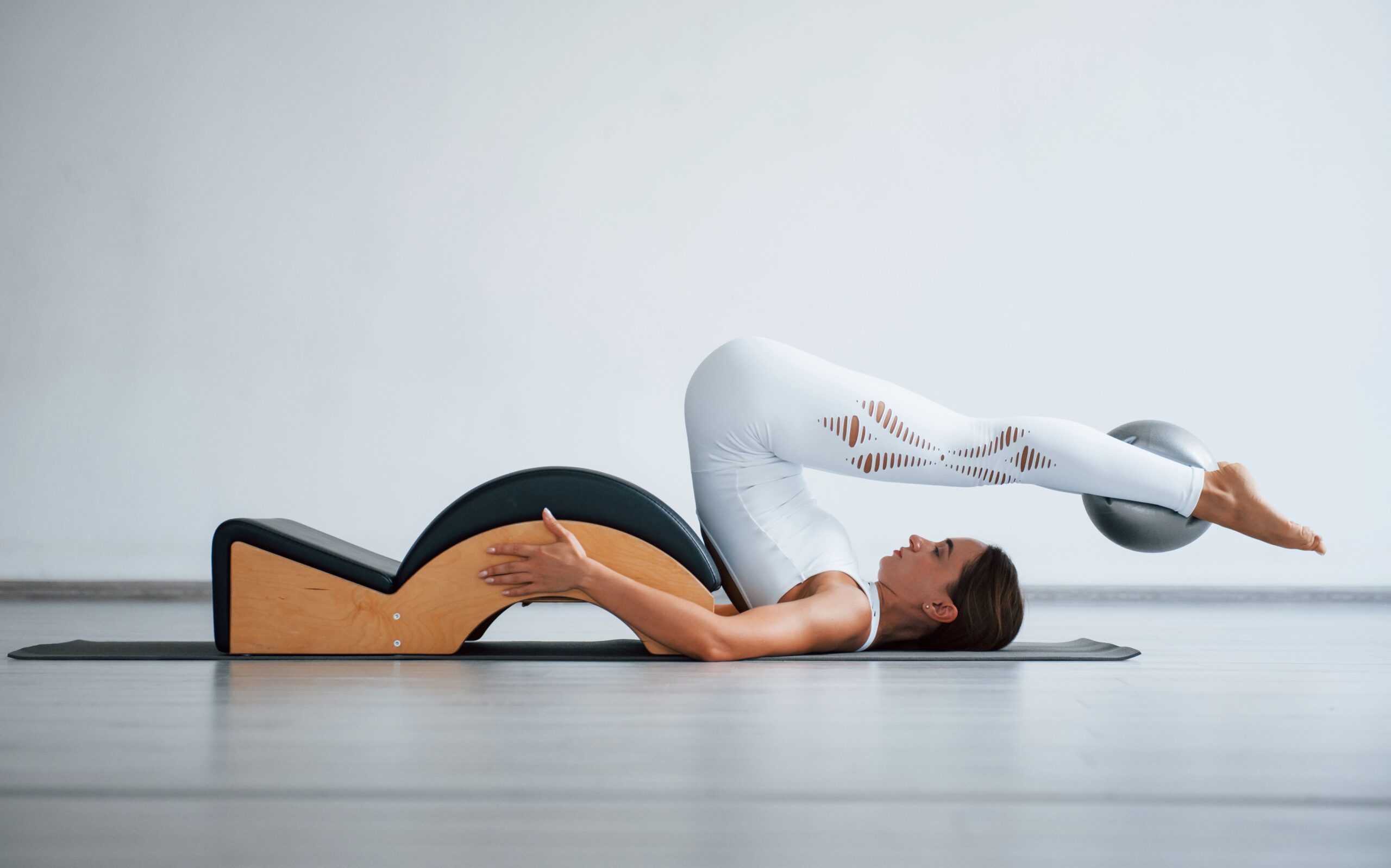
The Ab Series and Teaser are two of the most recognizable and demanding elements within Pilates. They are often seen as milestones in a practitioner’s journey, representing not just abdominal strength but control, coordination, breath, and precision. While they are frequently grouped together because of their shared focus on core work, each serves a distinct purpose within the Pilates method. Understanding how the Ab Series prepares the body for Teaser variations reveals why these exercises are so effective and why they continue to challenge practitioners at every level.
Rather than being about brute strength, both the Ab Series and Teaser variations emphasize efficiency. They teach how to stabilize the center of the body while the limbs move freely, a skill that translates far beyond the mat. When practiced with intention, these exercises become a blueprint for balanced, intelligent movement.
Understanding the Pilates Ab Series
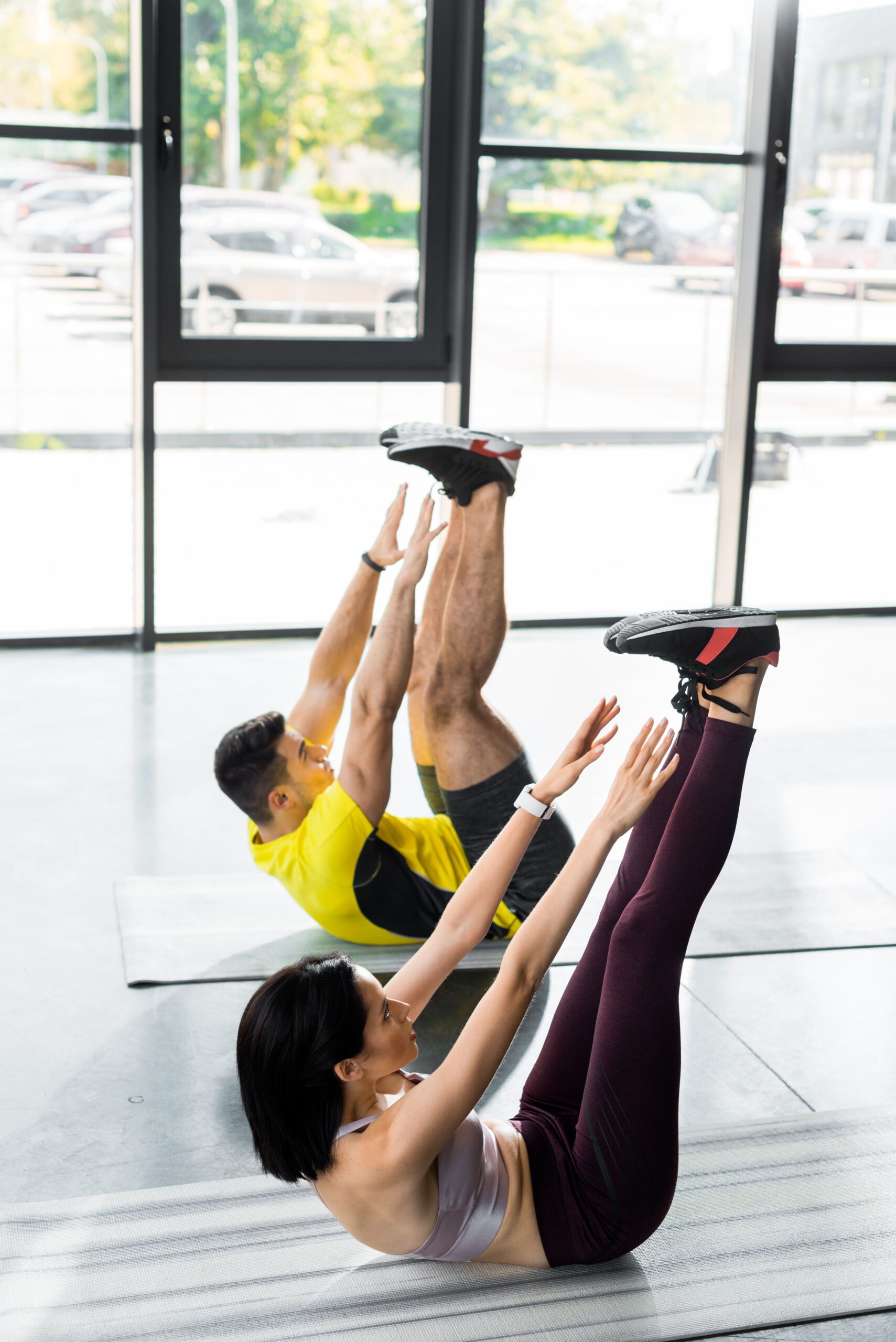 The Pilates Ab Series, often referred to as the Series of Five, is a sequence of five exercises traditionally performed in a continuous flow. These exercises include Single Leg Stretch, Double Leg Stretch, Single Straight Leg Stretch, Double Straight Leg Stretch, and Criss Cross. Together, they challenge the abdominal muscles through varying lever lengths, rotational demands, and coordination patterns.
What makes the Ab Series unique is not just the exercises themselves but how they are performed. The sequence is designed to keep the abdominals under constant engagement while the legs move through space. This sustained demand builds endurance and control rather than isolated strength.
Each exercise within the series builds on the previous one. The body warms, the breath deepens, and the core learns to respond dynamically. This progressive challenge is why the Ab Series often appears early in a Pilates session, setting the tone for the work that follows.
The Purpose of the Ab Series in Pilates
The Ab Series serves several purposes beyond developing abdominal strength. One of its primary roles is to reinforce pelvic and spinal stability. As the legs move, the pelvis must remain steady, teaching the body how to resist unnecessary movement.
Another important purpose is breath integration. The rhythm of inhaling and exhaling helps regulate effort and supports deeper core engagement. Without proper breathing, the Ab Series can quickly become tense and inefficient.
The Ab Series also acts as a diagnostic tool. How a practitioner moves through the sequence can reveal imbalances, weaknesses, or habitual tension patterns. This information helps guide modifications and progressions, making the series valuable for both beginners and advanced practitioners. Check out more posts for Ab Series: 5 Pilates Ab Moves
Introducing the Teaser in Pilates
The Teaser is often considered one of the most iconic Pilates exercises. It requires the body to balance on the sit bones while lifting both the upper body and legs into a V-shaped position. At first glance, it looks like a simple sit-up, but in practice, it demands precise coordination and control.
Unlike the Ab Series, which keeps the body closer to the mat, the Teaser challenges balance and integration. It requires the abdominals, hip flexors, spinal extensors, and stabilizing muscles to work together seamlessly. The exercise highlights any disconnect between strength and control, making it both humbling and revealing.
The Teaser is not meant to be rushed or forced. Its true value lies in the smooth articulation of the spine and the ability to move in and out of the shape with control.
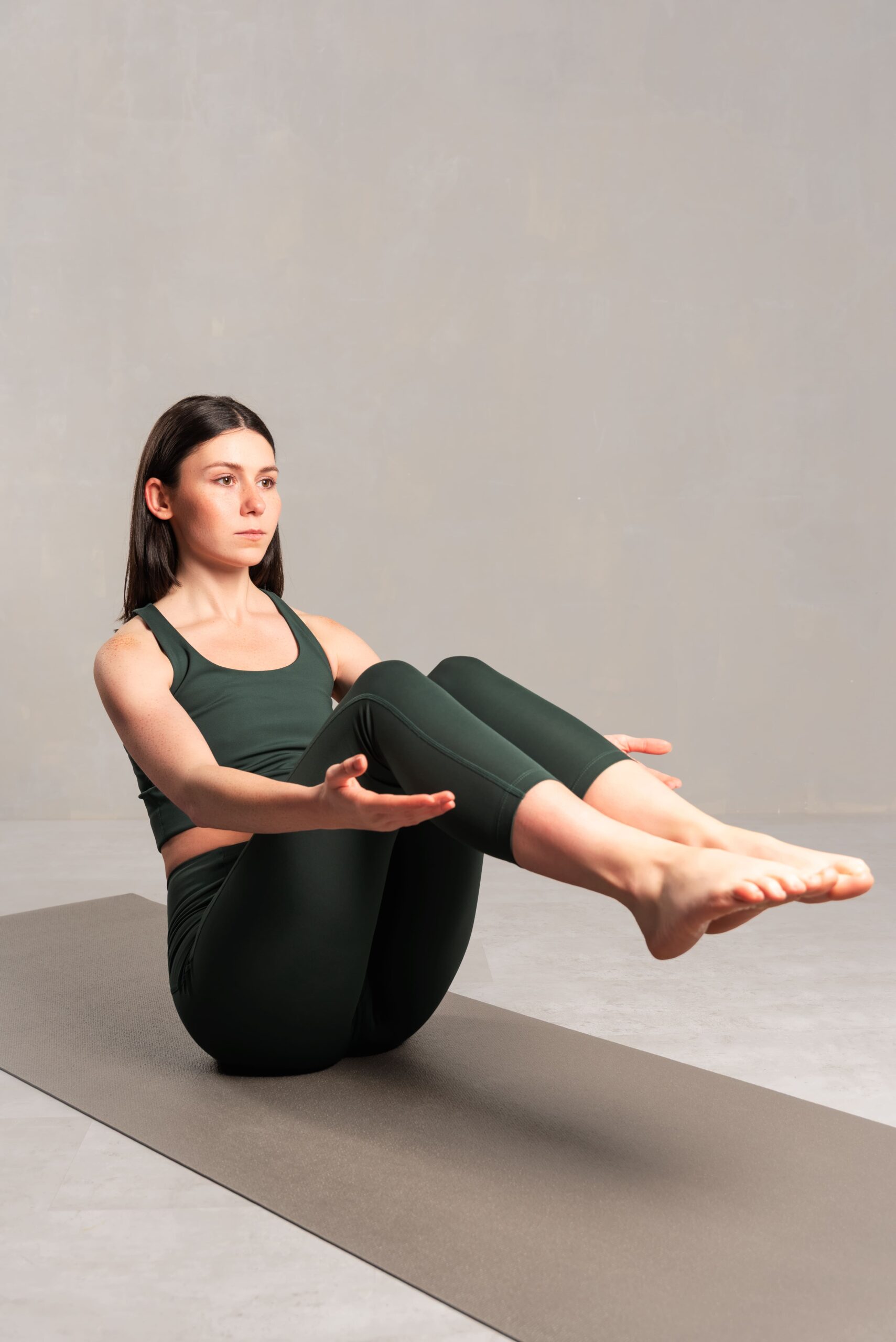 Why Teaser Variations Matter
Teaser variations exist because the classic Teaser is not a one-size-fits-all exercise. Variations allow practitioners to build toward the full expression of the movement or deepen the challenge once it has been mastered.
Some variations reduce leverage, such as keeping one foot on the mat or bending the knees. Others increase complexity by adding arm movements, rotations, or transitions. Each variation targets slightly different aspects of strength, balance, and coordination.
By exploring Teaser variations, practitioners develop adaptability. They learn how to maintain core support under changing conditions, which is a key principle of Pilates.
How the Ab Series Prepares the Body for Teaser
The Ab Series lays the groundwork for successful Teaser work. It strengthens the deep abdominals, improves pelvic stability, and trains the body to support leg movement without collapsing through the spine.
One of the biggest challenges in the Teaser is managing the relationship between the rib cage and pelvis. The Ab Series repeatedly reinforces this connection, teaching how to keep the center engaged while the limbs extend.
Additionally, the endurance built through the Ab Series makes it easier to sustain the Teaser position. Without this foundation, the Teaser often becomes dominated by the hip flexors, leading to tension and strain rather than control.
Common Teaser Variations and Their Focus
Teaser with bent knees is often used as an entry point. By shortening the lever of the legs, this variation reduces strain and allows practitioners to focus on spinal articulation and balance.
Single-leg Teaser introduces asymmetry, challenging stability and highlighting side-to-side differences. This variation demands increased control and awareness, especially through the pelvis.
Arm variations, such as reaching the arms overhead or adding circles, increase the challenge to balance and coordination. These movements require the core to respond dynamically, maintaining support as the center of gravity shifts.
Dynamic Teasers that roll down and lift back up emphasize control through movement rather than holding a static shape. These variations reflect the true essence of Pilates, where transitions are just as important as positions.
Common Mistakes in Ab Series and Teaser Work
One of the most common mistakes in the Ab Series is gripping through the neck and shoulders. This often happens when the abdominals fatigue and other muscles step in to compensate. Maintaining relaxation in the upper body is key to effective core work.
In Teaser variations, momentum is a frequent issue. Swinging into the position may look impressive, but it bypasses the deep control that the exercise is meant to develop. Slow, deliberate movement reveals where true strength lies.
Another mistake is holding the breath. Both the Ab Series and Teaser rely on breath to support engagement and flow. When breath is restricted, tension increases and efficiency decreases.
Modifying for Different Bodies and Levels
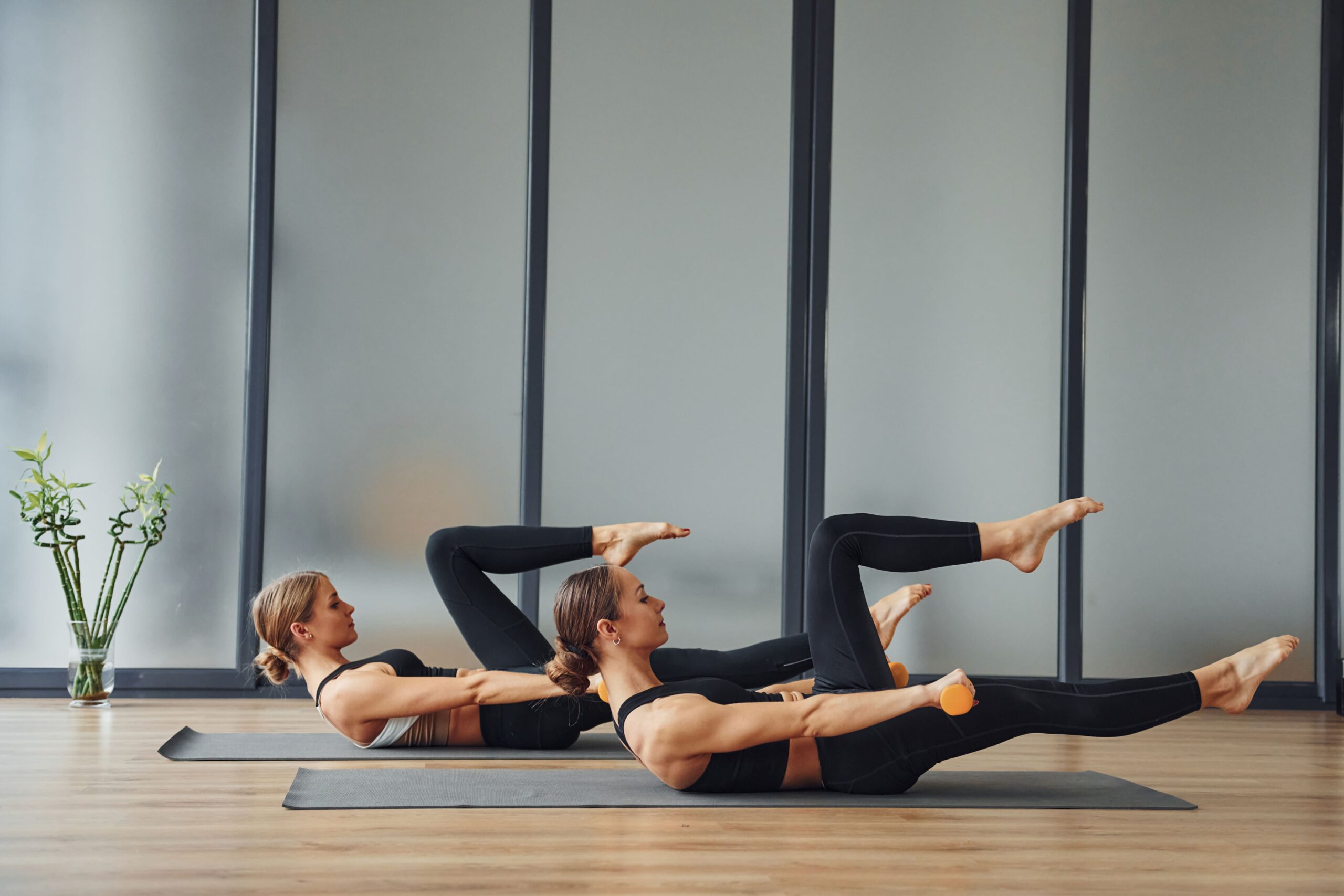 Not every body will experience the Ab Series and Teaser in the same way. Factors such as spinal mobility, hip structure, and core strength influence how these exercises feel and function.
Modifications are not signs of weakness but tools for intelligent practice. Supporting the head, bending the knees, or limiting range of motion can make these exercises more accessible while still effective.
For those practicing at home, following a guided progression that introduces Ab Series fundamentals before layering in Teaser variations can be especially helpful. This approach allows skills to develop naturally and safely.
Integrating Ab Series and Teaser Into a Balanced Practice
While these exercises are powerful, they are most effective when integrated into a balanced Pilates routine. Overemphasizing abdominal work without addressing mobility, strength, and posture elsewhere can lead to imbalance.
Pairing Ab Series and Teaser work with spinal extension, hip opening, and full-body integration exercises creates a more complete practice. This balance supports longevity and enjoyment in Pilates.
The Ab Series often works well earlier in a session, while Teaser variations may appear later once the body is warm and connected. Thoughtful sequencing enhances both safety and effectiveness.
Mental Focus and Precision
Both the Ab Series and Teaser demand mental presence. Precision in movement, breath, and timing is what transforms these exercises from physical challenges into deeply integrated experiences.
This focus cultivates mindfulness, drawing attention inward and encouraging a deeper connection to the body. Over time, this awareness becomes one of the most valuable outcomes of Pilates practice.
Long-Term Benefits of Mastering These Exercises
With consistent practice, the benefits of the Ab Series and Teaser extend beyond visible core strength. Improved posture, better balance, and enhanced movement efficiency often follow.
These exercises also build confidence. Progressing through variations and feeling greater control fosters a sense of capability that carries into other physical activities and daily life.
Rather than chasing perfection, the goal is progress and understanding. Each repetition offers new feedback and opportunities for refinement.
FAQs
Are Teaser variations only for advanced practitioners?
No. Teaser variations range from beginner-friendly modifications to highly advanced expressions. The key is choosing a variation that supports proper form and control.
How often should the Ab Series be practiced?
The Ab Series can be practiced several times per week as part of a balanced Pilates routine. Frequency should be adjusted based on recovery and overall workload.
Why do my hip flexors take over during Teaser?
This often happens when core support is insufficient or when leverage is too challenging. Modifying the position and focusing on controlled movement can help rebalance effort.
Is it normal for the Ab Series to feel very challenging?
Yes. The Ab Series is designed to be demanding. As endurance improves, the challenge shifts from fatigue to precision and control.
Can Ab Series and Teaser help improve posture?
Yes. Both exercises strengthen the muscles that support spinal alignment and teach body awareness, which can positively influence posture over time.