Reformer Pilates is known for its fluidity and precision, but some exercises take things to a whole new level when it comes to challenging the body’s control and strength. Two standout movements—Long Stretch and Elephant—might appear simple on the surface, but they’re power-packed sequences that demand full-body coordination, deep core engagement, and refined technique.
Often introduced in the intermediate stages of Pilates practice, these movements highlight the unique potential of the reformer machine, particularly its sliding carriage, spring resistance, and footbar interaction. In this guide, we’ll explore the mechanics, benefits, variations, and cues for mastering Long Stretch and Elephant, along with how they fit into a broader Reformer Pilates practice.
The Long Stretch Series: A Full-Body Strength and Stability Builder
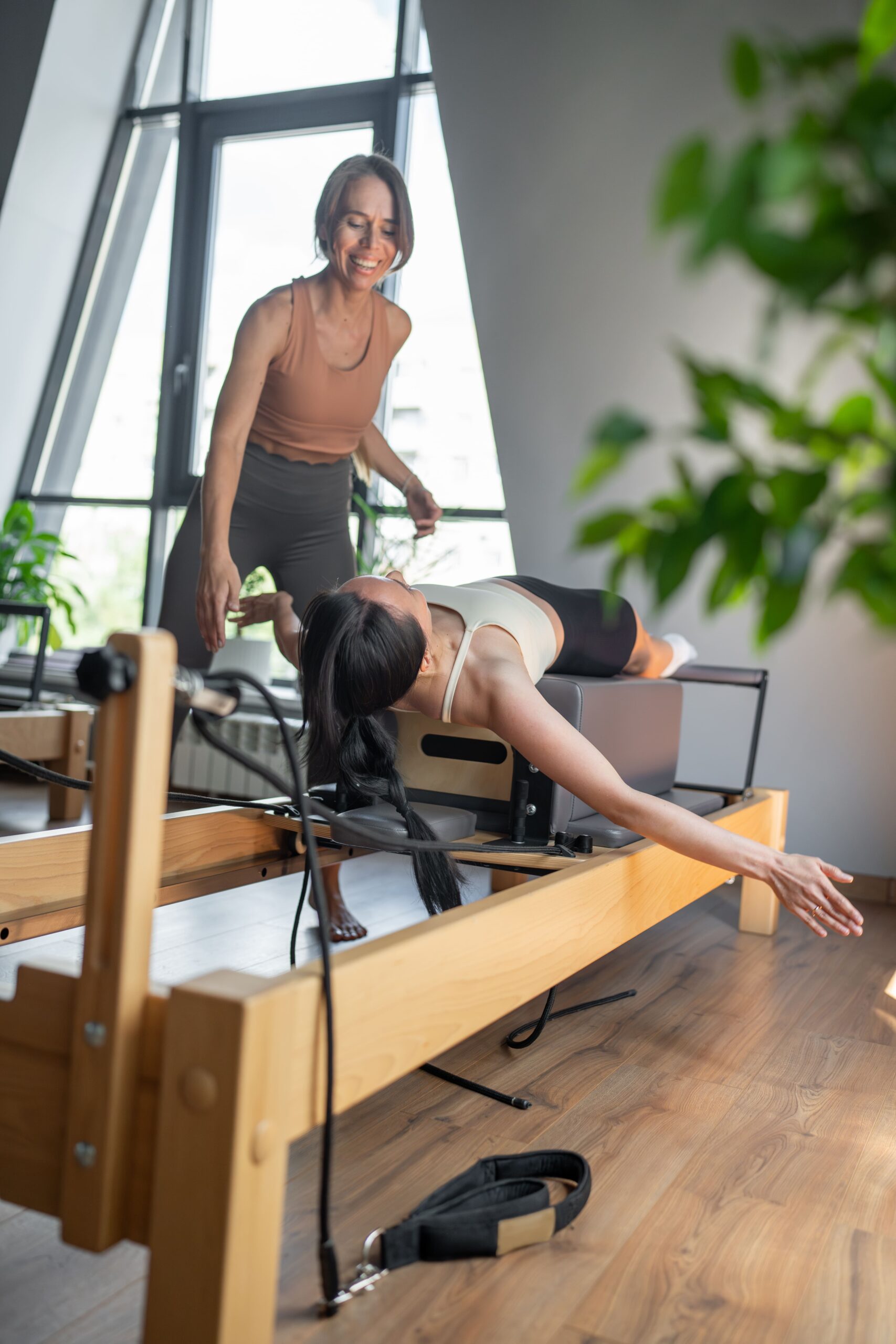 The Long Stretch is one of the most iconic exercises in the Reformer repertoire. It’s typically part of a larger sequence known as the Long Stretch Series, which also includes Down Stretch, Up Stretch, and Elephant (more on that below).
What Is Long Stretch?
At its core, Long Stretch is a plank variation performed on the reformer with a moving carriage. Unlike a static mat plank, the reformer version adds an element of instability that challenges balance, alignment, and muscular control.
Setup:
-
Springs: Light to medium (typically 1 red spring)
-
Footbar: Raised to standard position
-
Hands: On footbar, shoulder-width apart
-
Feet: Toes on headrest or shoulder blocks
How to Perform:
-
Start in a plank position with arms straight, shoulders over wrists, legs long, and feet stabilized.
-
Inhale to prepare.
-
Exhale as you press through the arms and move the carriage back a few inches by hinging at the shoulders and ankles.
-
Inhale to return to starting plank position, maintaining spinal stability throughout.
Cues for Success:
-
Draw abdominals in and up to prevent sagging in the lower back.
-
Keep neck long and gaze slightly forward—not down or up.
-
Avoid bending elbows or sinking into the shoulders.
This exercise is frequently included in Core Burners and Plank Series classes due to its full-body demand and postural strengthening.
[You might choose to explore more in the Core Burners, Plank Series section for related routines] (image)
Key Benefits:
-
Builds core stability under dynamic conditions
-
Strengthens shoulders, arms, glutes, and legs
-
Reinforces neutral spine awareness
-
Prepares body for more advanced flows like Up Stretch or Snake
The Elephant: Stretch, Strength, and Control Combined
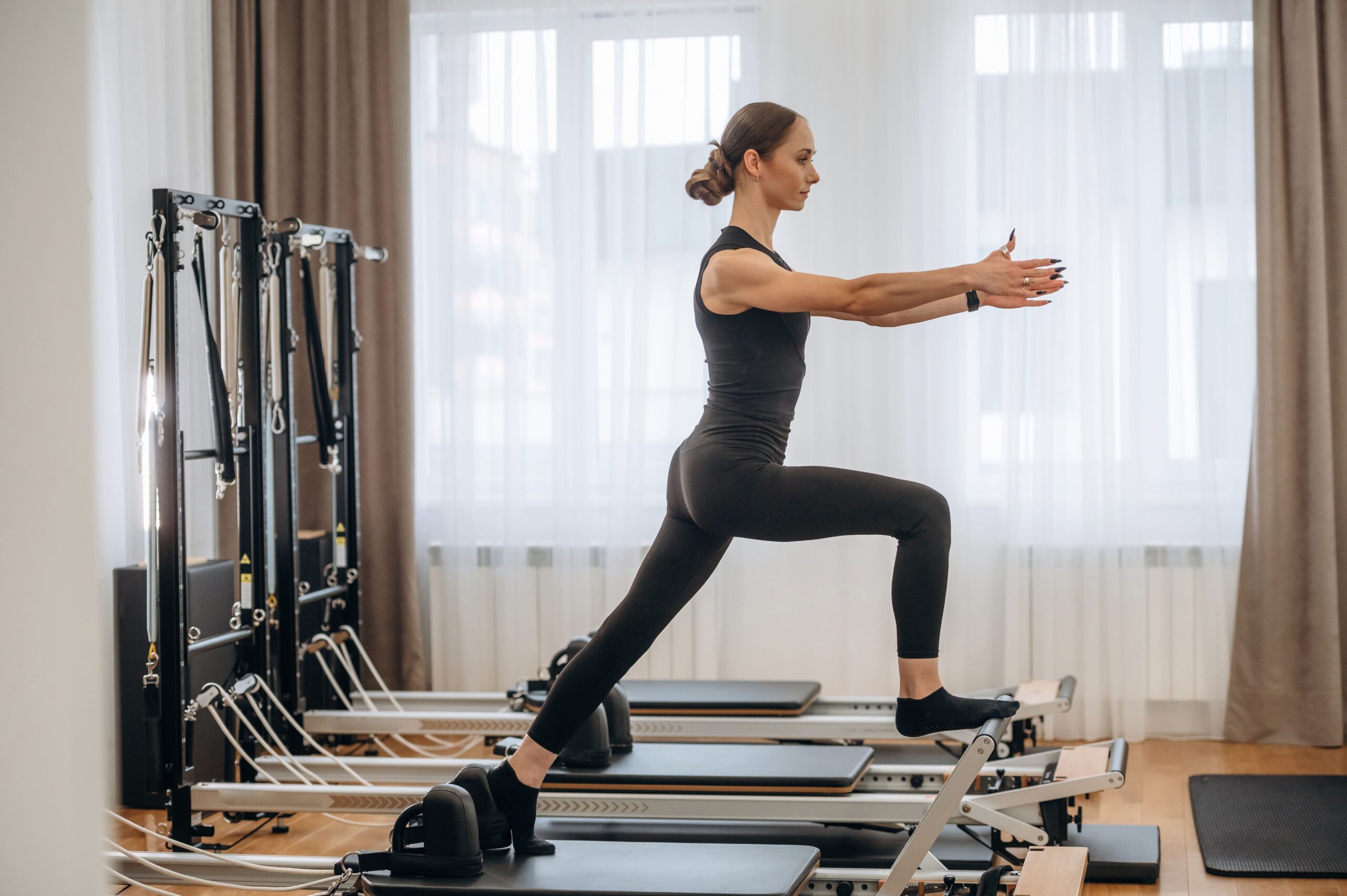 Despite its name, Elephant is all about lightness—specifically, the ability to lift the hips and stabilize the torso while controlling the carriage through the legs. It’s often introduced right after Long Stretch, providing a contrasting movement that incorporates hamstring stretch, spinal articulation, and pelvic stability.
What Is Elephant?
Elephant is a reformer exercise performed in a standing position with hands on the footbar and feet flat on the carriage. It emphasizes posterior chain mobility and deep abdominal work, making it an excellent transitional or active recovery movement within a session.
Setup:
-
Springs: Light to moderate (1 red or 1 red + 1 blue)
-
Footbar: Standard height
-
Hands: On the footbar, shoulder-width
-
Feet: Flat on the carriage, hips elevated, heels under hips
How to Perform:
-
Stand on the carriage facing the footbar.
-
Place hands firmly on the bar with arms extended, hips lifted toward the ceiling.
-
Inhale to prepare.
-
Exhale to push the carriage away by extending the legs.
-
Inhale to return the carriage slowly using abdominal control, not momentum.
Cues for Success:
-
Keep the spine long and neutral or gently rounded (avoid over-arching).
-
Press evenly through both heels to engage hamstrings and glutes.
-
Resist the urge to use momentum; let the core initiate the pull back.
Elephant offers a moment of grounding within a reformer session and teaches a critical skill: how to find stillness and control through movement.
This exercise is often used in Mat Pilates Videos as a preparation for movements like Pike or Down Dog, making it a great crossover point between reformer and floor work.
[Consider this moment to reference Flow Sequences, Floor Work where similar spinal and hamstring work are explored in a grounded context] (image)
Comparing Long Stretch vs. Elephant
| Feature | Long Stretch | Elephant |
|---|---|---|
| Body Position | Plank | Standing, hips elevated |
| Focus | Core + Shoulder Strength | Hamstring Flexibility + Core Control |
| Movement | Dynamic push-pull in plank | Carriage slide through leg extension |
| Common Mistakes | Sagging hips, shoulder collapse | Rounding spine too much, using momentum |
| Best For | Upper body and core endurance | Mobility, spinal alignment, posterior chain awareness |
Together, these exercises offer contrasting but complementary challenges. Long Stretch activates power and precision; Elephant invites stretch and subtle strength.
How to Integrate Long Stretch and Elephant into a Routine
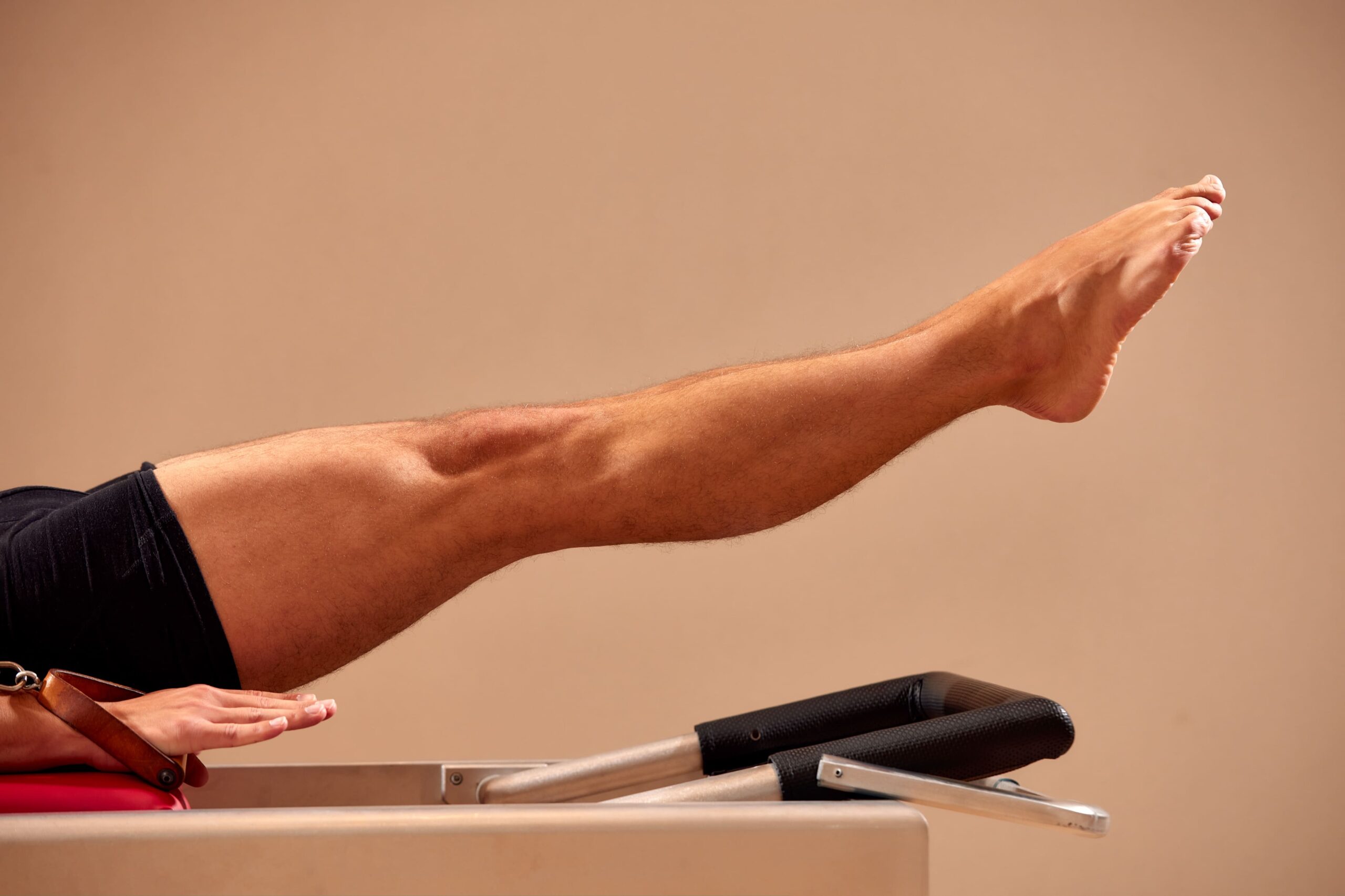 These exercises are often performed back-to-back within intermediate to advanced reformer classes. Here’s how they might appear in a balanced workout:
Sample Sequence (15–20 min block)
-
Footwork Series (warm-up)
-
Plank Prep or Knee Stretch (core engagement)
-
Long Stretch – 6–8 reps
-
Down Stretch / Up Stretch – 4 reps each
-
Elephant – 8–10 slow reps
-
Short Spine with Straps (cooldown for spine)
This sequence offers spinal articulation, dynamic core work, and functional mobility, often highlighted in Reformer Pilates Videos.
Pro Tips for Mastery
-
Use your breath: Exhale during effort (push in Long Stretch, pull in Elephant).
-
Less is more: Smaller ranges with precision are more effective than overextending.
-
Watch your form in a mirror or video—hip height and shoulder positioning are critical.
-
Warm up properly: Jumping into these without prep can compromise form and cause strain.
- Recommended Pages: More Reformer Pilates Exercises
FAQs
Can beginners attempt Long Stretch or Elephant?
Yes, with modifications. Beginners may try Long Stretch with knees down or Elephant with reduced spring tension and shortened range. These movements are best introduced after a foundation in neutral spine, breath, and core control.
What if my wrists hurt in Long Stretch?
Try placing a soft pad under the hands or adjusting the angle of the wrist. Wrist discomfort often signals that you’re collapsing into the shoulders—focus on pressing the floor away.
Why can’t I control the carriage in Elephant?
This is often due to tight hamstrings or underactive abdominals. Reduce the spring tension slightly and focus on pelvic tilt and breath to re-engage the core.
How often should I include these exercises?
2–3 times a week is ideal. They’re powerful enough to create results but require rest and recovery for full benefit.
Are these exercises used outside Pilates?
Yes! Movements like Long Stretch and Elephant resemble yoga planks, Pike presses, and functional mobility drills. Pilates refines these with an emphasis on precision and spinal alignment.
Long Stretch and Elephant may look simple, but don’t let that fool you—they are sophisticated movements that train strength, control, and awareness across the entire body. When performed with intention, they can transform your Pilates experience from basic to elevated, helping you build not only better movement patterns, but a deeper connection to your breath, spine, and core.