When diving into the world of Pilates, one of the most fundamental concepts to grasp early on is the relationship between the pelvis and spine—particularly the pelvic tilt and imprint position. These foundational movements are key to achieving better core engagement, spinal alignment, and overall body awareness. While they may seem subtle at first glance, mastering them can have a dramatic impact on the effectiveness of your workouts and your ability to move with intention.
In this article, we’ll explore the pelvic tilt and imprint position in detail—what they are, why they matter, and how to practice them. Whether you’re just beginning your Pilates journey or revisiting the basics, understanding these positions is essential for a strong and safe practice.
What Is a Pelvic Tilt?
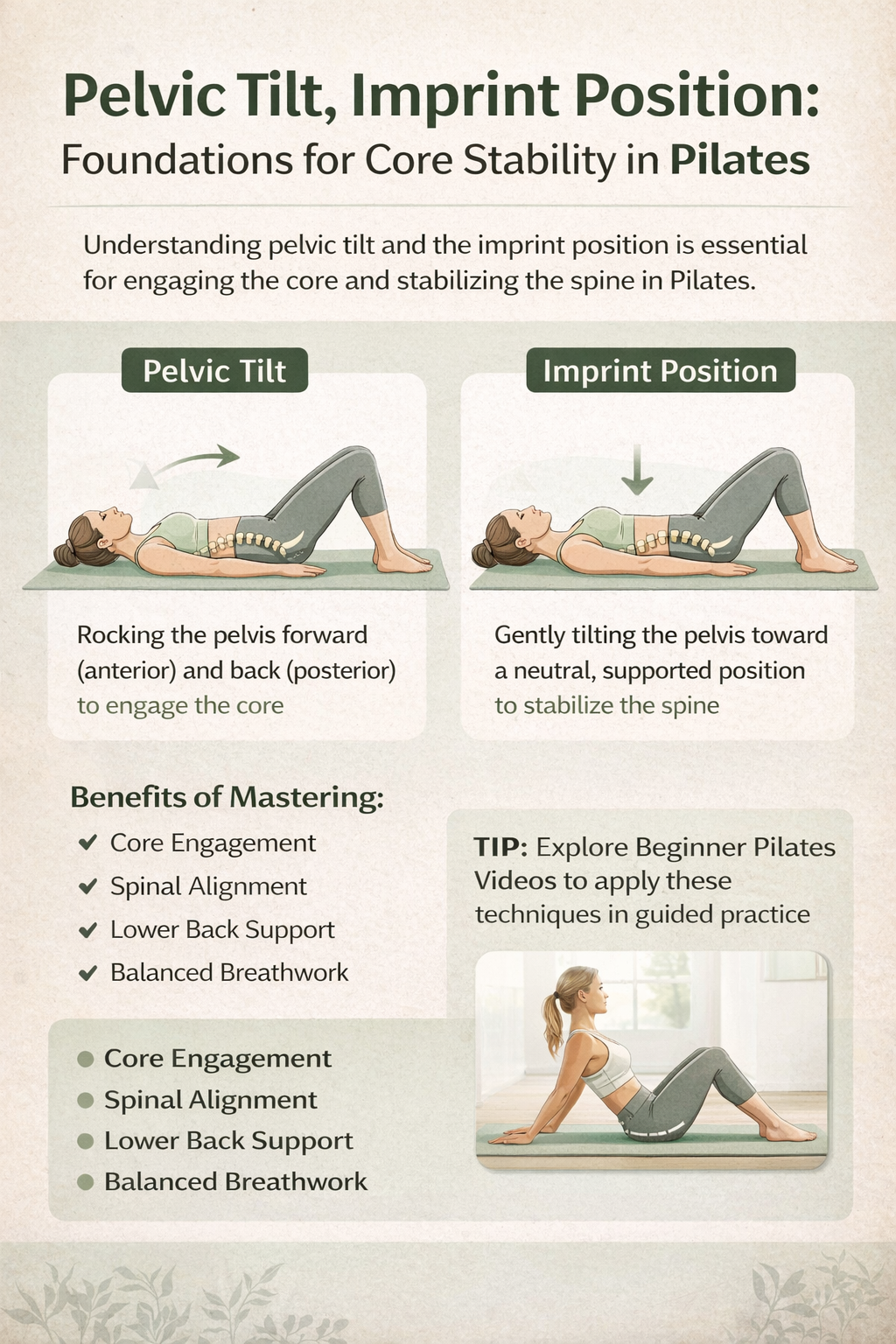 A pelvic tilt refers to the motion of the pelvis rotating forward or backward, affecting the curvature of your lower back. This simple yet profound movement is often one of the first things taught in beginner Pilates classes because it teaches awareness of the spine and abdominal engagement.
There are two primary types of pelvic tilt:
-
Anterior Pelvic Tilt: The front of the pelvis drops and the back lifts. This increases the arch in your lower back.
-
Posterior Pelvic Tilt: The front of the pelvis lifts and the back drops, flattening the lumbar spine into the mat.
In Pilates, we often work with the posterior pelvic tilt to help draw the abdominals in and connect the ribs to the hips, creating a stable base for core exercises.
Practicing the Pelvic Tilt
To practice this movement, lie on your back with knees bent and feet flat on the floor. Place your hands on your hips to feel the movement. Gently rock your pelvis forward and back. Notice how your lower back lifts slightly off the mat in the anterior tilt and presses into the mat in the posterior tilt. This gentle rocking helps improve body awareness and is a great way to activate deep core muscles.
What Is the Imprint Position?
The imprint position in Pilates refers to a gentle, posterior pelvic tilt that slightly flattens the natural curve of your lower spine against the mat. It’s not a forced flattening, but rather a supported position where the abdominals are actively drawing in and up, giving a sense of grounding through the spine.
This position is often used during Pilates mat exercises—especially for beginners—as it protects the spine and promotes optimal core engagement.
When to Use Imprint Position
-
During abdominal exercises like toe taps, leg lifts, or hundreds
-
When experiencing lower back discomfort or needing extra support
-
To train and strengthen the deep transverse abdominis muscles
However, not all Pilates exercises call for the imprint position. Some more advanced variations may require a neutral spine, where the natural curve of the back is maintained. Being able to switch between neutral and imprint based on the movement and your body’s needs is part of developing deeper Pilates intelligence.
The Role of Breath in Pelvic Tilt and Imprint
 Breathing plays a crucial role in achieving and maintaining the imprint position. In Pilates, we use lateral thoracic breathing—breathing into the sides and back of the ribcage. This type of breathing allows you to maintain abdominal engagement while still getting a full breath.
Here’s a simple breathing drill to pair with your pelvic tilts:
-
Inhale to prepare, feeling the ribs expand.
-
Exhale slowly, engaging the abdominals, and tilt the pelvis into imprint.
-
Inhale to return to neutral.
-
Repeat several times, matching breath with movement.
This conscious connection between breath and motion reinforces abdominal activation and helps imprint become more natural over time.
Common Mistakes and How to Avoid Them
Even though pelvic tilts and imprint seem straightforward, a few common mistakes can interfere with proper form and effectiveness.
-
Over-tucking the pelvis: This can cause tension in the hips and overuse of glutes.
-
Using momentum instead of control: Movement should be slow and intentional.
-
Breath-holding: Always pair movement with breath to prevent tension and encourage flow.
-
Forcing the imprint: It should feel supported and not overly rigid.
By focusing on control and awareness, you’ll build a stronger connection with your core and lay the groundwork for more advanced Pilates exercises.
Integrating Pelvic Tilt and Imprint Into Your Practice
Once you’ve practiced these foundational movements on their own, it’s time to apply them to your workouts. Many Beginner Pilates Videos incorporate pelvic tilt and imprint in warm-ups or as a setup for core exercises.
You’ll commonly find these cues in:
-
Hundreds: Begin in imprint to protect the back when legs are lifted.
-
Single Leg Stretch: Maintain imprint while alternating legs.
-
Pelvic Curl (Bridge): Initiates with a pelvic tilt before lifting the hips.
-
Toe Taps: Imprint helps stabilize the spine as legs move.
These movements not only reinforce the pelvic tilt and imprint but also build endurance in your deep core muscles, which is essential for spine health and stability.
Benefits of Practicing Pelvic Tilt and Imprint
Understanding and integrating these movements into your routine delivers a wide array of physical benefits:
-
Enhanced Core Activation: Encourages recruitment of the deep abdominals.
-
Reduced Lower Back Strain: Especially beneficial for those with lumbar sensitivity.
-
Improved Postural Awareness: Encourages alignment both on and off the mat.
-
Spinal Mobility: Gently moves and warms up the lumbar spine.
-
Foundation for Progression: Prepares the body for more advanced exercises.
Real-Life Applications
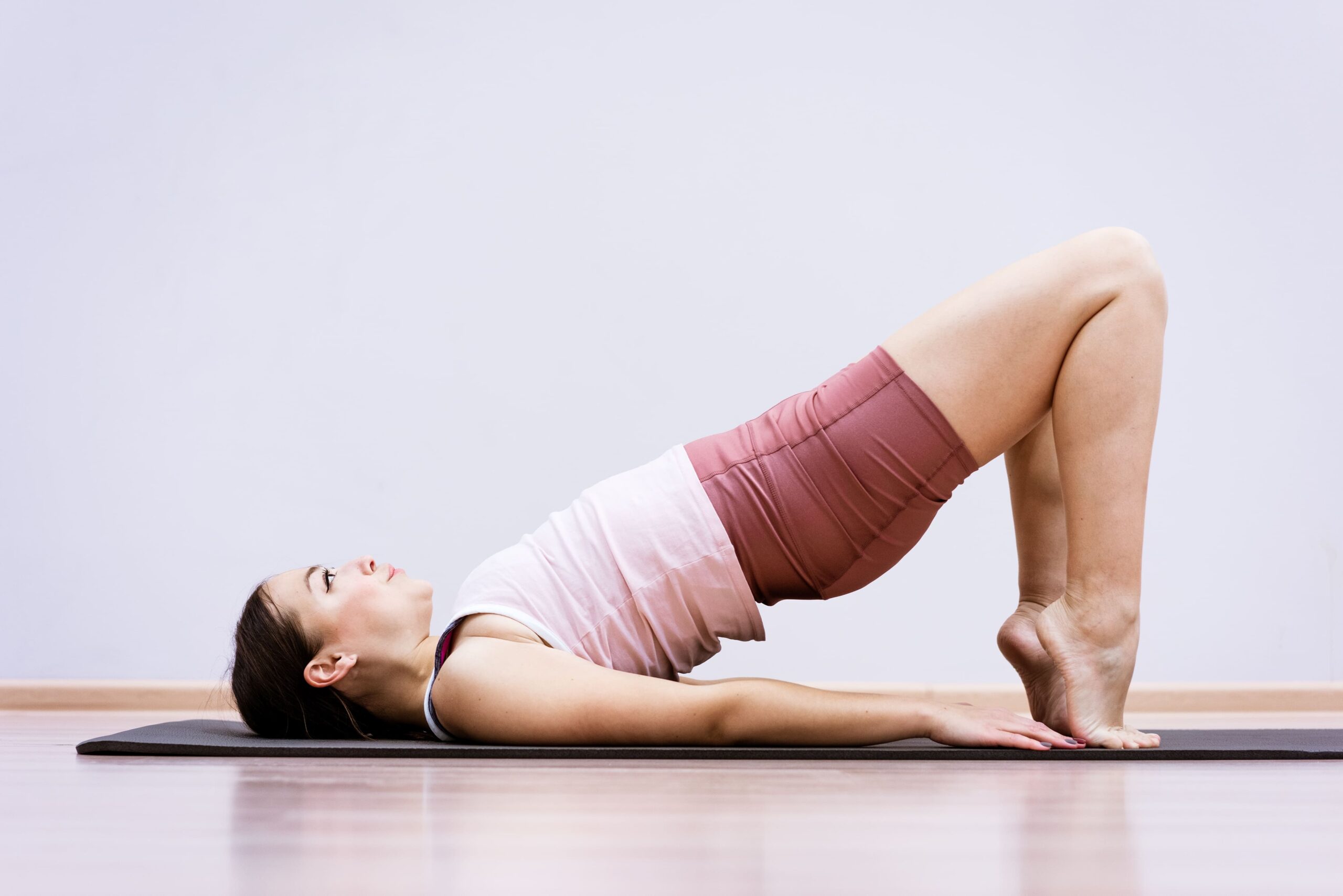 Even outside of Pilates, awareness of pelvic tilt and spinal position can influence how you sit, stand, and move throughout the day. For instance, correcting an anterior pelvic tilt while standing can reduce back pain and improve posture, especially for those who spend long hours at a desk.
Next time you’re sitting in a chair, notice your pelvis. Are you slouching with a posterior tilt, or are you overly arched with an anterior tilt? Practicing subtle pelvic adjustments during daily activities reinforces your Pilates practice beyond the mat. We recommend watching this video: Pelvis Imprint & Release Tutorial
Related Practice: Beginner Mat Pilates
For those looking to apply these concepts in real time, a Beginner Mat Pilates Video that focuses on spinal alignment and core engagement can be an ideal next step. These classes often incorporate pelvic tilt drills, imprint practice, and beginner-level abdominal exercises that build strength from the inside out.
FAQs
What’s the difference between pelvic tilt and imprint?
A pelvic tilt is the action of rotating the pelvis, either anteriorly or posteriorly. An imprint is a specific position—a gentle posterior tilt—used in Pilates to support the spine during core exercises.
Is the imprint position bad for the spine?
Not at all. When performed correctly, imprint helps support the spine and engage the core, especially during exercises that lift the legs off the mat.
Do I always need to be in imprint during Pilates?
No. Some exercises are best performed in a neutral spine. It’s important to learn when each position is appropriate, and that often comes with guidance and practice.
Can I practice pelvic tilts every day?
Absolutely. Pelvic tilts are gentle and beneficial for nearly everyone. Daily practice improves spinal mobility and core awareness.
Why does my back hurt when doing Pilates?
If you’re not using proper alignment or trying to do advanced movements without core support, it can lead to strain. Learning positions like pelvic tilt and imprint can help protect your spine and enhance your comfort during workouts.
Stay tuned for more articles breaking down Pilates fundamentals and how you can use them to build a strong, aligned body from the inside out.