Blending Pilates and Dance creates a vibrant fusion of precision, rhythm, expression, and athleticism — all while building strength, flexibility, balance, and musicality. This hybrid style combines Pilates’ focus on alignment and core control with the fluidity, coordination, and joy of dance‑inspired movement.
Pilates + Dance fusion workouts — especially when delivered through guided videos — help you:
- Move with intention and musical rhythm
- Build tone and stamina without high impact
- Improve coordination and body awareness
- Enhance confidence and expression
- Add creative movement into your weekly routine
This article explores what Pilates + Dance fusion is, how it works, why it’s effective, how to follow guided workouts safely, sample routines, and FAQs to help you integrate this playful yet powerful format.
🩰 What Is Pilates + Dance Fusion?
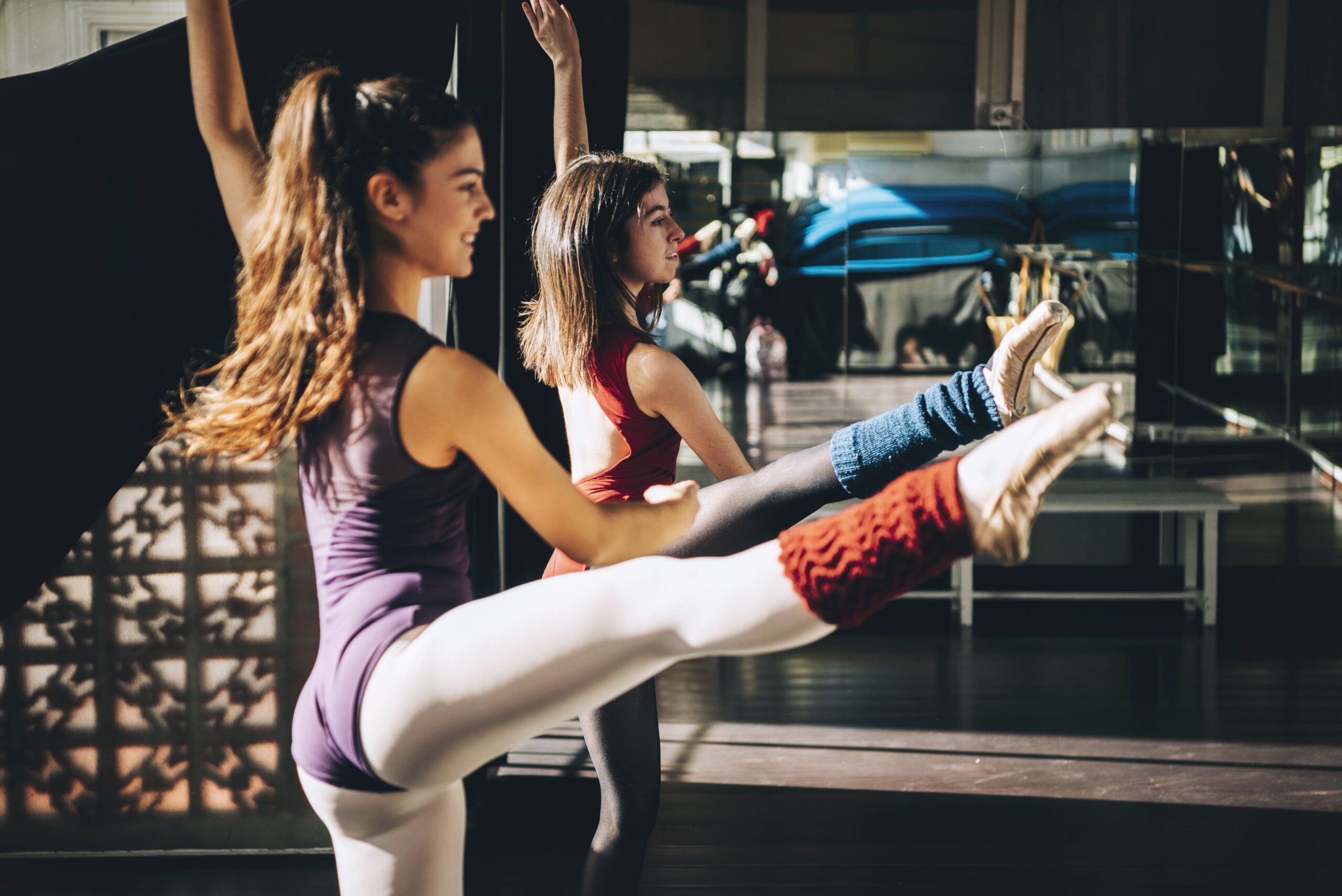 Pilates + Dance fusion combines key aspects of:
- Pilates fundamentals — breath, alignment, core support, precision
- Dance movement — rhythm, flow, coordination, expressive transitions
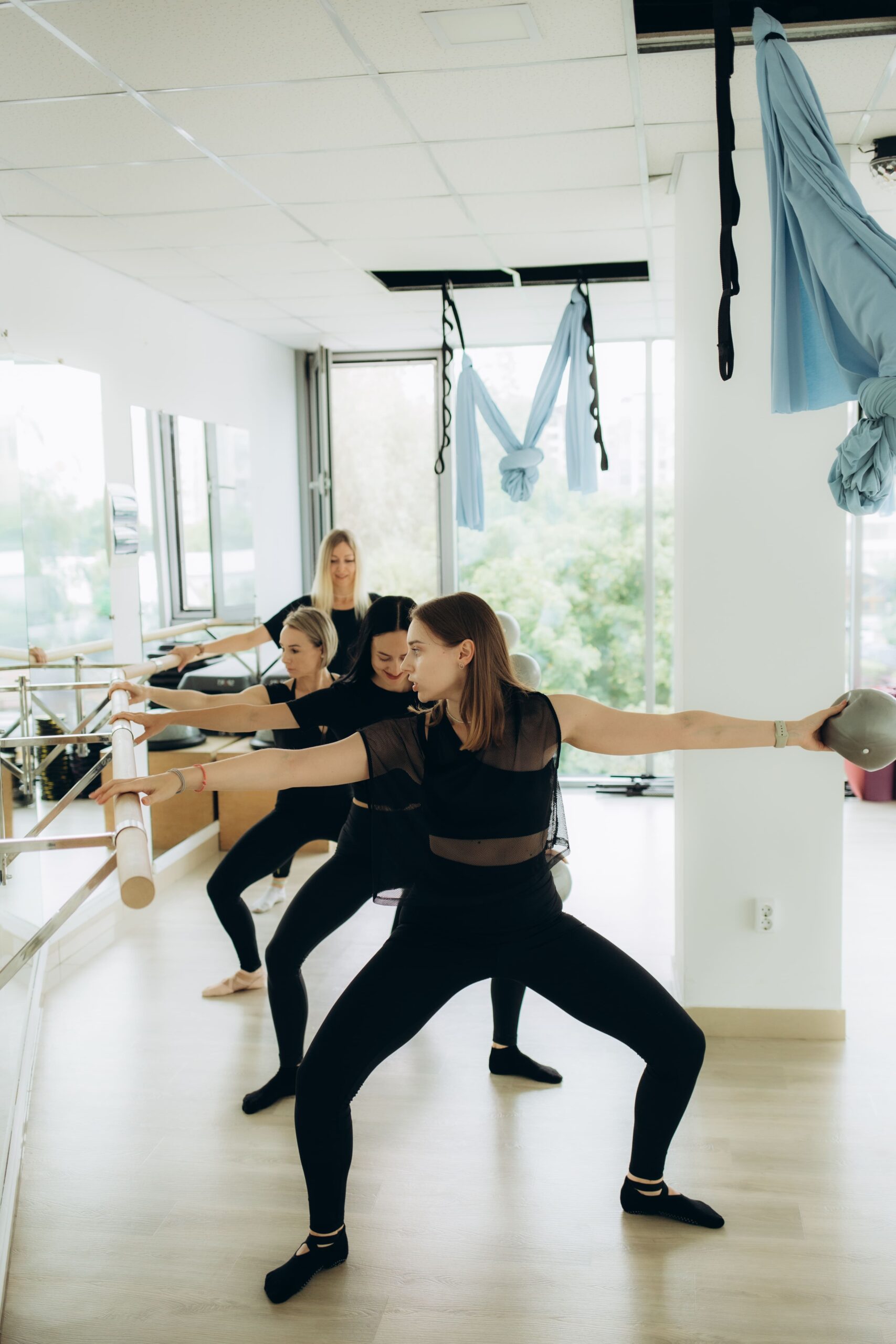
Unlike pure Pilates (which tends to emphasize slow, controlled exercise), or pure dance (which often prioritizes expression and flow), this fusion weaves both control and expressiveness into each sequence. Videos in this style typically include:
- Pilates‑based core, posture, and stabilization cues
- Dance‑inspired movement patterns (hip circles, rhythmic steps, sequence flows)
- Music to drive timing and movement quality
- Creative transitions that emphasize flow rather than repetition alone
💡 Why Combine Pilates and Dance?
- Strength With Expression
Pilates builds strength and stability — dance allows that strength to be expressed through rhythm and movement patterns.
- Enhanced Coordination
Dance‑inspired footwork and sequencing boost neuromuscular control alongside Pilates alignment.
- Cardio Without High Impact
Dance movement increases heart rate in a way that’s accessible and fun, especially when paired with mindful control.
- Emotional Engagement
Movement to music increases enjoyment, making it easier to stay consistent.
- Whole‑Body Awareness
Dance patterns challenge balance, spatial orientation, and timing — enhancing the body‑mind work already present in Pilates.
🧠 How Pilates + Dance Fusion Videos Are Structured
Fusion videos vary in style, but most follow a thoughtful pattern to balance intensity with control:
 🔹 Warm‑Up & Breath (2–5 min)
Gentle mobilizations and breath work that cue core support and rhythm.
🔹 Pilates‑Based Core or Alignment Segment (5–10 min)
Moves like planks, bridges, or leg lifts with breath cues to build foundation.
🔹 Dance‑Infused Movement Blocks (10–20 min)
Rhythmic sequences integrating:
- Hip circles
- Step‑touch patterns
- Side lifts with lyrical flow
- Dynamic reach and length
🔹 Fusion Flow (10–15 min)
Creative sequences that weave Pilates precision into dance phrases, often tied to music.
🔹 Cool‑Down & Stretch (5–10 min)
Longer holds and breath‑focused relaxation to close the session.
Videos may be labeled:
- Pilates + Dance flow
- Dance‑inspired Pilates
- Pilates cardio dance
- Rhythmic core Pilates
- Dance fusion strength & flow
📍 Who Benefits From Pilates + Dance Workouts?
This format is great for:
- People who love movement and music
- Those seeking variety and fun in workouts
- Beginners who enjoy low‑impact rhythmic patterns
- Intermediate dancers or movers wanting alignment refinement
- Pilates practitioners craving dynamic flow
- Anyone looking to build coordination, balance, and confidence
If you are rehabbing an injury, especially in the knees, hips, or spine, consult a clinician before trying high‑coordination segments. Most guided videos include regressions and modifications.
🎥 How to Use Pilates + Dance Videos Safely
✔ Focus on Alignment First
Even during rhythmic movement, keep ribs down, pelvis neutral, and core stable.
✔ Control Transitions
Move deliberately — don’t let speed override precision.
✔ Modify Impact
Dance elements can be low‑impact (step touch) or higher‑impact (light hops). Use options that feel safe and controlled.
✔ Prioritize Breath
Pilates breath cues help maintain core engagement during movement transitions.
✔ Warm Up & Cool Down
Always prepare joints and muscles before dynamic work and close with gentle stretching.
🧠 How Pilates Enhances Dance + How Dance Enhances Pilates
| Pilates Focus | Dance Contribution |
| Core support | Rhythm and timing |
| Alignment | Fluid movement patterns |
| Precision | Expressive transitions |
| Control | Dynamic coordination |
| Breath | Musical breath integration |
This interplay enhances your movement efficiency and enjoyment — creating training that feels both mindful and energizing.
🔁 Common Movement Patterns in Pilates + Dance Videos
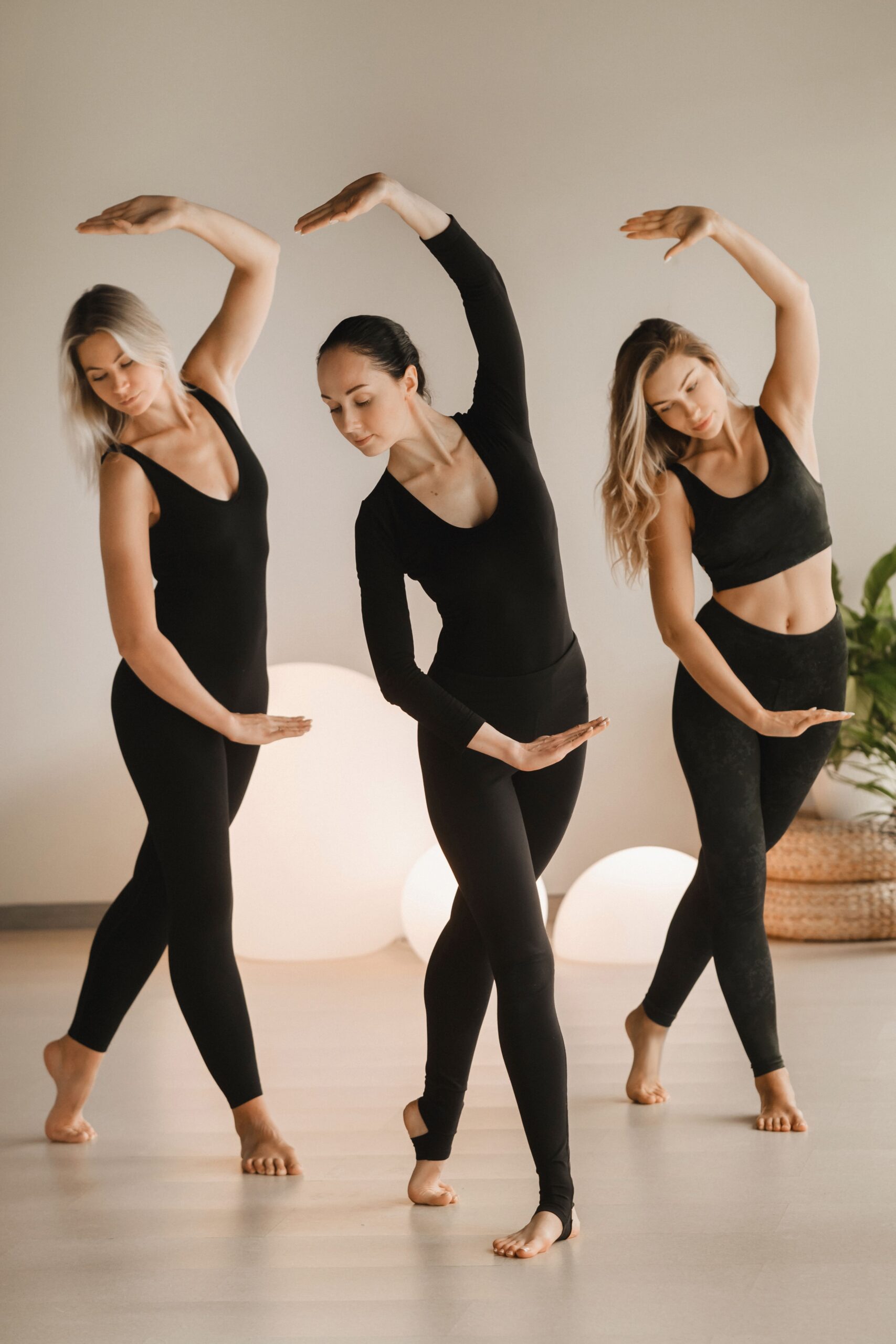 Below are movement types you’re likely to encounter in guided fusion routines:
🟡 Rhythmic Step‑Taps with Core Engagement
Step side to side in time with music while keeping core braced.
🟡 Hip‑Circle Flows
Gentle circular hip movements combined with breath to open hips and engage stabilizers.
🔵 Arm Reach Sequences
Dance‑inspired arm lines that integrate Pilates posture cues (shoulders down, chest long).
🔵 Dynamic Leg Lifts
Leg lifts synchronized to rhythm, with Pilates form emphasis (neutral pelvis, controlled descent).
🟩 Traveling Pulses
Small, rhythmic pulses in place or across the floor — great for stamina and tonic muscle work.
📋 Sample Pilates + Dance Fusion Workouts
⭐ Intro Dance‑Pilates Fusion (15 Minutes)
| Time | Section |
| 0–2 min | Warm‑Up Breath & Shoulder Rolls |
| 2–6 min | Core Pilates (modified planks + breath) |
| 6–10 min | Step Touch Rhythmic Pattern |
| 10–12 min | Arm Reach & Hip Circle Flow |
| 12–15 min | Cool‑Down Stretch + Breath |
Focus: Cardiovascular movement with controlled transitions.
💪 Energetic Dance + Pilates Flow (30 Minutes)
| Time | Section |
| 0–5 min | Warm‑Up + Breath Prep |
| 5–10 min | Pilates Core Series |
| 10–18 min | Dance‑Infused Lower Body Rhythm |
| 18–24 min | Full‑Body Sequencing (arms + legs) |
| 24–28 min | Low‑Impact Cardio Dance Burst |
| 28–30 min | Cool‑Down & Stretch |
Focus: Sustained movement, core engagement, and rhythmic flow.
💡 Tips for Better Fusion Practice
🔸 Listen to the Music, But Listen to the Body
Music can guide timing, but adjust movement if you feel strain.
🔸 Keep Core Engaged Through Movement
Pilates cues reduce compensatory patterns common in fast rhythms.
🔸 Use Imagery
Think length through the spine, lift through the pelvis, soft shoulders — these cues enhance both strength and grace.
🔸 Emphasize Breath
Use exhale on effort — especially during pulses or lifts.
❌ Common Mistakes to Avoid
 Allowing momentum to override control
Pilates + Dance is about controlled rhythm, not speed.- Neglecting breath cues
Breath should support alignment and decrease tension. - Dropping posture during dynamic work
Keep pelvis neutral and ribs down through transitions. - Skipping warm‑up
Dynamic rhythm without preparation increases strain risk.
Other Fusion Workouts
➡️ Pilates and Strength Training
➡️ Pilates and Yoga
➡️ Read More
❓ FAQs: Pilates and Dance Fusion
- Is dance experience needed?
No — guided videos break movements down so beginners can follow safely with Pilates cues.
- Can this help with coordination?
Yes — rhythmic patterns and Pilates alignment cues improve neuromuscular control.
- Are these workouts high‑impact?
They can be or low‑impact depending on video and modifications — most begin with low‑impact options.
- How often should I practice dance fusion?
2–4 times per week, combined with strength and mobility days, supports balanced development.
- Do I need a large space?
No — many guided dance fusion videos require only a small footprint (your mat or living room area).
Pilates + Dance fusion workouts bring joy, rhythm, and strength together in a way that energizes both body and mind. Guided videos make these sessions accessible, fun, and structured — whether you have 10 minutes or a full half‑hour.
As you explore movement with music, allow your body to express and refine at the same time. The blend of Pilates precision and dance exhilaration creates a movement experience that’s not just effective — it’s uplifting, rhythmic, and playful.