Blending Pilates and Yoga creates a powerful hybrid practice that balances strength, stability, flexibility, breath awareness, and mindful movement. While Pilates emphasizes core stabilization and precise muscular control, yoga focuses on breath‑led stretching, balance, and inner focus. Together, they form a fusion that’s ideal for improving posture, calming the nervous system, increasing range of motion, and building functional strength — all while reducing the risk of injury.
This guide explores:
- How Pilates and yoga complement each other
- Why fusion videos are effective
- How to practice safely
- What to expect in Pilates‑Yoga workouts
- Sample routines and progression tips
- FAQs and best practices
Whether you’re a beginner or seasoned mover, this combination can deepen your practice and help you move with greater ease and awareness.
🧘♀️ Why Combine Pilates and Yoga?
Although Pilates and yoga have distinct origins and emphases, their principles align beautifully:
Shared Foundations
Both disciplines:
- Emphasize breath awareness
- Promote mind–body connection
- Encourage intentional movement
- Improve alignment and posture
Complementary Strengths
| Pilates Strengths | Yoga Strengths |
| Core stability | Flexibility |
| Precision movement | Breath regulation |
| Postural alignment | Balance and flow |
| Strength coordination | Full‑body stretching |
| Functional movement patterns | Mindful relaxation |
Pilates strengthens muscles from the inside out; yoga stretches and lengthens them. When these work together, the result is a balanced, resilient body.
🔄 How Pilates‑Yoga Fusion Videos Work
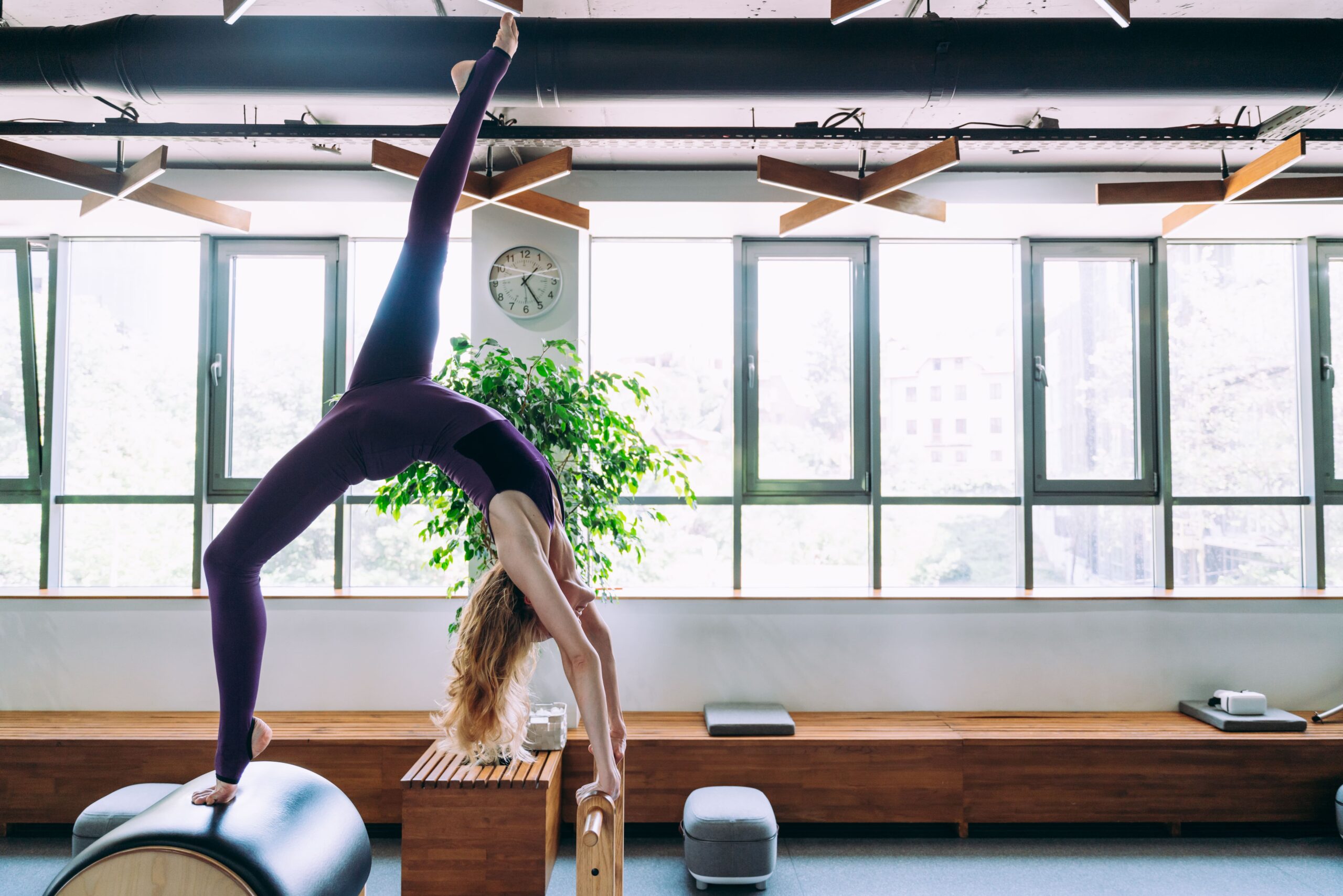 Pilates and yoga fusion workout videos typically:
- Start with breath and gentle mobility
- Integrate Pilates core‑focused sequences
- Include yoga‑like flow segments (Sun Salutations, Warrior sequences)
- Use Pilates cues for precision within yoga poses
- End with a yoga‑inspired cool‑down or Savasana
- Offer variations for beginners to advanced levels
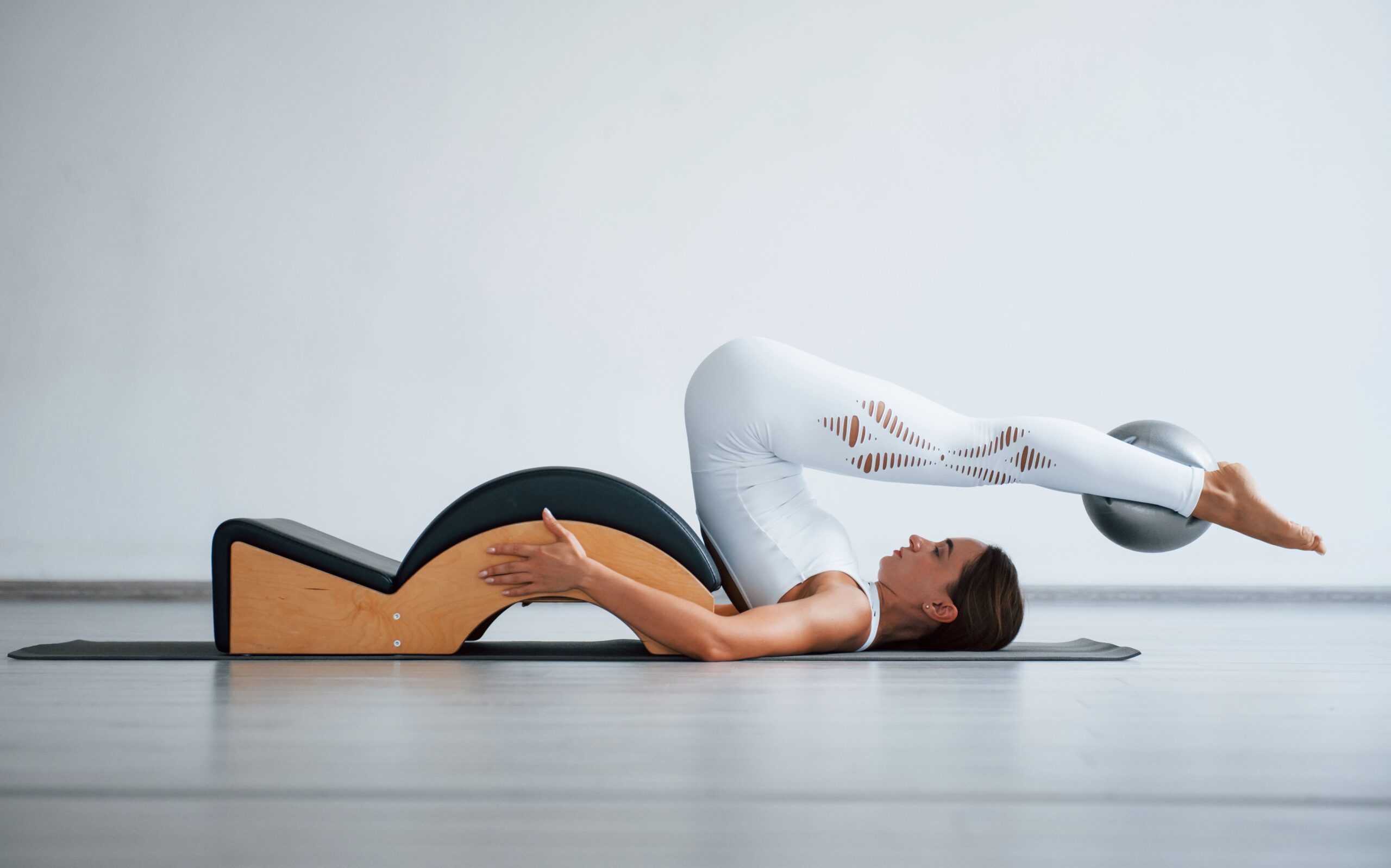
These videos may also integrate Pilates props (bands, small balls) or yoga tools (blocks, straps) depending on the instructor’s approach.
🧠 The Benefits of Pilates and Yoga Fusion
Here are some of the key advantages of practicing Pilates and yoga together:
🔸 Improved Flexibility + Strength
Yoga opens tight muscles while Pilates tones supportive stabilizers.
🔸 Better Breath Mechanics
Yoga’s breath sequencing can deepen core engagement in Pilates moves.
🔸 Calmer Nervous System
Mindful flow and breath reduce stress and promote relaxation.
🔸 Enhanced Movement Awareness
The fusion cultivates proprioception, alignment, and movement efficiency.
🔸 Balanced Muscle Development
You work both mobility and stability — critical for everyday function and athletic performance.
📹 How to Use Pilates‑Yoga Fusion Videos Safely
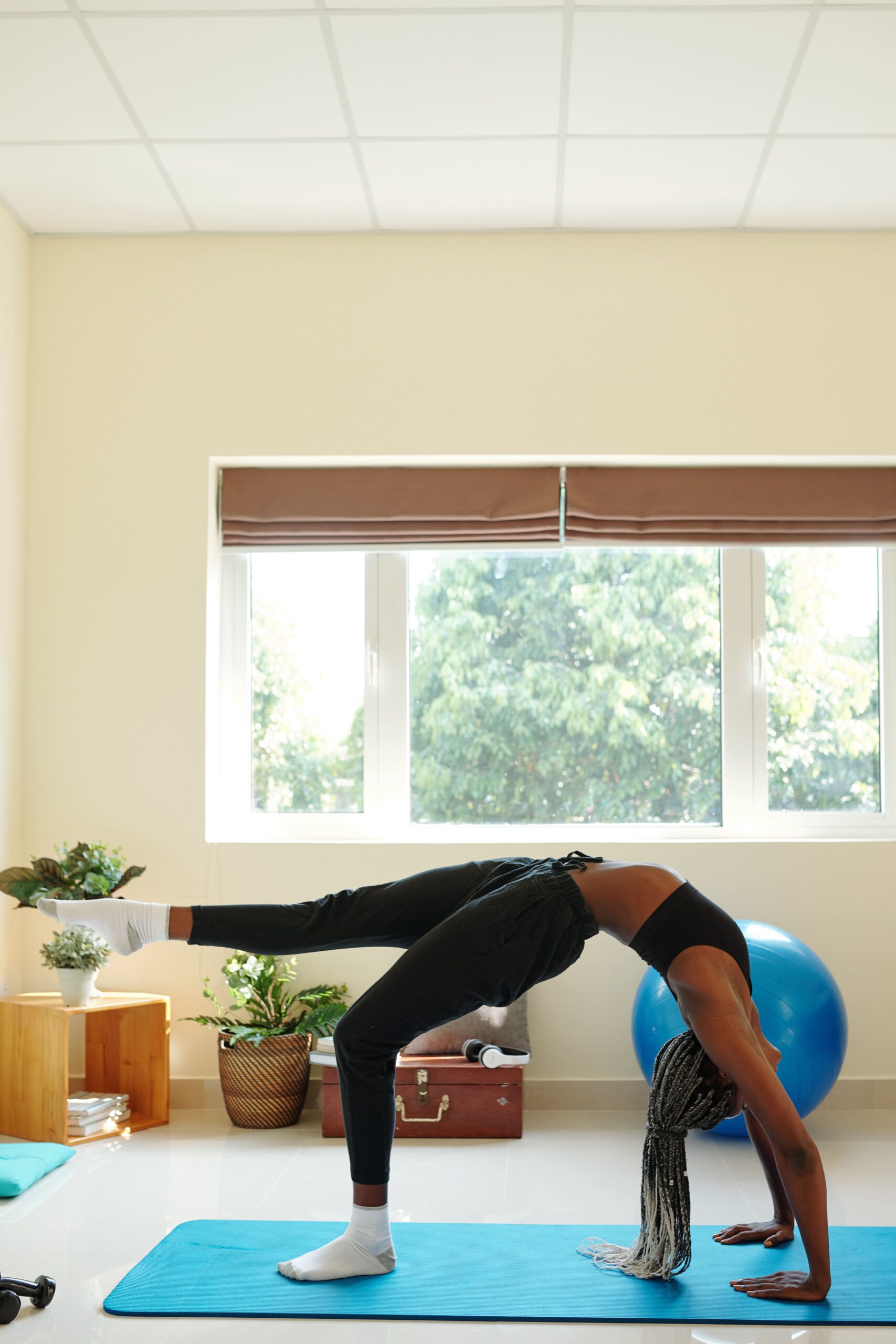 When following guided videos, keep these principles in mind:
✔ Focus on Alignment
Move with intention — quality over quantity.
✔ Honor Breath
Inhale to lengthen, exhale to engage core or transition.
✔ Modify When Necessary
Most good instructors offer easier and harder options — use them.
✔ Warm Up First
Introduce gentle mobility before deeper hip or spine work.
✔ Listen to Your Body
Pain is a signal to modify or stop — discomfort is not a goal.
🧠 Common Themes in Pilates‑Yoga Videos
Fusion classes tend to include:
🔹 Breath‑Led Warm‑Ups
Combining yoga pranayama with Pilates postural awareness.
🔹 Dynamic Flow
Yoga sequences linked with Pilates core activation moves.
🔹 Core Emphasis Within Yoga Poses
Pilates cues help stabilize the pelvis or ribs in warrior, plank, or lunge variations.
🔹 Balance Challenges
Yoga balance postures (Tree, Warrior III) with Pilates alignment cues.
🔹 Stretch & Release
Longer holds in yoga combined with Pilates‑style core support.
🧘 Sample Pilates + Yoga Fusion Routines
Here are two structured routines you can follow — or use them as templates when choosing videos.
⭐ Gentle Fusion Flow — 15–20 Minutes
Warm‑Up (3 min)
- Seated breath work
- Neck and shoulder rolls
Mobility & Flow (7 min)
- Cat‑Cow with Pilates core cue
- Downward Dog to Plank (flow)
- Cobra with deep exhale
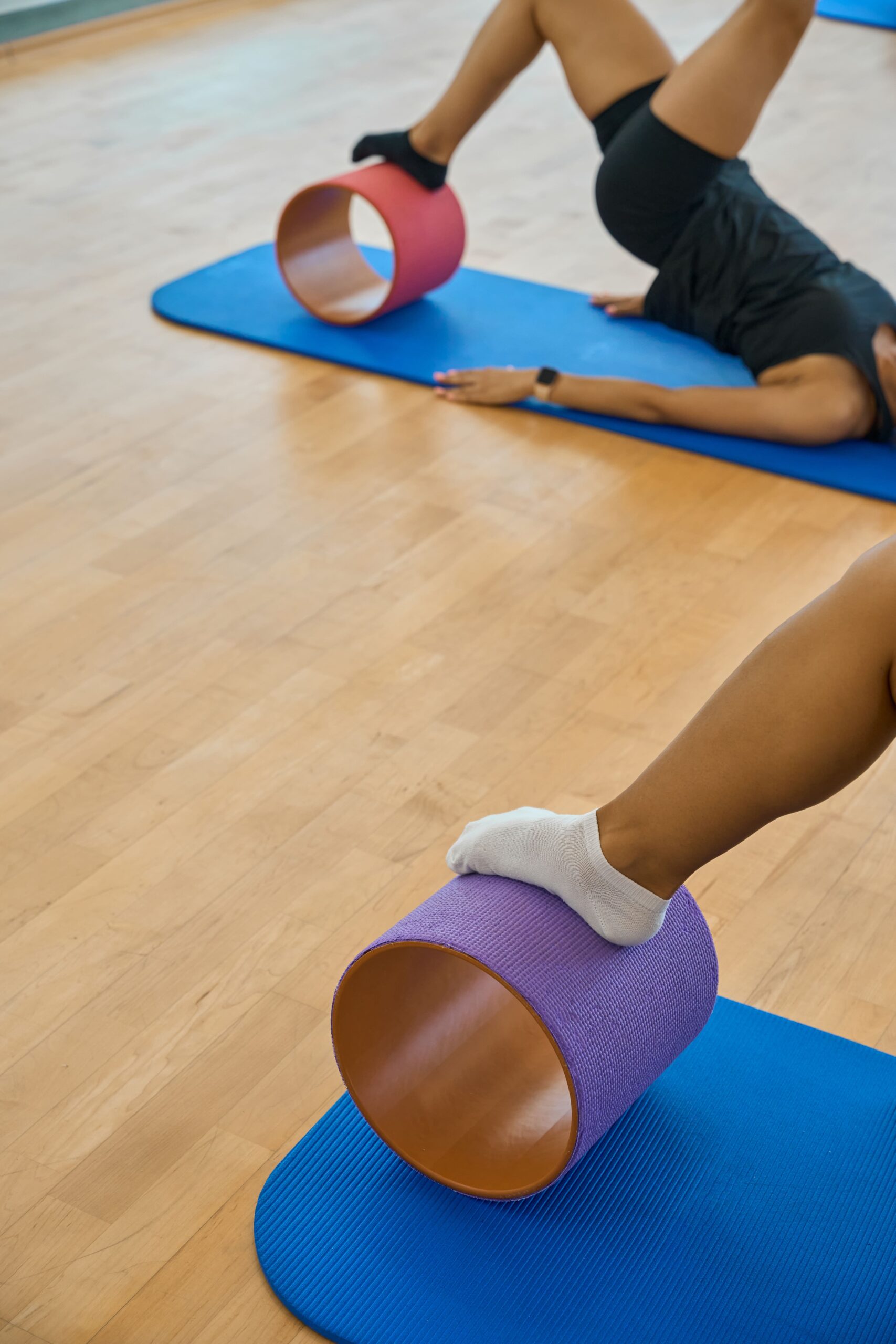 Strength & Stability (6 min)
- Pilates Hundred (modified, core focus)
- Warrior II with engaged core
- Triangle pose with Pilates reach
Cool‑Down (4 min)
- Seated forward fold
- Supine twist
- Savasana with breath focus
Focus: Mind–body connection and gentle strength.
💪 Dynamic Fusion Flow — 30 Minutes
Warm‑Up (5 min)
- Breath work
- Shoulder and hip mobility
Integrated Sequence (12 min)
- Sun Salutation A with Pilates core pulses
- High‑lunge with back leg lift (Pilates emphasis)
- Side plank with rotation
Strength Block (8 min)
- Pilates bridge with leg extension
- Chair pose with core engagement
- Pilates plank variations
Balance & Flexibility (5 min)
- Tree pose with Pilates alignment cue
- Pigeon pose for hip release
Cool‑Down (5 min)
- Seated stretch series
- Savasana with guided breath
Focus: Strength, breath, coordination, and mobility.
🧘♂️ Example Pilates & Yoga Moves Explained
🔹 Pilates Hundred in Yoga Flow
How It Works:
From tabletop or reclined position, pump arms with breath coordination while maintaining core activation — then transition into gentle yoga stretches.
Benefits:
Deepens breath‑core connection and warms up the body.
🔹 Warrior II With Core Engagement
How It Works:
In Warrior II stance, keep ribs stacked, pelvis neutral, and core engaged — holding breath steady as you press into legs.
Benefits:
Strengthens legs and stabilizes the pelvis.
🔹 Side Plank With Rotation
How It Works:
From Side Plank, reach through, exhale as you rotate, inhale to return — use Pilates precision within the yoga posture.
Benefits:
Targets obliques, shoulders, and balance.
🔹 Bridge With Yoga Breath
How It Works:
Lie on back, feet flat, exhale to lift hips (Pilates cue), inhale to hold, exhale to lower slowly.
Benefits:
Glutes, hamstrings, and spine articulation.
📍 Choosing Pilates‑Yoga Videos Online
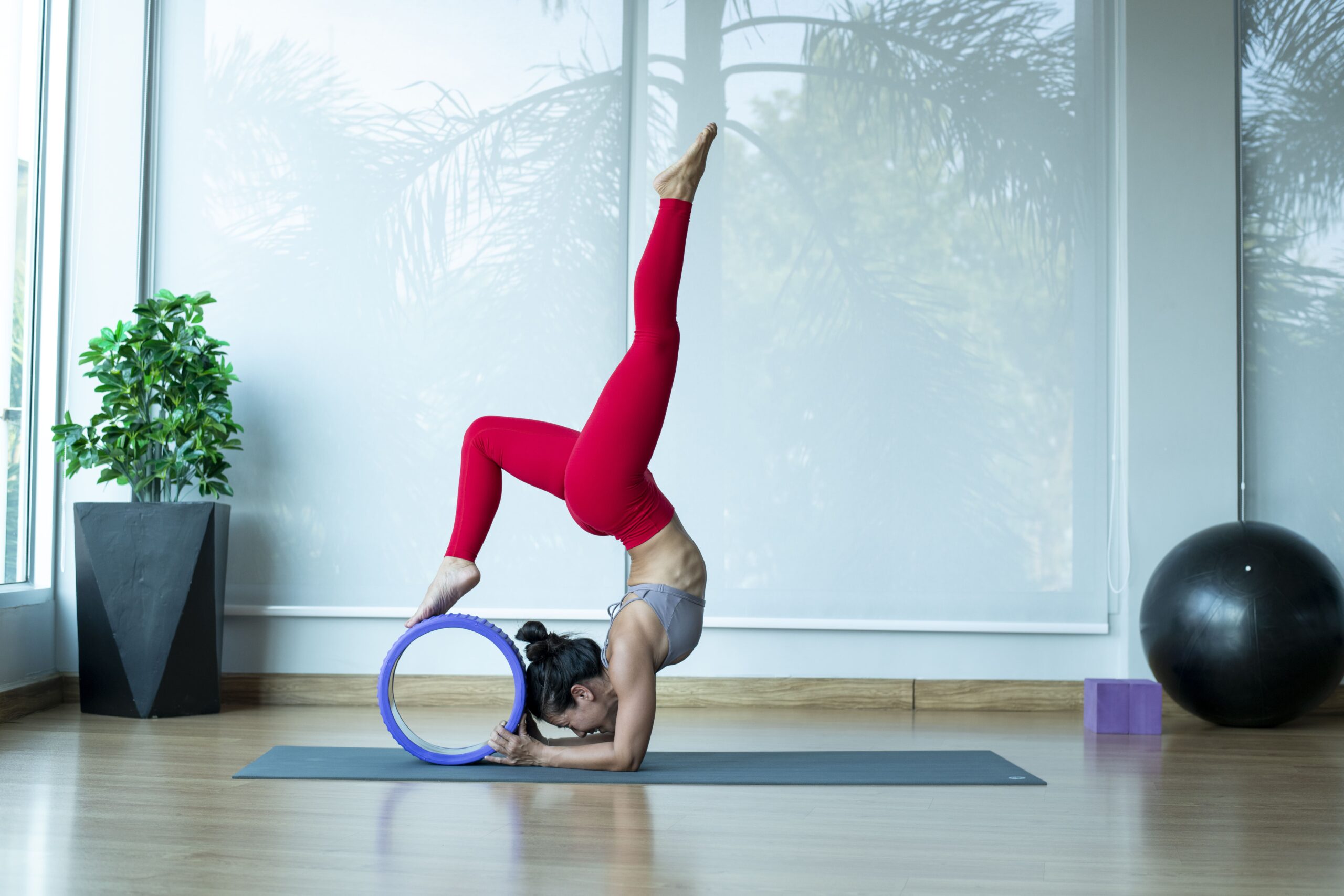 When searching for fusion videos:
- Use keywords like “Pilates + Yoga fusion,” “Yoga Pilates flow,” or “Core stability yoga Pilates.”
- Look for instructors with certifications in both Pilates and yoga.
- Choose classes by duration based on your time and experience (e.g., 10, 20, 30 minutes).
- Prioritize videos that emphasize alignment, breath, and modification cues rather than pure repetition.
🧘♀️ Benefits Backed by Movement Science
Improved Functional Movement
Research suggests that combining strength and mobility training improves functional outcomes — especially when breath and alignment are emphasized.
Better Posture
Both Pilates and yoga prioritize postural awareness — fusion work delivers sustained gains in upright stability and balance.
Reduced Stress & Anxiety
Merging mindful breathing with intentional movement reduces cortisol and supports parasympathetic engagement.
Other Fusion Workouts
➡️ Pilates and Barre
➡️ Pilates and HIIT
➡️ Check Out Videos From Katja
❓ FAQs: Pilates and Yoga Fusion
- Is Pilates or yoga “better”?
Neither is universally better — they serve different strengths. Fusion blends both, giving you balanced benefits.
- Can beginners do Pilates‑Yoga fusion?
Yes — find videos with clear modification options and slower pacing.
- Do I need props?
Props are optional — a mat is sufficient. Blocks, straps, or bands can enhance support.
- How often should I practice fusion workouts?
3–5 sessions per week supports strength, flexibility, and breath awareness.
- Will fusion help reduce back pain?
Yes — when videos emphasize alignment, core engagement, spinal articulation, and posterior chain strength.
Pilates and yoga fusion workouts offer a thoughtful, effective way to improve your movement, breath, balance, and overall physical confidence. Guided videos make these sessions accessible, structured, and adaptable — whether you have 10 minutes or a full half‑hour to dedicate to your body and mind.
Start with gentle flows, pay attention to breath and alignment, and gradually explore more dynamic sequences. The union of Pilates precision and yoga’s mindful flow creates a movement practice that’s both grounding and empowering — helping you move better, feel calmer, and cultivate strength from the inside out.