Your complete beginner‑to‑advanced guide to using the foam roller in Pilates practice.
Pilates teaches mindful movement, alignment, and core control — and when paired with a foam roller (Read more: Foam Roller Benefits), it becomes a powerful tool to improve mobility, balance, soft‑tissue release, posture, and strength. Foam rollers bridge the gap between Pilates precision and therapeutic movement, making them ideal for warm‑ups, cool‑downs, or full practice flows.
This page explores how foam roller Pilates works, why it’s effective, how to use it safely, and how to follow guided Pilates foam roller videos at home. You’ll also find sample routines, progressions, and video guidance tips.
🌀 What Is Foam Roller Pilates?
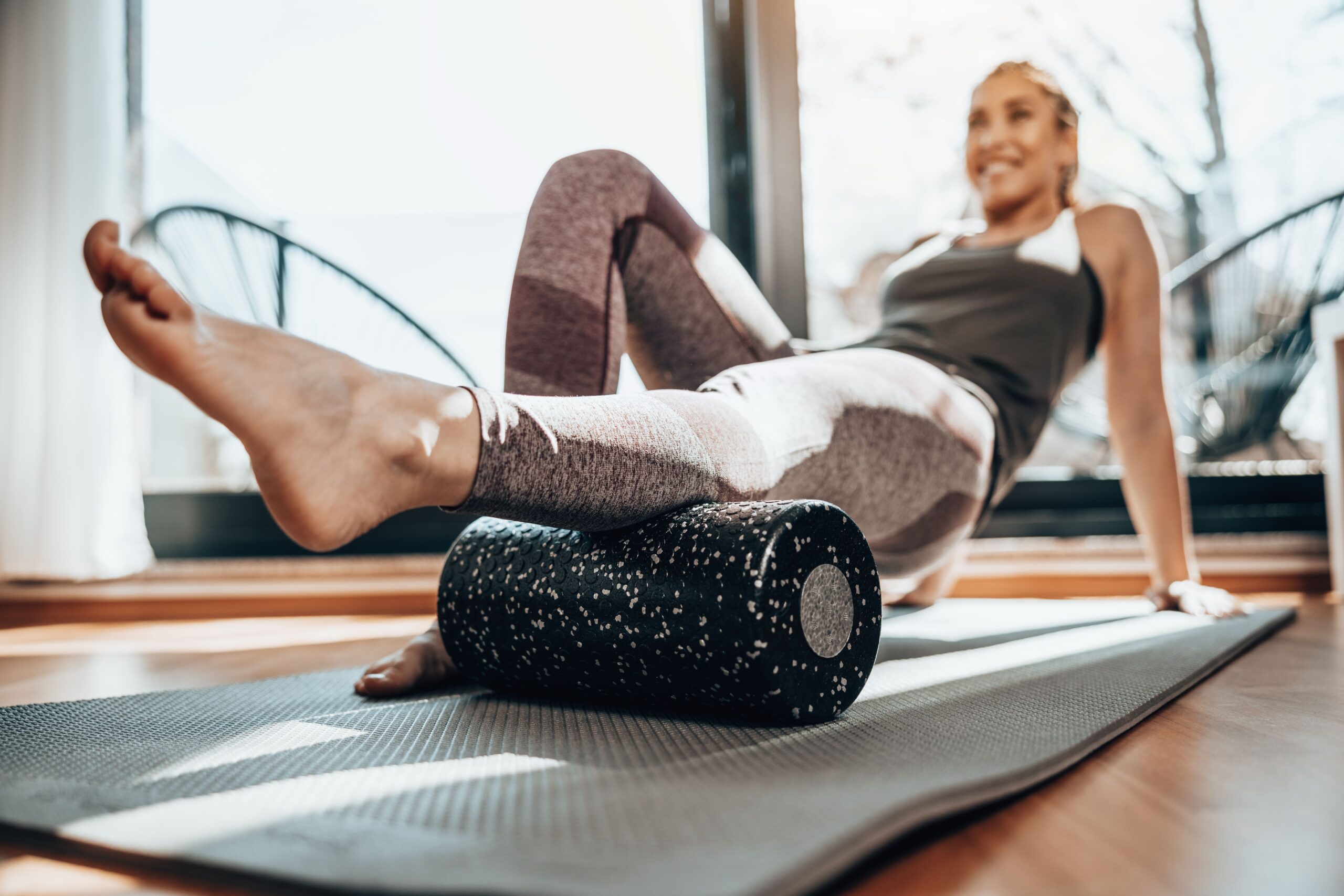 Foam roller Pilates uses a cylindrical foam tool to add support, challenge stability, and enhance fascia release — all while anchoring key Pilates principles like:
- Control
- Precision
- Breath coordination
- Whole‑body integration
Instead of traditional Pilates mat work alone, you incorporate the roller to:
- Create instability for deeper core engagement
- Support balance challenges
- Massage muscles and connective tissue (myofascial release)
- Cue length and alignment along the spine
Foam roller classes blend mobility, stability, and gentle strength — making them perfect as stand‑alone sessions or add‑ons to other Pilates videos.
⭐ Why Use a Foam Roller in Pilates?
Pilates and foam rolling naturally complement each other:
✔ Enhanced Mobility
Rolling releases tight muscles and increases range of motion, especially in:
- Hamstrings
- Calves
- Back muscles
- Shoulders
- Hip flexors
✔ Better Posture & Alignment
The roller invites your body into neutral alignment while challenging stabilizers — especially along the spine.
✔ Improved Balance & Core Activation
Placing the roller under your back or pelvis creates subtle instability that deepens core engagement safely.
✔ Warm‑Up & Cool‑Down Efficiency
Use the roller before movement to increase tissue pliability, and after workouts to help muscles recover.
✔ Low‑Impact Strength
Roller work builds balance, postural strength, and stability without heavy resistance — ideal for all levels.
📍 Who Should Do Foam Roller Pilates Videos
Foam roller Pilates is great for:
- Beginners, as the roller supports posture and guides spine articulation
- Intermediate & advanced practitioners seeking challenge and depth
- People with tight backs, hips, or shoulders looking for mobility release
- Athletes or movers needing recovery and release
- Anyone seeking safer, mindful movement options
Not recommended without modification for people with:
- Severe neck or back pain (consult a healthcare provider first)
- Recent surgery or acute injury
- Severe osteoporosis or bone fragility
In those cases, always check with your clinician before starting.
🎥 How to Use Foam Roller Pilates Videos Safely
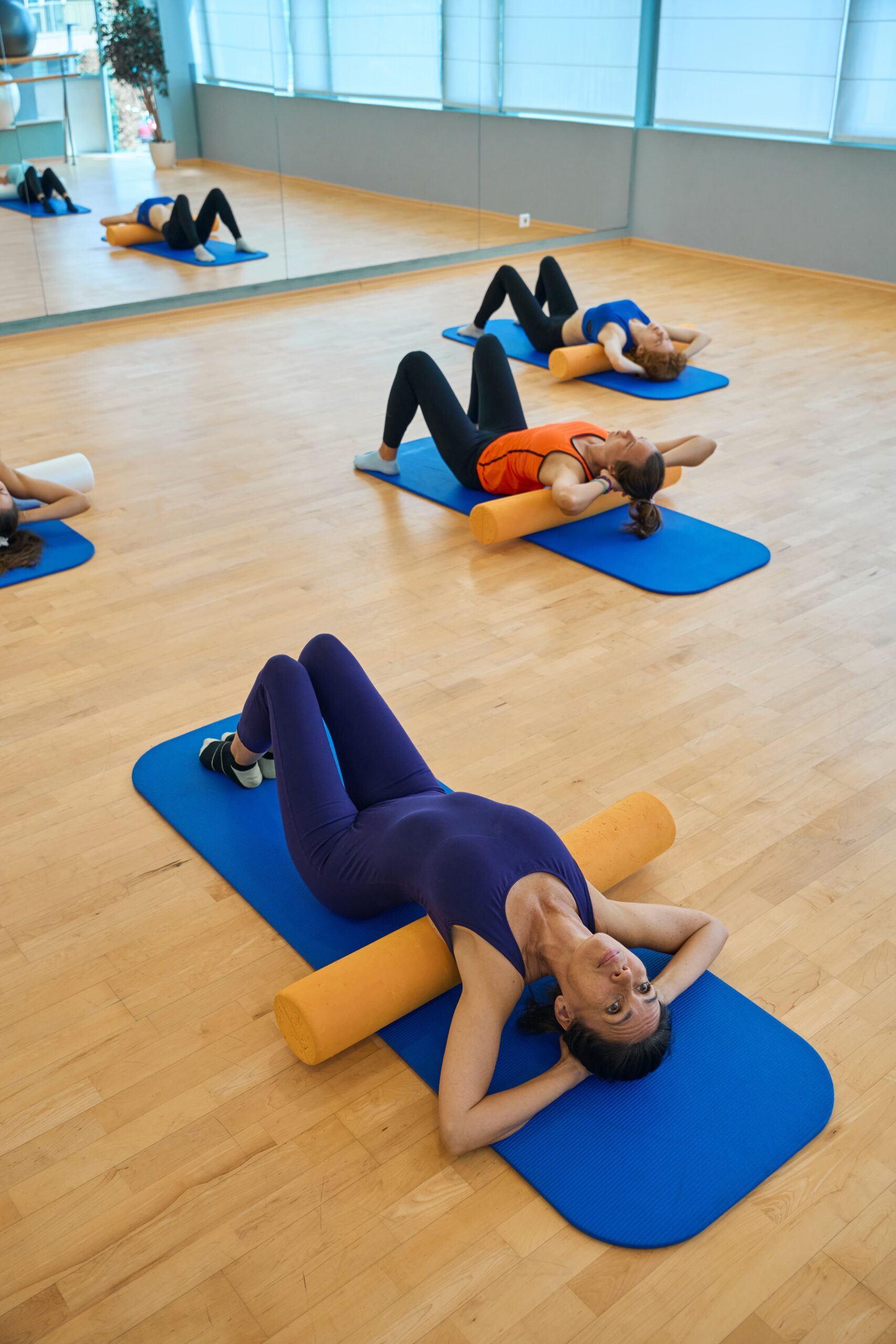 Videos are helpful because they guide timing, pacing, and cues. Here’s how to follow them effectively:
✔ Start with Short Sessions (10–15 min)
Longer isn’t always better — especially when rolling tissues.
✔ Focus on Breath & Alignment
Exhale on effort, inhale on release. Never hold breath during tension work.
✔ Use Slow, Controlled Movement
The roller invites mindful tension and release, not fast bouncing.
✔ Modify if It Hurts
Discomfort is okay; sharp or intense pain is not.
✔ Always Warm Up Before Deep Rolling
Rollers are great warm‑up tools, but sequencing matters — begin with gentle joint mobility first.
🎯 What Roller Pilates Videos Focus On
Foam roller videos often include:
🟡 Spinal Articulation & Release
Roll gently along the thoracic and lumbar spine to open up posture.
🟡 Hip & Glute Mobility
Release tight glutes, hamstrings, and hip flexors to improve hip extension.
🟡 Shoulder & Upper Back Release
Use the roller beneath the scapulae to ease shoulder tension.
🟡 Core Stability Challenges
Balance on the roller for bridges, planks, or leg lifts to activate deep stabilizers.
🟡 Balance & Proprioception
Standing or kneeling on the roller (or using it as a base) increases balance challenge.
🔁 Best Foam Roller Pilates Videos to Follow
Below are types of videos you should look for — all accessible across YouTube and Pilates platforms. (As you explore, always choose classes from certified instructors who emphasize alignment, safety, and progression.)
💻 1. Full‑Body Foam Roller Flow
- 15–30 minutes
- Combines mobility, stability and release
- Great for overall warm‑ups or recovery days
💻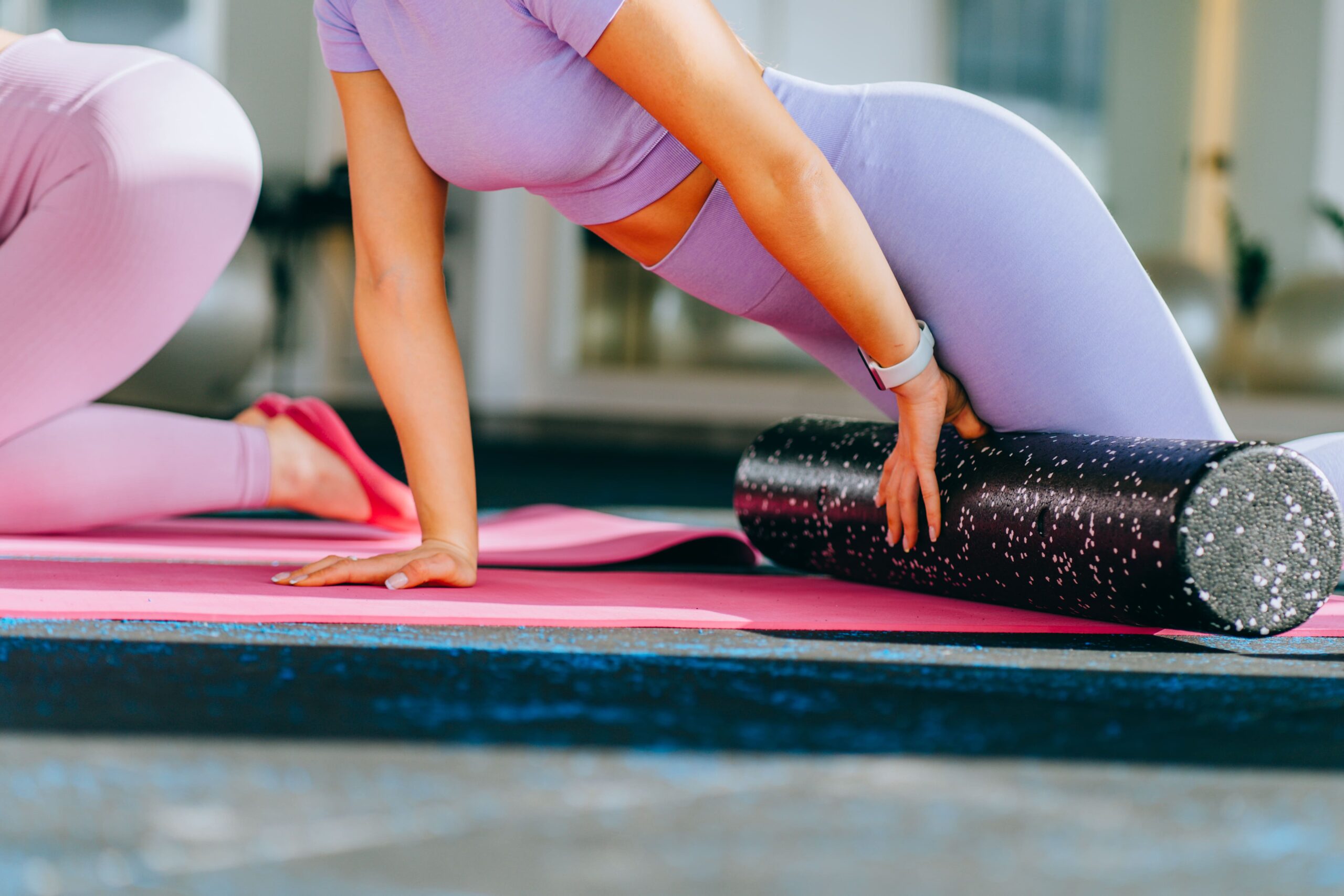 2. Back & Spine Focused Roller Workouts
- 10–20 minutes
- Improves thoracic mobility and postural length
💻 3. Hip & Lower Body Foam Roller Sessions
- 10–25 minutes
- Targets hip flexors, quads, hamstrings, calves
💻 4. Core & Stability Roller Challenges
- 10–15 minutes
- Uses roller to challenge balancing core, bridges, planks
💻 5. Active Recovery or Stretch + Roll Routines
- 15–25 minutes
- Perfect after intense workouts or long days sitting
Pro Tip: Search for terms like
“foam roller Pilates for beginners”
“foam roller core stability workout”
“mobility roller flow”
“Pilates roller hip release”
You’ll find playlists organized by target area and duration.
🔁 Sample Foam Roller Pilates Routine (20 Minutes)
Here’s a guided structure you can follow even without a specific video:
| Time | Focus |
| 0–3 min | Breath + gentle hip mobility |
| 3–7 min | Upper back rolling + opening |
| 7–10 min | Side glute & IT band small release |
| 10–15 min | Core stability (roller bridge/plank) |
| 15–18 min | Hamstring & calf rolling |
| 18–20 min | Supine breathing + spinal stretch |
This can be repeated 2–3x per week (or more on recovery days).
🔄 Example Exercises (with Roller)
Below are common Pilates moves adapted with foam roller support:
🟢 Spinal Roll
Purpose: Lengthen thoracic spine
- Lie on back with roller under upper back
- Interlace hands behind head
- Inhale, lengthen spine; exhale, lift ribs away from roller
- Keep movements slow and gentle
🟡 Bridge on Roller
Purpose: Glutes + core stabilization
- Place roller under shoulders or hips
- Press into feet, lift hips toward ceiling
- Exhale to engage core, inhale to lower
🔵 Hip Flexor Roll
Purpose: Release anterior hip tension
- Lie prone with roller under front hip
- Bend elbows, shift gently back and forth
- Keep movement smooth, not painful
🟣 Arm & Shoulder Openers
Purpose: Chest opening and shoulder care
- Sit with roller at mid‑back, arms out wide
- Inhale to open chest, exhale to lengthen
- Gentle controlled movements
🔴 Side Support Core Lift
Purpose: Obliques + balance
- Place roller lengthwise
- Side plank variation with forearm on floor, feet on roller
- Exhale to activate side core, inhale to hold
💡 Tips for Maximum Benefit
- Listen to Your Body
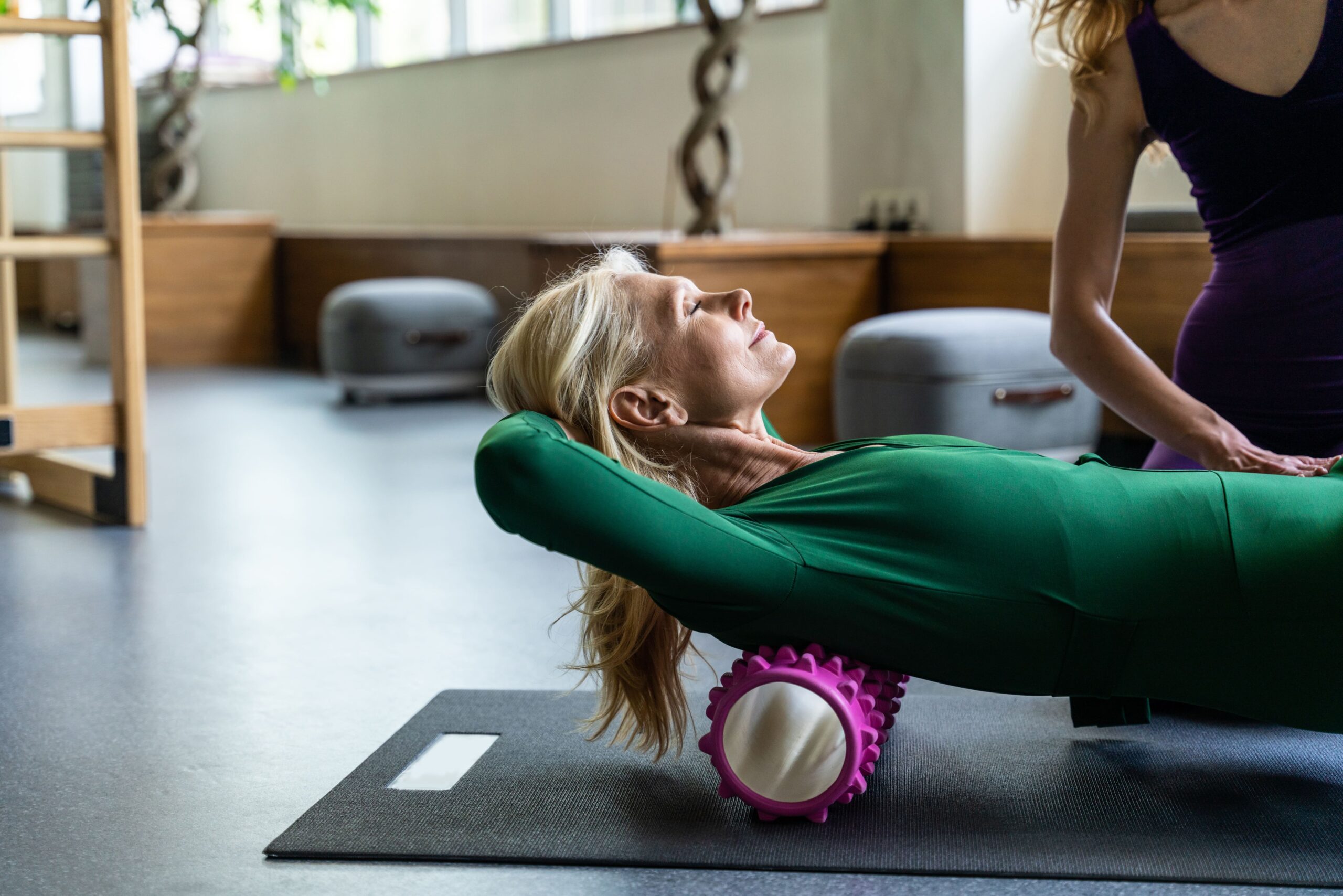 Rolling should feel like thoughtful pressure, not sharp pain.
- Stay Hydrated
Hydration helps fascia and soft tissues respond better.
- Work Slowly
Speed reduces awareness — Pilates is about control.
- Pair With Breath Work
Exhale during tension or release phases for better nervous system regulation.
- Try Narrow Focus Days
E.g., back only, or hip only — to avoid overstimulating tissue.
📌 Common Mistakes to Avoid
❌ Rushing through rolls
❌ Forgetting breath cues
❌ Rolling joints directly (always roll muscles)
❌ Using a roller that’s too hard (choose density wisely)
❌ Ignoring discomfort signals
🎯 Best Foam Rollers for Pilates (Quick Guide)
| Type | Best For |
| Soft Foam Roller (low density) | Beginners, sensitive tissue |
| Medium Roller | Most users, balanced release + stimulation |
| Firm / High‑Density Roller | Advanced users, deeper release |
| Textured Rollers | Trigger point work (use cautiously) |
| Mini Rollers | Targeted areas (e.g., calves, arms) |
Tip: Start with a medium or soft roller if you’re new to foam rolling.
Other Equipment Videos
➡️ Pilates Equipment Videos
➡️ Pilates Ring Workouts
➡️ Resistance Band Pilates
❓ FAQs: Foam Roller Pilates
- Can foam roller Pilates help with back pain?
Yes — when done with control and proper form. Rolling the thoracic spine and mobilizing hips often improves low back comfort.
- How often should I do these videos?
2–5 times per week — mix with other Pilates or mobility work.
- Do I need to be flexible to use a roller?
No — flexibility isn’t required. Rolling improves mobility over time.
- How long should a session be?
10–30 minutes works well; even short sessions are effective.
- Is foam rolling painful?
You may feel pressure — start gentle, avoid sharp or burning sensations.
Foam roller Pilates brings together the best of mindful movement, mobility, and release — helping you recover, strengthen, and move with intention. Guided video sessions make it accessible, structured, and safe, whether you’re a complete beginner or seasoned mover.
Tap into foam roller videos for better posture, greater mobility, deeper core engagement, and renewed body awareness — and let this tool become a regular part of your Pilates journey.