Children and adolescents are constantly growing — not just in height but in coordination, balance, body awareness, and confidence. Pilates is an exceptional movement practice for kids because it teaches mindful motion, core stability, posture, and motor skills in a gentle, playful, and age‑appropriate way.
This guide explains:
- Why Pilates benefits kids
- How Pilates for kids differs from adult classes
- Core exercises and game‑like progressions
- Safety considerations
- Sample routines by age group
- FAQs and tips for caregivers
Pilates isn’t just for adults — when done right, it supports healthy development and fosters a lifelong love of movement.
Why Pilates for Kids Is Valuable
 Pilates offers a movement foundation that enhances many developmental skills children use every day:
🧠 Improves Body Awareness
Kids learn how their bodies move in space — a skill called proprioception — which supports better coordination in sports and play.
💪 Builds Functional Strength
Soft core, back, hip, and shoulder strengthening helps with balance, posture, and reducing injury risk during active play or organized sports.
🦶 Supports Balance & Coordination
Pilates teaches controlled transitions and stability — essential as children play, jump, run, and explore.
🧘 Encourages Mind–Body Connection
Breath awareness and focused movement help kids calm their nervous systems and build concentration.
🌟 Boosts Confidence
Completing movement challenges in a supportive way encourages confidence and physical self‑efficacy.
🤸 Enhances Flexibility
Gentle movement improves joint range of motion without forceful stretching — especially important during growth spurts.
How Pilates for Kids Differs From Adult Pilates
Pilates for kids is adapted to be:
🎯 Playful, not Perfect
Movements are introduced as fun challenges or games (e.g., “reach for the stars”, “rolling like a log”), not drills with strict form rules.
☝️ Shorter & Engaging
Attention spans vary — sessions are usually 10–30 minutes with variety and movement games woven in.
👨👩👧 Adult‑Assisted or Supervised
Younger children should always practice with a caregiver or trained instructor present for safety and encouragement.
🧩 Developmentally Appropriate
Exercises are selected to match the child’s age, coordination, and stage of motor development — from simple balance drills to more integrated core work for older kids.
General Safety Principles
Before trying Pilates with kids, follow these key safety guidelines:
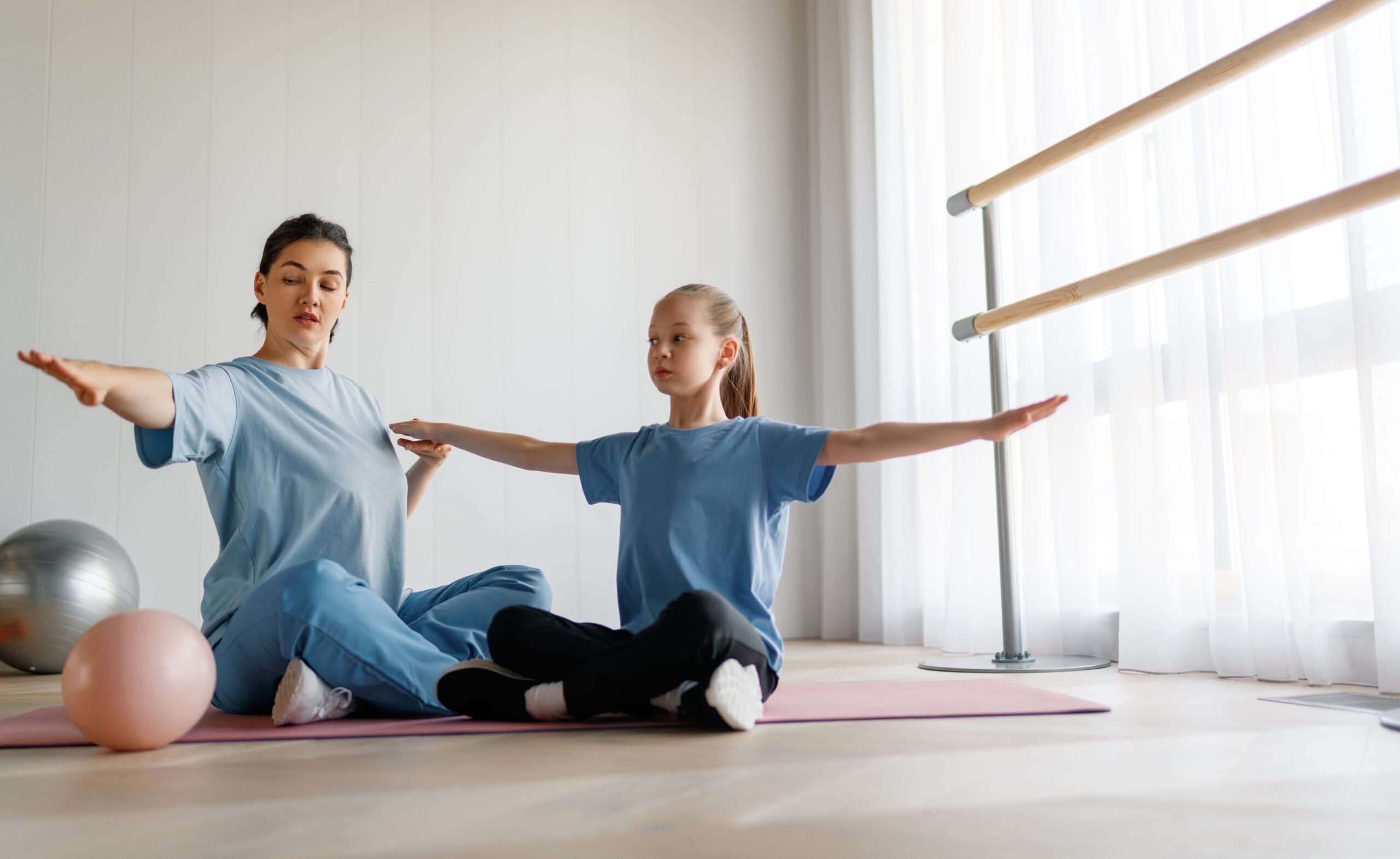 ⛔ Don’t force deep flexibility
Kids’ joints are more flexible by nature — over‑stretching can injure soft tissue.
👀 Supervise at all times
Children should be observed by a parent, guardian, or trained instructor so movements stay safe.
🚫 Avoid high‑impact or risky transitions
Pilates sessions for kids should prioritize controlled, ground‑based movement over jumps or rapid changes.
🧍 Keep props simple
Small cushions, rolled towels, or a soft mat are usually enough — avoid heavy or unstable equipment without supervision.
🗣️ Focus on enjoyment
Emphasize fun, success, and celebration over perfect performance.
Core Pilates Movements for Kids (With Play‑Based Cues)
Below are age‑appropriate Pilates moves presented with fun, kid‑friendly language.
🔹 Belly Breathing — “Balloon Breath”
Purpose: Teaches breath control and relaxation
How to do it:
- Lie or sit comfortably
- Inhale through the nose — imagine the belly filling like a balloon
- Exhale through the mouth — imagine the balloon slowly deflating
Game Cue: “Can you make the balloon big and soft without hunching your shoulders?”
🔹 Cat‑Cow — “Arch Like a Cat / Drop Like a Cow”
Purpose: Encourages spinal mobility
How to do it:
- On hands and knees
- Inhale to lower belly (cow), lift head
- Exhale to round spine (cat), tuck chin
Game Cue: “Can you roar like a happy cow, then stretch like a lazy cat?”
🔹 Puppy Rolls — “Roly‑Poly Log”
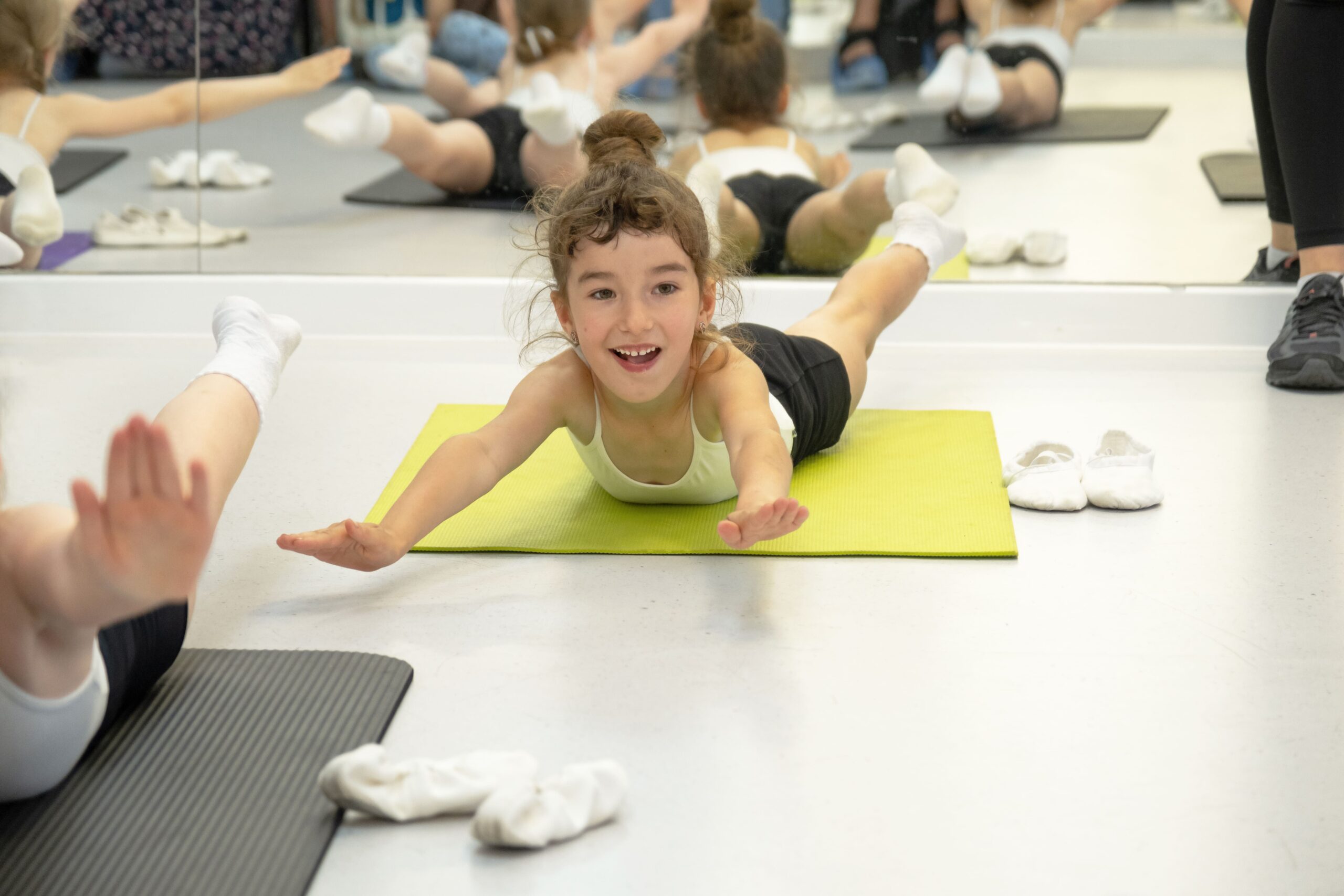 Purpose: Builds core engagement and balance
How to do it:
- Lie on back, hug knees to chest
- Rock gently side to side or front to back with control
Game Cue: “Can your body roll like a log on gentle waves?”
🔹 Side‑Lying Leg Lifts — “Magic Leg Lifts”
Purpose: Strengthens hips and glutes
How to do it:
- Lie on one side, stack legs
- Lift top leg slowly, then lower
Game Cue: “Can your magic leg lift to touch the star, then float back down?”
🔹 Bridge — “Rainbow Bridge”
Purpose: Glute and core strengthening
How to do it:
- Lie on back with knees bent
- Exhale to lift hips up like a little bridge
- Inhale to lower
Game Cue: “Can you make the strongest rainbow bridge to help your toy cross?”
🔹 Plank (Modified) — “Superhero Hold”
Purpose: Builds core stability
How to do it:
- Forearms or hands on mat, knees down
- Hold with straight back
Game Cue: “Be a strong superhero holding your power pose!”
🔹 Seated Spine Stretch — “Tall & Slow”
Purpose: Encourages spinal mobility and posture
How to do it:
- Sit tall with legs out
- Reach forward slowly with exhale
Game Cue: “Can you reach for your favorite storybook on the floor, then sit tall again?”
Sample Pilates Routines for Kids
Here are two age‑tailored routines you can follow at home — one for younger children (ages 5–8) and one for older kids/teens (ages 9–14).
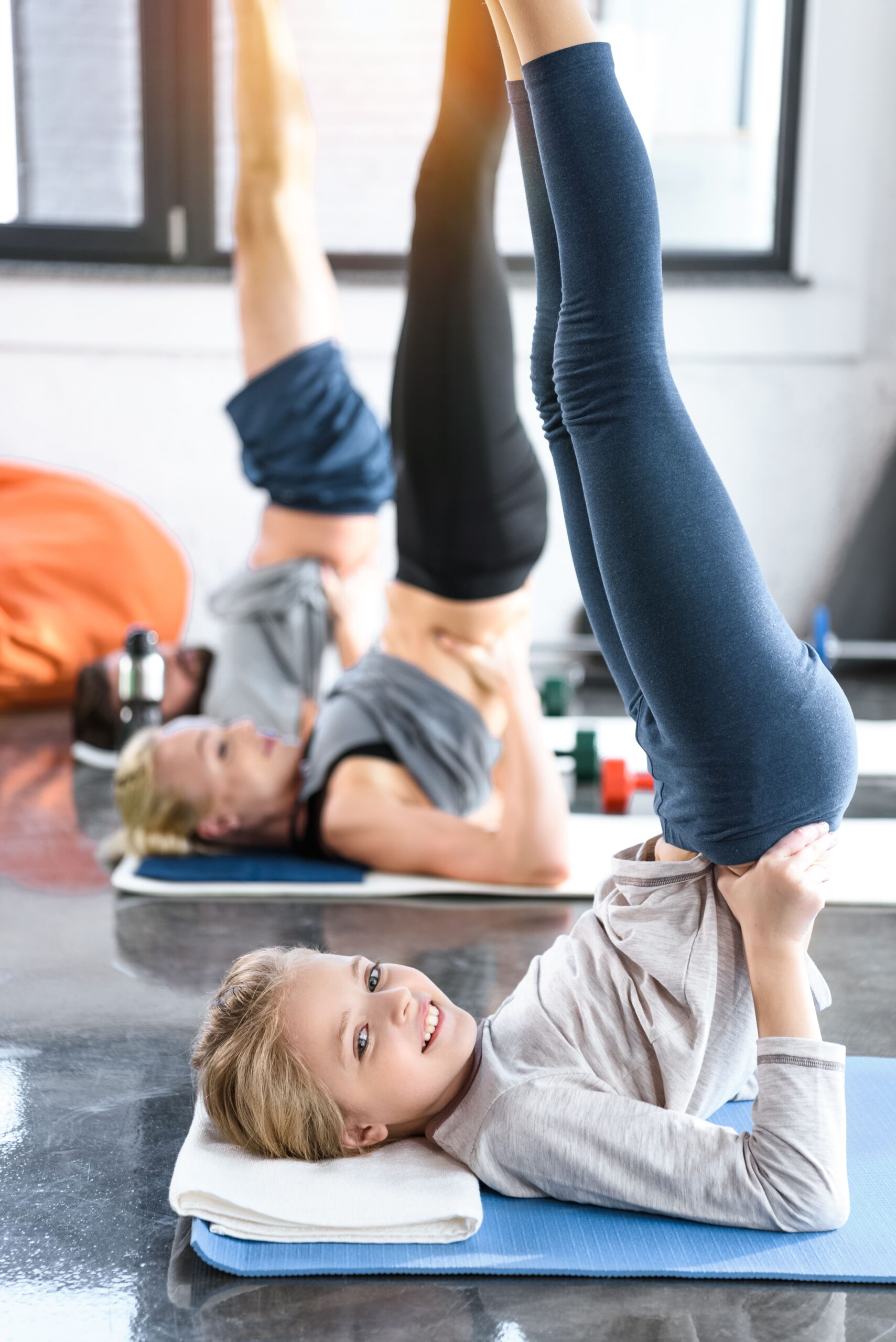 🐣 Routine for Younger Children (10–15 min)
Warm‑Up (3 min)
- Balloon Breath (1 min)
- Shoulder Rolls (1 min)
- Ankle Circles (1 min)
Core Play (7 min)
- Roly‑Poly Log (1 min)
- Magic Leg Lifts (2 min total)
- Rainbow Bridge (2 min)
- Cat‑Cow with Animal Sounds (2 min)
Cool‑Down (5 min)
- Seated Tall & Slow Stretch (2 min)
- Butterfly seated legs + gentle breath (2 min)
- Side Hug + big breath (1 min)
Game Elements: Count reps with animal noises, race to gentle goals (e.g., three slow lifts without wobble).
🚀 Routine for Older Kids/Teens (20–30 min)
Warm‑Up (5 min)
- Balloon Breath with Arms Overhead
- Standing Hip Rolls
- Ankle & Wrist Mobility
Strength & Stability (12–15 min)
- Superhero Plank Holds (3 rounds, 20–30 sec)
- Side‑Lying Leg Lifts (2 sets/side)
- Bridge Variations (single‑leg or pulse)
- Cat‑Cow with slow rhythm
Mobility & Balance (5–7 min)
- Seated Spine Stretch
- Hip Opener Stretch
- Supine Knee‑to‑Chest Release
Cool‑Down (3–5 min)
- Belly Breathing
- Gentle seated twist
- Relaxation lie‑down
Game Elements: Add friendly challenges (e.g., longest stable plank, slowest controlled lift).
Tips for Caregivers & Teachers
👂 Listen More Than Correct
Encourage kids to feel the movement rather than “getting it perfect.”
🎨 Use Imagination
Fun imagery boosts engagement (e.g., “reach for stars,” “roll like a log”).
🧑🏫 Model Movements
Kids follow by watching — demonstrate slowly and enthusiastically.
💬 Encourage Breath With Words
Use simple cues like “fill the balloon,” “slow breeze out.”
📆 Keep It Consistent, Not Long
Short, daily movement habits are much more effective than rare, long sessions.
📌 Let Them Lead Sometimes
Ask what movement or pose they enjoyed — autonomy builds joy and confidence.
Related Information
➡️ Pilates for Special Populations
➡️ Prenatal Pilates
➡️ Postnatal Pilates
➡️ Playlist for Kids
FAQs: Pilates for Kids
- What age can kids start Pilates?
Children as young as 5–6 years old can begin very basic movements. Older kids and teens can do progressively more integrated work with proper guidance.
- Is Pilates safe for kids with special needs?
Yes, with modifications and supervision by someone who understands the child’s needs. Always check with a healthcare provider when tailoring for special physical or developmental conditions.
- Do kids need equipment?
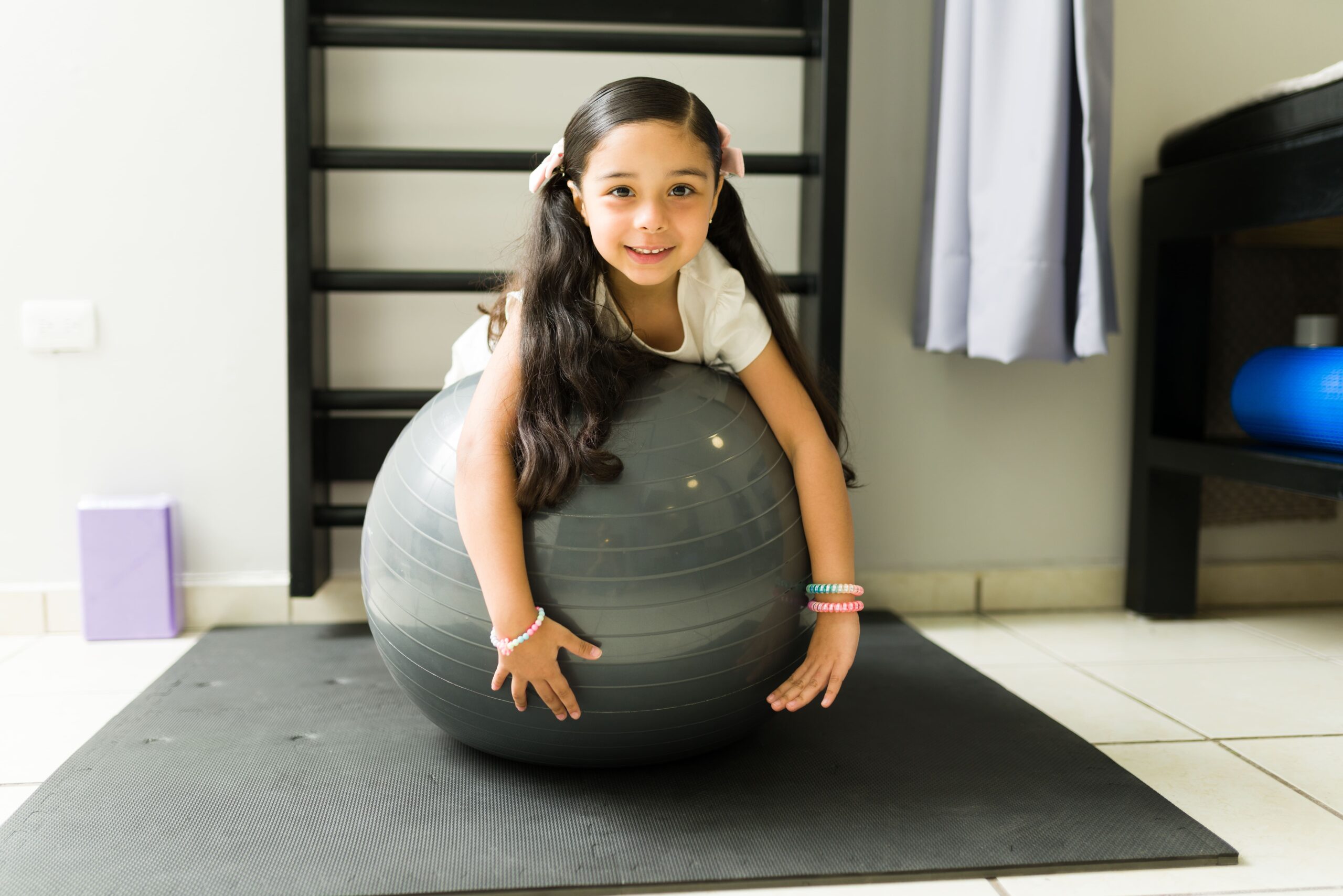
No — most routines use just a mat and bodyweight. Props (small balls, pillows) can be used for play and support.
- How often should kids do Pilates?
Aim for 3–5 short sessions per week (10–30 min), depending on age and interest.
- Can Pilates replace sports or other activity?
Pilates complements other activities — it improves strength and coordination but shouldn’t replace play, sports, or unstructured movement.
Pilates for kids is about more than exercise — it’s about growing a body that moves with purpose, confidence, control, and joy. By introducing mindful movement early, children learn to respect their bodies, improve balance, refine coordination, and develop lifelong movement skills that enrich both play and life.
Keep it playful, supportive, and fun — and watch your child move with confidence, strength, and curiosity.