Back pain is one of the most common reasons people seek out exercise — and one of the top reasons many avoid it. But rather than avoid movement altogether, the smartest path forward often involves the right kind of movement, done with care, control, and intention.
That’s exactly what Pilates for back pain provides. It’s not just about relief — it’s about long-term restoration. This guide explains how Pilates works to reduce back discomfort, what to expect from targeted sessions, and which exercises are best for restoring strength, mobility, and confidence.
Why Is Pilates So Effective for Back Pain?
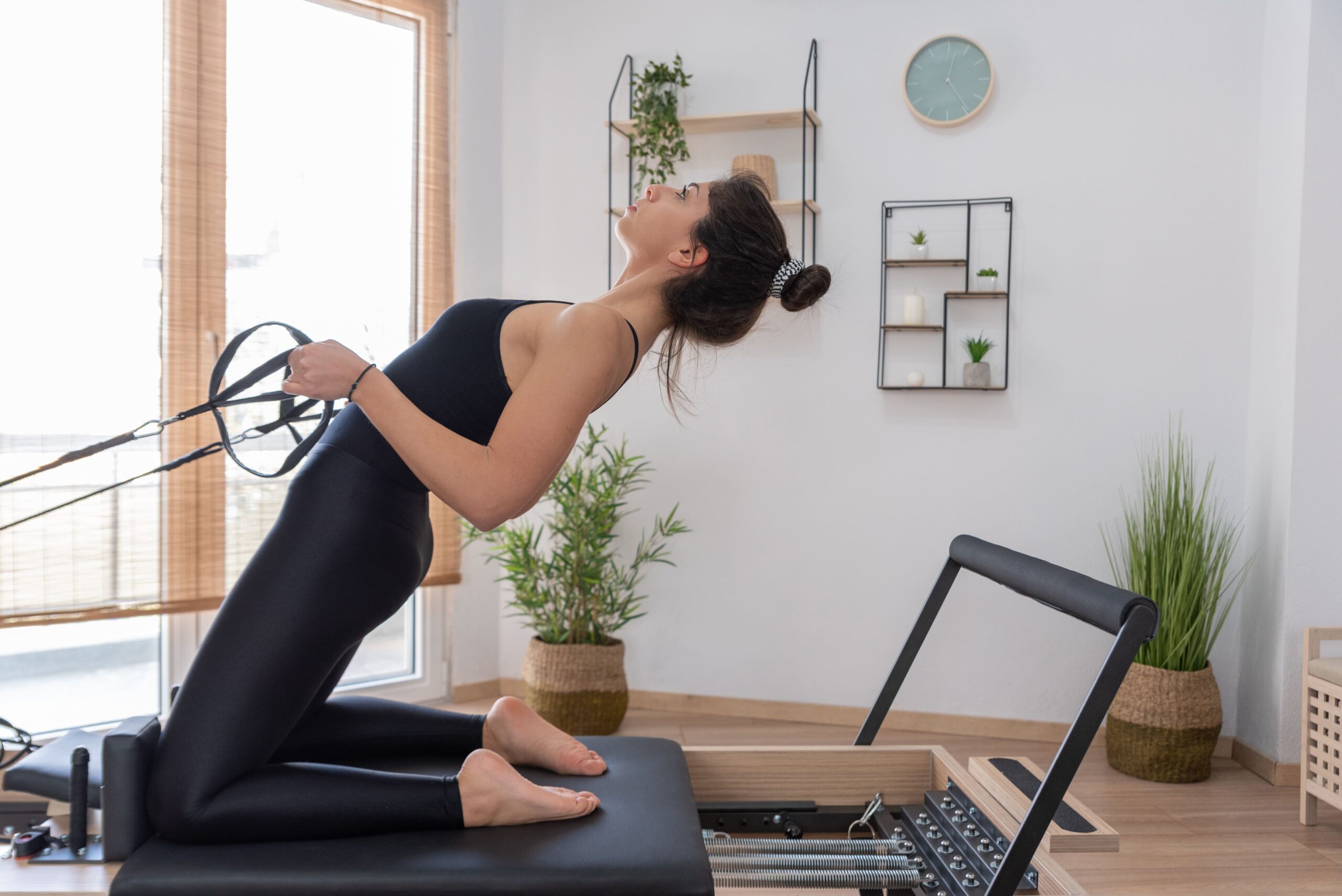 Pilates is a low-impact, alignment-based practice that improves how your body moves and supports itself. It targets the underlying causes of back pain — like poor posture, weak core muscles, and limited mobility — and helps you gently rebuild from the inside out.
Key benefits:
- Strengthens deep stabilizing muscles around the spine
- Improves posture and alignment
- Increases flexibility in hips and hamstrings (often linked to lower back pain)
- Teaches mindful movement and breathwork
- Encourages nervous system regulation to reduce tension
💡 It’s not just about exercise — it’s about retraining the way you use your body every day.
Common Causes of Back Pain Pilates Can Address
Pilates may not be a cure-all for every back issue, but it effectively manages many of the most common conditions:
- Postural imbalances (e.g., forward head, rounded shoulders)
- Weak core and glutes
- Tight hip flexors or hamstrings
- Sacroiliac (SI) joint dysfunction
- Sedentary lifestyle pain
- Chronic low back pain or stiffness
Always consult with a medical professional if you have disc injuries, severe sciatica, or post-surgical considerations — but in most non-acute cases, Pilates is a safe and effective first step toward healing.
How Pilates Videos for Back Pain Are Structured
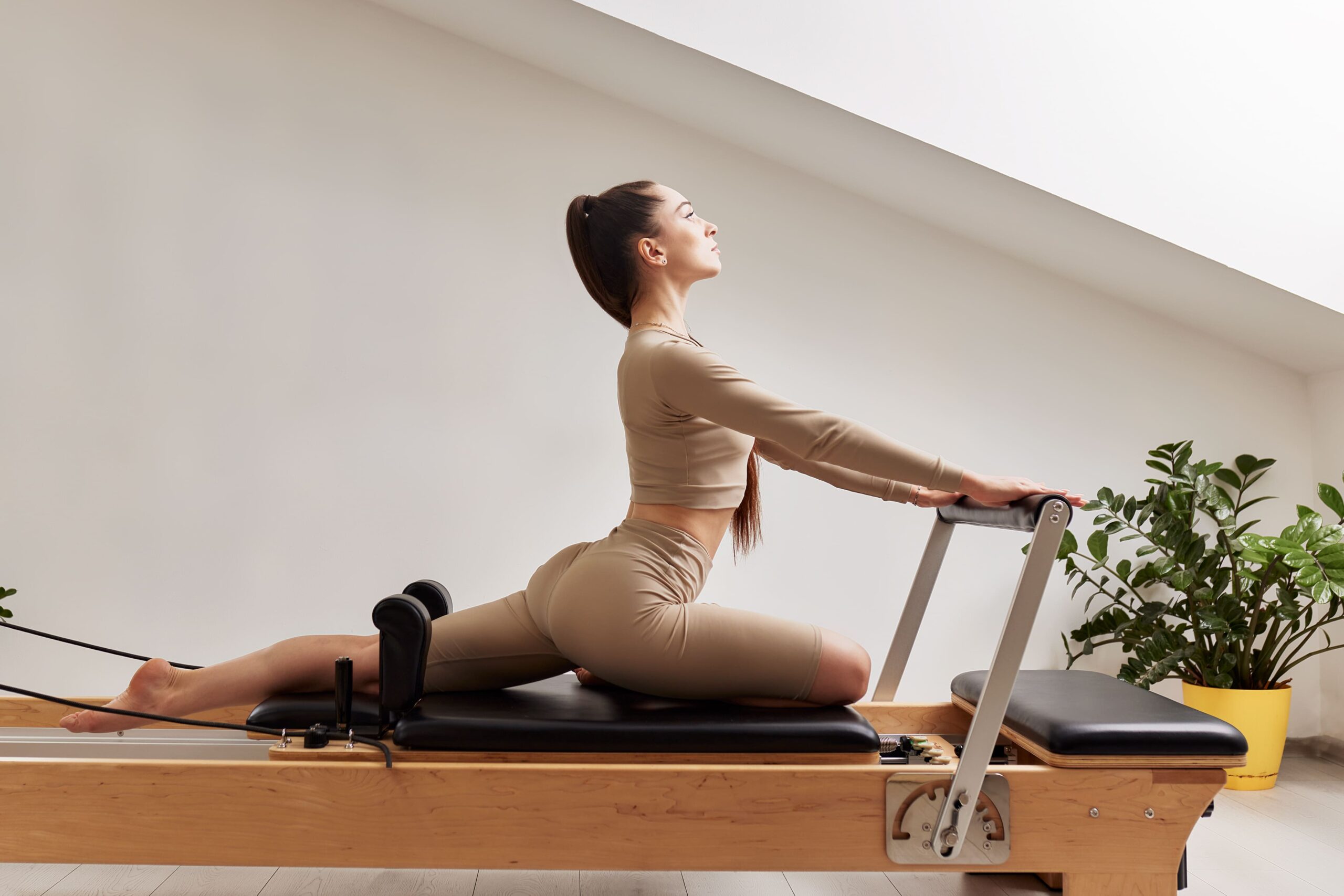 When searching for back-friendly Pilates videos, expect:
✅ Gentle Warm-Up
Breathwork, pelvic tilts, light spinal articulation
✅ Core and Glute Activation
Focus on deep abdominals and posterior chain to support spine
✅ Postural Reinforcement
Shoulder retraction, spinal elongation, thoracic mobility
✅ Hip and Hamstring Flexibility
Stretch tight areas that contribute to tension in the lower back
✅ Controlled Movement and Recovery
Calm, breath-led transitions to avoid strain
Best Pilates Exercises for Back Pain Relief
These are staples in video routines designed for safe, effective back strengthening and relief.
🔹 Pelvic Tilt
Focus: Lumbar spine mobility and deep core engagement
- Lie on back, knees bent
- Gently tilt pelvis forward and back to mobilize lower spine
🔹 Bridge Pose
Focus: Glute and hamstring strength
- Strengthens posterior chain while protecting the spine
- Helps stabilize hips and reduce lower back tension
🔹 Cat-Cow Stretch
Focus: Spinal mobility
- On all fours, arch and round the spine with breath
- Increases awareness and relieves stiffness
🔹 Supine Knee Folds
Focus: Core control
- Engage abs while gently moving legs
- Reduces strain while building strength
🔹 Child’s Pose / Shell Stretch
Focus: Decompression and release
- Gently stretches spine and hips
- Calms nervous system and reduces tension
🔹 Side-Lying Leg Work
Focus: Glutes and hip stability
- Strengthens outer hips, improving pelvic alignment
Sample Pilates Back-Care Routine (30 Minutes)
| Time | Exercise |
| 0–5 min | Breathwork + Pelvic Tilt |
| 5–10 min | Cat-Cow + Spinal Elongation |
| 10–15 min | Supine Knee Folds + Bridges |
| 15–20 min | Side-Lying Glute Series |
| 20–25 min | Seated Twist + Hamstring Stretch |
| 25–30 min | Child’s Pose + Mindful Recovery |
💡 Repeat 3–5 times a week for cumulative results.
Tips for Practicing Pilates With Back Pain
🔸 Move Slowly and With Intention
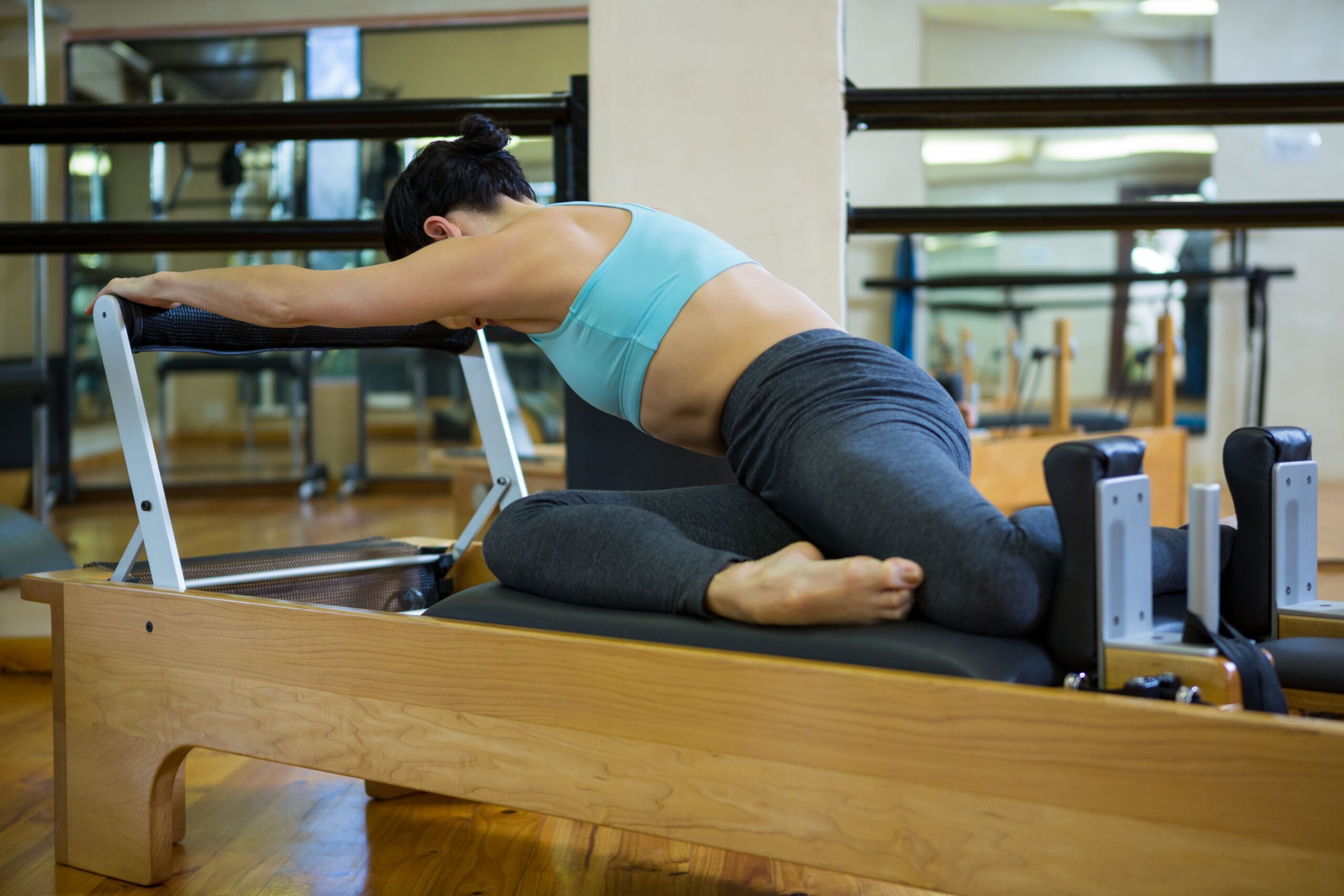 No jerky transitions. Every move should feel smooth and supported.
🔸 Maintain a Neutral Spine
Avoid excessive tucking or arching — keep curves natural and supported.
🔸 Focus on Breath
Exhaling during effort reduces tension and activates deep core muscles.
🔸 Support Your Body When Needed
Use a pillow under the knees or head for comfort. Elevate hips if lying down is uncomfortable.
🔸 Avoid High-Load or Flexion Movements (at first)
Steer clear of sit-ups, roll-ups, or heavy resistance until you’re stronger.
Equipment and Props That Help
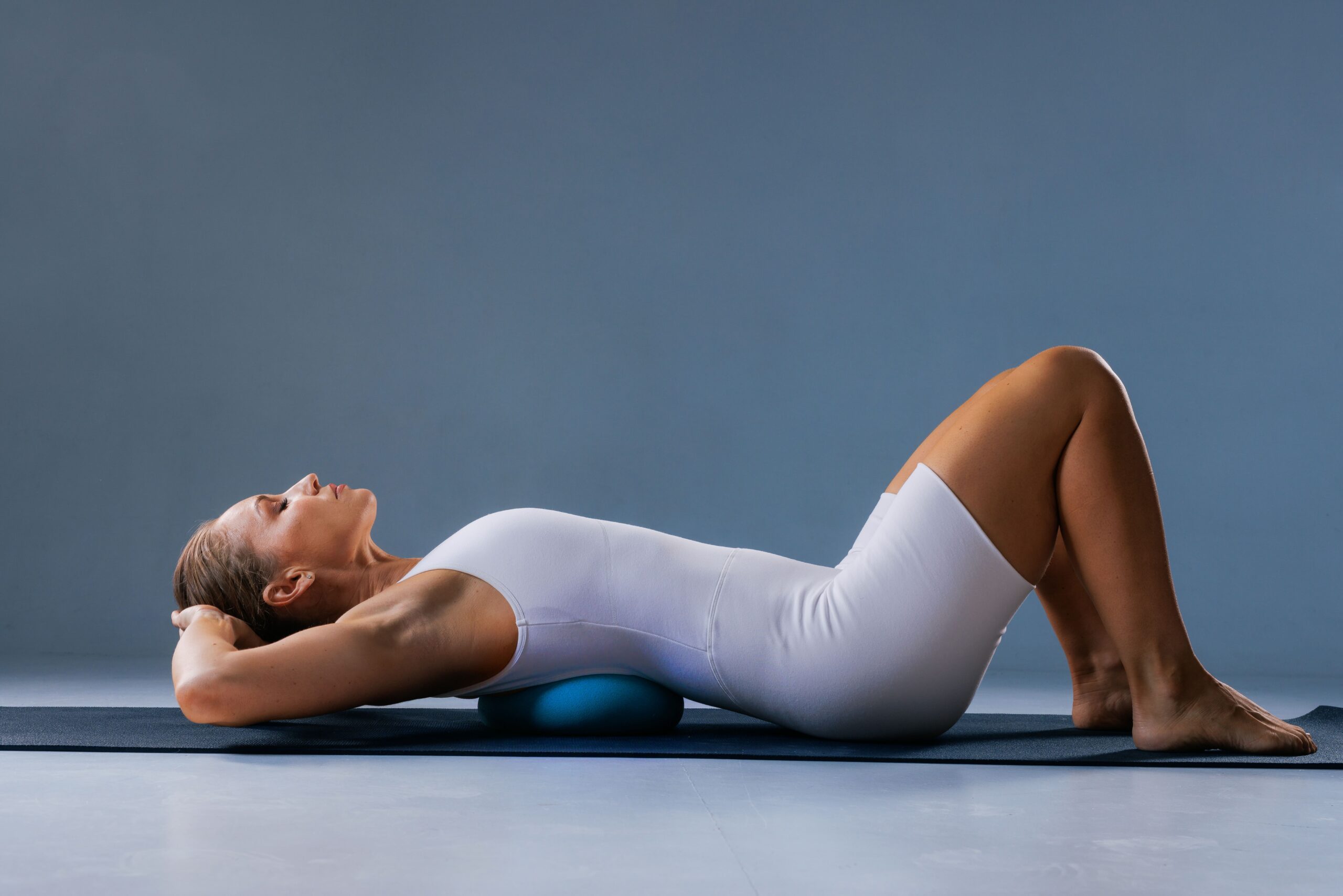 Small ball or cushion for lumbar support
- Foam roller (gently used for myofascial release)
- Resistance bands for supported stretching
- Yoga blocks or pillows for spinal alignment
More Pilates
➡️ Pilates by Goal
➡️ Pilates for Weight Loss
➡️ Pilates for Core Strength
➡️ Gentle Pilates Back Pain Relief – 10 Minutes
FAQs: Pilates for Back Pain
- Is Pilates safe for people with chronic back pain?
Yes — especially under the guidance of a professional or in beginner-level video formats. Start slow and build gradually.
- Can Pilates replace physical therapy?
Pilates complements physical therapy but may not replace it for acute or post-surgical cases. Many therapists incorporate Pilates into rehab protocols.
- How quickly will I feel relief?
Some people feel better after one session; others take a few weeks. Consistency and correct form are key.
- Should I avoid all back bending or twisting?
Not necessarily. Gentle, supported movement can aid recovery — but avoid extremes and focus on alignment first.
- Is mat Pilates or Reformer better for back pain?
Both work well. Mat Pilates requires more self-control; the Reformer offers support and resistance feedback.
Back pain can feel like a prison — limiting how you sit, stand, move, and live. But Pilates offers a pathway back to freedom. By training your body to move better, support itself from the inside out, and release tension mindfully, you can reduce or even eliminate chronic back discomfort.
Don’t fear movement. Embrace the right movement — slow, smart, and supportive. Pilates isn’t just about building a stronger back. It’s about building trust in your body again.