At the heart of every Pilates session — whether on the mat or Reformer — is one powerful focus: the core. Often misunderstood as just the abdominal muscles, true core strength encompasses a complex system of deep muscles that provide stability, control, and energy for nearly every movement you make.
This guide explores how Pilates uniquely targets and strengthens the core, the types of routines that deliver results, and how to structure your own core-focused practice using guided video workouts.
What Is the “Core,” Really?
 The core includes more than your six-pack muscles (Dive Deeper: Core Muscles Explained). It’s a system of deep stabilizers that work together to support your spine, pelvis, and entire movement chain.
Your core includes:
- Transverse abdominis (deepest abdominal layer)
- Obliques (internal and external)
- Rectus abdominis (the “six-pack”)
- Multifidus and erector spinae (spinal stabilizers)
- Pelvic floor
- Diaphragm
- Gluteal muscles
Together, these muscles help you balance, lift, twist, stabilize, and breathe efficiently.
Why Pilates Is Ideal for Core Development
Pilates is built around the principle of core control. Every movement — from the simplest bridge to the most advanced teaser — begins with the core.
Key reasons it works:
- Intentional breathing activates deep abdominal muscles
- Slow, controlled movements target stabilizers, not just surface muscles
- Full-body integration — even leg work engages the core
- Instability (like on a Reformer) forces constant core recruitment
- Progressive load and variation challenges the core across different planes
💡 Unlike crunches or sit-ups, Pilates develops core endurance, not just short-term fatigue.
Signs You Have a Weak Core (That Pilates Can Fix)
- Poor posture and slouching
- Back pain or tight hip flexors
- Balance problems
- Difficulty lifting or twisting without strain
- Shallow breathing or poor endurance
Pilates reverses these issues by teaching core engagement from the inside out.
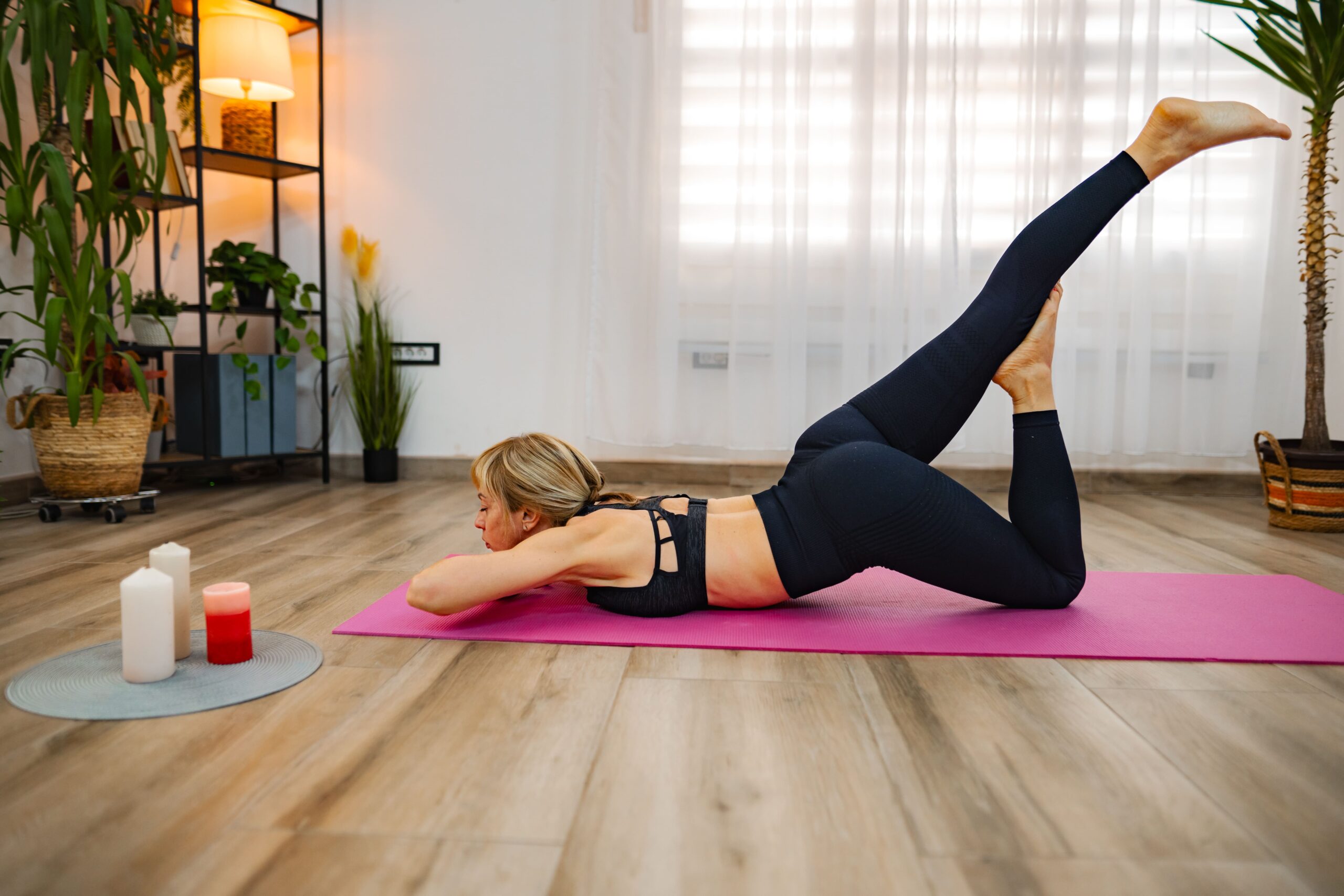
Core-Strengthening Pilates Exercises to Know
Here are foundational exercises you’ll find in core-focused Pilates videos:
 🔹 The Hundred
Focus: Core endurance + breath coordination
- Pump arms while holding a curled-up position
- Builds stamina and heat
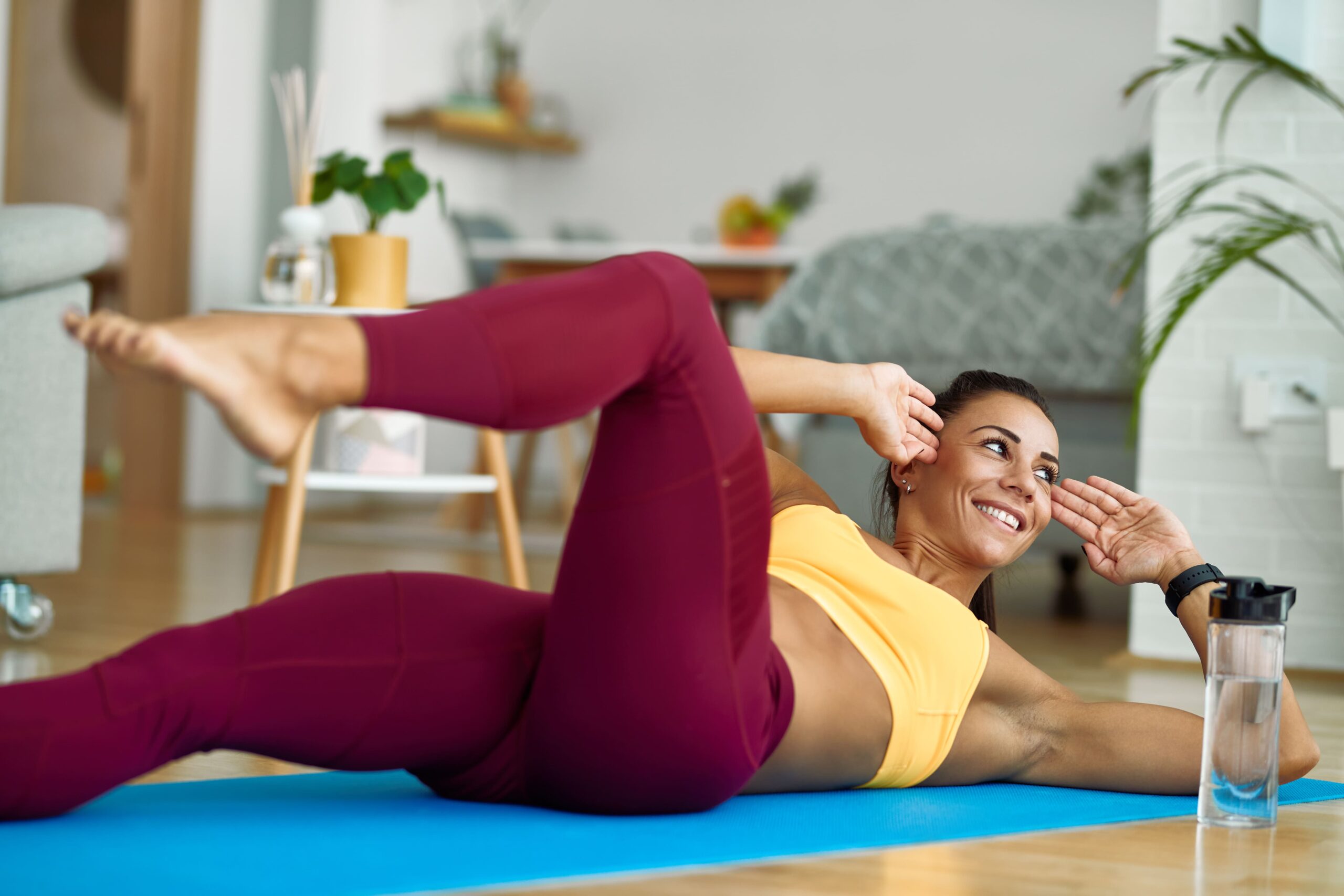
🔹 Single Leg Stretch / Double Leg Stretch
Focus: Core control + coordination
- Legs extend and retract while maintaining a strong torso
🔹 Plank Variations
Focus: Stability, glutes, shoulders
- Forearm, straight-arm, side planks — all engage multiple layers of core
🔹 Roll-Up / Roll-Over
Focus: Spinal articulation + deep abs
- Teaches segmental control from head to hips
🔹 Knee Stretch Series (Reformer)
Focus: Lower abs, spinal control
- Challenges core under moving resistance
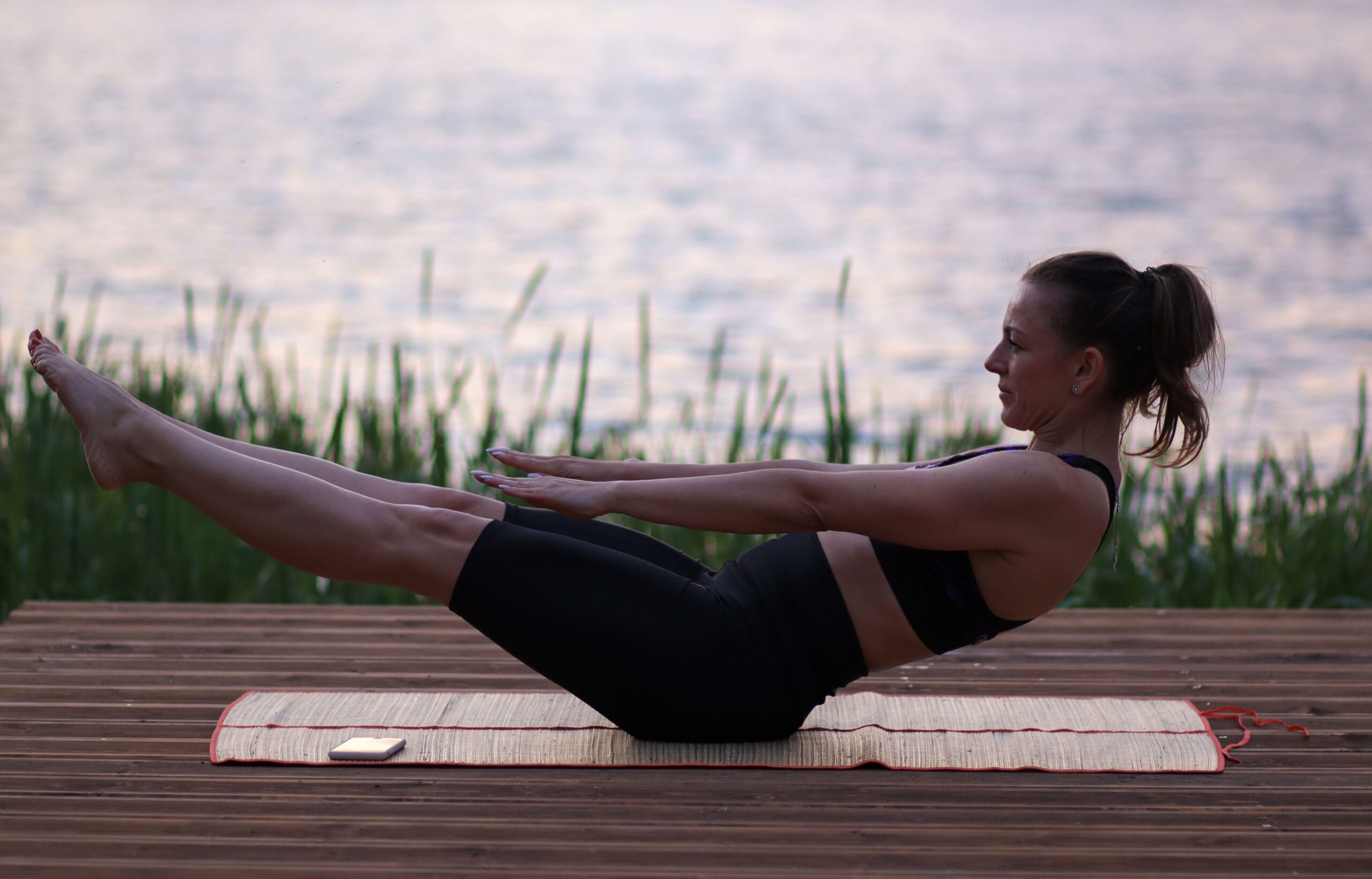
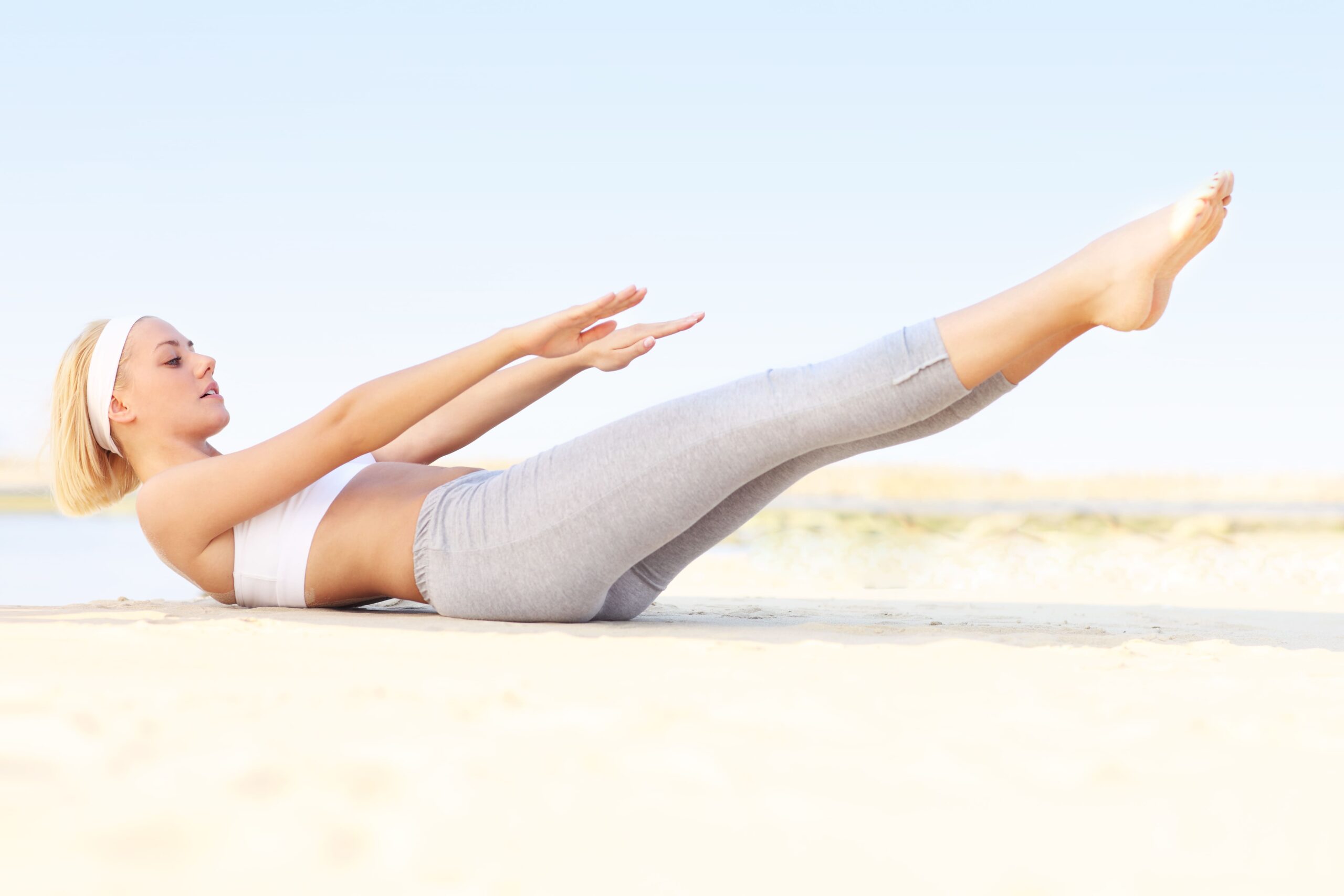
🔹 Teaser
Focus: Total-body integration
- Combines balance, flexibility, and deep core activation
Sample Pilates Routine for Core Strength (30 Minutes)
| Time | Exercise |
| 0–5 min | Breathwork + Pelvic Tilt |
| 5–10 min | The Hundred + Leg Stretch Series |
| 10–15 min | Plank Variations + Side Plank |
| 15–20 min | Roll-Up + Roll-Over |
| 20–25 min | Reformer Knee Stretch + Teaser |
| 25–30 min | Spinal Twist + Stretch |
💡 Repeat this routine 2–3x per week or combine elements into longer full-body flows.
The Role of Breath in Core Engagement
 In Pilates, exhalation deepens abdominal activation. It’s not just about breathing to stay alive — it’s about using breath to power and control movement.
Try This:
- Inhale to prepare, exhale to move (especially during the “effort”)
- Focus on drawing the belly inward, not pushing it out
- Let the ribs expand and contract to support core and spinal mobility
Props That Enhance Core Training
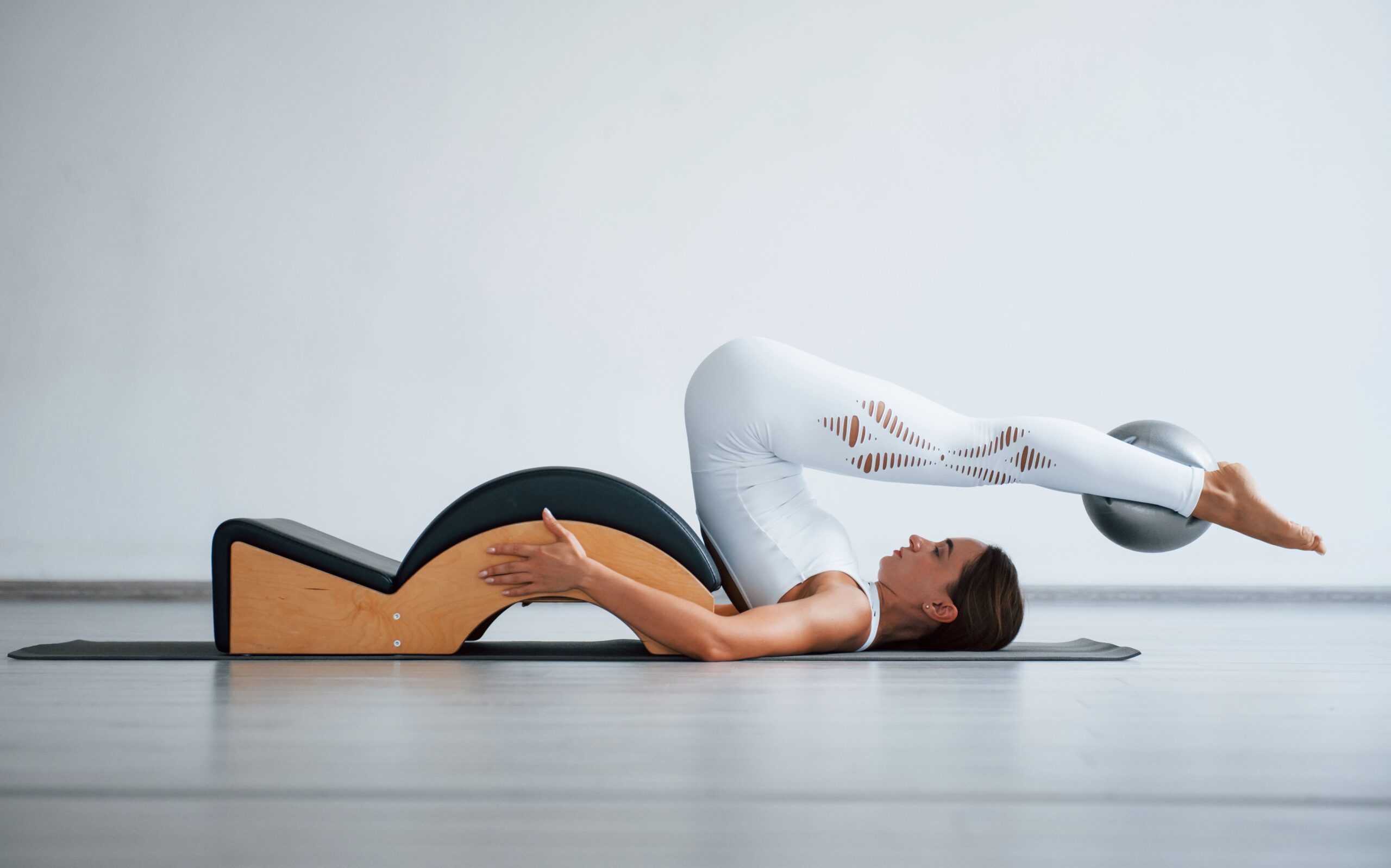
- Small stability ball (adds challenge to balance)
- Resistance band (adds load to core-centric moves)
- Foam roller (increases instability)
- Pilates ring (great for inner thigh and pelvic floor engagement)
Common Mistakes in Core Pilates Work
❌ Gripping the Neck or Hip Flexors
Solution: Lower head when needed, bend knees if legs are too heavy.
❌ Moving Too Fast
Control > speed. You’ll feel more with less momentum.
❌ Over-arching the Lower Back
Solution: Focus on neutral spine and deepen ab connection on exhale.
❌ Not Modifying for Your Level
Use bent knees, smaller ranges, or props to scale exercises effectively.
Best Video Types for Core Strength
 “Core Blast” or “Core Burn” routines (mat-based)
- Reformer classes with an abdominal focus
- Stability or balance-based workouts
- Athletic Pilates flows (with planks, props, and dynamic transitions)
💡 Look for instructors that cue breath, form, and precision — not just reps.
More Pilates
FAQs: Pilates for Core Strength
- How often should I train my core with Pilates?
2–4 times per week is ideal. The core is engaged in nearly all Pilates exercises, so daily light activation is common.
- Is Pilates enough to strengthen my core without other workouts?
Yes. Pilates is uniquely designed to target deep core muscles. You don’t need crunches or gym equipment if you stay consistent.
- Can beginners build core strength with Pilates?
Absolutely. In fact, Pilates is one of the safest and most effective ways to start building a strong foundation from the inside out.
- When will I start noticing a stronger core?
Most people feel stronger within 2–3 weeks. Improved posture and endurance often show up first.
- Will Pilates give me visible abs?
It strengthens the muscles, but visibility depends on body composition. Combine Pilates with balanced nutrition and light cardio for aesthetic goals.
True core strength is about more than appearance — it’s about feeling centered, supported, and stable in everything you do. Whether you’re sitting at a desk, picking up groceries, or powering through a workout, a strong core makes it easier, safer, and more efficient.
With Pilates, you don’t just strengthen the surface — you rebuild from the deepest layers outward. This isn’t quick-fix fitness. It’s intelligent, long-lasting strength — one breath, one roll-up, one teaser at a time.