Pilates may look graceful and fluid, but don’t let that fool you — it’s one of the most effective ways to build full-body strength without lifting a single weight. In this guide, we explore how Pilates can make you stronger, which exercises target key muscle groups, and how to use video-based routines to progress over time.
Whether you’re looking to tone up, improve posture, or support performance in other sports, Pilates for strength is a smart, sustainable way to create real change — from the inside out (See more benefits: 10 Powerful Benefits).
How Pilates Builds Strength Differently
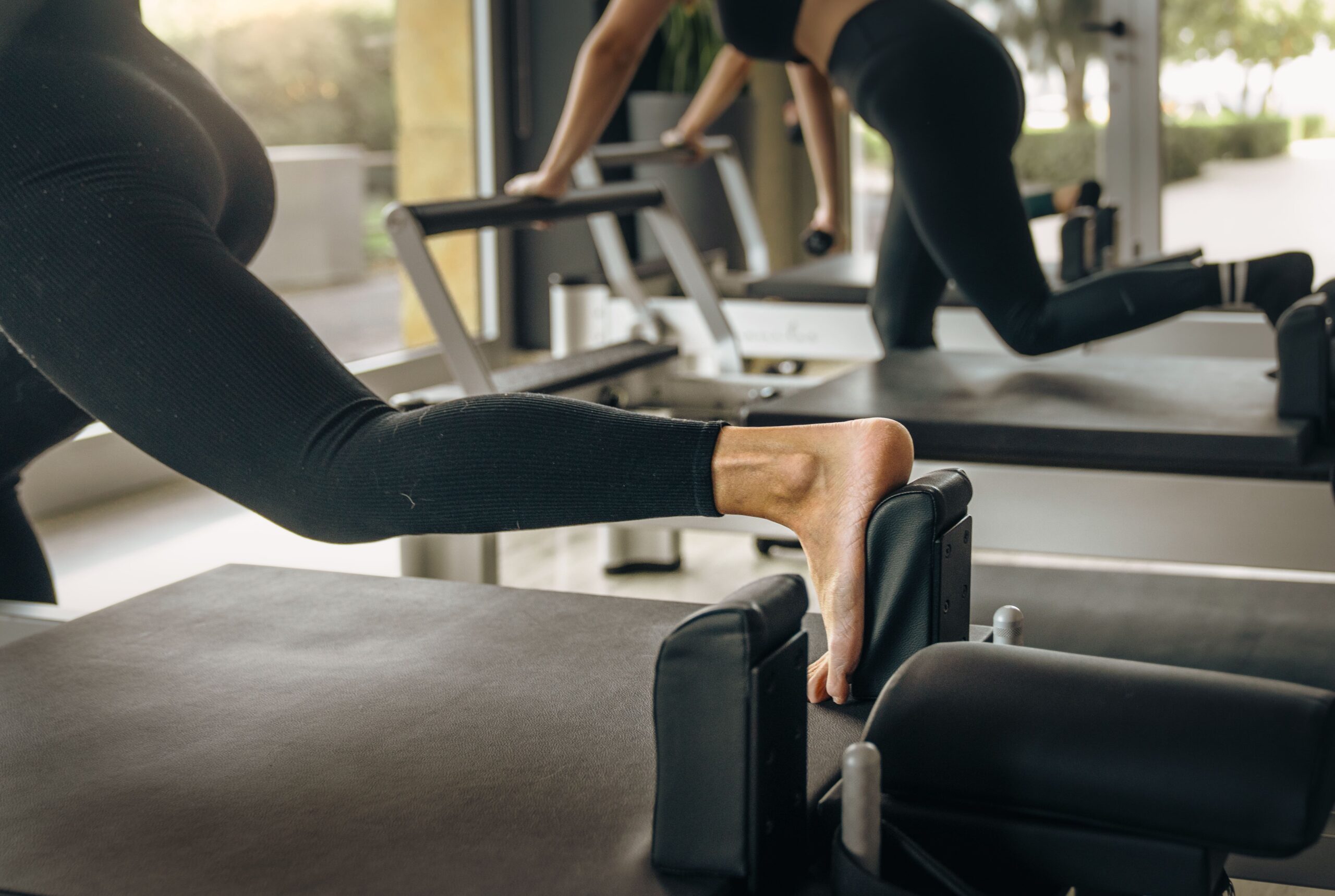 Unlike traditional strength training that uses heavy weights or machines, Pilates builds functional strength using your body’s own resistance, gravity, and precise muscular engagement.
Key Strength-Building Principles in Pilates:
- Core Activation: Nearly every movement strengthens the deep abdominal muscles.
- Time Under Tension: Slow, controlled movements build endurance and muscle tone.
- Stability + Mobility: Muscles work together to stabilize joints through a full range.
- Mind-Muscle Connection: You’re trained to engage the right muscles with intent.
Benefits of Strength-Based Pilates Routines
💪 Long, Lean Muscle Tone
Strength-based Pilates sculpts without bulk — ideal for a balanced, athletic look.
🧍♀️ Improved Posture and Alignment
Strong postural muscles reduce pain and keep the body upright and efficient.
🔗 Functional Movement
Pilates teaches your body to move well in everyday life — not just in the gym.
🧠 Better Body Awareness
Focused engagement helps you activate neglected muscles and prevent injury.
🧘 Support for Other Workouts
Stronger stabilizers enhance performance in yoga, running, weight training, and more.
What You Need for Strength-Focused Mat Pilates
No gym? No problem. You don’t need any props to build serious strength with Pilates — but a few basics help:
- Mat: Cushioned surface to support joints
- Comfortable clothing: Form-fitting to track alignment
- Optional: small towel or yoga block for support or variation
Best Pilates Exercises for Strength
These foundational mat movements target strength across your entire body — not just your abs.
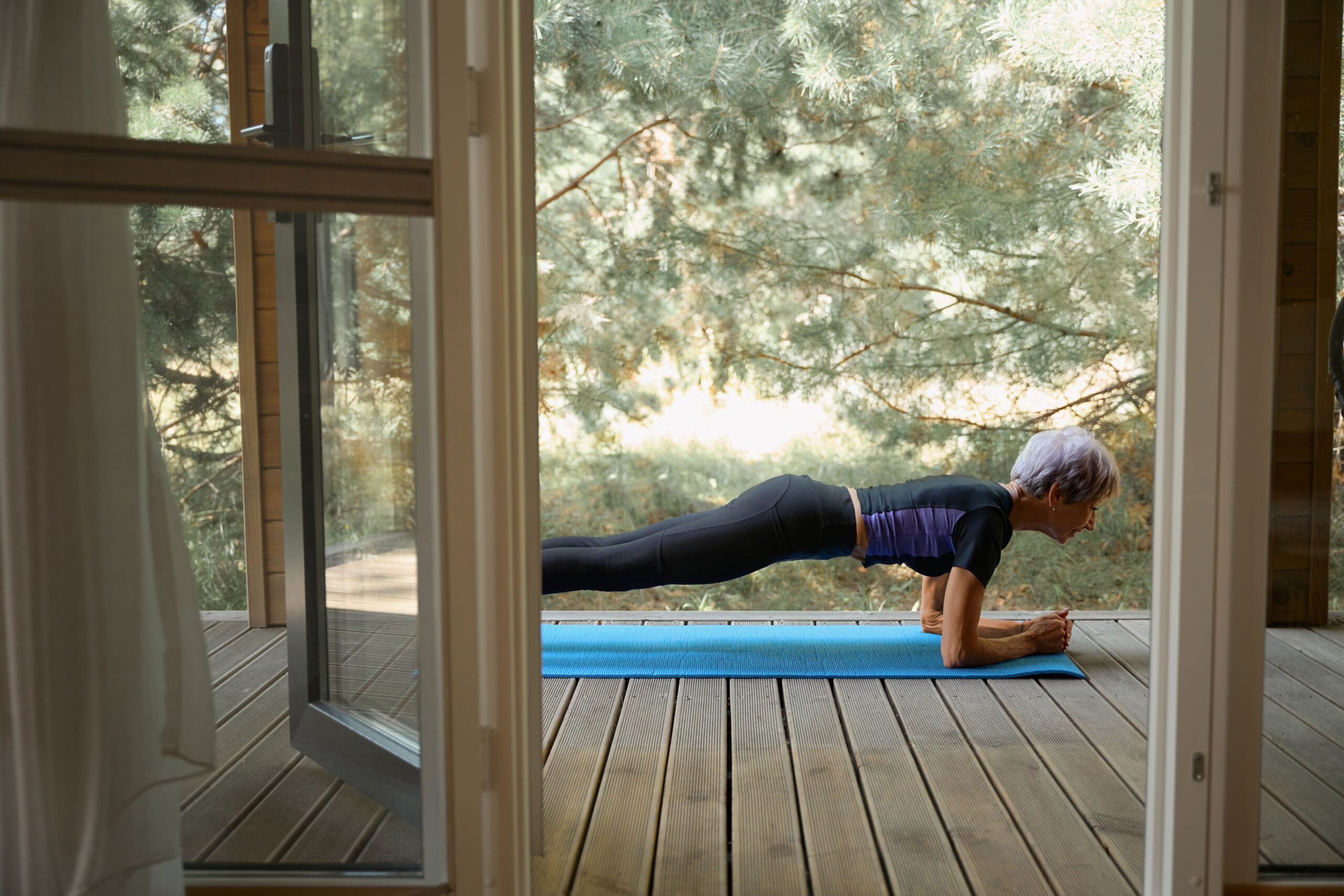 🔥 Plank Variations
Muscles worked: Core, shoulders, chest, glutes
- Start on hands or forearms, knees or toes
- Engage abs and hold a straight line
- Add leg lifts or reach-throughs for challenge
💡 Start with 30-second holds and build up.
✂️ Single-Leg Stretch
Muscles worked: Deep core, hip flexors, coordination
- Curl head and shoulders up
- Alternate pulling one knee in while extending the other leg
- Keep abs pulled in and lower back grounded
🪵 Side Plank
Muscles worked: Obliques, shoulders, glutes
- Lie on your side, prop up on forearm
- Lift hips and hold, stacking feet or knees
- Add pulses or top leg lifts to increase intensity
🧱 Shoulder Bridge (Glute Bridge)
Muscles worked: Glutes, hamstrings, spinal stabilizers
- Lie on your back, knees bent
- Lift hips into bridge, engage glutes at the top
- Lower slowly
💡 Add pulses, leg lifts, or holds to challenge endurance.
🌀 Swimming
Muscles worked: Upper back, glutes, shoulders
- Lie on stomach, arms overhead
- Alternate lifting opposite arm and leg in fluttering motion
- Engage abs to protect spine
🧘 Leg Pull Front/Back
Muscles worked: Full-body strength, especially arms and posterior chain
- From a plank or reverse tabletop, lift one leg at a time
- Focus on controlled movement and core stability
Sample Strength-Focused Pilates Routine (30 Minutes)
This balanced routine targets all major muscle groups.
| Time | Exercise |
| 0–3 min | Breathing + Pelvic Tilt |
| 3–5 min | Shoulder Bridge + Pulses |
| 5–8 min | Plank (Hold + Leg Lifts) |
| 8–11 min | Side Plank (Each Side) |
| 11–13 min | Swimming |
| 13–15 min | Single-Leg Stretch |
| 15–18 min | Leg Pull Front |
| 18–20 min | Arm Reach + Glute Work |
| 20–30 min | Repeat or Flow + Cooldown |
Progressing With Strength-Based Pilates
As you get stronger, you don’t need to add weight — you can simply increase complexity or control.
Ways to Progress:
- Add reps or hold time
- Slow down tempo
- Combine multiple moves into a flowing sequence
- Add resistance bands or light ankle weights (optional)
- Focus on muscle engagement and precision
Strength Goals You Can Support With Pilates
✅ Tone and Sculpt Muscles
Pilates reshapes the body by activating deeper muscles often missed in traditional workouts.
✅ Improve Athletic Performance
A strong core and stable joints reduce injury risk and boost performance in running, lifting, and sports.
✅ Rehab and Prevent Injury
Controlled, low-impact movement builds strength around vulnerable joints without wear and tear.
Common Mistakes in Strength-Based Pilates
 ❌ Moving Too Fast
Speed reduces muscle engagement. Go slow to build strength.
❌ Neglecting Breath
Exhale on effort — breath enhances power and control.
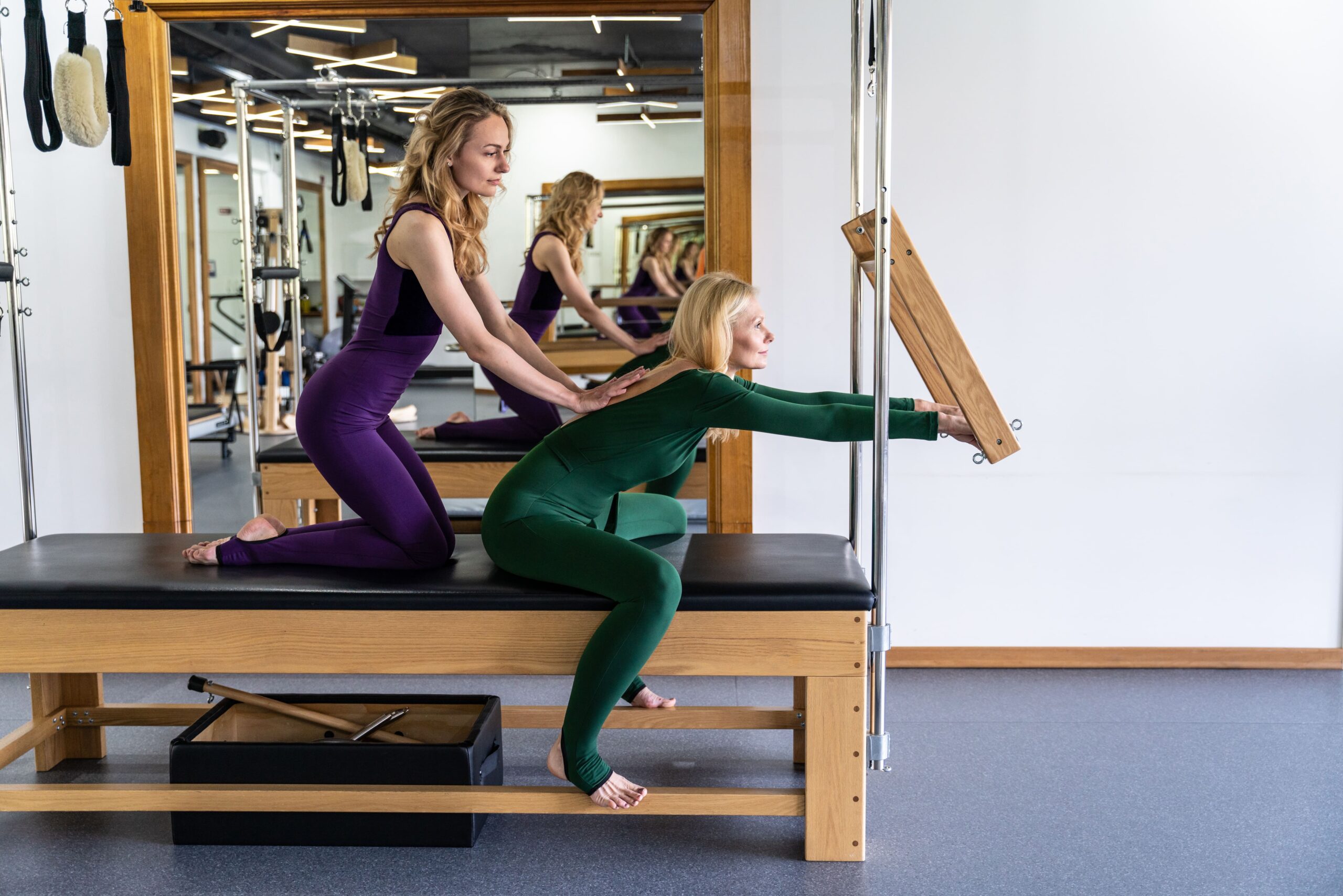
❌ Poor Alignment
A slight tilt in hips or shoulders can reduce the work and cause discomfort. Film yourself or practice near a mirror.
How Often to Practice
For strength development, aim for 3–4 sessions per week, alternating between full-body and focused routines (like upper body, glutes, or core).
Pair with flexibility or posture-focused Pilates on other days for recovery.
Sample Strength-Focused Weekly Plan:
| Day | Focus | Duration |
| Monday | Core + Plank Variations | 20 min |
| Tuesday | Rest or Flexibility | — |
| Wednesday | Full Body Strength | 30 min |
| Thursday | Side Plank + Glutes | 15–20 min |
| Friday | Strength + Flexibility | 25–30 min |
| Saturday | Optional Repeat | 10–15 min |
| Sunday | Recovery & Mobility | 15 min |
Watch More Pilates Videos
➡️ Mat Pilates Videos
➡️ Pilates for Posture
➡️ Mat Pilates Routine by Duration
FAQs: Pilates for Strength
- Can I build real muscle with Pilates?
Yes. While you won’t bulk up, Pilates builds lean muscle, stability, and muscular endurance — especially in the core and stabilizing muscles.
- Do I need equipment to get stronger with Pilates?
Not at all. Bodyweight resistance and proper technique are highly effective for strength gains.
- How long does it take to notice results?
With consistent effort, most people notice increased strength, tone, and endurance in 3–4 weeks.
- Can I do Pilates instead of strength training?
Yes — for many people, especially those focused on functional strength, joint health, and core endurance, Pilates offers a complete alternative to weightlifting.
- Is Pilates strength work safe for beginners?
Absolutely. It’s low-impact and modifiable, making it ideal for building foundational strength safely.
Pilates for Strength isn’t about lifting heavy or pushing harder — it’s about engaging smarter. By using your breath, bodyweight, and controlled movement, you’ll unlock a deep, functional strength that supports everything you do — from everyday posture to athletic pursuits.
Consistent practice, mindful movement, and progressive challenge are the keys to building strength that lasts.