If you’re looking for a balanced, time-efficient way to move your body, a Full Body Mat Pilates session might be exactly what you need. This approach blends strength, flexibility, and mobility into a seamless flow, engaging your muscles while promoting alignment and calm.
With no equipment required, you can practice this routine on your living room floor, in a quiet corner of the gym, or anywhere you can roll out a mat (See more: Guide To Mat Pilates). It’s one of the most accessible and rewarding forms of movement out there — and ideal for beginners or anyone wanting to reconnect with their body.
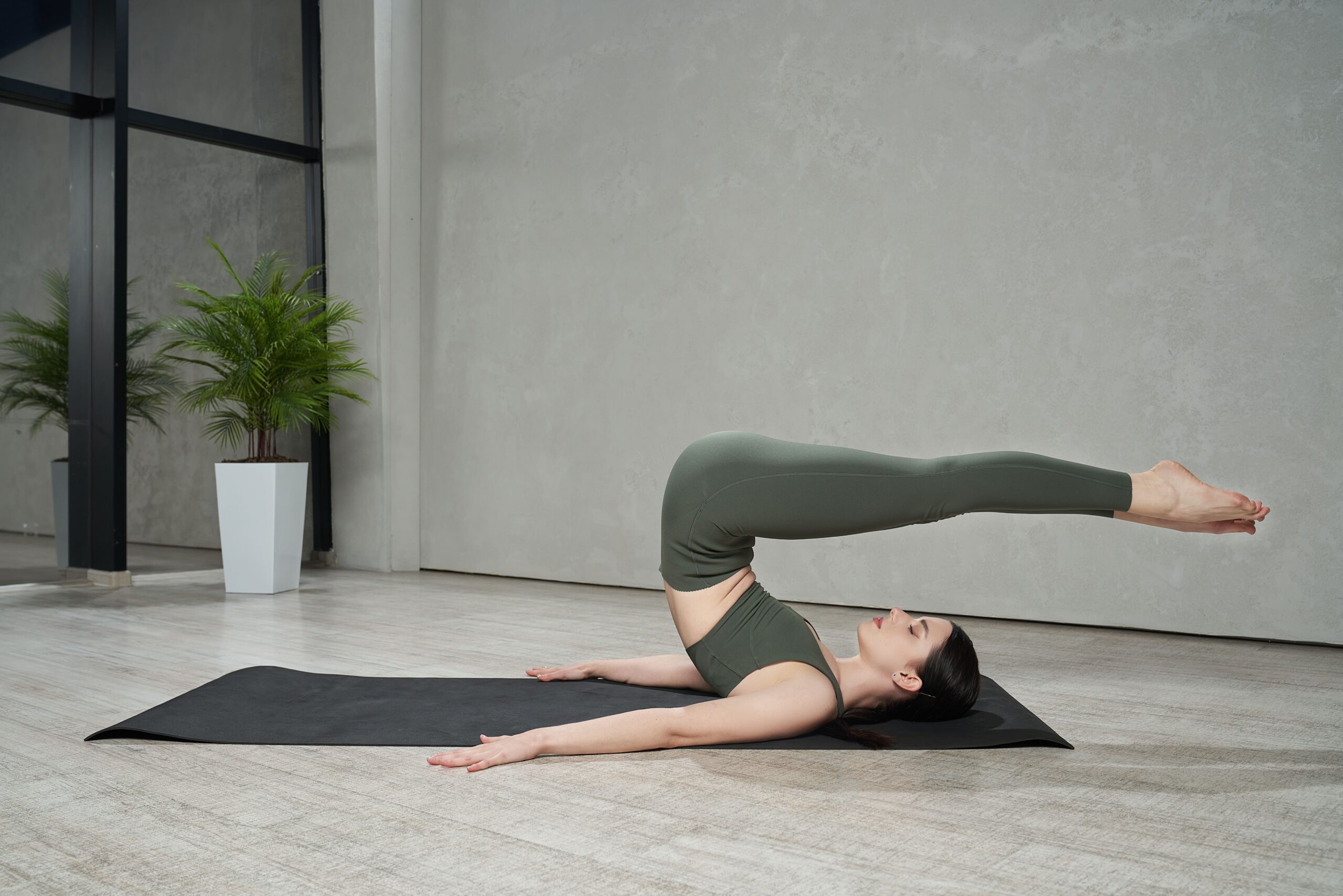 What Is Full Body Mat Pilates?
Unlike targeted workouts that focus on a single muscle group, full body Pilates routines integrate multiple regions of the body in each session. You’ll work your core, hips, glutes, legs, back, shoulders, and arms — often all at once.
Each movement requires stability and control, teaching your muscles to support one another rather than work in isolation.
Key Benefits of a Full Body Mat Pilates Practice
This type of practice offers both physical and mental benefits, including:
- Total-body strength and balance
- Core stability with every movement
- Improved posture and alignment
- Better spinal mobility
- Increased flexibility
- Stress relief and breath awareness
Because Pilates movements are low impact and intentional, you can build strength and tone without strain or wear and tear on the joints.
What You’ll Need
Full Body Mat Pilates requires minimal setup:
- A mat or cushioned surface
- Comfortable clothing that allows movement
- A quiet, clear space
- Optional: towel or pillow for modifications
The Structure of a Full Body Pilates Session
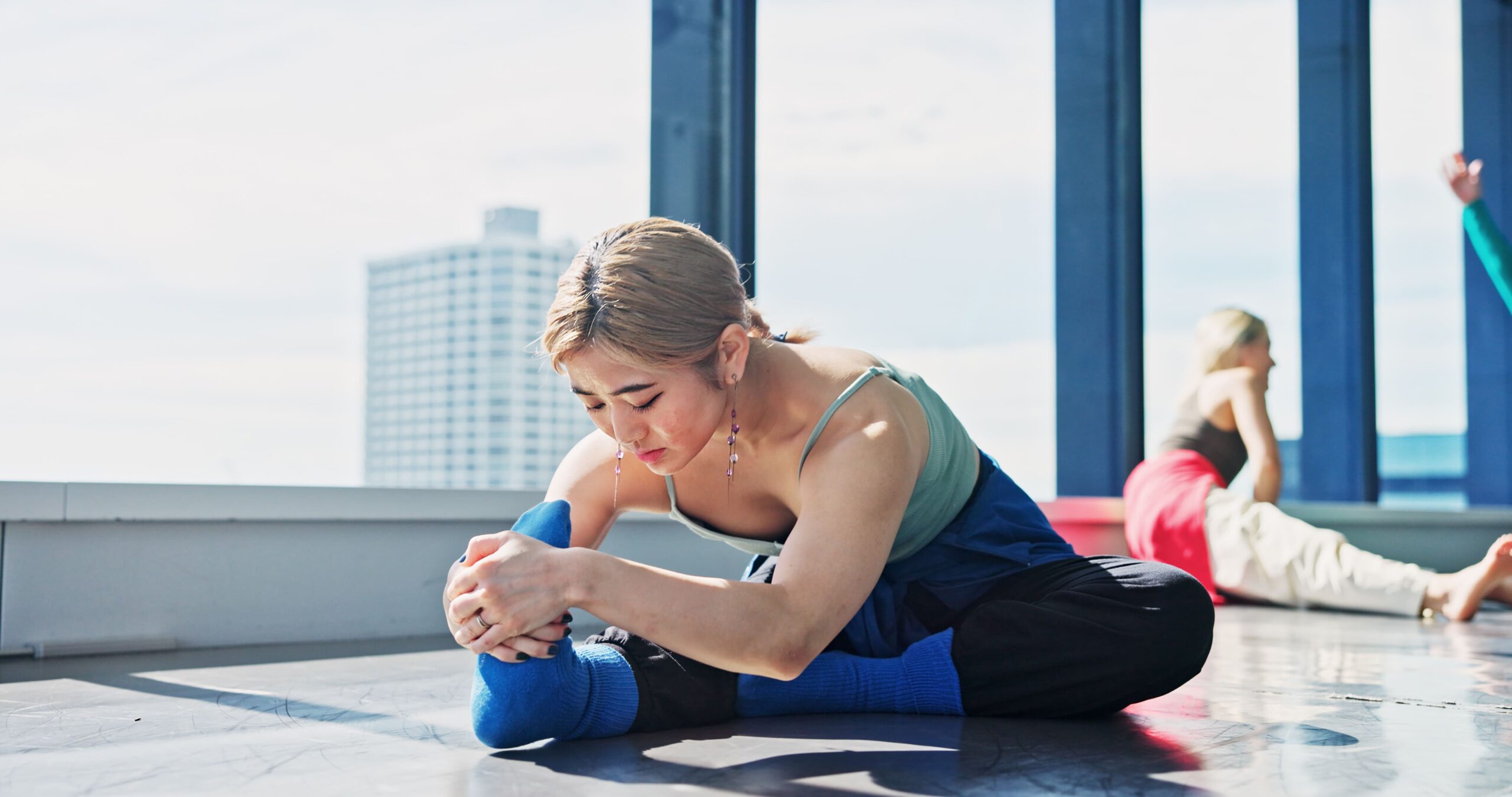 While sessions vary by instructor, a balanced full-body class typically includes:
- Warm-Up — Breathwork and spinal mobility
- Core Activation — Exercises targeting deep abdominals
- Lower Body Work — Glutes, thighs, hamstrings
- Upper Body & Posture — Back, shoulders, and arms
- Mobility & Flexibility — Flowing stretches
- Cooldown & Breath
Let’s break down a beginner-friendly full-body flow.
Sample Full Body Mat Pilates Routine (30 Minutes)
This routine includes both strength and flexibility work, all done without equipment.
🌬️ Breathing + Pelvic Tilt (2 Minutes)
Focus: Breath connection and spinal awareness
- Lie on your back, knees bent
- Inhale to prepare, exhale to gently tilt pelvis and flatten spine
- Repeat with slow breath
🧱 Bridge (3 Minutes)
Focus: Glutes, hamstrings, and core
- From the same position, lift hips into a bridge
- Inhale at the top, exhale to roll down
- Repeat slowly 10–12 times
🔄 Leg Circles (2 Minutes Each Side)
Focus: Core stability, hip mobility
- One leg extended to ceiling, the other bent
- Circle the raised leg slowly, keeping hips grounded
✂️ Single-Leg Stretch (2 Minutes)
Focus: Deep abdominals and coordination
- Curl head and shoulders up
- Alternate pulling one knee in while extending the other leg
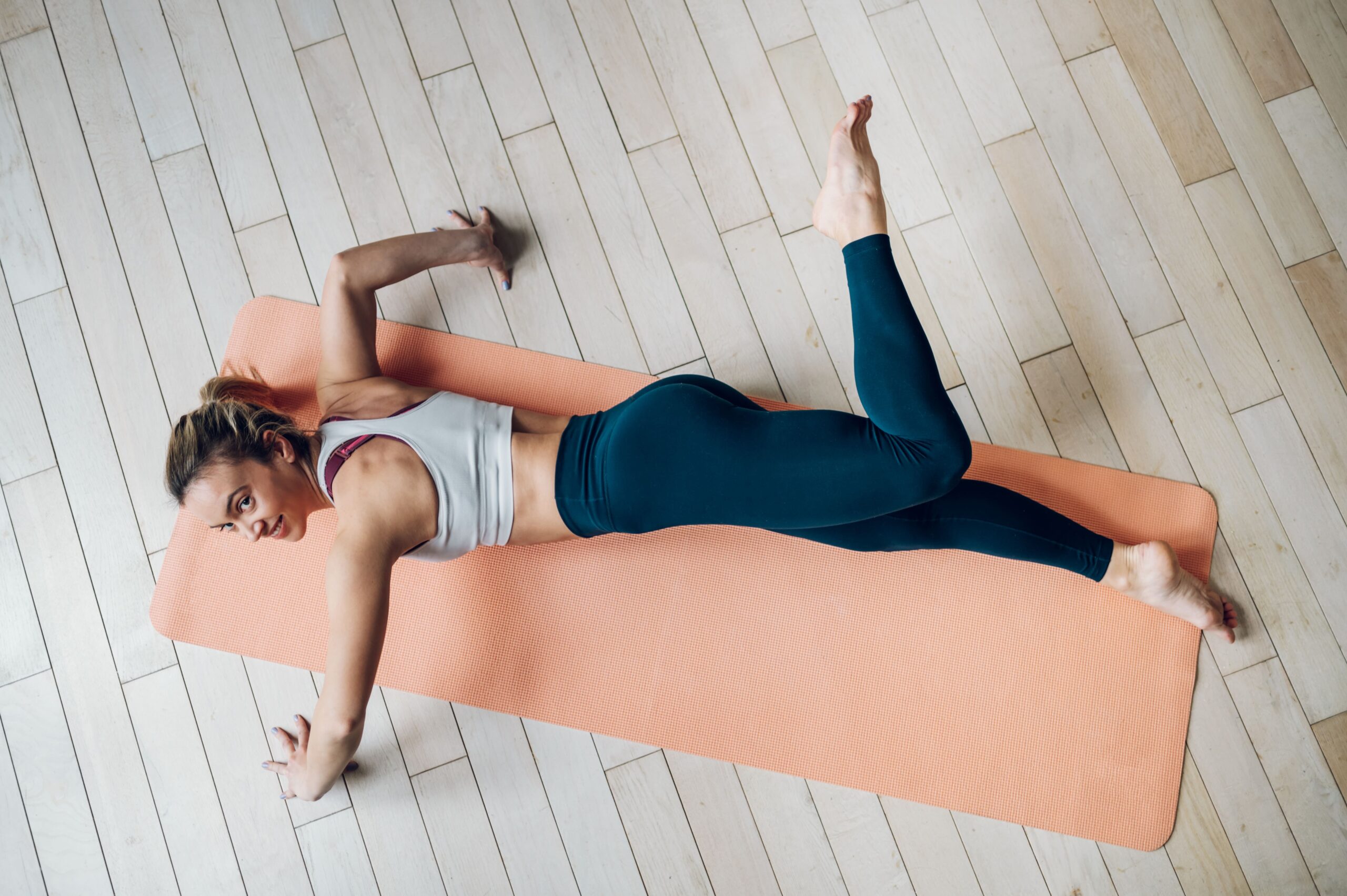 🧘 Side-Lying Leg Series (6 Minutes)
Focus: Outer hips, glutes, and thighs
- Lie on one side, both legs long
- Lift and lower top leg (20 reps)
- Circle leg (10 forward, 10 backward)
- Repeat on other side
🏋️ Swimming (3 Minutes)
Focus: Upper back, glutes, and shoulders
- Lie on stomach, arms extended overhead
- Lift opposite arm and leg, alternate in a fluttering motion
- Breathe steadily and keep movement small
🤸 Plank Hold (2 Minutes)
Focus: Total core and shoulder stability
- Forearm or hand plank (on knees or toes)
- Hold for 30 seconds, rest 30, repeat
🧍Spine Stretch Forward (2 Minutes)
Focus: Spinal mobility and hamstrings
- Sit tall with legs extended
- Round forward, inhale up
🌬️ Seated Twist (2 Minutes)
Focus: Obliques and spinal rotation
- Sit cross-legged or legs extended
- Inhale to lengthen, exhale to twist
- Repeat on each side
🧘♀️ Supine Breathing (2 Minutes)
Focus: Relaxation and breath awareness
- Lie flat, hands on belly
- Breathe deeply for 1–2 minutes to finish
Tips for a Successful Full Body Pilates Practice
✅ Start With Control
Slow, controlled movements engage your muscles more effectively than rushing through reps.
✅ Focus on Breath
Breathing guides your movement and enhances core engagement.
✅ Modify When Needed
Use a pillow or towel for support. Bend your knees or reduce range if you’re tight or recovering from injury.
✅ Revisit Movements
Repeating routines can help refine your form and deepen your practice.
Variations by Goal
 💪 Want More Strength?
- Increase repetitions
- Slow down the tempo
- Hold positions longer (e.g., plank or bridge holds)
- See more here: Pilates for Strength
🧘 Want More Flexibility?
- Add longer holds in spine stretch, twist, and hamstring stretches
- Flow slowly from one position to the next
- See more here: Pilates for Flexibility
🔁 Want More Cardio Effect?
- Add light pulses or dynamic transitions between movements
- Link breath with faster transitions to raise heart rate
When and How Often to Do Full Body Mat Pilates
A balanced schedule might include full body sessions 2–3 times per week. Pair with targeted videos (like core, posture, or flexibility work) on other days.
Example Weekly Plan:
| Day | Focus | Duration |
| Monday | Full Body Pilates | 30 mins |
| Tuesday | Flexibility Focus | 15 mins |
| Wednesday | Rest or Walk | — |
| Thursday | Core + Posture | 20 mins |
| Friday | Full Body Pilates | 30 mins |
| Saturday | Short Routine | 10 mins |
| Sunday | Gentle Mobility | 15 mins |
FAQs: Full Body Mat Pilates
- Can I do Full Body Pilates every day?
Yes, but alternate intensity. Combine longer sessions with lighter flows or mobility-focused routines to avoid burnout.
- How long until I see results?
With 3–4 sessions per week, many notice improved strength, posture, and flexibility within 2–4 weeks.
- What if I can’t do all the exercises?
Modify movements to suit your level. You can bend knees, use a cushion, or skip reps — form matters more than completion.
- Does Full Body Pilates help with weight loss?
It can support weight loss when combined with a healthy diet and lifestyle. It builds lean muscle and increases movement efficiency.
- How is this different from a gym workout?
Pilates uses low-impact, precise movements focused on control, not reps or weight. It strengthens deeper stabilizing muscles and emphasizes alignment and breath.
Full Body Mat Pilates offers a smart, sustainable way to build strength, improve posture, and enhance mobility — all without equipment or overwhelm. It’s adaptable to your time, goals, and energy level. With regular practice, it becomes more than just exercise — it becomes a ritual of reconnection, alignment, and self-care.