Pilates is all about control, alignment, and connection — but when you’re just starting out, it’s easy to miss the mark. That’s totally normal. In fact, the learning curve is part of what makes Pilates so effective: you develop awareness as you go.
This guide uncovers the most common beginner mistakes in Pilates, why they happen, and simple ways to correct them. Whether you’re following along with a video or doing your own routine, these tips will help you avoid injury, maximize results, and deepen your practice from the start.
Why Mistakes Matter in Pilates
 Unlike high-intensity workouts where form may slip in the name of effort, Pilates demands precision. That doesn’t mean perfection — but it does mean intentionality.
Correcting form early on means:
- Better muscle activation (especially in the core)
- Less risk of strain or injury
- More noticeable results
- Smoother progression to intermediate and advanced work
Think of these mistakes not as failures, but as feedback — opportunities to improve your body awareness and technique.
The Top 10 Mistakes Beginners Make in Pilates (And How to Fix Them)
❌ Holding Your Breath
Why it happens: When you’re concentrating on movement or engaging your abs, it’s easy to stop breathing — especially during effort.
Why it matters: Breath fuels your movement and helps deepen abdominal engagement. Holding your breath can create tension in your neck, shoulders, and even lower back.
Fix it:
- Inhale through your nose to prepare
- Exhale through your mouth during exertion (like lifting or curling)
- Keep breath flowing, even during transitions
💡 Try practicing diaphragmatic breathing before starting your routine.
❌ Using Momentum Instead of Control
 Why it happens: Some movements (like Roll-Ups) seem easier if you use a little bounce or swing — but that bypasses the muscles you’re supposed to engage.
Why it matters: Pilates is based on slow, deliberate control. Momentum masks weakness and can lead to poor form or injury.
Fix it:
- Move slowly, especially during the return phase of exercises
- Focus on activating your core instead of flinging limbs around
- If you can’t perform the movement without momentum, modify it
💡 Go for quality, not speed — five slow reps beat 20 fast, sloppy ones.
❌ Neck and Shoulder Tension
Why it happens: Many new practitioners overuse their neck or shoulders when trying to lift the head or arms, especially during core exercises.
Why it matters: Tension in the neck can cause discomfort and take the work away from the abs.
Fix it:
- Keep your chin slightly tucked (imagine holding a small orange under your chin)
- Keep shoulders relaxed and away from your ears
- Support your head with your hands if needed
💡 Feel tension creeping in? Pause, reset, and refocus on proper engagement.
❌ Overarching the Lower Back
Why it happens: Weak core muscles often cause the lower back to arch, especially during leg lifts or tabletop positions.
Why it matters: This reduces core engagement and puts unnecessary strain on your spine.
Fix it:
- Use the pelvic tilt/imprint technique to stabilize the spine
- Don’t lower your legs so far that your back lifts off the mat
- Engage your abs throughout each movement
💡 “Glue” your lower back to the mat unless the movement calls for a neutral spine.
❌ Rushing Through Exercises
Why it happens: We’re used to fast-paced workouts, so it’s easy to treat Pilates the same way — but speed cancels out control.
Why it matters: Faster movements rely on momentum rather than muscle control, and you’ll miss out on the benefits Pilates offers.
Fix it:
- Count your movement tempo (e.g., 3 counts up, 3 counts down)
- Focus on transitions between exercises — they matter, too
- Use breath as your pacing guide
💡 Slow down, and you’ll often work harder — and smarter.
❌ Not Engaging the Core Properly
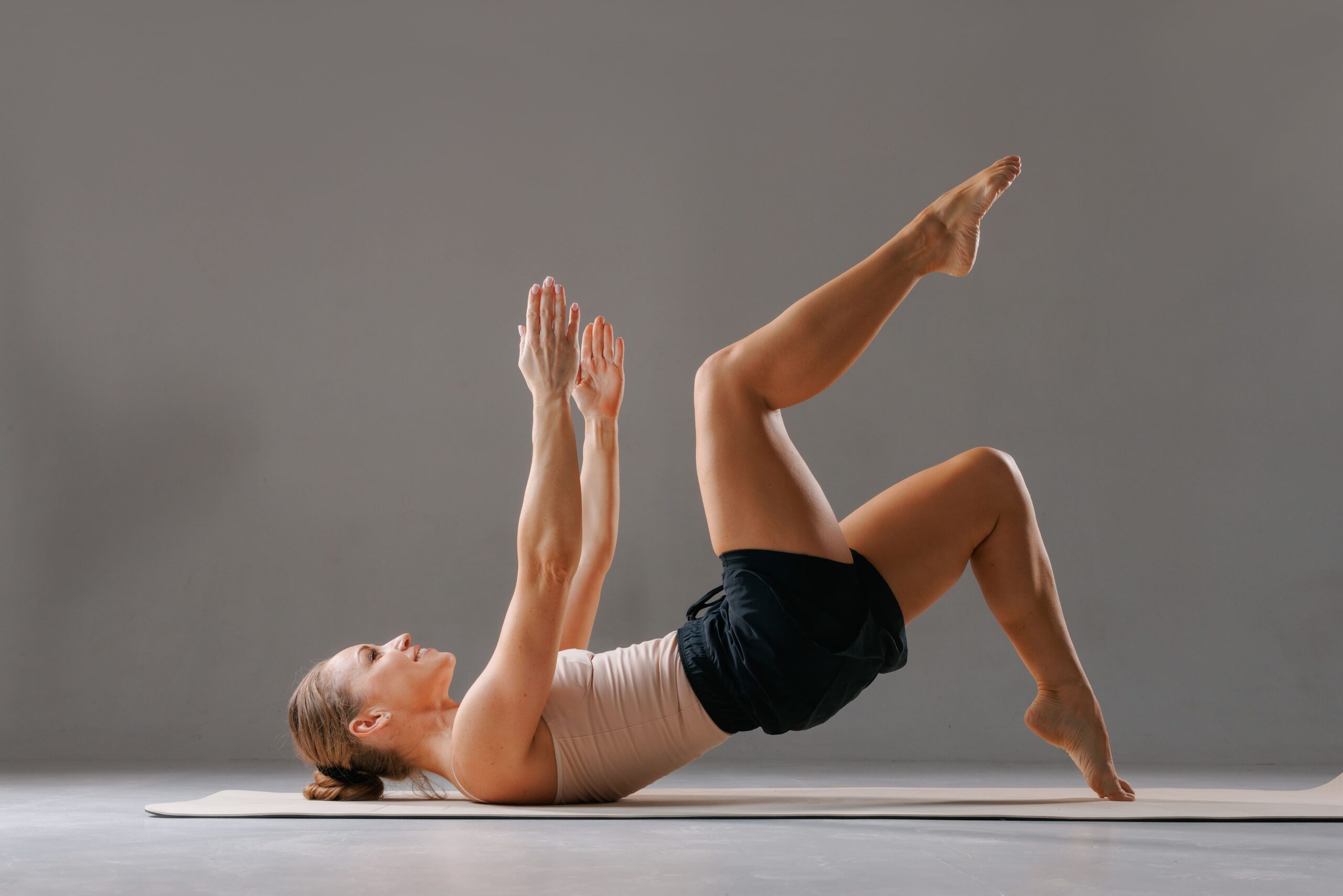 Why it happens: Many people think “engaging the core” means sucking in the stomach or flexing the abs like a crunch.
Why it matters: Proper engagement activates deeper stabilizing muscles like the transverse abdominis.
Fix it:
- Imagine gently pulling your belly button in and up toward your spine
- Keep ribs knit together, avoiding an overly puffed-out chest
- Breathe into your sides and back, not just the belly
💡 Practice “core engagement” even when sitting or walking during the day.
Related Information
➡️ Foundational Core Exercises
❌ Skipping the Setup Phase
Why it happens: Beginners often dive straight into movement without properly aligning the body first.
Why it matters: A solid starting position improves form, activates the right muscles, and sets the tone for the exercise.
Fix it:
- Pause before every movement to align your posture
- Think about your spine, shoulders, pelvis, and breath
- Start every rep with full-body awareness
💡 Pilates isn’t a race — treat setup as part of the workout.
❌ Pushing Through Discomfort
Why it happens: It’s common to push through strain, especially in group classes or fast-paced videos.
Why it matters: Pain (especially in joints or the lower back) is a red flag that form is off or the movement isn’t right for your body.
Fix it:
- If something feels “off,” stop and reassess your alignment
- Modify or skip any move that causes discomfort
- Use props like cushions, towels, or blocks for support
💡 Discomfort ≠ progress. Work smart, not hard.
❌ Ignoring Modifications
Why it happens: Many beginners feel pressure to keep up with the instructor or others in class.
Why it matters: Pushing beyond your current ability often leads to poor form or injury.
Fix it:
- Start with beginner modifications and progress at your own pace
- Use props to support your movements
- Focus on alignment and breath over intensity
💡 There’s no shame in modifying — it’s a sign of body awareness, not weakness.
❌ Inconsistent Practice
Why it happens: Life gets busy, and it’s easy to skip workouts or forget the subtleties of Pilates when not practicing regularly.
Why it matters: Pilates builds strength through repetition and refinement. Irregular practice limits progress.
Fix it:
- Aim for 10–20 minutes, 3–5 times a week
- Set a regular schedule or link it to an existing habit
- Revisit foundational videos to reinforce form
💡 Progress in Pilates is built one small, consistent session at a time.
Start Your Pilates Journey Here
➡️ Intro to Pilates Movements
➡️ See More Mistakes
How to Self-Correct in Real Time
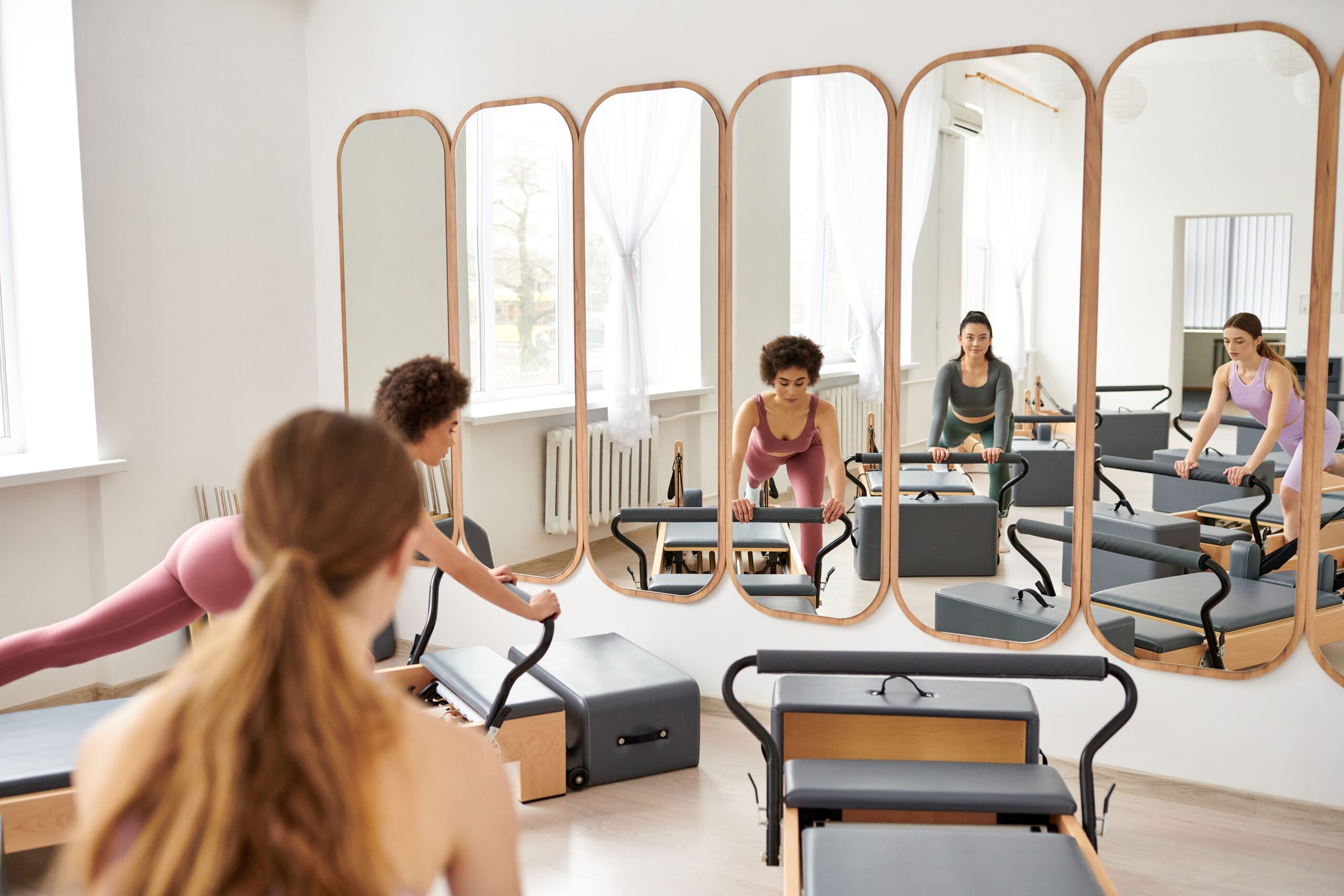 When following videos or practicing solo:
- Use a mirror to check your alignment
- Film yourself occasionally to evaluate form
- Tune into sensations, not just visuals — is the right muscle working?
- Pause the video and rewind when something doesn’t feel right
Over time, you’ll develop internal cues — a key part of mastering Pilates.
FAQs: Common Pilates Mistakes for Beginners
- Is it normal to feel sore in Pilates?
Yes, especially in the deep core or glutes. But you shouldn’t feel sharp pain or joint discomfort.
- How can I tell if I’m doing the movements right?
Watch your alignment, check in with how your body feels, and pay attention to instructor cues. Consider filming yourself for feedback.
- Should I stop if I feel lower back pain?
Yes — that usually means your core isn’t engaged or your back is compensating. Modify or reduce the range of motion.
- What if I can’t keep up with the class?
Slow down or modify. It’s more important to maintain good form than to match pace.
- How long does it take to correct bad form?
With regular practice and body awareness, you can start correcting major misalignments within a few sessions.
Everyone makes mistakes when starting Pilates — even experienced practitioners revisit the basics often. What sets you apart is your willingness to notice, adjust, and grow. The smallest tweaks can lead to the biggest transformations.
The next time you step on your mat, keep this checklist in mind. Your body — and your future practice — will thank you.