Pilates is far more than a one‑size‑fits‑all workout. Its strength lies in adaptability — the ability to meet people where they are, honoring the needs of different bodies, life stages, and health conditions. This page explores Pilates for Special Populations — programs and approaches designed to support people safely and effectively, whether they’re preparing for birth, navigating life afterward, aging gracefully, rediscovering movement after childhood, or engaging men’s unique physical priorities.
Here you’ll find:
- An overview of why specialized Pilates matters
- Key benefits for each special population
- Safety tips and practical guidance
- What to expect from tailored Pilates classes
- Frequently Asked Questions
Each child page in this silo will break down one population in detail — with safe progressions, recommended practices, and common modifications.
Why Pilates for Special Populations?
Pilates is inherently versatile, but when approached without context, it can miss the mark — or worse, cause strain or discomfort for someone with unique physical needs. Special‑population Pilates is different because it:
✔ Adapts to Physical Changes
Whether it’s a pregnant pelvis, a recovering body, or a growing child, adaptations ensure movements are safe and effective.
✔ Prioritizes Safety and Awareness
Certified instructors trained in special populations understand how to cue breath, posture, and alignment to support individual bodies.
✔ Focuses on Function, Not Aesthetics
Instead of “burning calories,” this work helps people move with confidence, build stability, and enjoy everyday activities without discomfort.
✔ Encourages Mind–Body Integration
Pilates teaches awareness of how muscles, breath, and movement interconnect — essential in rehabilitation, aging, and transitional life phases.
The Core Principles of Specialized Pilates
 Every Pilates practice shares guiding principles — breath, concentration, centering, control, precision, and flow — but specialized approaches emphasize:
- Individualized Cueing
Modifications are not optional add‑ons — they’re core to instruction.
- Injury Prevention First
Movements are selected not by popular trend but by their safety and suitability.
- Progressive Learning
Program design respects readiness, not speed.
- Holistic Strength
Focus is functional: how your body works in daily life, not how it looks.
- Responsiveness to Feedback
Your sensations, tolerances, and comfort guide intensity and depth.
Who Benefits from Special Population Pilates?
This silo includes pages for these groups:
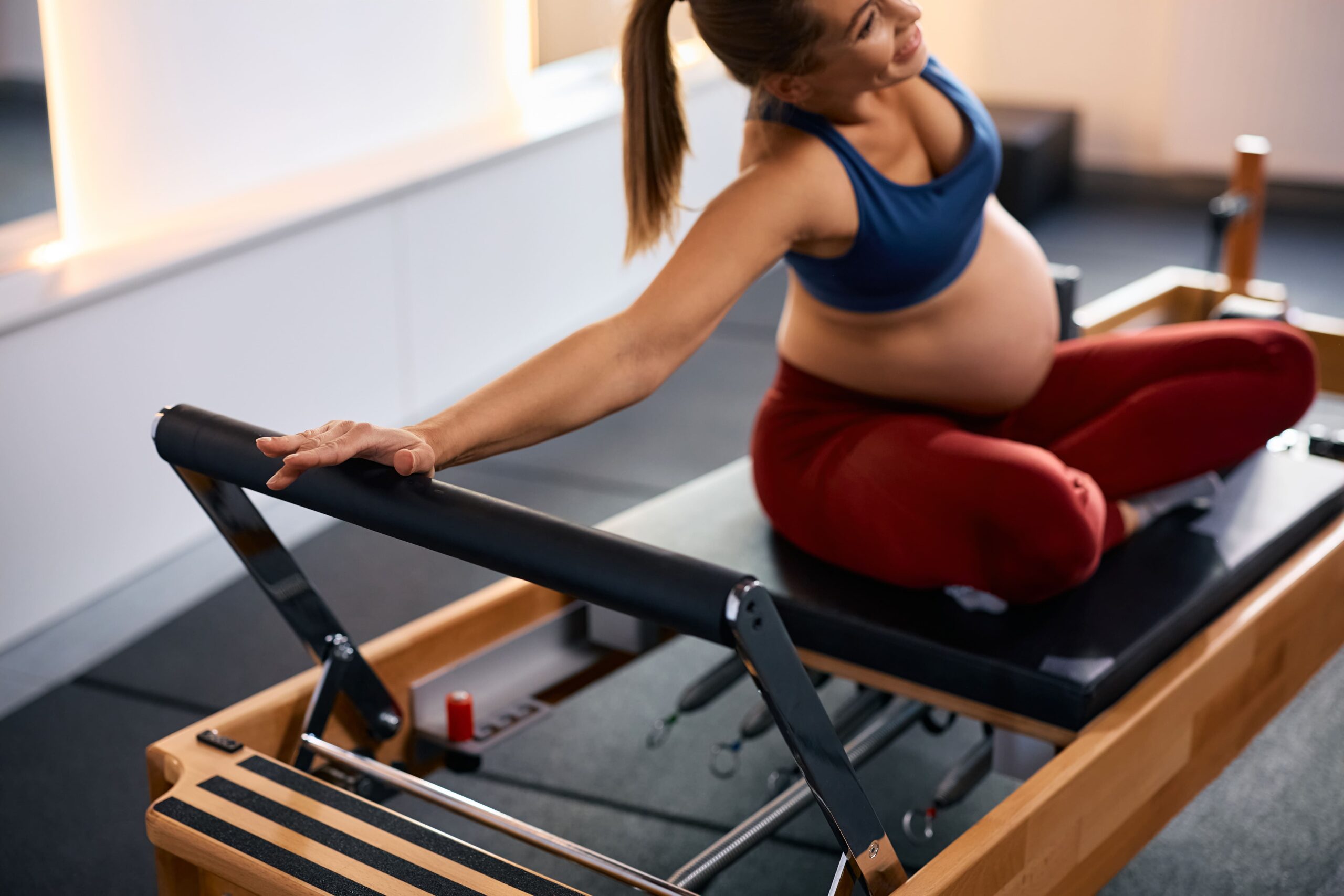
- Prenatal Pilates — supporting the body through pregnancy
- Postnatal Pilates — rebuilding postpartum strength
- Pilates for Seniors — promoting mobility and balance with age
- Pilates for Men — addressing male‑specific movement patterns
- Pilates for Kids — encouraging healthy movement in youth
Each group faces distinct physical realities. Pilates can be adapted to honor those differences and support strength, flexibility, stability, posture, coordination, and overall wellbeing (Read more: Exercise for Special Populations).
How Specialized Pilates Differs from Standard Pilates
While basic Pilates can benefit most people, specialized instruction:
📌 Adjusts the Movement
Exercises are selected or modified based on anatomical, hormonal, or developmental considerations.
📌 Prioritizes Safety Nets
Props, slow progressions, and pain‑free cues are emphasized.
📌 Focuses on Functional Goals
Mobility for daily tasks, pelvic stability, breath support, and balance often outweigh aesthetic aims.
📌 Respects Contraindications
Certain movements (deep abdominal work, intense back extension, or high impact) may be excluded or modified for specific populations.
Key Benefits Across Populations
Here’s a high‑level look at what Pilates can offer when thoughtfully tailored:
🔹 Prenatal & Postnatal
- Reduced back and pelvic pain
- Improved pelvic floor support
- Better posture amid structural changes
- Gradual and safe return to strength
🔹 Seniors
- Enhanced balance and fall prevention
- Joint‑friendly strength and mobility
- Improved posture and breathing mechanics
- Greater independence in daily activities
🔹 Men
- Functional core and posterior chain strength
- Mobility for hips and shoulders
- Injury prevention and balanced development
- Performance support for sports or lifting
🔹 Kids
- Development of motor skills and coordination
- Encouragement of healthy posture early on
- Core support for growth‑related changes
- Fun, body‑aware movement habits
What to Look for in an Instructor
Not all Pilates teachers are trained to guide special populations. Look for:
✔ Specialized Training
Certifications or continuing education in prenatal/postnatal, geriatrics, pediatric movement, or therapeutic exercise.
✔ Experience
Instructors who have worked repeatedly with your population bring practical nuance.
✔ Safe Cueing
Verbal cues that emphasize breath, alignment, joint safety, and quality of movement.
✔ Individualized Modifications
Not “one trick fits all” — modifications tailored to you.
✔ Communication
Comfortable dialogue about pain, limitations, and goals.
General Safety Considerations
While detailed tips appear in the child pages, here are broad safety guidelines that apply across populations:
❗ Listen to Your Body
Discomfort ≠ progress. Always prioritize ease over reaching depth.
❗ Avoid Painful Ranges
Modify any movement that creates sharp or irritating sensations.
❗ Breathe With Intention
In specialized work, breath is often therapeutic — it supports pelvic floor engagement, nervous system calm, and core engagement.
❗ Warm Up Thoroughly
Gentle joint mobility and breath prep before deeper work protects tissues across age groups and conditions.
❗ Progress Slowly
Every body is different — progress is measured in comfort and control, not speed.
Branching Into Child Pages
This pillar page sets the stage for deep dives that explore what to practice, how to modify, and what to avoid for these specific populations:
- Prenatal Pilates — Safe, gentle strength and mobility as the body adapts to pregnancy
- Postnatal Pilates — Rebuilding core and pelvic floor after birth
- Pilates for Seniors — Balance, mobility, and joint support for aging bodies
- Pilates for Men — Addressing male movement patterns and strength priorities
- Pilates for Kids — Playful movement that supports growth and motor skill development
FAQs: Pilates for Special Populations
- Is Pilates safe for everyone?
Pilates can be safe for most people, but special populations benefit most from instruction that respects their unique needs. Always consult a healthcare provider before beginning a new exercise routine, especially during pregnancy, after surgery, or with chronic conditions.
- How do instructors modify Pilates for specific needs?
Modifications might include changing range of motion, using props for support, simplifying sequencing, emphasizing breath, or avoiding exercises that apply unnecessary strain to sensitive joints or tissues.
- Do I need equipment?
Not necessarily. Mat Pilates is often sufficient and safest for specialized populations — though some may benefit from small props like Pilates balls, resistance bands, or light weights.
- Can children benefit from Pilates long‑term?
Yes. When designed appropriately, Pilates encourages healthy movement patterns, body awareness, and improved posture — foundational elements for athletic development and injury prevention.
- What makes Pilates better than other workouts for special populations?
Pilates emphasizes controlled, purposeful movement, not high impact or forced performance. Its focus on breath, posture, and joint‑friendly strength makes it uniquely suitable for varied bodies and life stages.
Every body deserves thoughtful movement — and Pilates has the versatility to serve people across the lifespan and life stages. When tailored to your unique needs, Pilates becomes more than exercise — it becomes movement confidence, functional freedom, and long‑term vitality.
Explore each child page for details, safe sequences, and practices that meet you — right where you are.