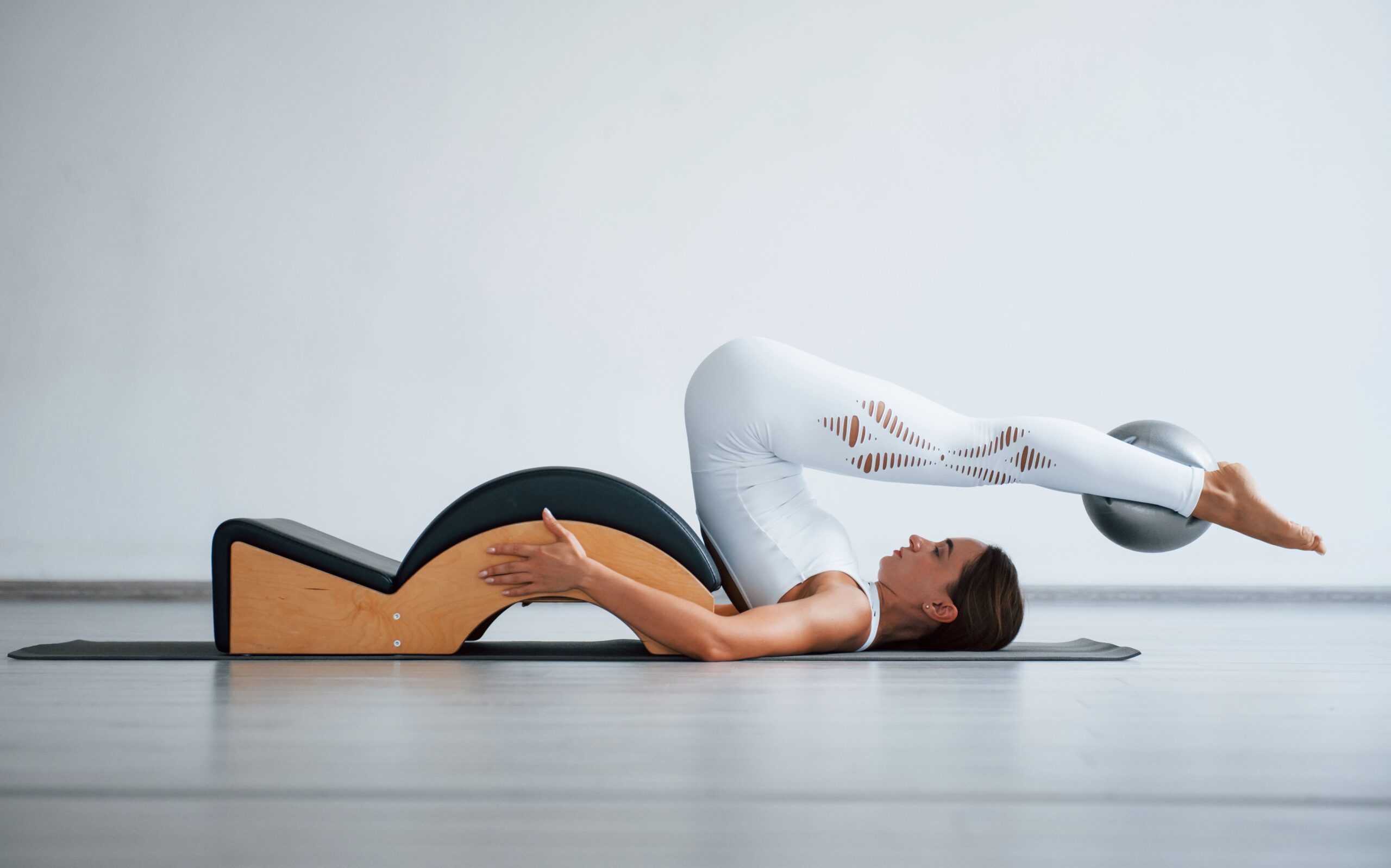
Pilates is a powerful system of movement grounded in control, breath, alignment, and mindful motion. While traditional “mat Pilates” relies only on bodyweight and precision, incorporating equipment can deepen your practice, challenge new muscle groups, increase mobility, and keep your workouts fresh and engaging.
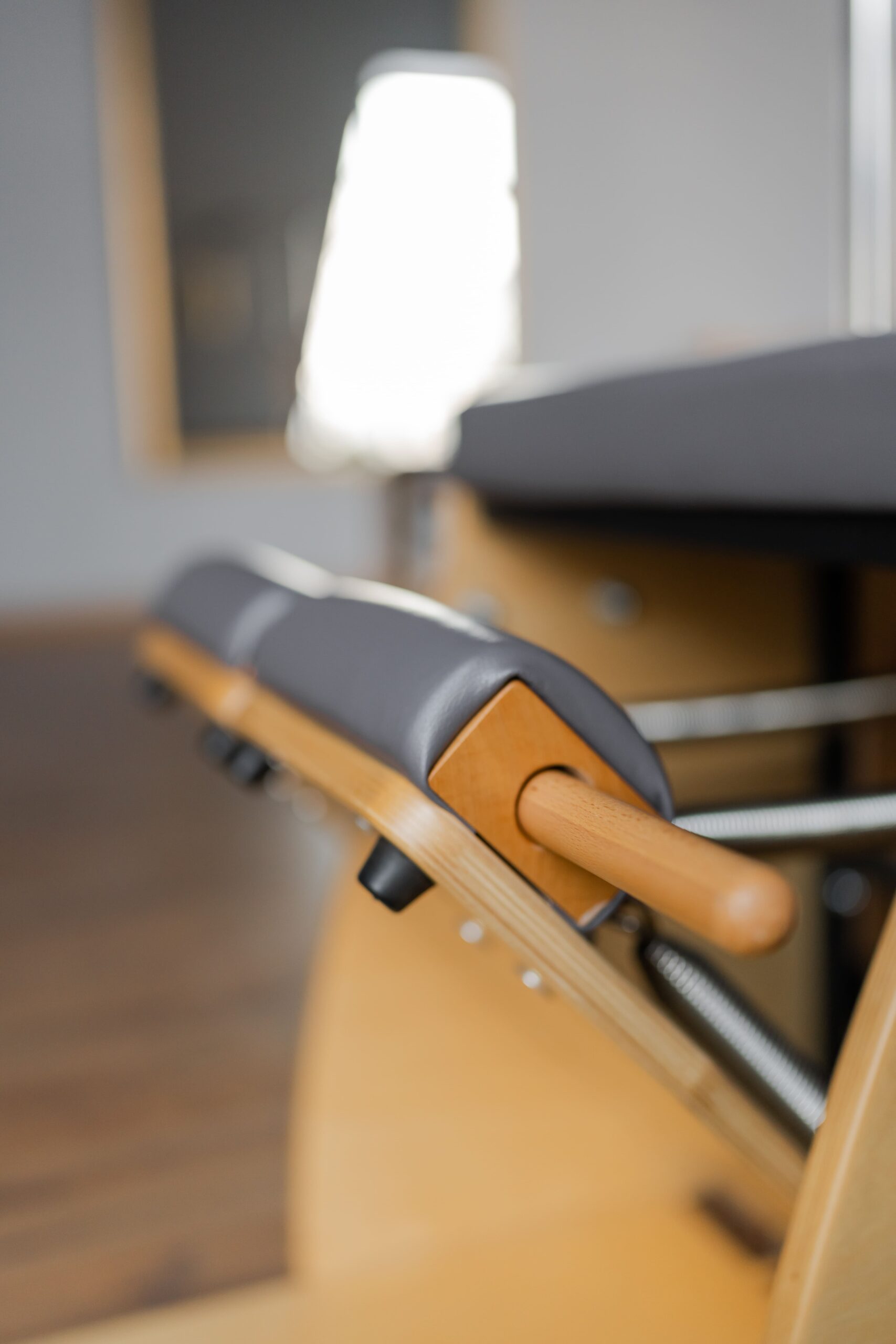 This comprehensive guide explores Pilates Equipment Videos — what they are, why they matter, how to choose the right gear, and how to use guided videos (mat and equipment alike) to build strength, flexibility, balance, and confidence. Below that, each child page in this silo will focus on a specific piece of equipment, offering videos, sample routines, and safety‑first guidance.
What This Guide Covers
- Why Pilates equipment enhances your practice
- Key benefits of equipment‑based videos
- How to choose equipment and video styles
- Safety tips for practicing with props
- Equipment video recommendations by goal
- A sneak preview of the five equipment categories
By the end, you’ll have a clear roadmap for using Pilates equipment videos effectively — whether you’re a beginner, intermediate mover, or advanced practitioner.
🧩 What Are Pilates Equipment Videos?
Pilates equipment videos are instructional workouts that feature Pilates props and tools as part of the practice (See more: Pilates Equipment). These videos guide you through movements, sequencing, and modifications, showing how and whyeach tool is used.
Unlike general follow‑along workouts, equipment videos:
- Highlight proper setup for each tool
- Offer modifications for different ability levels
- Teach alignment and breath with equipment in mind
- Often include progressions and challenges
You might find these videos on:
- YouTube
- On‑demand fitness platforms (apps or sites)
- Pilates studios’ online libraries
- Social media (short clips + mini tutorials)
Some are full-length classes, others focus on short target areas — like core, hips, shoulders, or balance.
📌 Why Incorporate Equipment in Pilates?
Adding equipment to Pilates isn’t just about “more intensity.” It’s about precision, support, resistance, stability, and variation.
- Greater Muscle Engagement
Equipment like bands and rings create resistance that challenges your muscles in ways bodyweight alone cannot.
- Improved Alignment and Form
Props — especially foam rollers and balls — can cue better posture, spinal awareness, and movement pathways.
- Progressive Strength
As you get stronger with basic Pilates, equipment helps you advance without overloading joints.
- Balanced Mobility & Stability
Instability tools (like the Pilates ball) require your core and stabilizers to work harder.
- Accessible Modifications
For those rehabbing, managing pain, or working around injuries, props can assist movement or reduce strain.
- Variety and Motivation
Equipment keeps your practice fresh and opens new movement possibilities when mat work feels familiar.
✨ Who Can Benefit from Equipment Videos?
Whether you’re new to Pilates or well‑practiced, equipment videos offer benefits:
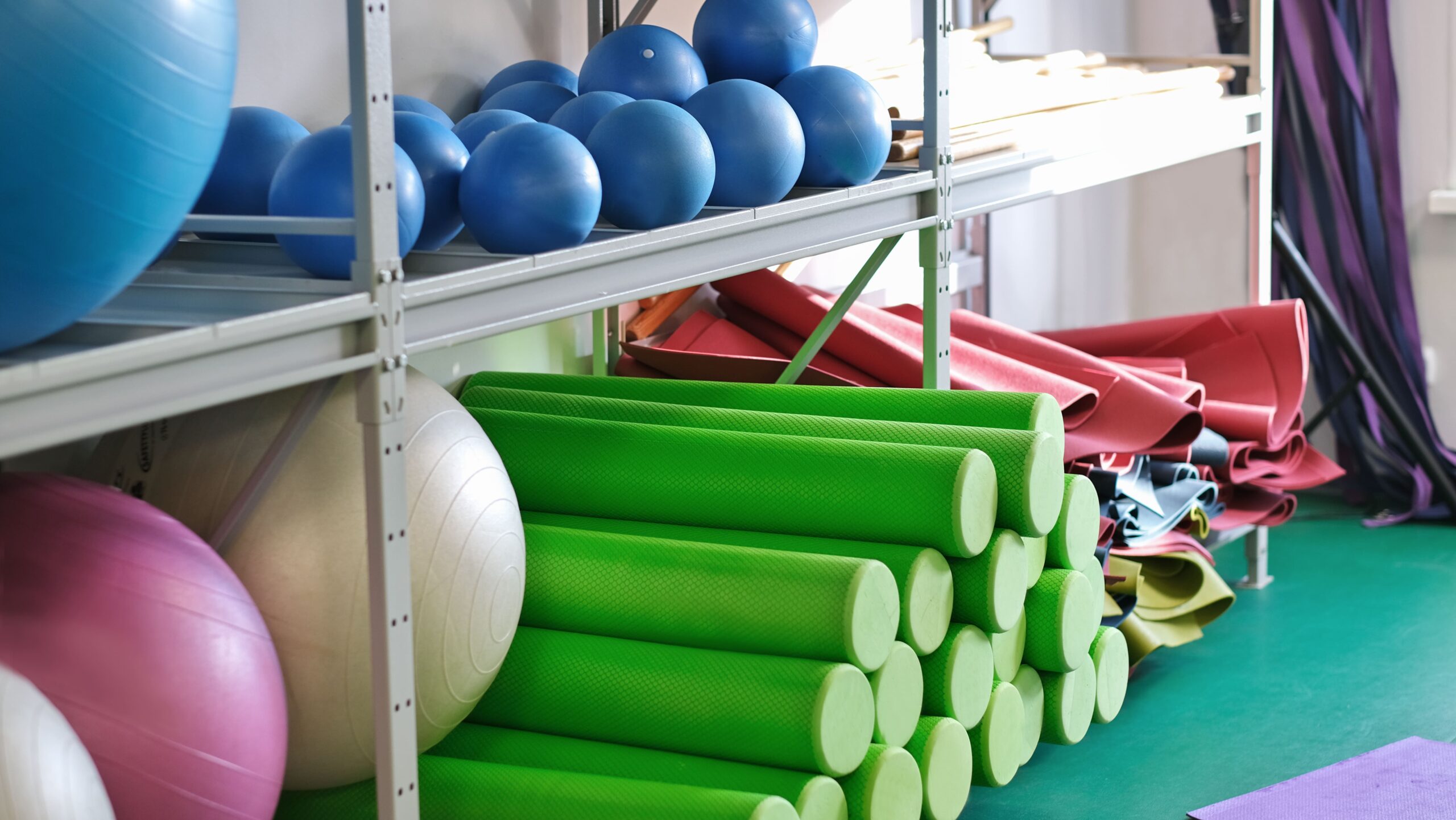 Beginners – gentle props like foam rollers or chairs can provide support and confidence
- Intermediate practitioners – bands, rings, and balls add layers of challenge
- Advanced movers – complex sequences and resistance work deepen strength and control
- Athletes – resistance and balance tools complement sport‑specific training
- People with pain – support tools help modify and rehabilitate movement patterns
- Busy schedules – targeted equipment video sessions (10–30 min) fit into tight days
Equipment isn’t just for skilled athletes — it’s a bridge that makes Pilates safer, more effective, and more engaging at all levels.
🎬 How to Use Pilates Equipment Videos Safely
Before we explore specific equipment types, here are universal safety tips for practicing with props:
✅ 1. Check Your Setup
Ensure your space is clear, your mat doesn’t slip, and equipment is in good condition.
✅ 2. Neutral Alignment First
Always start by finding a neutral spine and stable pelvis before adding movement or resistance.
✅ 3. Follow Breath with Movement
In Pilates, breath connects to effort — exhale on the “work” and inhale on the return or transition.
✅ 4. Choose Videos That Cue Form
Good instructors cue alignment, joint safety, and modifications — not just “follow along.”
✅ 5. Modify When Needed
If something feels sharp or unstable, reduce the range, use additional support, or skip that movement.
✅ 6. Progress Gradually
Start with basic routines and short sessions (10–20 minutes) before moving to longer, more complex sequences.
🧠 Matching Equipment to Your Goals
Different props emphasize different aspects of movement. Here’s how follow‑along videos can support specific goals:
| Goal | Best Equipment |
| Core strength | Resistance band, Pilates ring |
| Posture & alignment | Foam roller, chair |
| Lower body toning | Pilates ball, resistance band |
| Upper body strength | Resistance band, chair |
| Balance & stability | Pilates ball, foam roller |
| Joint mobility & flexibility | Foam roller, resistance band |
| Gentle, low‑impact training | Chair, foam roller |
| Functional progression | Ring, band, ball combinations |
📚 How to Choose the Right Videos
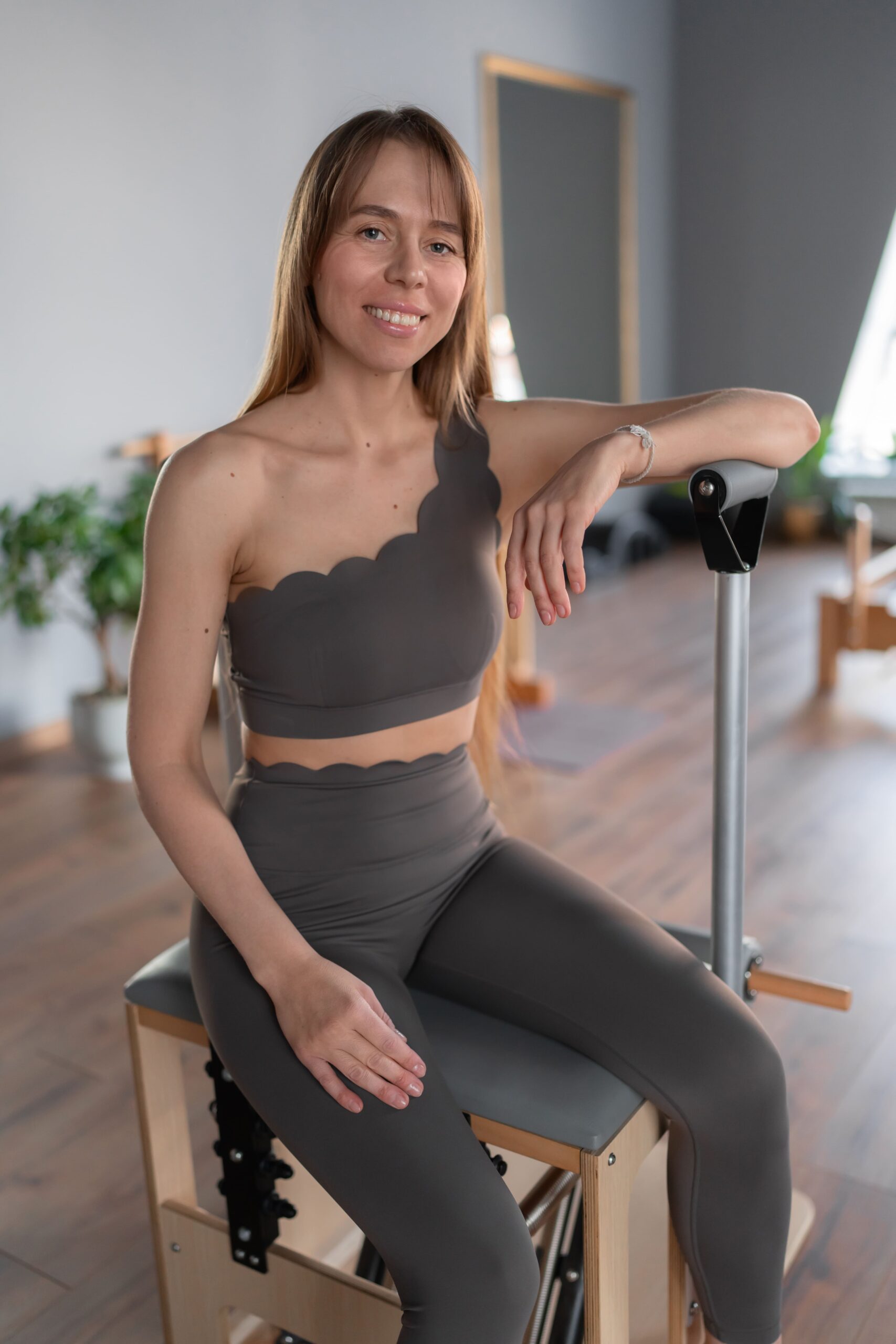 Not all equipment videos are created equal. As you explore videos online, here’s how to identify quality content:
⭐ Look for Certified Instructors
Choose videos led by trainers with Pilates certifications (e.g., STOTT, Balanced Body, BASI, Polestar, PMA).
⭐ Clear Explanation of Props
Good videos show how to hold the equipment, set it up, and why it’s being used.
⭐ Progressions & Modifications
Top instructors show easier and harder versions so you can adjust based on your ability.
⭐ Proper Alignment Cues
The instructor should cue neutral spine, joint placement, and breath — not just counting reps.
⭐ Safe Pace
Avoid videos that rush exercises or encourage jerky movements. Pilates is controlled movement.
🔍 Where to Find High‑Quality Pilates Equipment Videos
You’ll find great content across several platforms:
■ YouTube
Free streaming with a huge variety, from short clips to full classes.
■ Fitness Platforms
Subscription apps like Pilates‑focused platforms often organize videos by equipment, duration, and level.
■ Instagram & Reels
Quick demos and mini‑tutorials that teach specific equipment moves.
■ Studio Libraries
Many studios offer on‑demand libraries with equipment‑specific classes.
■ Trainer Websites
Certified instructors often share playlists or recommended videos on their sites.
🧩 Preview of the Equipment Categories (Child Pages)
Each of these will have detailed guidance, example videos, and sample routines:
Foam Roller Pilates
Learn how to use the foam roller for mobility, fascia release, alignment, and balance. Videos focus on spinal articulation, hip mobility, and deep body awareness.
➡️ See more here: Foam Roller Pilates
Pilates Ring Workouts
The Pilates ring (magic circle) provides gentle resistance — ideal for toning arms, inner thighs, core, and glutes with precision. Follow‑along sessions help deepen engagement without heavy weights.
Resistance Band Pilates
Resistance bands add dynamic tension to traditional Pilates moves. Videos will show standing and mat‑based resistance patterns that build strength across multiple planes.
Pilates Ball Sequences
Fitness balls (small and large) challenge balance and stability while supporting mobility. Expect flows that enhance core control, posture, and range of motion.
➡️ See more here: Pilates Ball Sequences
Chair Pilates Workouts
Chair Pilates uses a sturdy chair as both support and tool. You’ll find routines for balance, upper and lower body strengthening, and gentle progression — perfect for beginners or those with limited mobility.
📅 Sample Weekly Equipment Video Plan
Here’s how you could structure a well‑balanced week using different equipment videos (example durations):
| Day | Equipment + Focus | Duration |
| Mon | Foam Roller (mobility + release) | 15–20 min |
| Tue | Ring Workouts (core + hips) | 20–25 min |
| Wed | Resistance Band (strength) | 25–30 min |
| Thu | Ball Sequences (stability + balance) | 20–25 min |
| Fri | Chair Pilates (support + strength) | 20 min |
| Sat | Combo Flow (all props light) | 30–40 min |
| Sun | Rest or Gentle Mobility Roller | 10–15 min |
(This is customizable based on your schedule, goals, and experience.)
📌 Beginner Tips Before You Start
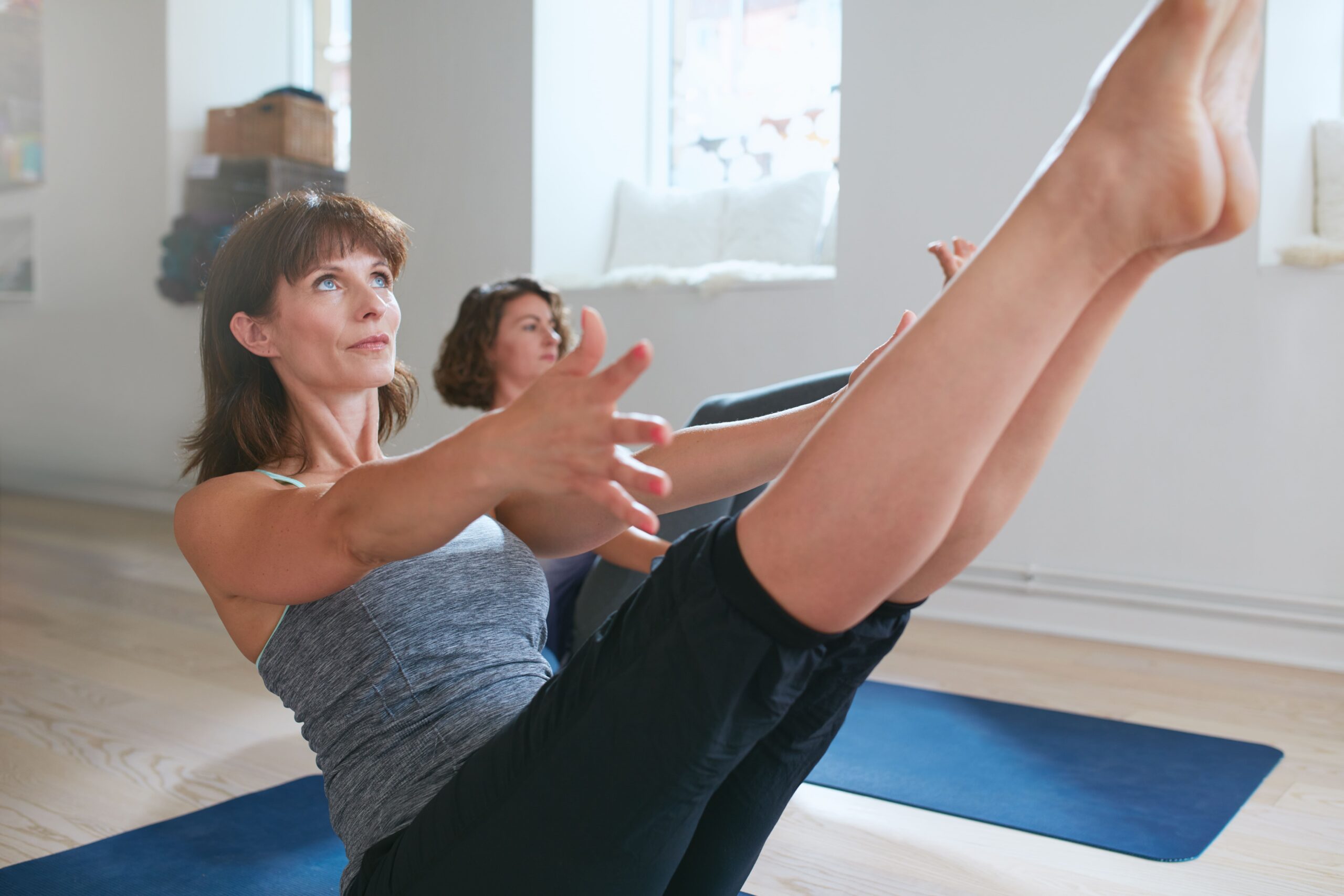 ✦ Start Small
Choose one tool and one short video (10–15 min) to begin.
✦ Follow a Weekly Rhythm
Incorporate props regularly rather than all at once — this builds confidence and avoids overwhelm.
✦ Mix and Match
Combine equipment videos with mat Pilates and breathing flows for a well‑rounded practice.
✦ Listen to Your Body
Muscles can feel new tension — that’s okay! But sharp pain is not. Modify or stop if needed.
Frequently Asked Questions
- Do I need all this equipment to practice Pilates?
No — you don’t need equipment to practice Pilates. A mat alone is enough. Props enhance the practice by adding resistance, stability, and variation.
- Is equipment Pilates safe for beginners?
Yes — as long as you choose beginner‑friendly videos and pay attention to form, alignment, and breath. Props often make Pilates more accessible, not harder.
- Can I combine equipment in one workout?
Absolutely! Many advanced flows blend bands, rings, and small balance tools. Just introduce one tool at a time if you’re new.
- How often should I do equipment Pilates videos?
3–5 times per week is a great starting point — mix mat work with different props based on your goals.
- Will equipment Pilates help with strength and weight loss?
Yes — when paired with consistent practice and smart nutrition, resistance and stability work improve muscle tone and help support metabolic health.
Pilates equipment videos open new doors in your movement practice. Whether you want deeper core engagement, better posture, targeted strength, or greater mobility, each tool — when paired with quality guided instruction — helps you move with intention, control, and confidence. This silo is your gateway to tool‑specific video lessons that make Pilates smarter, safer, and more effective than ever.