One of the most empowering aspects of Pilates is its adaptability. Whether you’re aiming to lose weight, strengthen your core, relieve back pain, stay mobile as you age, or enhance athletic performance, there’s a Pilates approach that can help you get there. This is the power of Pilates by goal — designing your practice to match your unique body, needs, and intentions.
This guide introduces goal-focused Pilates training, helping you discover the best pathways, video types, and routines to support your personal health and fitness journey.
Why Align Pilates With Your Goals?
Unlike high-impact fitness programs that focus on burning calories or lifting heavier weights, Pilates is a results-driven practice based on control, consistency, and intentional movement.
By linking your Pilates practice to a specific goal, you create:
- Clear motivation
- Greater consistency
- Faster, more noticeable results
- More satisfaction and long-term engagement
Pilates becomes not just a workout — but a method for reaching personal milestones, both physical and mental.
Popular Pilates Goals (and How They Work)
Let’s break down the most common reasons people turn to Pilates — and how this method delivers.
🎯 Weight Loss
Pilates may not torch calories like sprinting, but it increases muscle tone, boosts metabolic efficiency, and supports long-term fat loss when paired with a healthy lifestyle (Watch video: 20‑Minute Pilates Cardio Workout).
- Encourages mindful eating and self-regulation
- Improves posture, making you appear leaner
- Builds lean muscle mass that increases resting calorie burn
- Enhances connection to movement, reducing stress-related eating
💡 Target: Full-body flows, cardio-infused Pilates, reformer jumpboard sessions.
💪 Core Strength
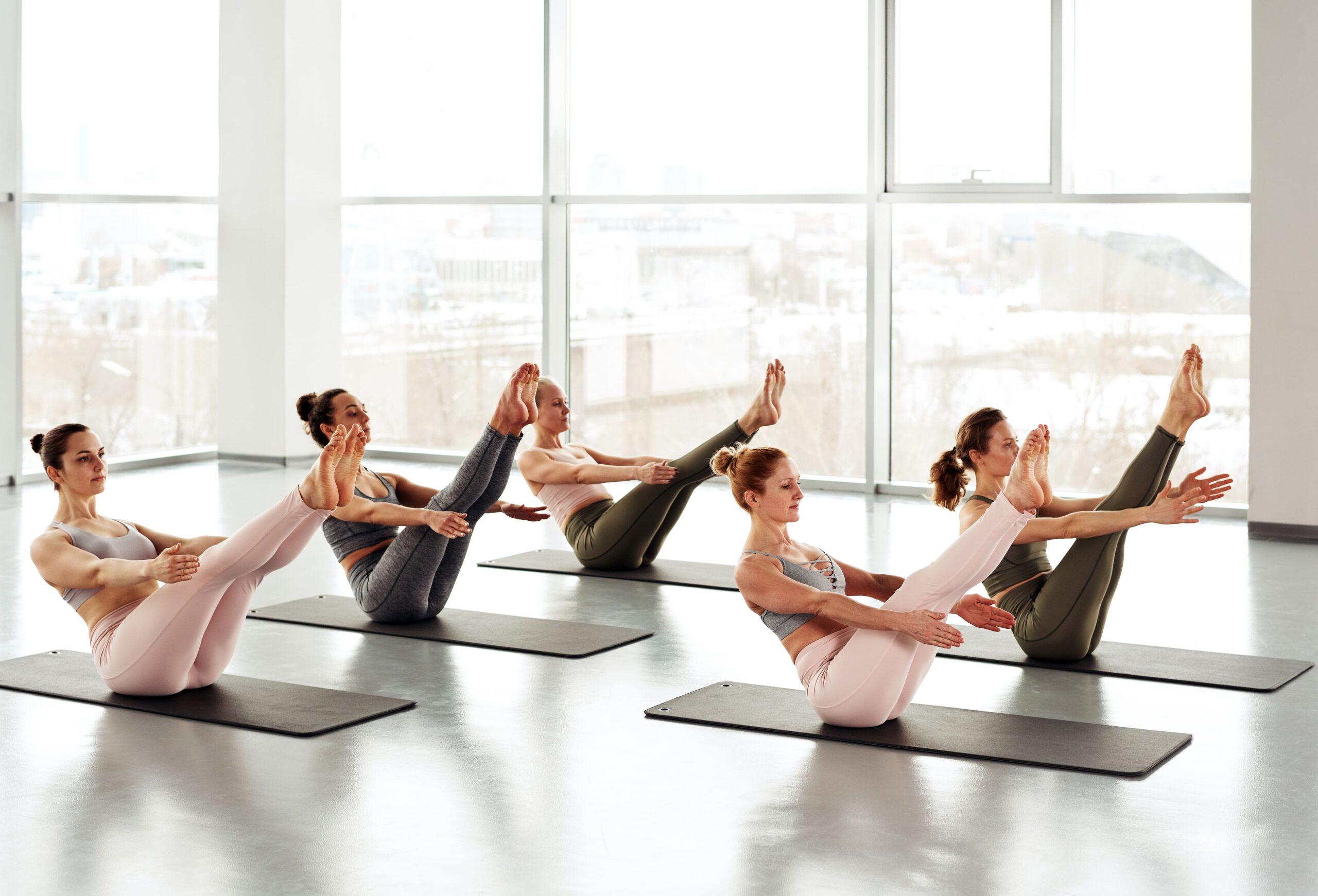 The core is the foundation of every Pilates movement. Strengthening this area improves:
- Balance and stability
- Posture and spinal support
- Athletic performance
- Injury prevention
💡 Target: Reformer or mat-based routines with planks, abs series, and control-focused flows.
💆 Back Pain Relief
Pilates restores postural alignment and gently strengthens the muscles that protect your spine.
- Decompresses joints and lengthens tight muscles
- Builds strength in the deep stabilizers
- Improves pelvic alignment and posture
- Teaches mindful movement and breath awareness
💡 Target: Gentle mat work, reformer stretches, low-resistance core activation.
👵 Senior Mobility & Strength
For older adults, Pilates maintains mobility, balance, and strength — all critical for aging well.
- Reduces risk of falls and injury
- Keeps joints mobile without stress
- Supports bone density with light resistance
- Improves confidence in daily movement
💡 Target: Chair-based flows, gentle mat sessions, reformer routines with support.
🏃 Athletic Performance
From runners to golfers to dancers, athletes use Pilates to gain the edge of core control and mobility.
- Enhances neuromuscular efficiency
- Corrects imbalances and asymmetries
- Boosts power without adding bulk
- Speeds up recovery time
💡 Target: High-intensity mat flows, sport-specific reformer sessions, jumpboard intervals.
Choosing the Right Pilates Style for Your Goal
| Goal | Best Style | Recommended Duration |
| Weight Loss | Cardio Pilates, HIIT Pilates | 30–45 min, 3–5x/week |
| Core Strength | Mat/Core-Focused Reformer | 20–30 min, 3x/week |
| Back Pain Relief | Gentle Pilates, Therapeutic | 15–25 min, 4x/week |
| Senior Fitness | Seated or Supported Pilates | 15–20 min, daily |
| Athletic Support | Power Pilates, Dynamic Flows | 30–60 min, 3–4x/week |
Platforms That Offer Goal-Specific Pilates Video Content
Whether you use free YouTube videos or premium apps, many platforms now organize their libraries around your goals.
Popular Platforms:
- Alo Moves – Known for structured programs by outcome
- Pilates Anytime – Offers filters for pain relief, posture, and performance
- YouTube Channels – Look for certified instructors offering “Pilates for ___” playlists
Building Your Personal Pilates by Goal Routine
Here’s how to get started:
- Set a Clear Goal
Be specific — instead of “get fit,” try “relieve lower back pain” or “strengthen abs for better posture.”
- Choose a Frequency That Works
You don’t need daily practice. Aim for 3–4 consistent sessions per week that fit your schedule.
- Track What Feels Good
After each session, note how your body feels. Soreness, increased range of motion, or better sleep are wins.
- Mix It Up
Don’t repeat the same 20-minute flow every day. Vary movement types, instructors, and intensities.
- Celebrate Non-Scale Wins
Improved posture, fewer aches, or better balance are major indicators of progress.
Frequently Asked Questions
- Can Pilates alone help me achieve my fitness goals?
It depends on your goal. Pilates can be your primary practice for core strength, mobility, and posture. For weight loss or performance, it’s most effective when combined with cardio, nutrition, and recovery.
- How soon will I see results?
Many people feel stronger and more aligned within 2–4 weeks. Visible changes can appear by week 6–8 with consistent practice.
- Is it okay to combine multiple goals in one routine?
Yes — many Pilates flows support several outcomes. For example, a core-focused routine can also improve posture and help relieve back pain.
- Do I need different equipment for each goal?
No. A mat and a few props (ring, band, small weights) can cover almost every goal. A Reformer adds variety but isn’t essential.
- Is Pilates goal-based training safe for beginners?
Absolutely. The key is to choose beginner-level routines within your goal and progress gradually.
Pilates is not a one-size-fits-all workout — and that’s its greatest strength. Whether you’re aiming to relieve pain, build muscle, slim down, or age with strength and grace, there’s a method, video, and routine designed just for you.
With Pilates by goal, you stop guessing and start growing. You move with purpose, progress with clarity, and cultivate a body that not only looks better — but functions better for life.