Cardio-infused Pilates is a modern evolution of traditional Pilates that blends controlled, mindful movement with elevated heart rate sequences. It brings together the best of both worlds: the strength, alignment, and body awareness Pilates is known for, paired with the energy and calorie-burning benefits typically associated with cardiovascular exercise. Rather than replacing classic Pilates, this approach builds on it, adding rhythm, flow, and dynamic transitions that keep the body moving continuously.
This style of training appeals to people who love Pilates but want more intensity, as well as those who enjoy cardio workouts but are looking for something lower impact and more joint-friendly. Cardio-infused Pilates is adaptable, scalable, and surprisingly challenging, making it suitable for a wide range of fitness levels when taught thoughtfully.
What Defines Cardio-Infused Pilates
 At its core, cardio-infused Pilates maintains the principles of Pilates while increasing pace and movement density. Exercises are often linked together in flowing sequences with minimal rest, encouraging the heart rate to rise and stay elevated. Movements may include squats, lunges, plank variations, and standing sequences that move the body through multiple planes.
Unlike traditional high-impact cardio, this approach relies on controlled acceleration rather than jumping or pounding. The emphasis remains on alignment, breath, and precision, even as the tempo increases. This balance is what distinguishes cardio-infused Pilates from other hybrid workouts.
Music often plays a larger role as well. Rhythmic cues help guide movement and create momentum, supporting a steady flow that feels energizing rather than chaotic.
How It Differs From Traditional Pilates
Traditional Pilates tends to focus on slow, deliberate movements with frequent pauses for setup and refinement. While it can be physically demanding, it is not always designed to elevate the heart rate for extended periods. Cardio-infused Pilates shifts that structure by reducing downtime and increasing repetition within dynamic sequences.
Another key difference is the frequent use of upright positions. Standing work allows for larger muscle groups to engage simultaneously, which naturally increases cardiovascular demand. This also introduces balance and coordination challenges that further intensify the workout.
That said, the essence of Pilates remains intact. Core engagement, spinal alignment, and mindful movement are still central. The difference lies in how these elements are woven into faster, more continuous patterns.
Benefits Beyond Burning Calories
While calorie expenditure is often a motivating factor, cardio-infused Pilates offers benefits that go far beyond numbers. One of the most notable advantages is improved cardiovascular endurance without excessive impact on the joints. This makes it appealing for individuals who want to protect their knees, hips, and ankles.
Strength gains are another key benefit. Because movements are controlled and often performed through a full range of motion, muscles are challenged in a functional way. The core works constantly to support transitions, balance, and posture.
Coordination and agility also improve over time. The flowing nature of cardio-infused Pilates requires mental focus, helping build a strong connection between mind and body. This cognitive engagement can make workouts feel more engaging and less repetitive.
The Role of the Core in Cardio-Based Movement
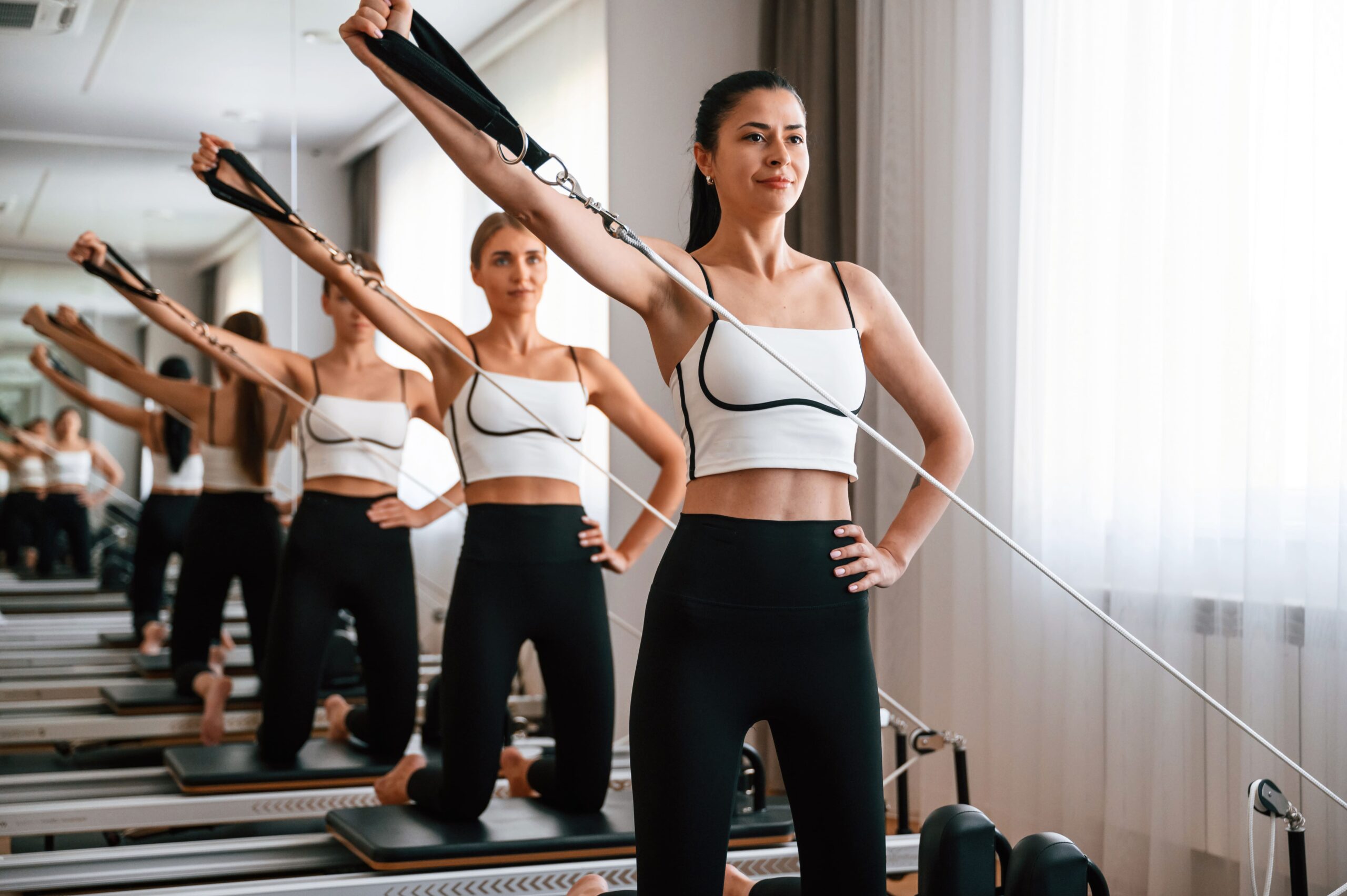 In cardio-infused Pilates, the core is not isolated; it is integrated into every movement. Whether stepping back into a lunge or transitioning from standing to the mat, the abdominal muscles support the spine and pelvis continuously.
This constant engagement helps prevent the sloppy movement patterns that sometimes appear in fast-paced workouts. Instead of relying on momentum alone, practitioners learn to move with control even at higher speeds.
Over time, this approach can improve posture and stability not only during workouts but also in everyday activities. The body becomes more efficient at transferring force, reducing unnecessary strain.
Who Can Benefit From Cardio-Infused Pilates
This style of Pilates is well suited to people who enjoy variety and movement. It often appeals to those who feel traditional Pilates is too slow or those who find standard cardio workouts too harsh on the body.
Beginners can benefit as well, provided the class or routine offers modifications and emphasizes form over speed. Many instructors design sequences that allow participants to adjust intensity by changing range of motion or pace.
Athletes also find value in cardio-infused Pilates because it supports cross-training. The combination of strength, mobility, and cardiovascular work complements sports that require endurance and coordination.
Equipment and Setup Considerations
One of the advantages of cardio-infused Pilates is its flexibility. Many routines are mat-based and require little to no equipment. Others may incorporate light weights, resistance bands, or a Pilates ring to increase intensity.
Space is another consideration. Because movements often travel or include standing sequences, having enough room to move freely is helpful. Clear surroundings allow for smoother transitions and safer execution.
Those following along with online sessions may want to choose routines that clearly demonstrate modifications and offer guidance on pacing. A well-structured session can make all the difference in maintaining both safety and effectiveness.
Flow, Rhythm, and Breath
Flow is a defining feature of cardio-infused Pilates. Movements are designed to link seamlessly, creating a sense of rhythm that carries the workout forward. This flow not only keeps the heart rate elevated but also encourages a meditative quality, even at higher intensities.
Breath plays a critical role in sustaining this rhythm. Coordinated breathing helps regulate effort and prevent fatigue from building too quickly. Exhaling during more demanding phases can support core engagement and maintain control.
As practitioners become more familiar with the patterns, movement and breath begin to synchronize naturally. This integration is often what makes cardio-infused Pilates feel both challenging and satisfying.
Incorporating Cardio-Infused Pilates Into a Routine
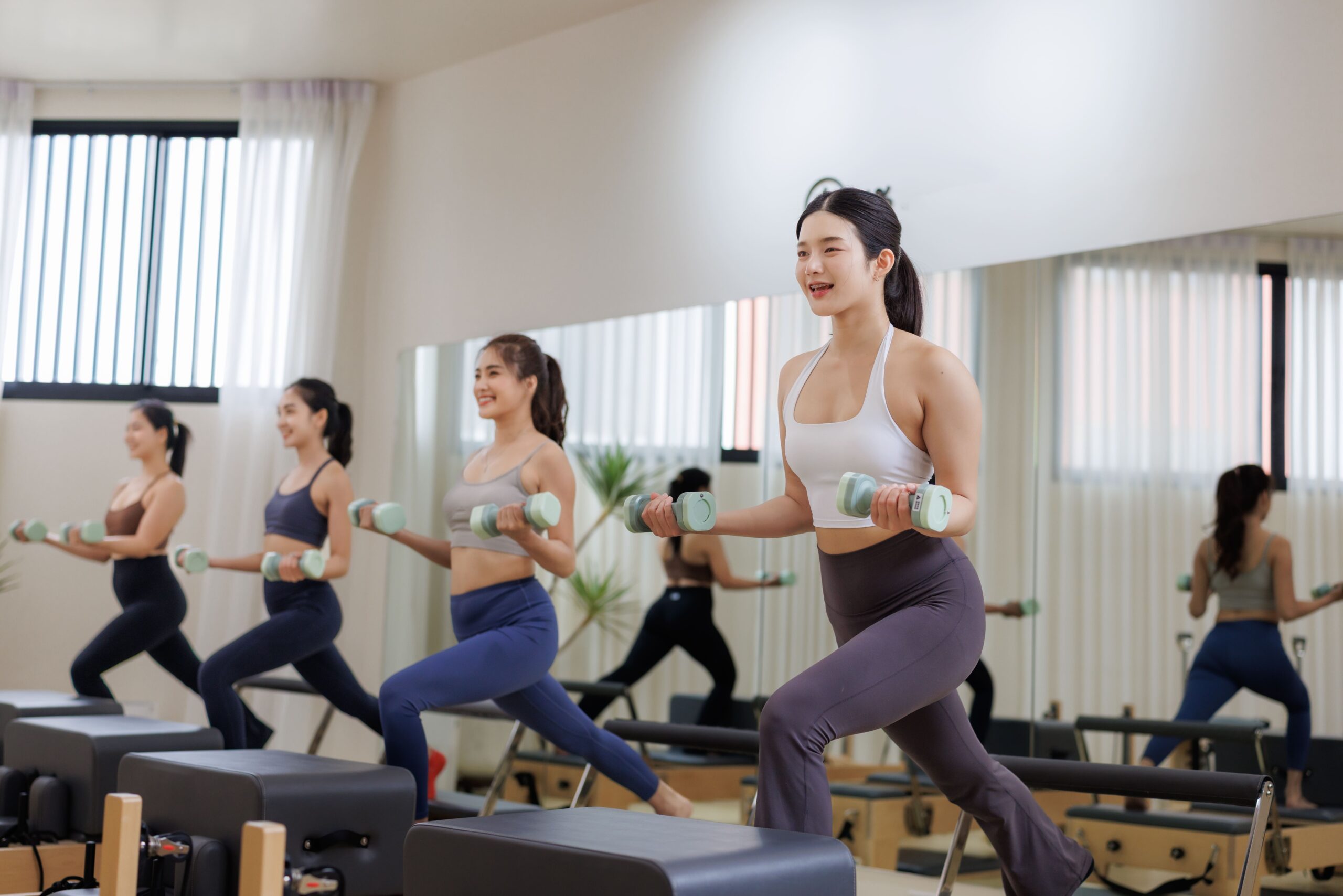 Cardio-infused Pilates can stand alone as a complete workout or complement other forms of exercise. Some people enjoy alternating it with strength-focused Pilates sessions or lower-intensity recovery days.
Frequency depends on individual goals and fitness levels. For those new to this style, starting with one or two sessions per week allows the body to adapt. More experienced practitioners may incorporate it more often, adjusting intensity as needed.
At this stage, exploring a dedicated flow-based session that blends standing cardio sequences with mat work can provide a clear sense of how this style feels in practice. These sessions often highlight the seamless transitions that define cardio-infused Pilates.
Common Misconceptions
A common misconception is that adding cardio means sacrificing form. When taught correctly, cardio-infused Pilates maintains a strong emphasis on alignment and control. Speed is secondary to quality of movement.
Another misunderstanding is that this style is only for advanced practitioners. In reality, well-designed classes offer layers of intensity, making them accessible to a wide audience.
Some also assume that cardio-infused Pilates lacks the mindfulness associated with traditional Pilates. While the pace is quicker, the need for focus and body awareness remains just as strong.
Progression and Long-Term Results
As with any movement practice, consistency matters. Over time, cardio-infused Pilates can improve stamina, muscle tone, and movement confidence. The body adapts to sustained effort, making transitions smoother and more controlled.
Progression often shows up subtly. Movements feel lighter, balance improves, and recovery between sequences becomes faster. These changes reflect increased efficiency rather than brute strength.
Long-term, this style supports a well-rounded fitness base. It encourages movement variety, reduces monotony, and keeps both body and mind engaged.
Why Cardio-Infused Pilates Continues to Grow
The popularity of cardio-infused Pilates reflects a broader shift toward workouts that balance intensity with sustainability. People are increasingly drawn to movement practices that challenge them without leaving them depleted or injured.
This approach offers that balance. It respects the body’s need for alignment and control while satisfying the desire for energy and momentum. For many, it becomes a go-to option that bridges the gap between mindful exercise and dynamic training. Make sure to check out one of our recommended videos: 45-Minute Cardio Pilates Total Body Workout
FAQs
Is cardio-infused Pilates suitable for beginners?
Yes, beginners can benefit from cardio-infused Pilates when modifications are provided. Starting at a slower pace and focusing on form helps build confidence and strength safely.
Does cardio-infused Pilates replace traditional cardio workouts?
It can, depending on intensity and frequency. While it may not replicate long-distance endurance training, it offers meaningful cardiovascular benefits alongside strength and mobility work.
How long should a cardio-infused Pilates session be?
Sessions typically range from 20 to 45 minutes. Shorter sessions can still be effective due to the continuous movement and elevated heart rate.
Will cardio-infused Pilates help with weight management?
When practiced regularly, it can support weight management by combining calorie expenditure with muscle engagement and improved movement efficiency.
Do I need special equipment to get started?
No special equipment is required for most routines. A mat and comfortable space are usually enough, with optional props added for variety and challenge.